Department of Neurology, Washington University in St. Louis, St. Louis, MO, USA.
Brown School, Washington University in St. Louis, St. Louis, MO, USA.
Ann Neurol. 2021 Feb;89(2):254-265. doi: 10.1002/ana.25948. Epub 2020 Nov 7.
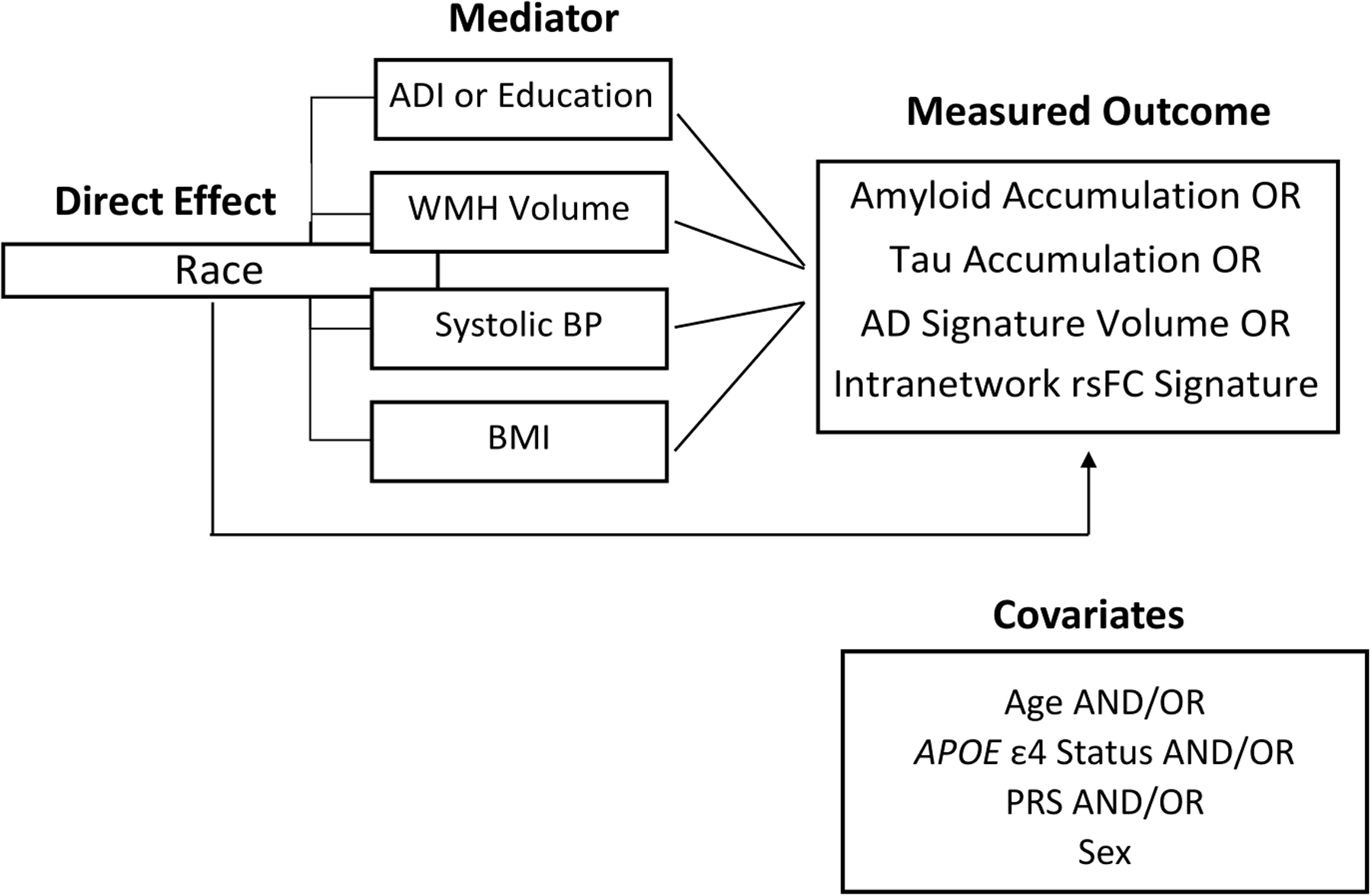
African Americans are at greater risk for developing Alzheimer's disease (AD) dementia than non-Hispanic whites. In addition to biological considerations (eg, genetic influences and comorbid disorders), social and environmental factors may increase the risk of AD dementia. This paper (1) assesses neuroimaging biomarkers of amyloid (A), tau (T), and neurodegeneration (N) for potential racial differences and (2) considers mediating effects of socioeconomic status (SES) and measures of small vessel and cardiovascular disease on observed race differences.
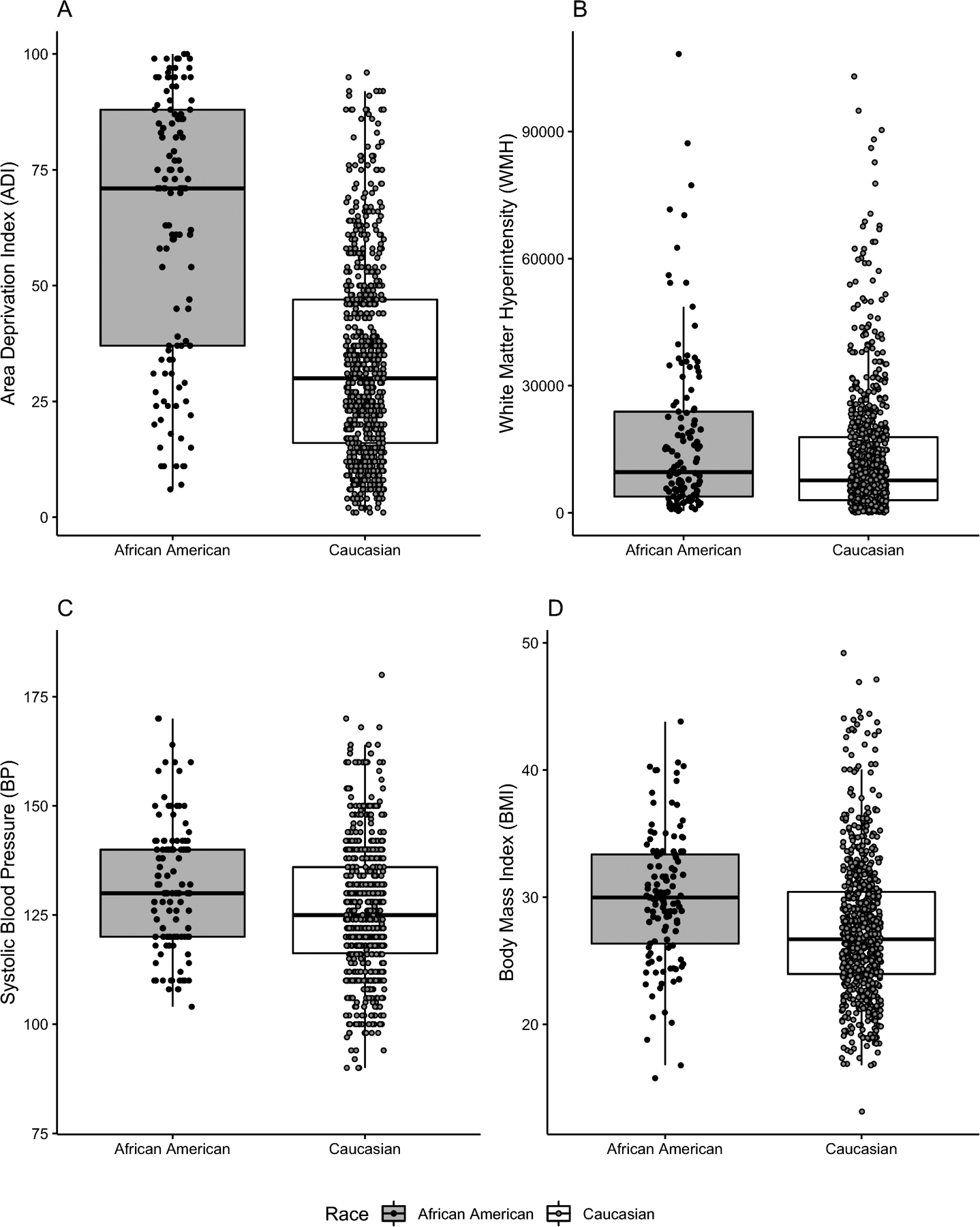
Imaging measures of AT(N) (amyloid and tau positron emission tomography [PET]) structural magnetic resonance imaging (MRI), and resting state functional connectivity (rs-fc) were collected from African American (n = 131) and white (n = 685) cognitively normal participants age 45 years and older. Measures of small vessel and cardiovascular disease (white matter hyperintensities [WMHs] on MRI, blood pressure, and body mass index [BMI]) and area-based SES were included in mediation analyses.
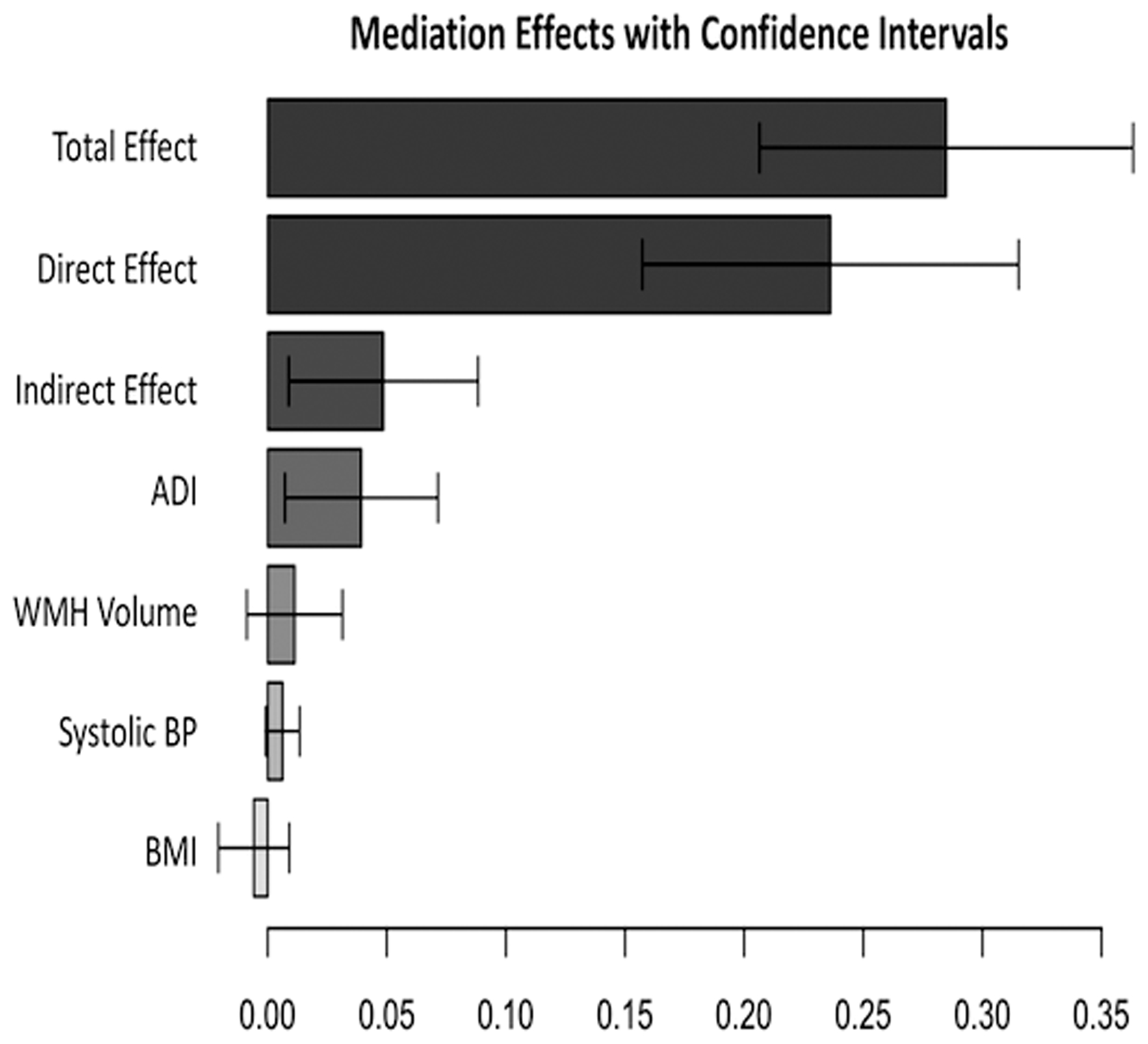
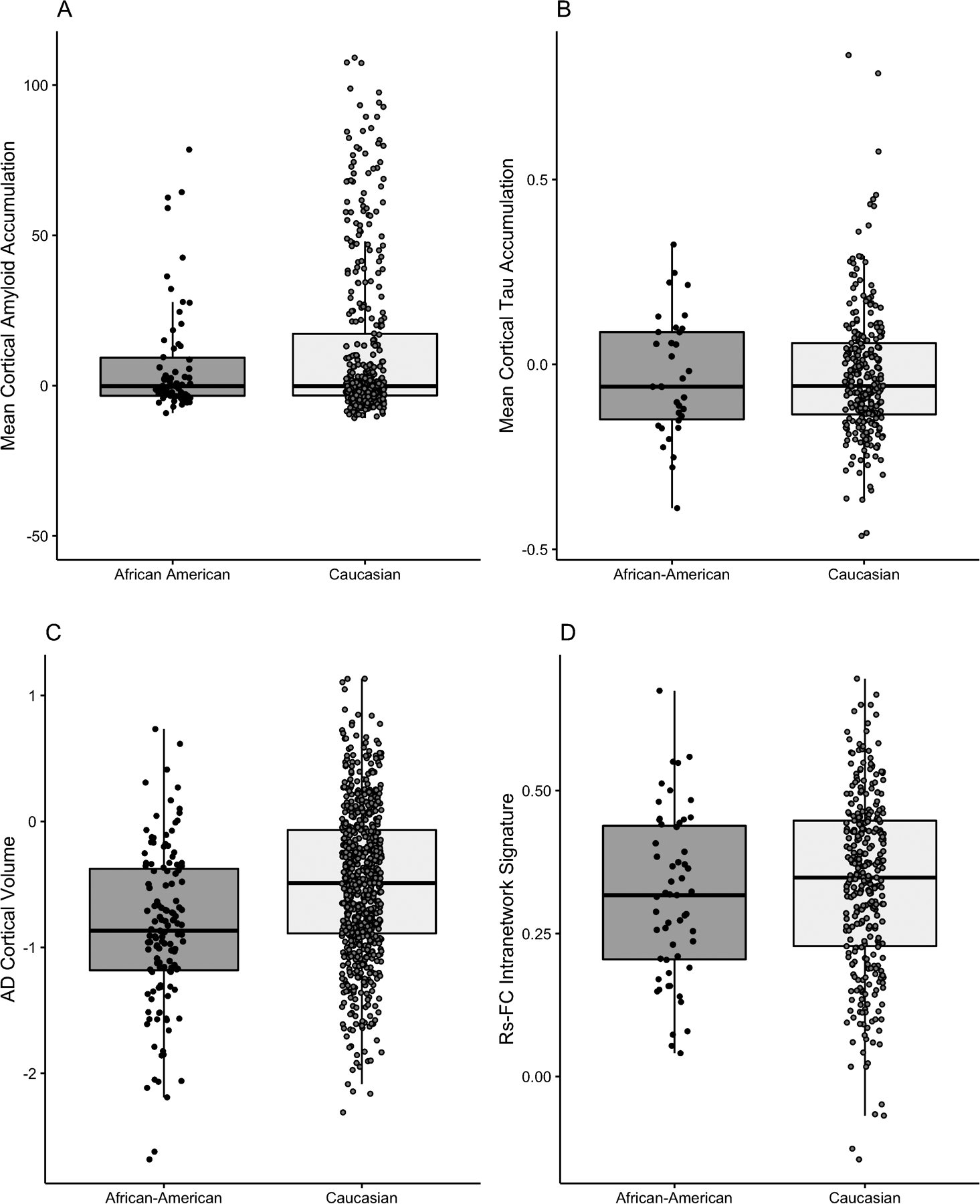
Compared to white participants, African American participants had greater neurodegeneration, as measured by decreased cortical volumes (Cohen's f = 0.05, p < 0.001). SES mediated the relationship between race and cortical volumes. There were no significant race effects for amyloid, tau, or rs-fc signature.
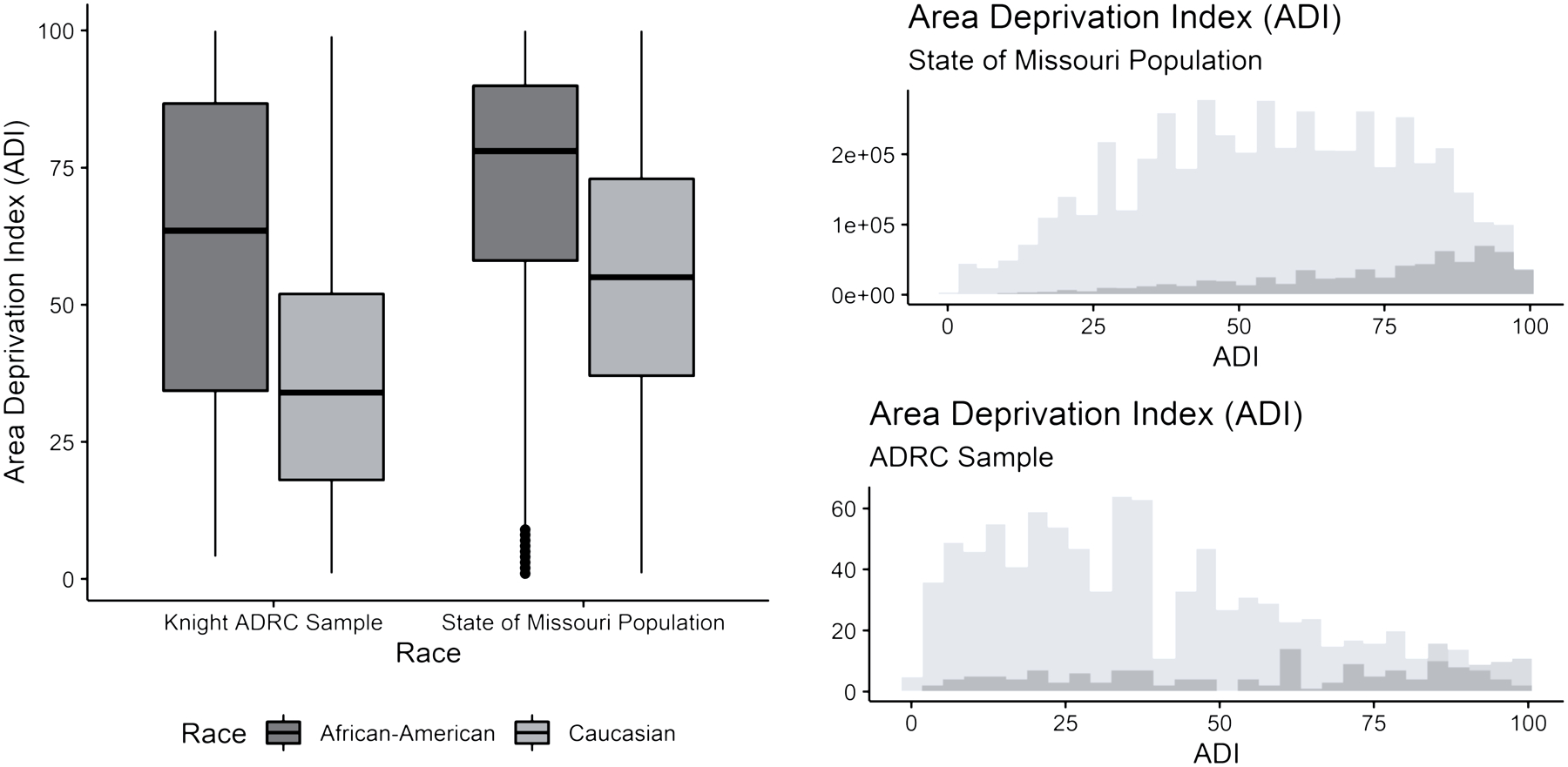
Modifiable factors, such as differences in social contexts and resources, particularly area-level SES, may contribute to observed racial differences in AD. Future studies should emphasize collection of relevant psychosocial factors in addition to the development of intentional diversity and inclusion efforts to improve the racial/ethnic and socioeconomic representativeness of AD studies. ANN NEUROL 2021;89:254-265.
非裔美国人患阿尔茨海默病(AD)痴呆的风险高于非西班牙裔白人。除了生物学方面的考虑因素(例如遗传影响和合并症)外,社会和环境因素也可能增加 AD 痴呆的风险。本文(1)评估淀粉样蛋白(A)、tau(T)和神经退行性变(N)的神经影像学生物标志物是否存在潜在的种族差异,(2)考虑社会经济地位(SES)和小血管及心血管疾病测量指标对观察到的种族差异的中介作用。
从年龄在 45 岁及以上的认知正常的非裔美国(n=131)和白人(n=685)参与者中收集了 AT(N)(淀粉样蛋白和 tau 正电子发射断层扫描 [PET])、结构磁共振成像(MRI)和静息状态功能连接(rs-fc)的影像学测量值。小血管和心血管疾病的测量值(MRI 上的白质高信号[WMHs]、血压和体重指数[BMI])和基于面积的 SES 被纳入中介分析。
与白人参与者相比,非裔美国参与者的神经退行性变更严重,表现为皮质体积减少(Cohen's f=0.05,p<0.001)。SES 中介了种族与皮质体积之间的关系。淀粉样蛋白、tau 或 rs-fc 特征均无显著的种族差异。
可改变的因素,如社会环境和资源的差异,特别是基于面积的 SES,可能导致 AD 中观察到的种族差异。未来的研究应除了开发有针对性的多样性和包容性努力外,还应强调收集相关的社会心理因素,以提高 AD 研究的种族/民族和社会经济代表性。