Zikmundova Marketa, Vereshaka Maria, Kolarova Katerina, Pajorova Julia, Svorcik Vaclav, Bacakova Lucie
Department of Biomaterials and Tissue Engineering, Institute of Physiology of the Czech Academy of Sciences, 142 20 Prague, Czech Republic.
Department of Solid State Engineering, Faculty of Chemical Technology, University of Chemistry and Technology, 166 28 Prague, Czech Republic.
Materials (Basel). 2020 Oct 25;13(21):4759. doi: 10.3390/ma13214759.
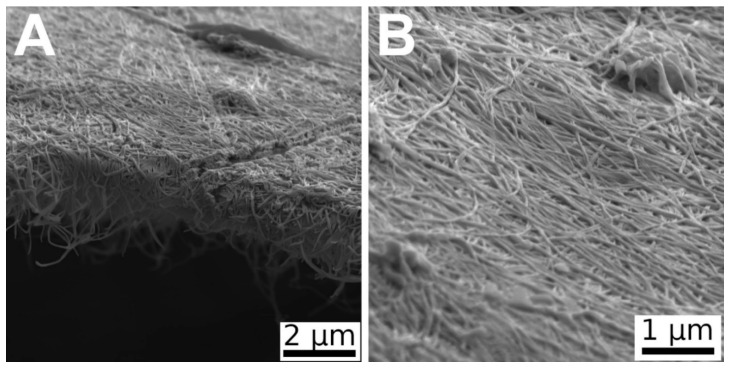
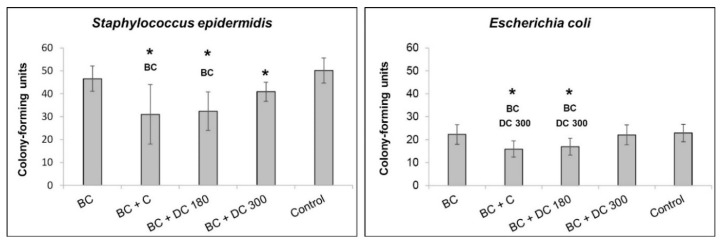
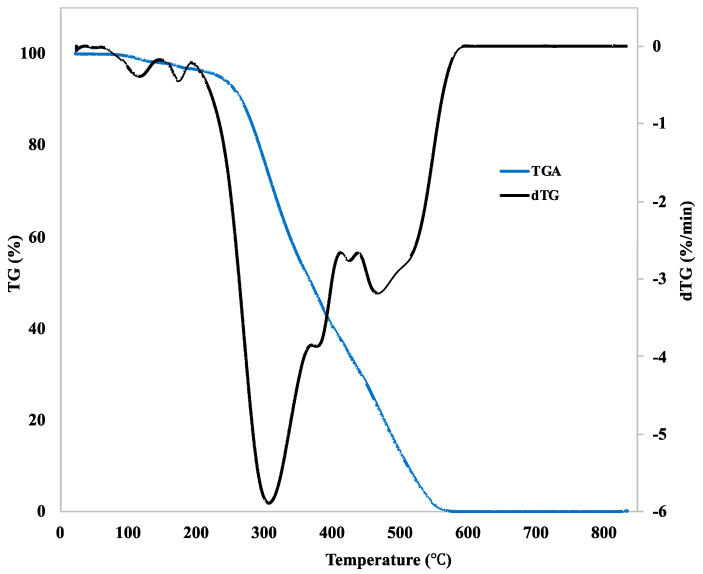
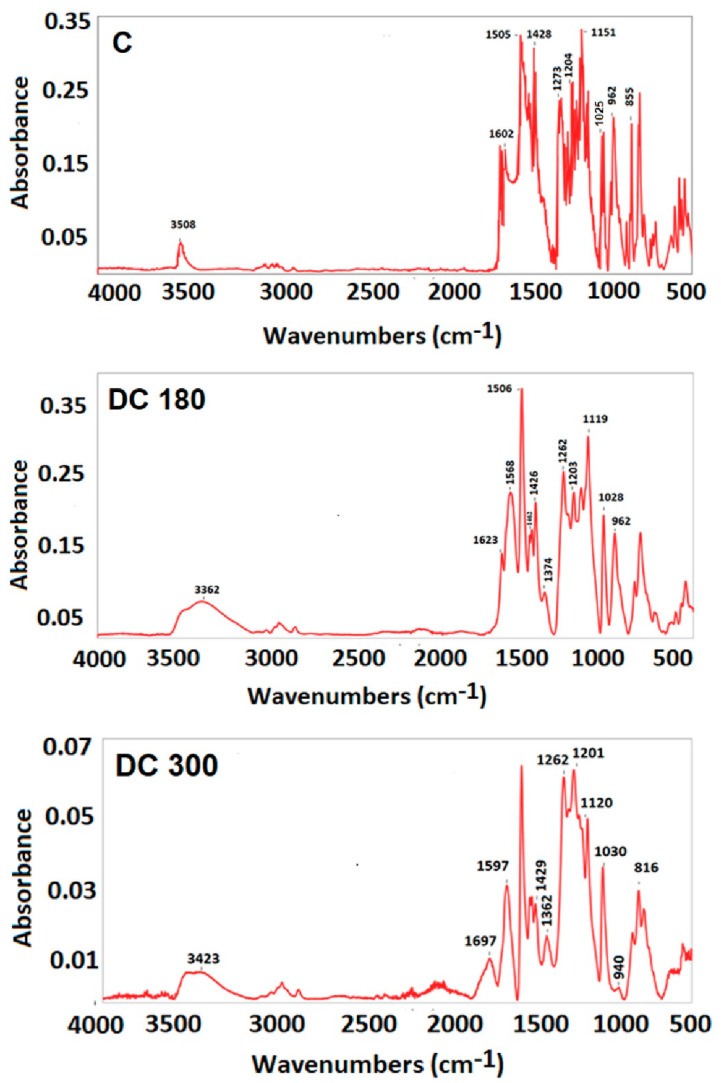
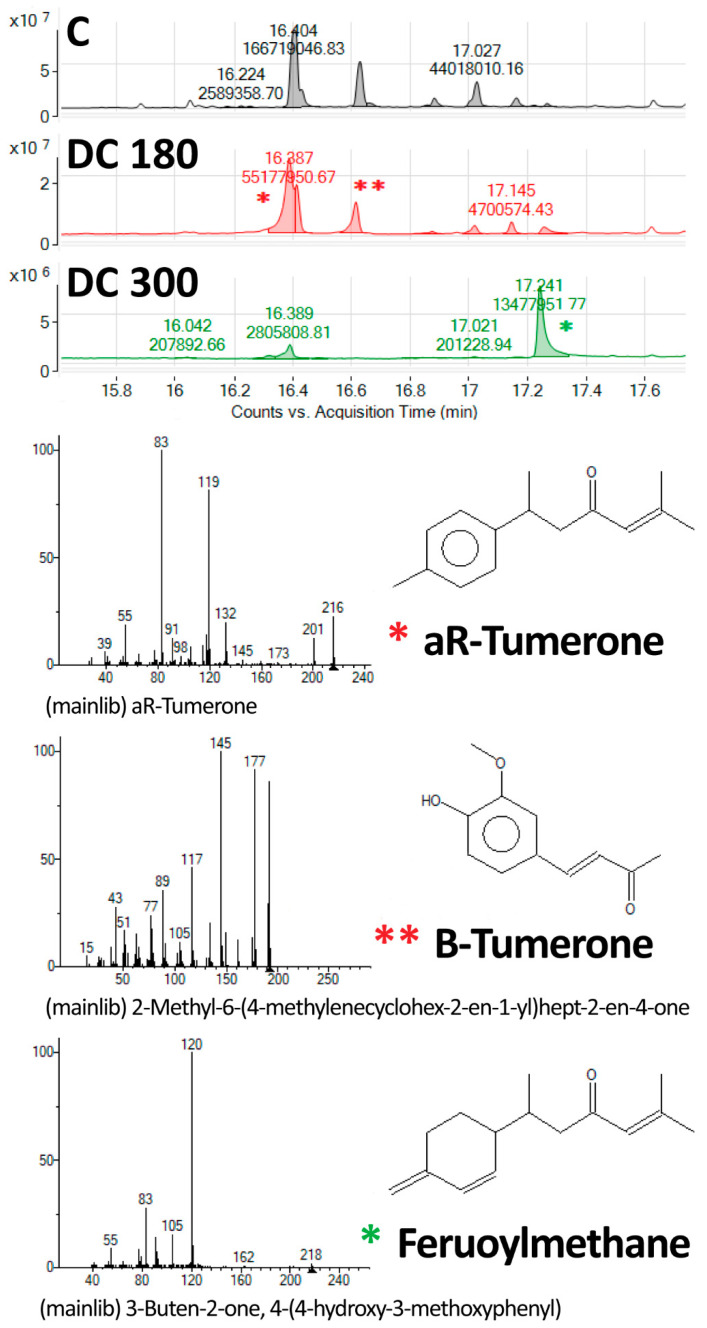
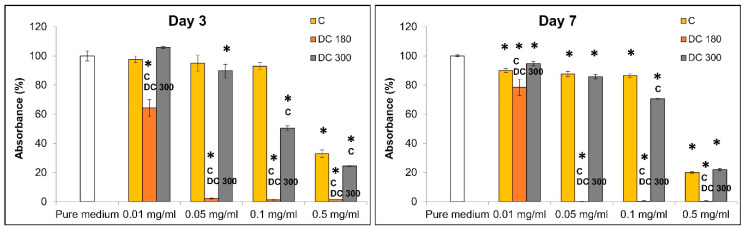
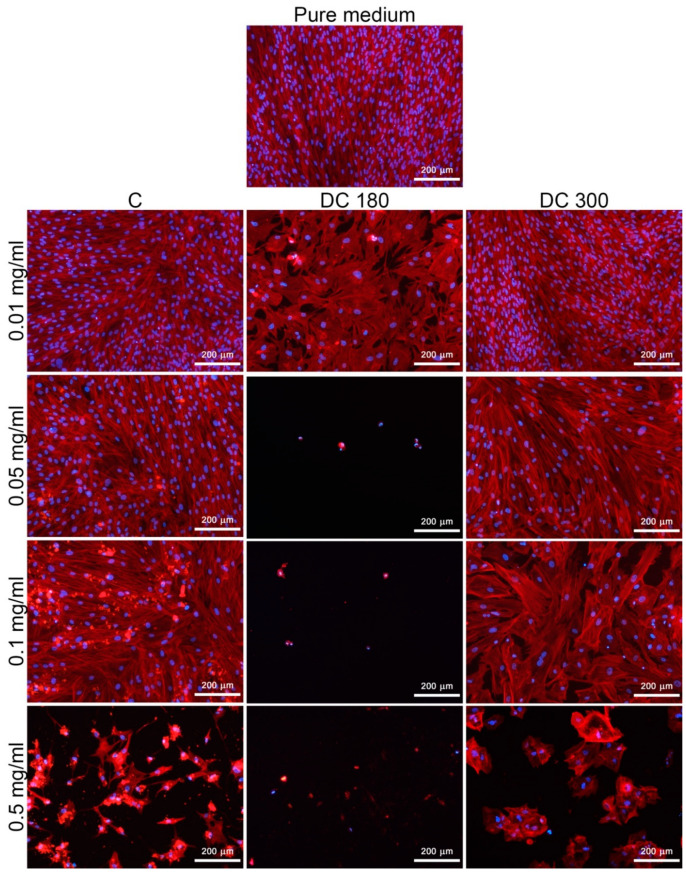
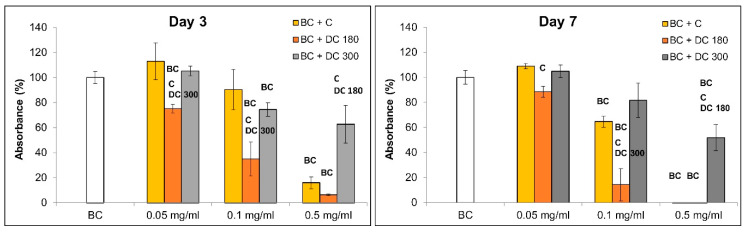
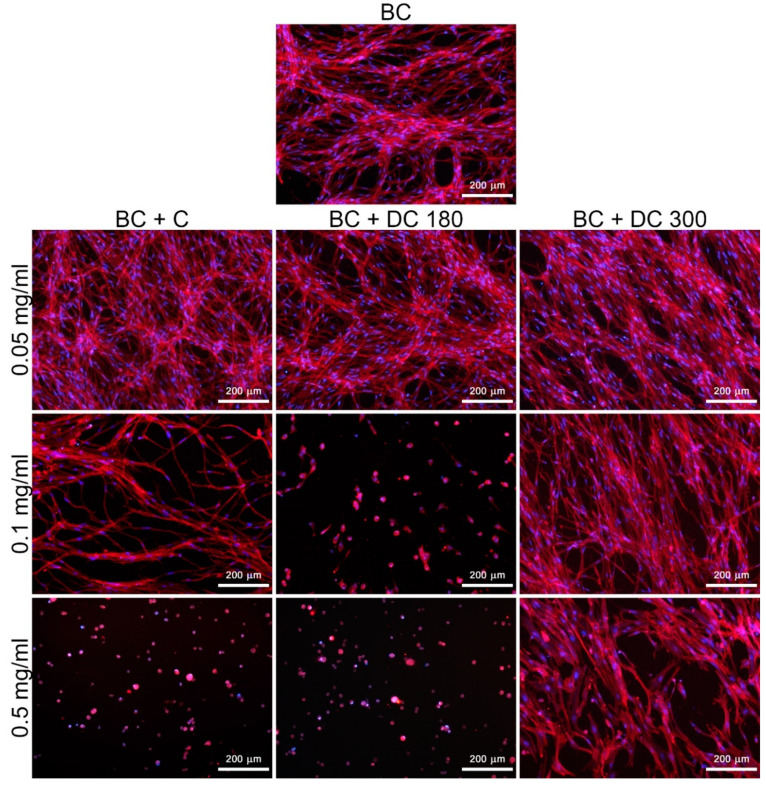
Bacterial nanocellulose has found applications in tissue engineering, in skin tissue repair, and in wound healing. Its large surface area enables the adsorption of various substances. Bacterial nanocellulose with adsorbed substances can serve as a substrate for drug-delivery of specific bioactive healing agents into wounds. In this study, we loaded a bacterial nanocellulose hydrogel with curcumin, i.e., an important anti-bacterial and healing agent, and its degradation products. These products were prepared by thermal decomposition of curcumin (DC) at a temperature of 180 °C (DC 180) or of 300 °C (DC 300). The main thermal decomposition products were tumerone, vanillin, and feruloylmethane. Curcumin and its degradation products were loaded into the bacterial nanocellulose by an autoclaving process. The increased temperature during autoclaving enhanced the solubility and the penetration of the agents into the nanocellulose. The aim of this study was to investigate the cytotoxicity and the antimicrobial activity of pure curcumin, its degradation products, and finally of bacterial nanocellulose loaded with these agents. In vitro tests performed on human dermal fibroblasts revealed that the degradation products of curcumin, i.e., DC 180 and DC 300, were more cytotoxic than pure curcumin. However, if DC 300 was loaded into nanocellulose, the cytotoxic effect was not as strong as in the case of DC 300 powder added into the culture medium. DC 300 was found to be the least soluble product in water, which probably resulted in the poor loading of this agent into the nanocellulose. Nanocellulose loaded with pure curcumin or DC 180 exhibited more antibacterial activity than pristine nanocellulose.
细菌纳米纤维素已在组织工程、皮肤组织修复和伤口愈合中得到应用。其大表面积能够吸附各种物质。带有吸附物质的细菌纳米纤维素可作为将特定生物活性愈合剂递送至伤口的药物载体。在本研究中,我们将姜黄素(一种重要的抗菌和愈合剂)及其降解产物负载到细菌纳米纤维素水凝胶中。这些产物是通过姜黄素(DC)在180℃(DC 180)或300℃(DC 300)温度下热分解制备的。主要热分解产物为姜黄酮、香草醛和阿魏酸甲酯。通过高压灭菌过程将姜黄素及其降解产物负载到细菌纳米纤维素中。高压灭菌过程中升高的温度增强了这些试剂在纳米纤维素中的溶解度和渗透性。本研究的目的是研究纯姜黄素、其降解产物以及最终负载有这些试剂的细菌纳米纤维素的细胞毒性和抗菌活性。对人皮肤成纤维细胞进行的体外测试表明,姜黄素的降解产物,即DC 180和DC 300,比纯姜黄素具有更强的细胞毒性。然而,如果将DC 300负载到纳米纤维素中,其细胞毒性作用不如将DC 300粉末添加到培养基中的情况那么强烈。发现DC 300是在水中溶解度最低的产物,这可能导致该试剂在纳米纤维素中的负载不佳。负载有纯姜黄素或DC 180的纳米纤维素比原始纳米纤维素表现出更强的抗菌活性。