Department of Fundamental Microbiology, Faculty of Biology and Medicine, University of Lausanne, Biophore Building, Lausanne 1015, Switzerland.
Division of Host-Microbe Systems and Therapeutics, Department of Pediatrics, School of Medicine, University of California, San Diego, La Jolla, CA, USA; Department of Microbiology and Environmental Toxicology, University of California, Santa Cruz, Santa Cruz, CA, USA.
Cell Host Microbe. 2021 Jan 13;29(1):107-120.e6. doi: 10.1016/j.chom.2020.10.001. Epub 2020 Oct 28.
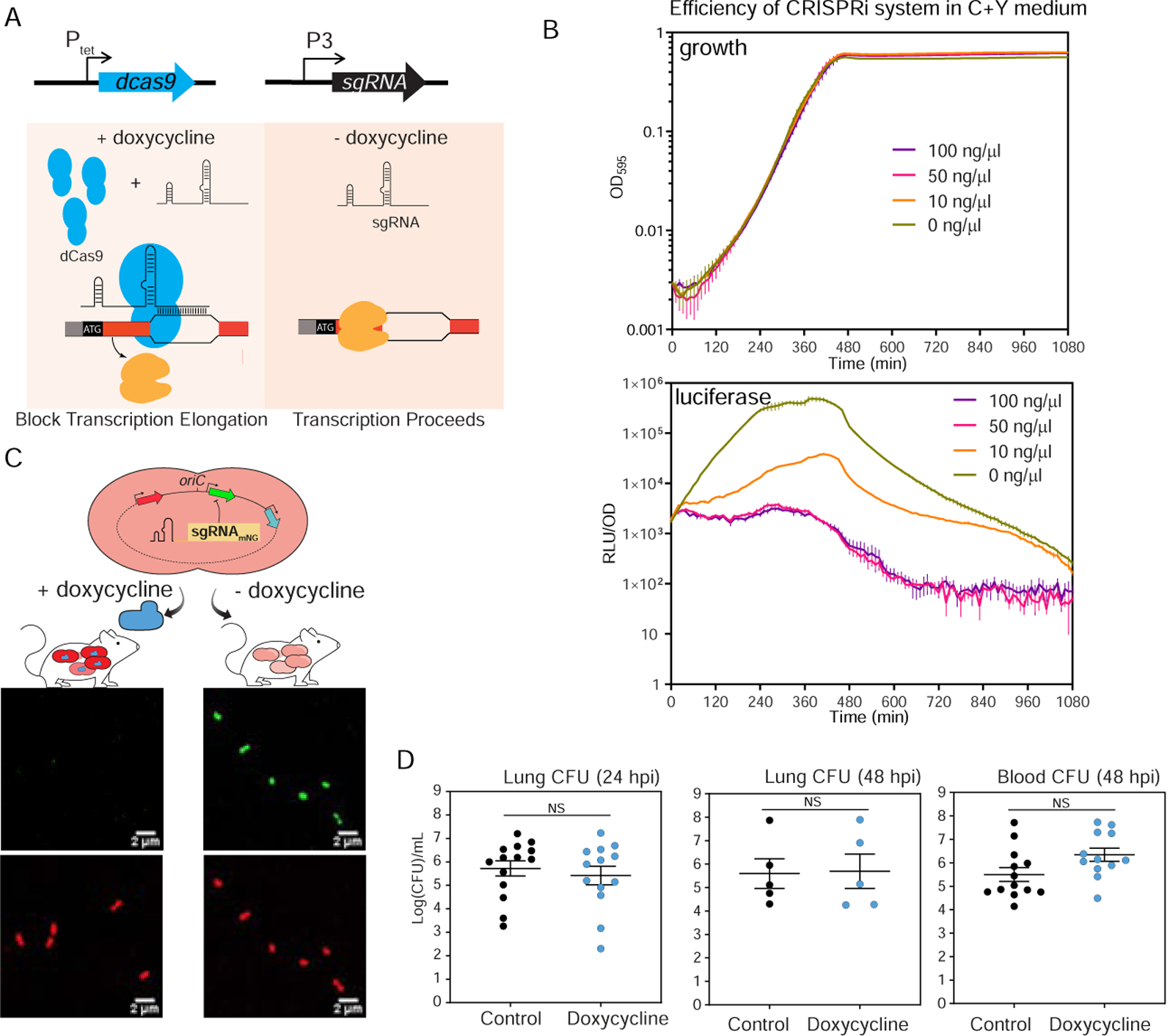
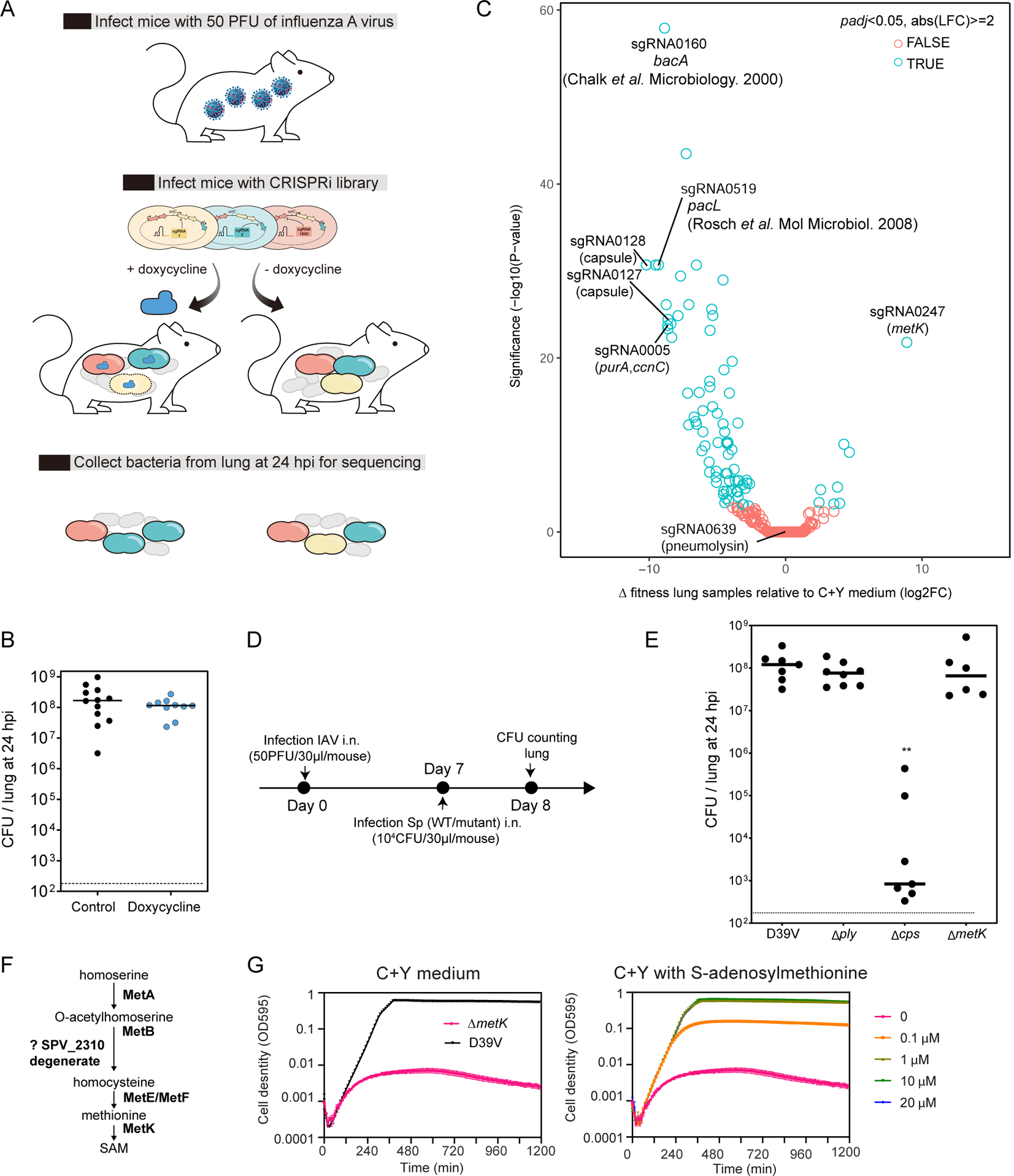
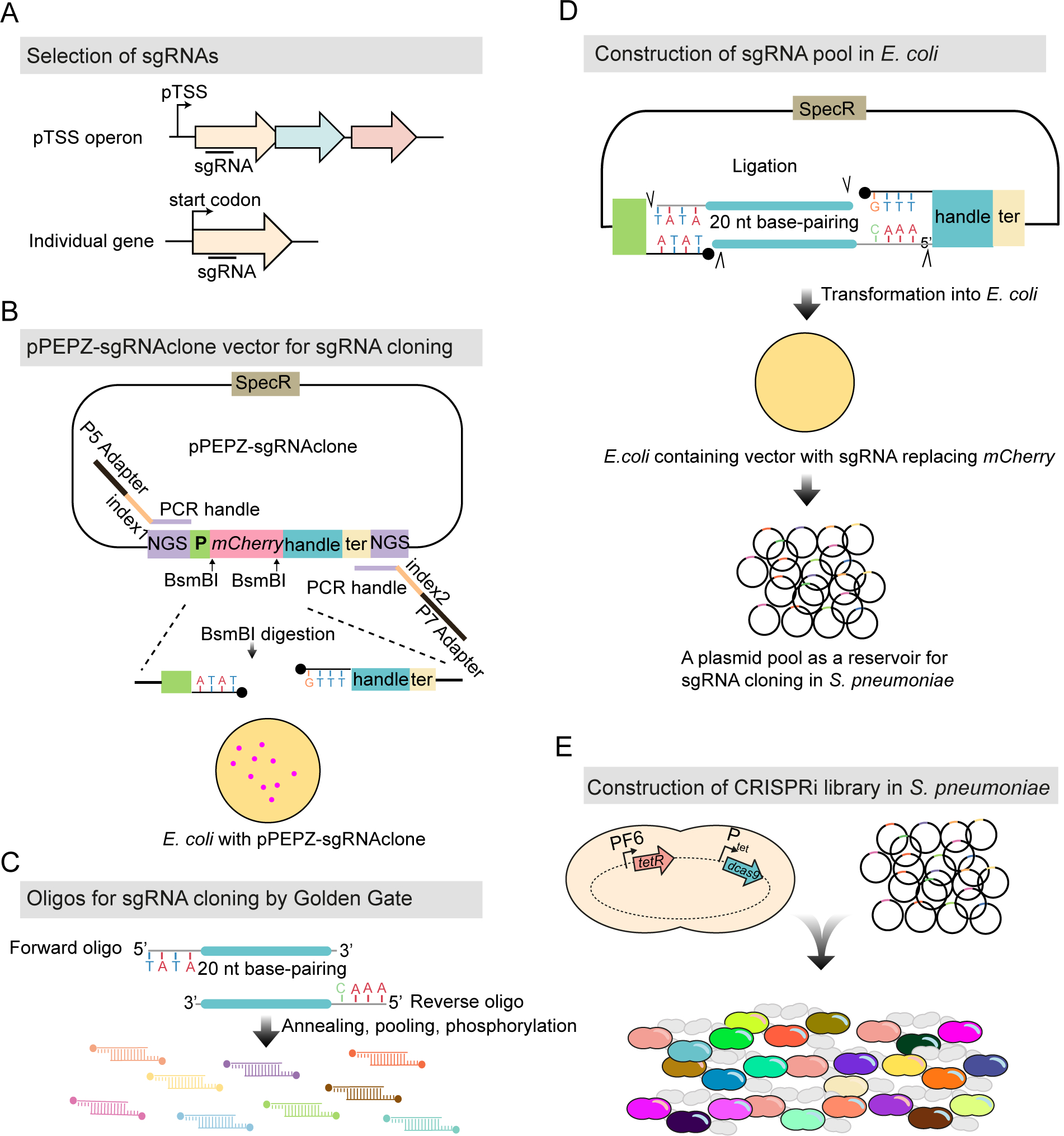
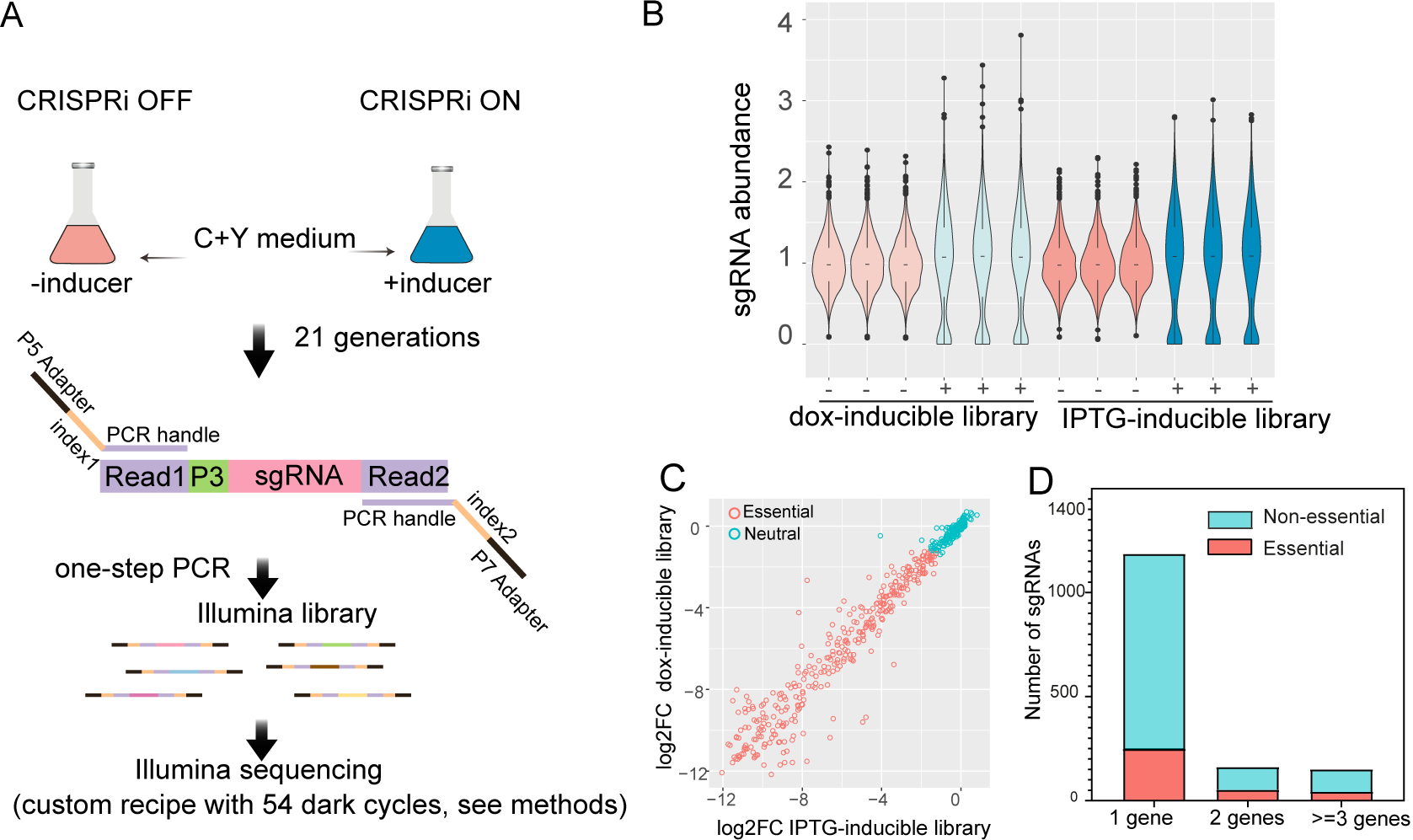
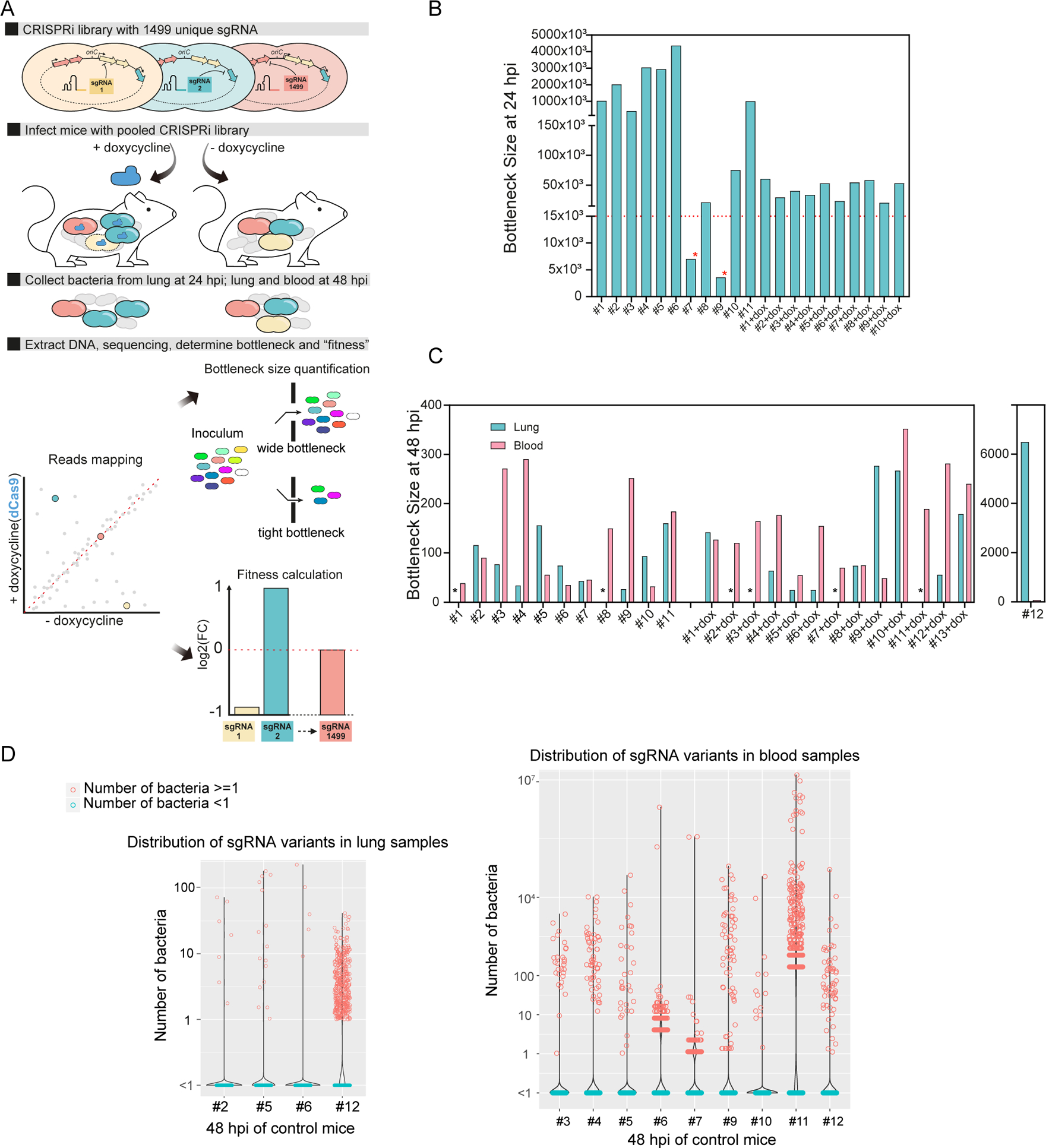
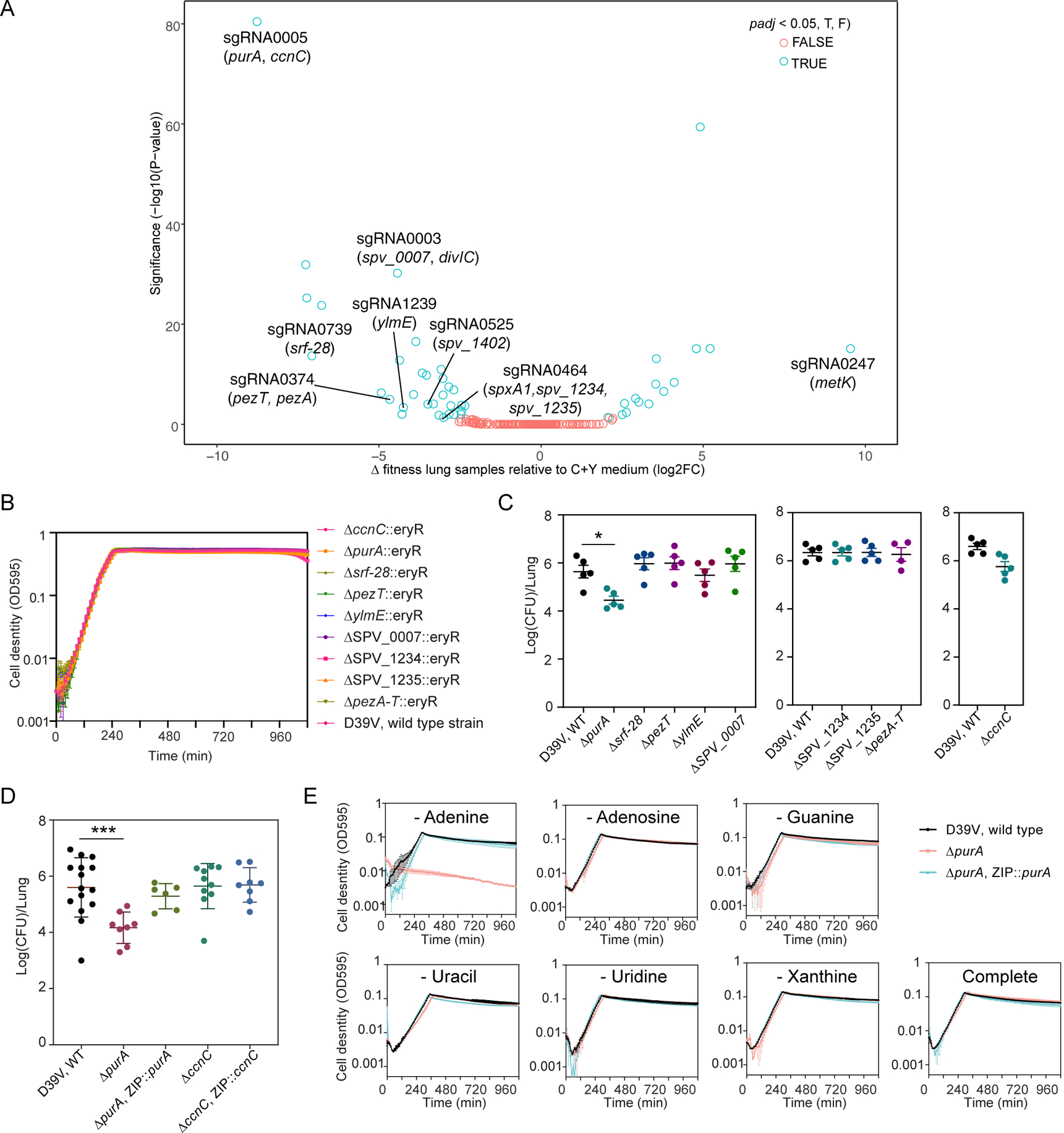
Streptococcus pneumoniae is an opportunistic human pathogen that causes invasive diseases, including pneumonia, with greater health risks upon influenza A virus (IAV) co-infection. To facilitate pathogenesis studies in vivo, we developed an inducible CRISPR interference system that enables genome-wide fitness testing in one sequencing step (CRISPRi-seq). We applied CRISPRi-seq to assess bottlenecks and identify pneumococcal genes important in a murine pneumonia model. A critical bottleneck occurs at 48 h with few bacteria causing systemic infection. This bottleneck is not present during IAV superinfection, facilitating identification of pneumococcal pathogenesis-related genes. Top in vivo essential genes included purA, encoding adenylsuccinate synthetase, and the cps operon required for capsule production. Surprisingly, CRISPRi-seq indicated no fitness-related role for pneumolysin during superinfection. Interestingly, although metK (encoding S-adenosylmethionine synthetase) was essential in vitro, it was dispensable in vivo. This highlights advantages of CRISPRi-seq over transposon-based genetic screens, as all genes, including essential genes, can be tested for pathogenesis potential.
肺炎链球菌是一种机会性人类病原体,可引起侵袭性疾病,包括肺炎,与甲型流感病毒(IAV)合并感染时健康风险更大。为了促进体内发病机制的研究,我们开发了一种诱导型 CRISPR 干扰系统,可在一个测序步骤中进行全基因组适应性测试(CRISPRi-seq)。我们应用 CRISPRi-seq 来评估瓶颈,并确定在小鼠肺炎模型中重要的肺炎球菌基因。在 48 小时时出现一个关键瓶颈,仅有少数细菌引起全身感染。IAV 再感染时不存在这个瓶颈,这有利于确定肺炎球菌发病相关基因。体内最重要的必需基因包括编码腺嘌呤琥珀酸合酶的 purA 基因和用于荚膜生成的 cps 操纵子。令人惊讶的是,CRISPRi-seq 表明肺炎溶素在再感染期间与适应性无关。有趣的是,尽管 metK(编码 S-腺苷甲硫氨酸合成酶)在体外是必需的,但在体内是可有可无的。这突出了 CRISPRi-seq 相对于转座子遗传筛选的优势,因为所有基因,包括必需基因,都可以测试其发病潜力。