Neurovirology Laboratory, Department of Medicine, University of Minnesota, Minneapolis, Minnesota, USA.
Glia. 2021 Apr;69(4):858-871. doi: 10.1002/glia.23932. Epub 2020 Oct 31.
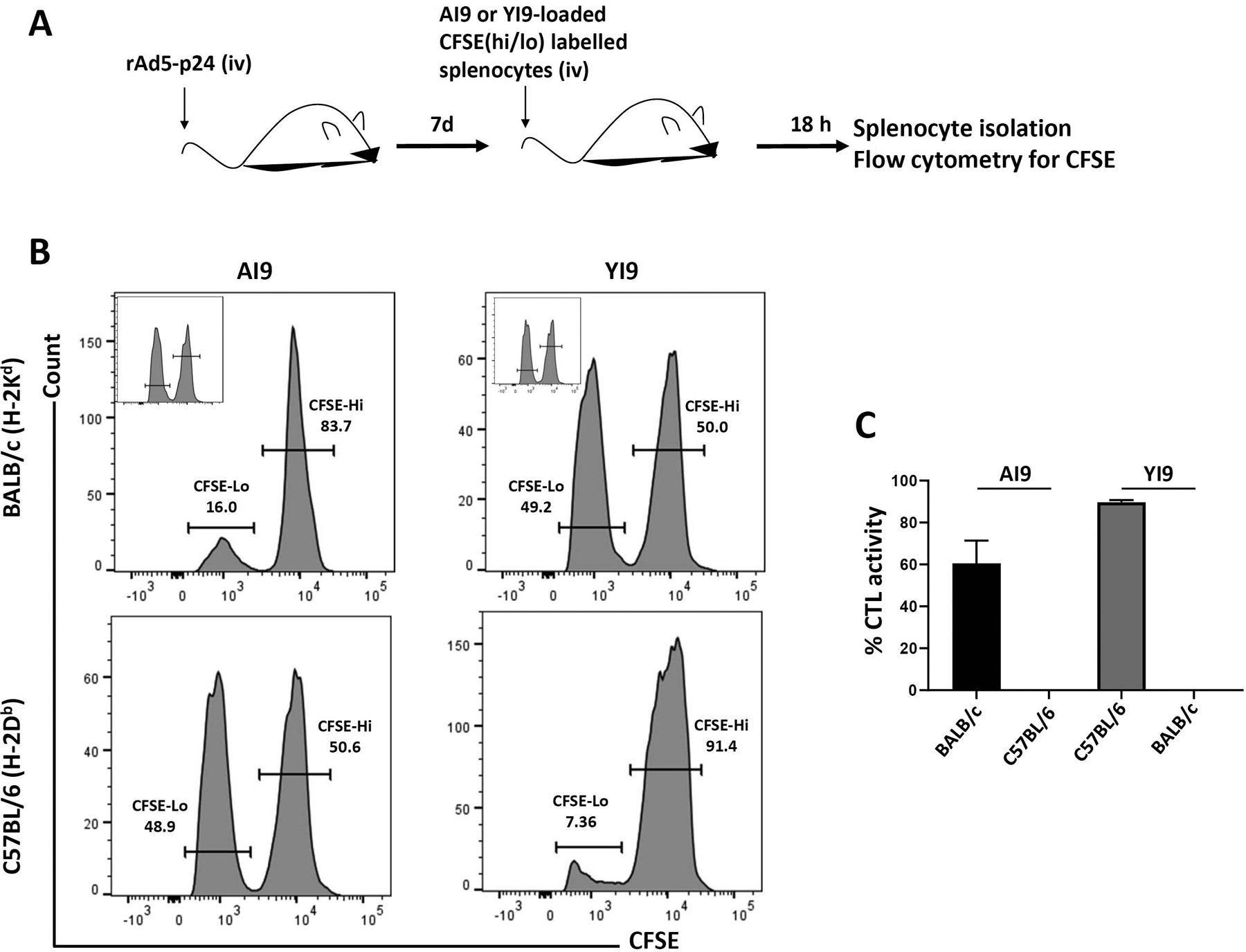
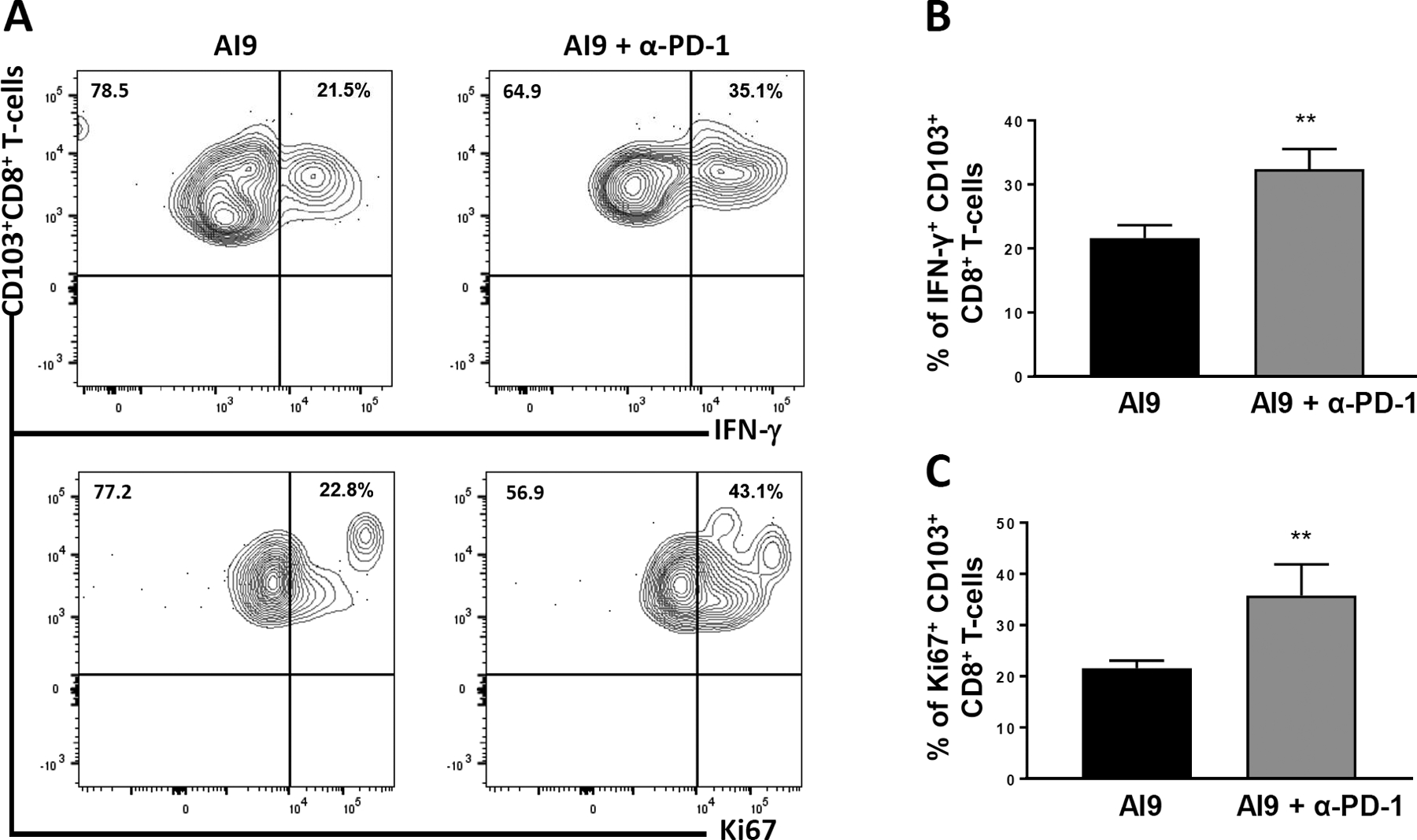
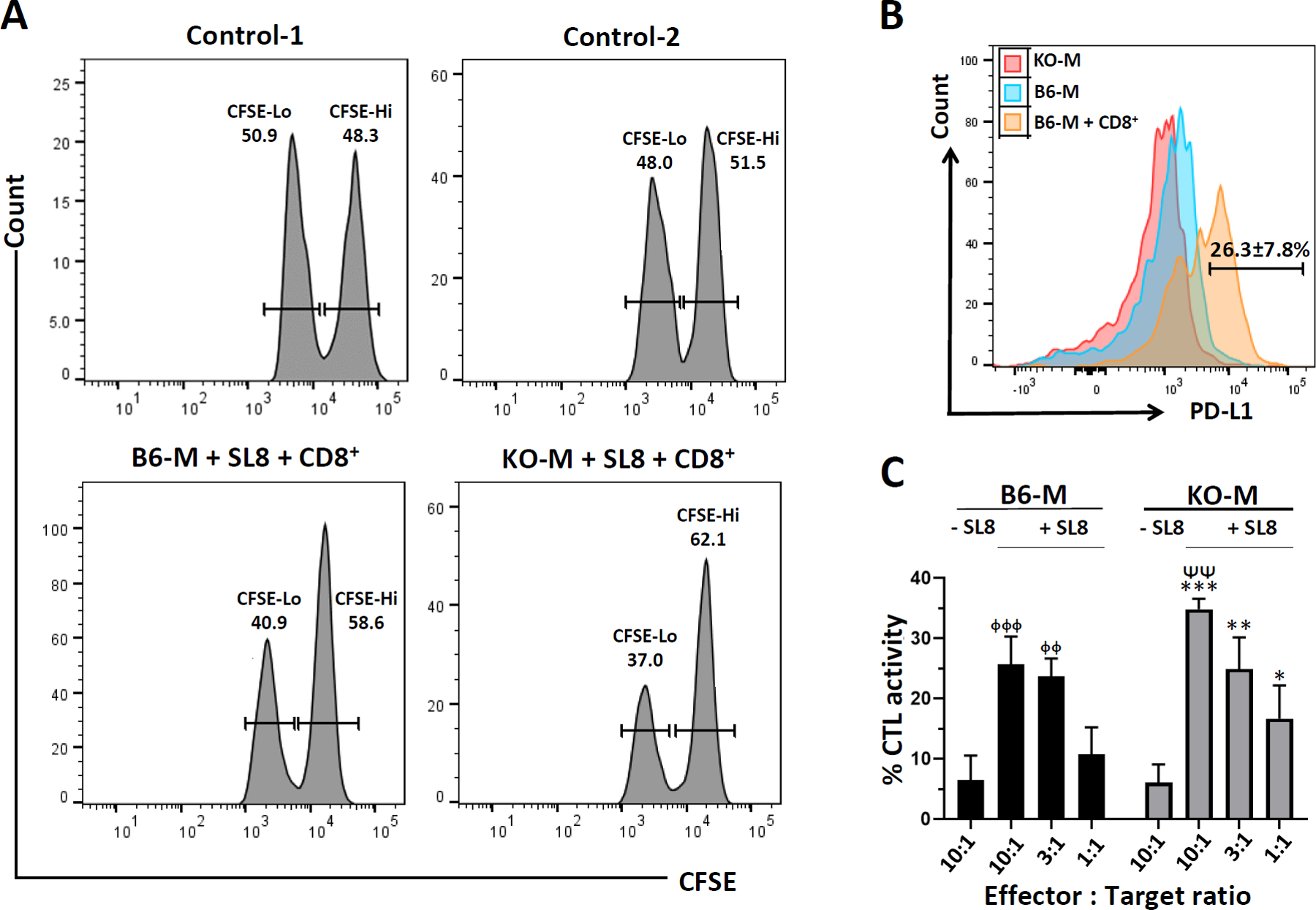
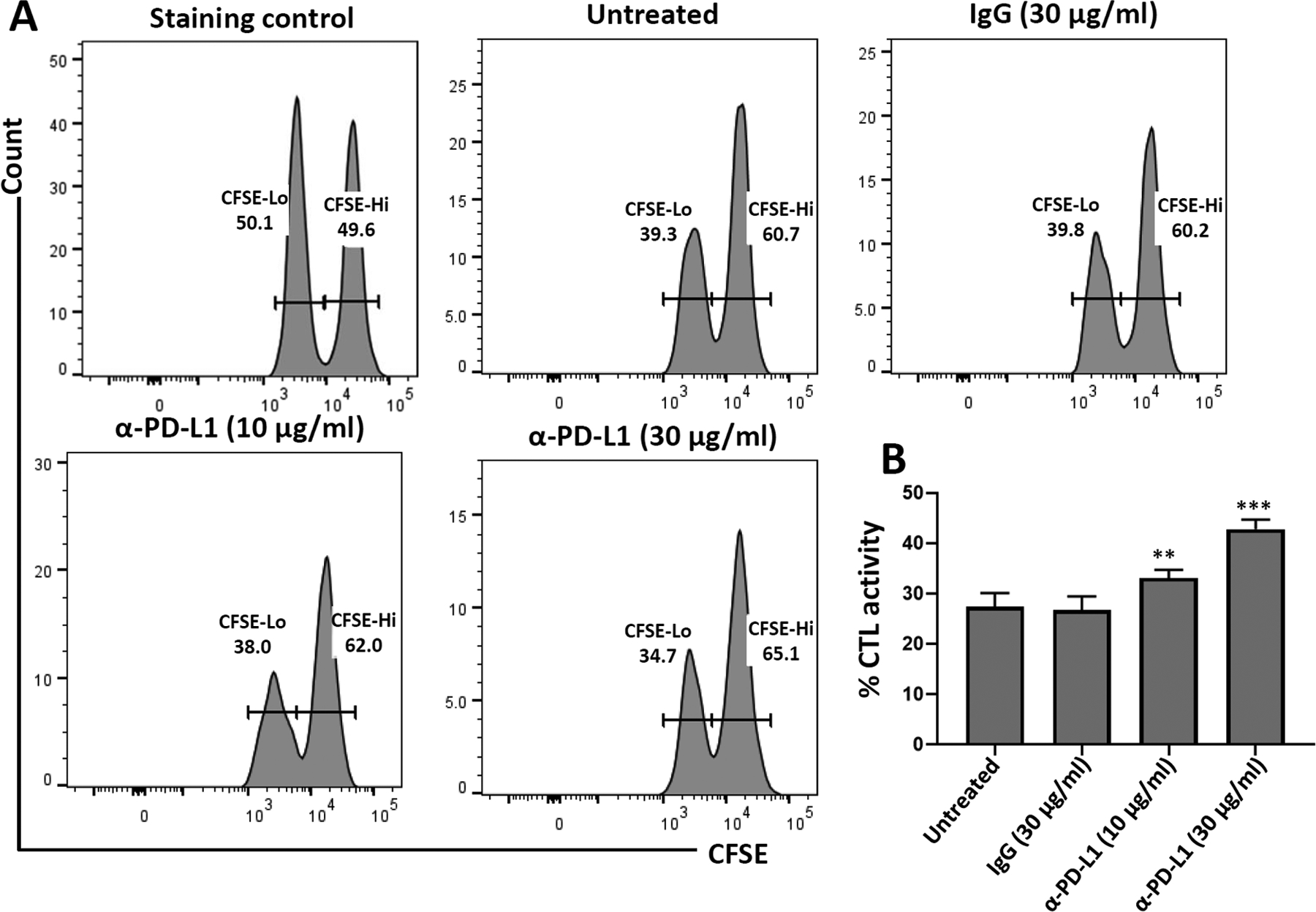
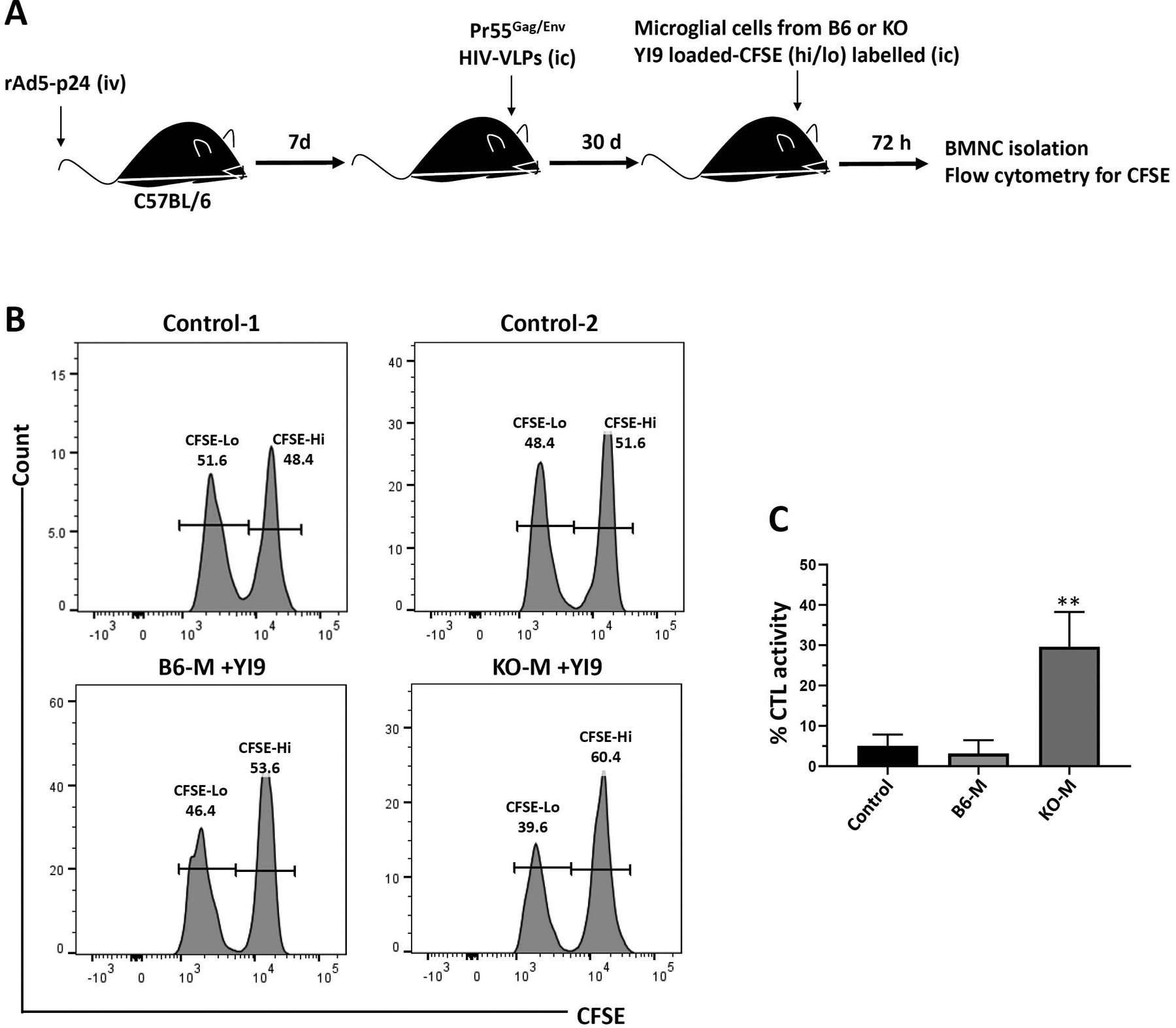
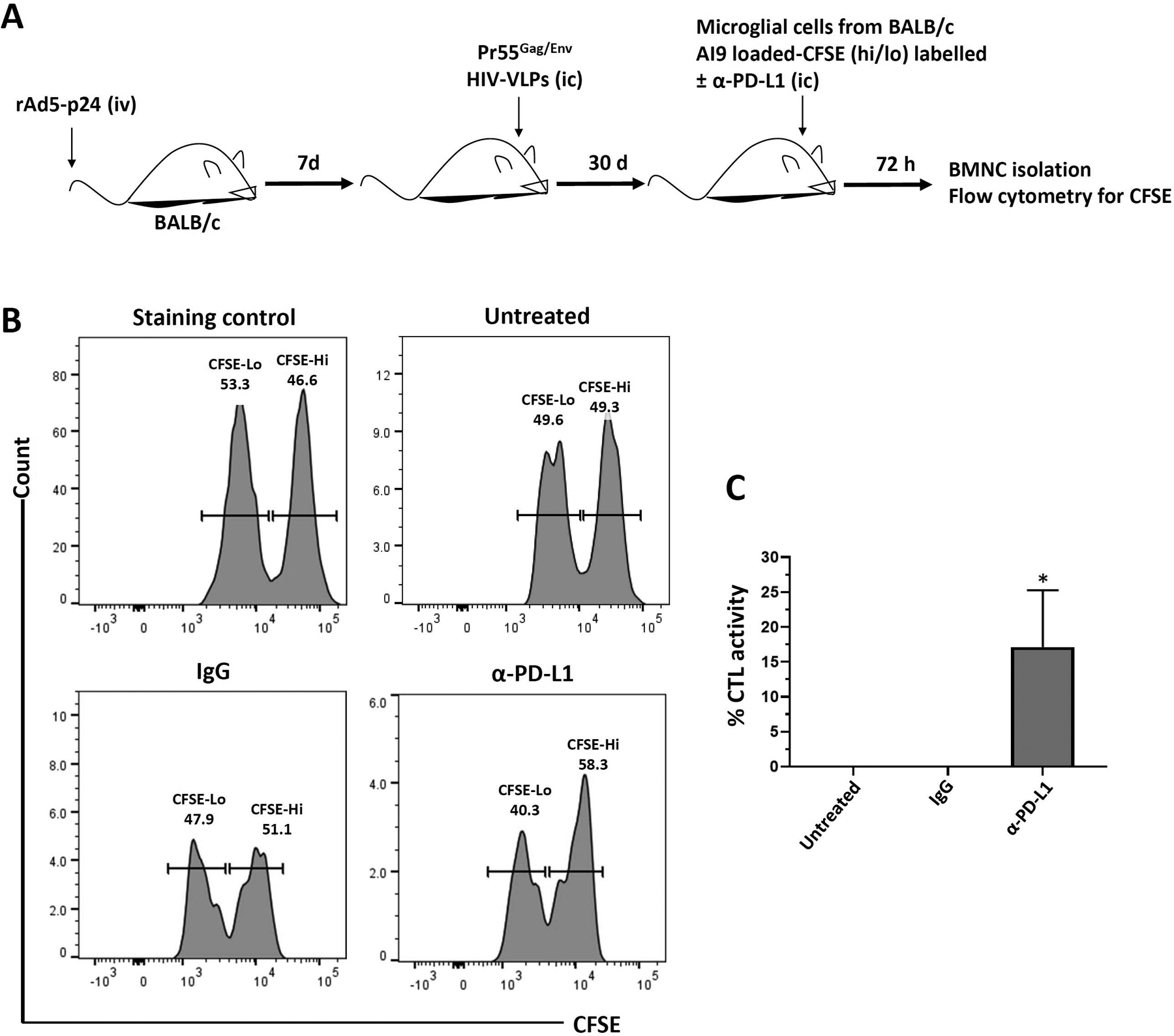
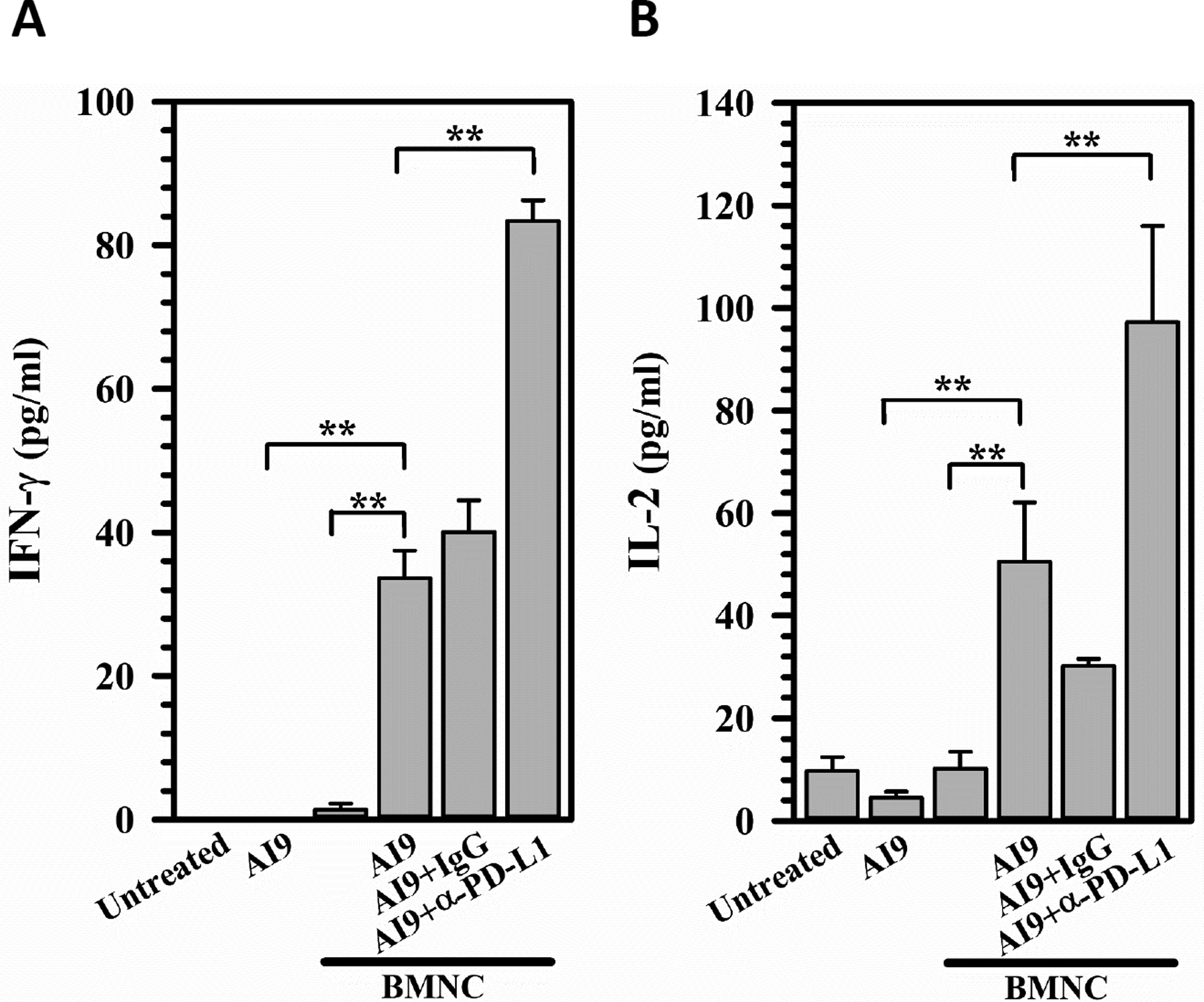
Microglial cells are the main reservoir for HIV-1 within the brain and potential exists for negative immune checkpoint blockade therapies to purge this viral reservoir. Here, we investigated cytolytic responses of CD8 T lymphocytes against microglia loaded with peptide epitopes. Initially, flow cytometric analysis demonstrated efficient killing of HIV-1 p24 AI9 or YI9 peptide-loaded splenocytes in MHC-matched recipients. Cytolytic killing of microglia was first demonstrated using ovalbumin (OVA) as a model antigen for in vitro cytotoxic T lymphocyte (CTL) assays. Peptide-loaded primary microglia obtained from programmed death ligand (PD-L) 1 knockout (KO) animals showed significantly more killing than cells from wild-type (WT) animals when co-cultured with activated CD8 T-cells isolated from rAd5-OVA primed animals. Moreover, when peptide loaded-microglial cells from WT animals were treated with neutralizing α-PD-L1 Ab, significantly more killing was observed compared to either untreated or IgG isotype-treated cells. Most importantly, significantly increased in vivo killing of HIV-1 p24 YI9 peptide-loaded microglia from PD-L1 KO animals, as well as AI9 peptide-loaded BALB/c microglial cells treated with α-PD-L1, was observed within brains of rAd5-p24 primed-CNS boosted C57BL/6 or BALB/c mice, respectively. Finally, ex vivo responses of brain CD8 T-cells in response to AI9 stimulation showed significantly increased IFN-γ and IL-2 production when treated with α-PD-1 Abs. Greater proliferation of CD8+ T-cells from the brain was also observed following blockade. Taken together, these studies demonstrate that PD-L1 induction on microglia restrains CTL responses and indicate that immune checkpoint blockade targeting this pathway may be beneficial in clearing viral brain reservoirs.
小胶质细胞是大脑中 HIV-1 的主要储存库,负性免疫检查点阻断疗法有可能清除这种病毒储存库。在这里,我们研究了 CD8 T 淋巴细胞对负载肽表位的小胶质细胞的细胞溶解反应。最初,流式细胞术分析表明,在 MHC 匹配的受者中,HIV-1 p24 AI9 或 YI9 肽负载的脾细胞的杀伤效率很高。首先使用卵清蛋白 (OVA) 作为体外细胞毒性 T 淋巴细胞 (CTL) 测定的模型抗原来证明小胶质细胞的细胞溶解杀伤。从程序性死亡配体 (PD-L) 1 敲除 (KO) 动物获得的负载肽的原代小胶质细胞与从 rAd5-OVA 启动的动物分离的激活的 CD8 T 细胞共培养时,比来自 WT 动物的细胞显示出明显更多的杀伤。此外,当用中和 α-PD-L1 Ab 处理来自 WT 动物的负载肽的小胶质细胞时,与未处理或 IgG 同种型处理的细胞相比,观察到明显更多的杀伤。最重要的是,在 rAd5-p24 启动的 CNS 增强的 C57BL/6 或 BALB/c 小鼠中观察到 HIV-1 p24 YI9 肽负载的 PD-L1 KO 动物来源的小胶质细胞和用 α-PD-L1 处理的 AI9 肽负载的 BALB/c 小胶质细胞的体内杀伤明显增加。最后,在用 α-PD-1 Abs 处理后,AI9 刺激时大脑 CD8 T 细胞的体外反应显示 IFN-γ 和 IL-2 产生明显增加。阻断后也观察到大脑 CD8+T 细胞的增殖增加。总之,这些研究表明小胶质细胞上 PD-L1 的诱导抑制 CTL 反应,并表明针对该途径的免疫检查点阻断可能有益于清除病毒脑库。