Soldi Erika, Casey Catelyn, Murphy Brian R, Hodkinson Trevor R
School of Natural Sciences and Trinity Centre for Biodiversity Research, Trinity College Dublin, College Green, The University of Dublin, D02 PN40 Dublin 2, Ireland.
J Fungi (Basel). 2020 Oct 29;6(4):254. doi: 10.3390/jof6040254.
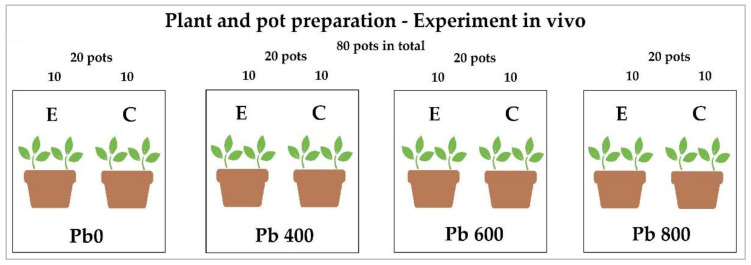
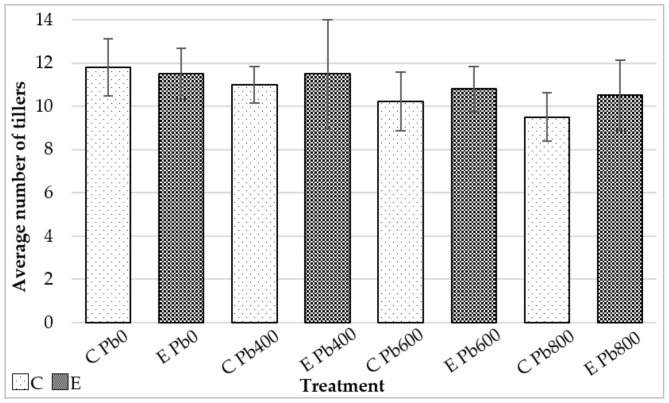
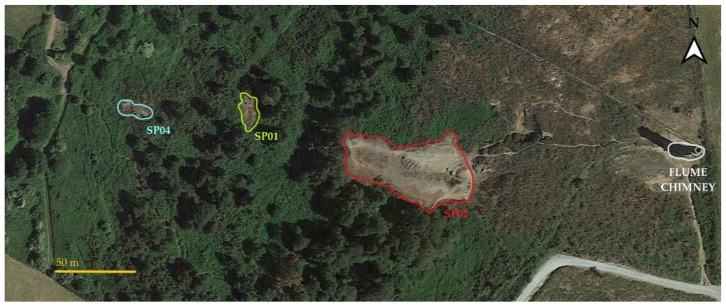
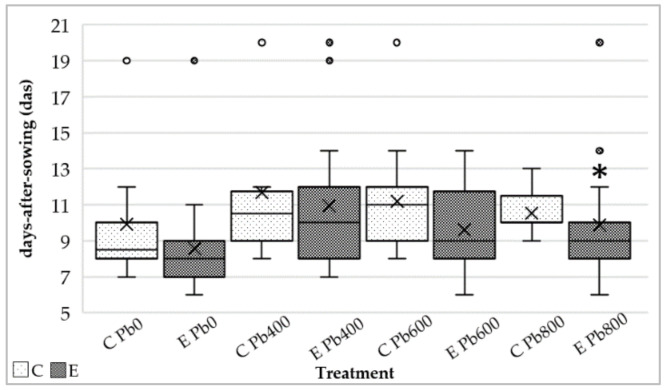
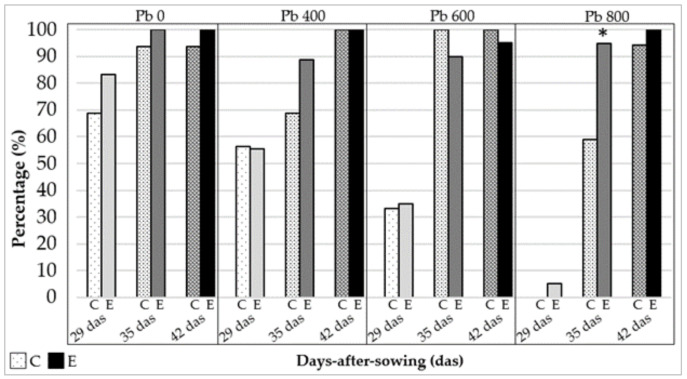
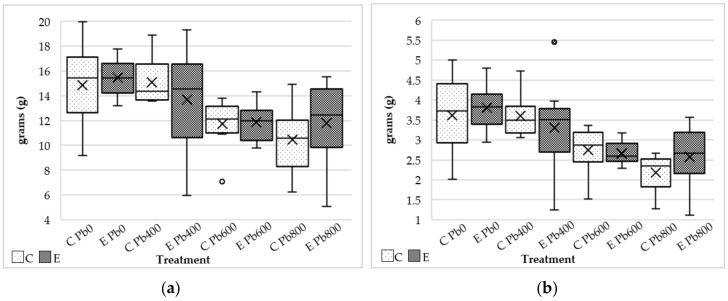
Bioremediation is an ecologically-friendly approach for the restoration of heavy metal-contaminated sites and can exploit environmental microorganisms such as bacteria and fungi. These microorganisms are capable of removing and/or deactivating pollutants from contaminated substrates through biological and chemical reactions. Moreover, they interact with the natural flora, protecting and stimulating plant growth in these harsh conditions. In this study, we isolated a group of endophytic fungi from grasses growing on toxic waste from an abandoned lead mine (up to 47,990 Pb mg/kg) and identified them using DNA sequencing (nrITS barcoding). The endophytes were then tested as a consortium of eight strains in a growth chamber experiment in association with the grass at increasing concentrations of lead in the soil to investigate how they influenced several growth parameters. As a general trend, plants treated with endophytes performed better compared to the controls at each concentration of heavy metal, with significant improvements in growth recorded at the highest concentration of lead (800 galena mg/kg). Indeed, this set of plants germinated and tillered significantly earlier compared to the control, with greater production of foliar fresh and dry biomass. Compared with the control, endophyte treated plants germinated more than 1-day earlier and produced 35.91% more plant tillers at 35 days-after-sowing. Our results demonstrate the potential of these fungal endophytes used in a consortium for establishing grassy plant species on lead contaminated soils, which may result in practical applications for heavy metal bioremediation.
生物修复是一种生态友好型的方法,用于修复重金属污染场地,并且可以利用细菌和真菌等环境微生物。这些微生物能够通过生物和化学反应从受污染的基质中去除和/或使污染物失活。此外,它们与天然植物群落相互作用,在这些恶劣条件下保护并刺激植物生长。在本研究中,我们从生长在废弃铅矿有毒废料(铅含量高达47,990毫克/千克)上的草中分离出一组内生真菌,并使用DNA测序(nrITS条形码)对其进行鉴定。然后,在温室实验中,将这些内生菌作为由八个菌株组成的联合体,与草一起种植在土壤铅浓度不断增加的环境中,以研究它们如何影响几个生长参数。总体趋势是,在每种重金属浓度下,用内生菌处理的植物比对照表现更好,在最高铅浓度(800毫克/千克方铅矿)下,生长有显著改善。事实上,这组植物与对照相比,发芽和分蘖明显更早,叶鲜重和干重产量更高。与对照相比,经内生菌处理的植物在播种后35天发芽时间提前超过1天,分蘖数量增加35.91%。我们的结果证明了这些联合使用的真菌内生菌在铅污染土壤上建立草本植物物种的潜力,这可能会在重金属生物修复方面产生实际应用。