Animal Ecology I, Bayreuth Center for Ecology and Environmental Research (BayCEER), University of Bayreuth, Universitätsstraße, Bayreuth, Germany.
Microbiology, Biocenter, University of Würzburg, Am Hubland, Würzburg, Germany.
Elife. 2020 Nov 3;9:e60287. doi: 10.7554/eLife.60287.
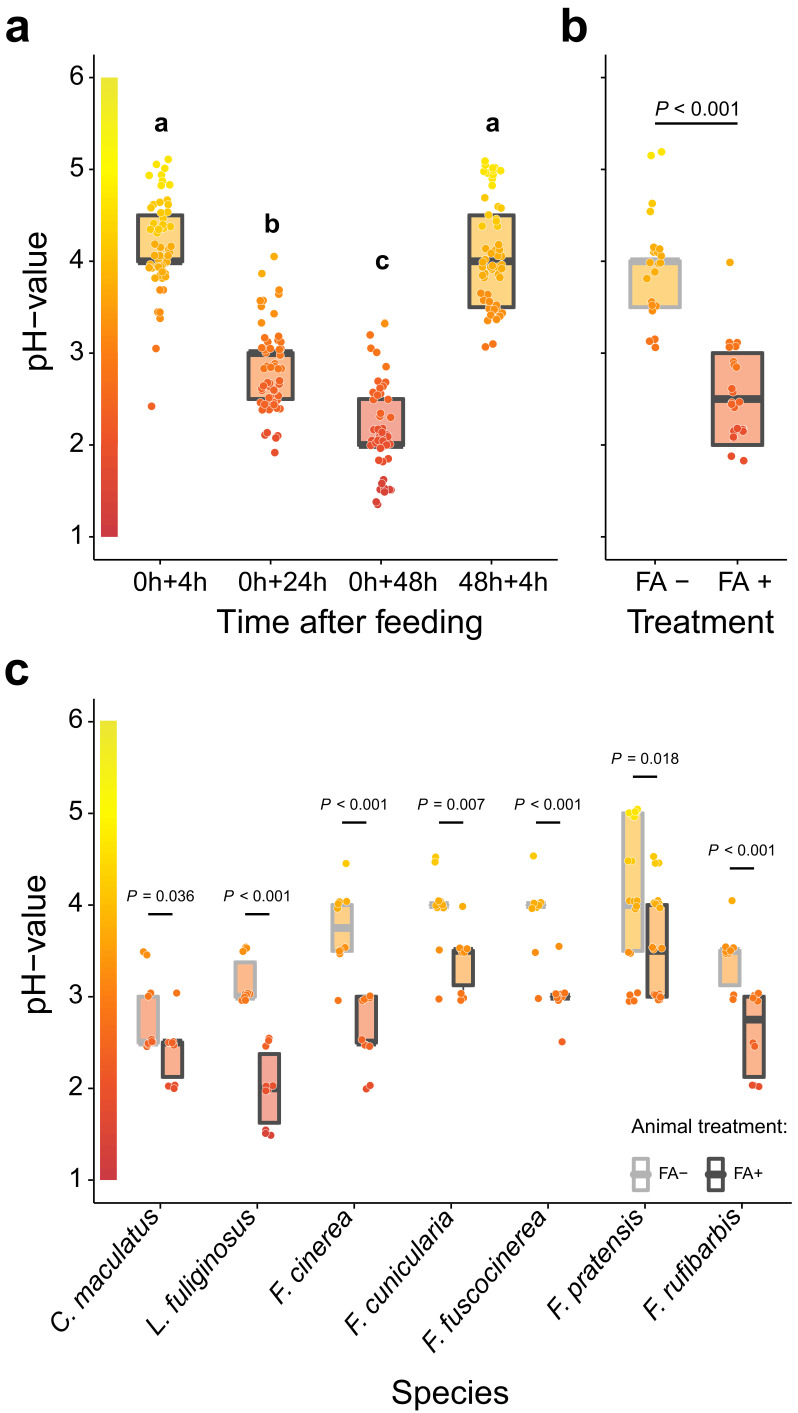
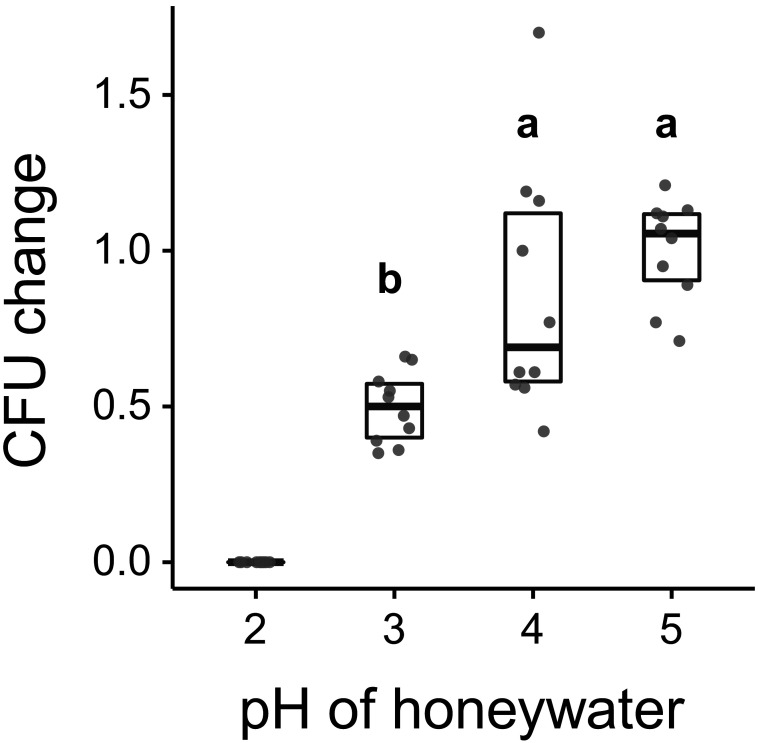
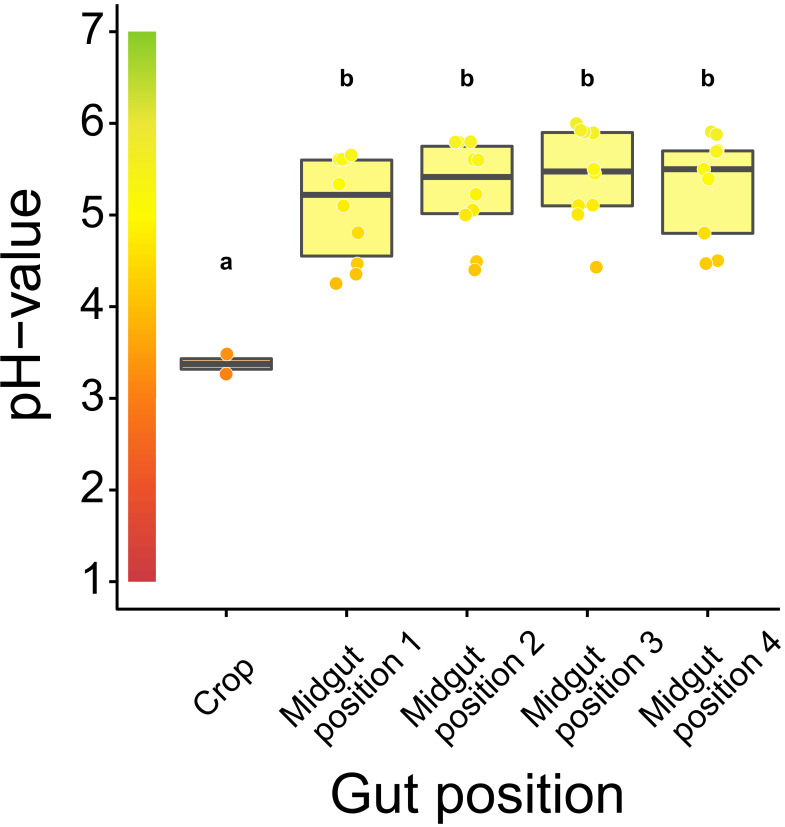
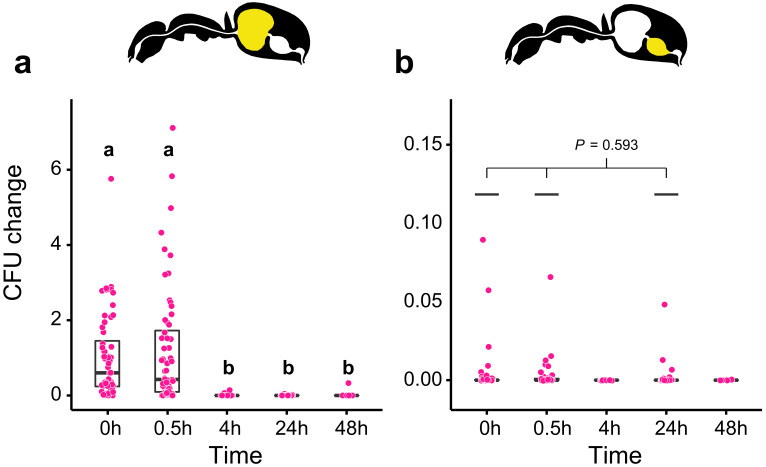
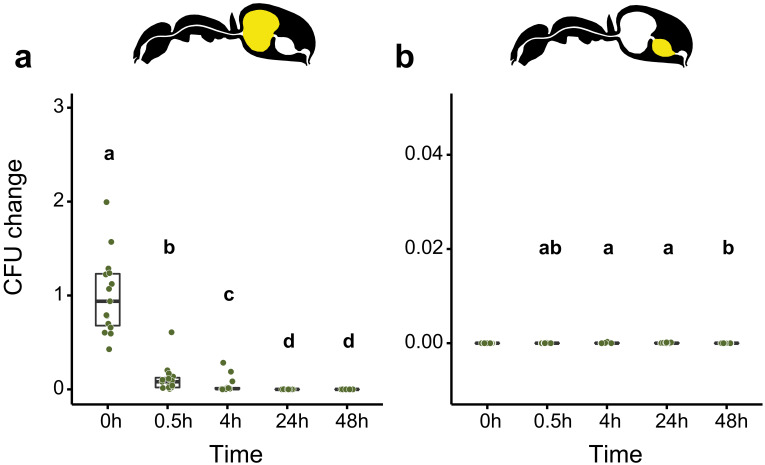
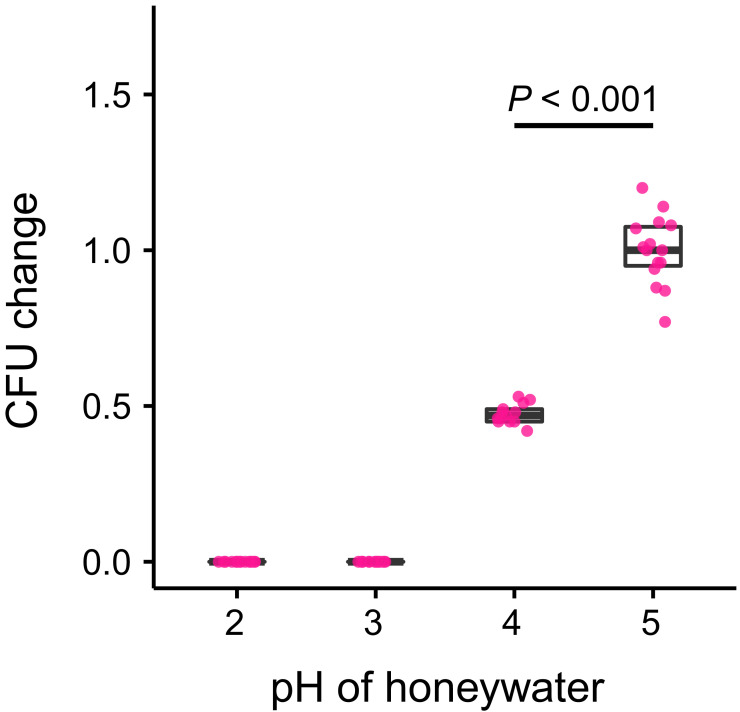
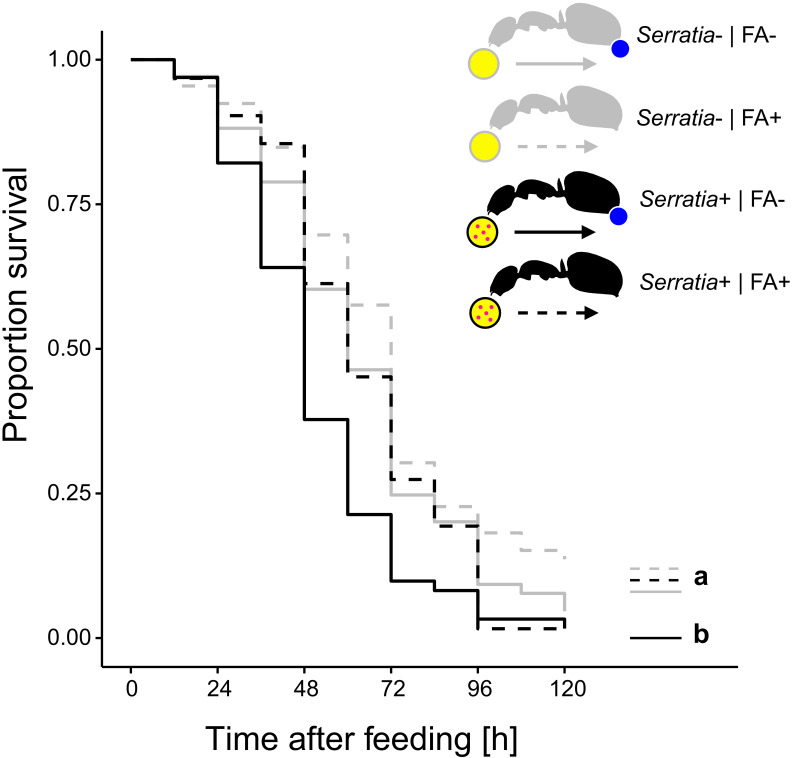
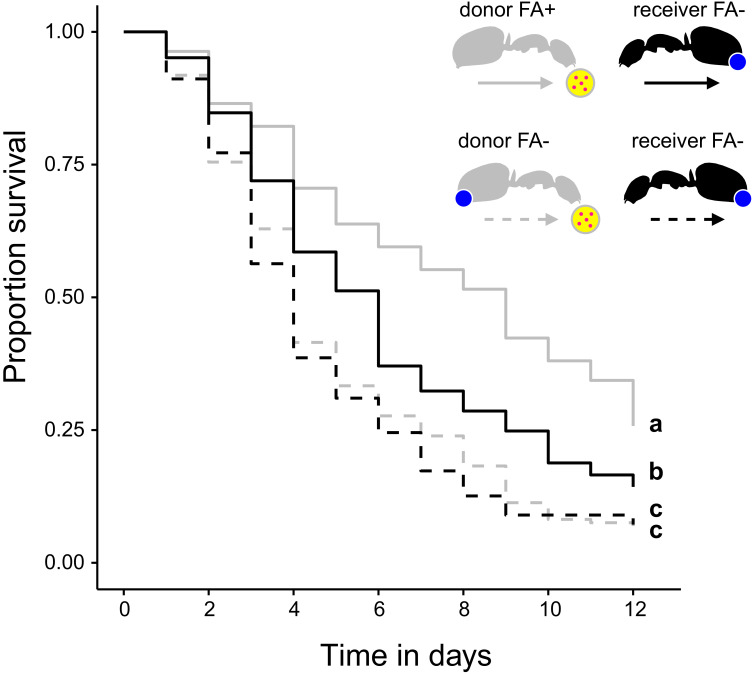
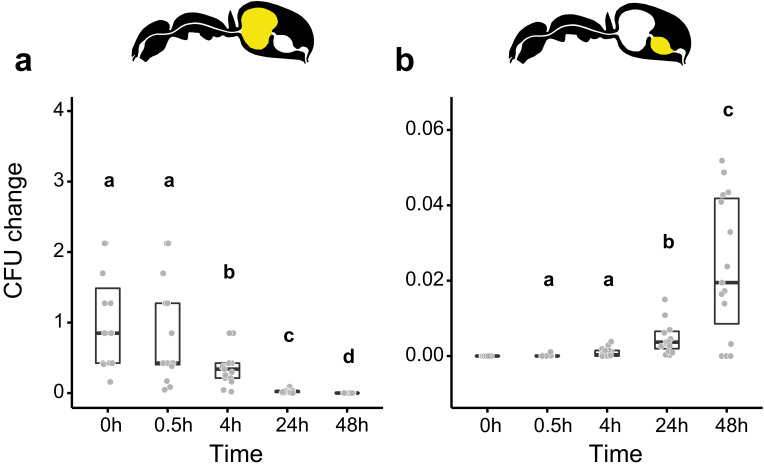
Animals continuously encounter microorganisms that are essential for health or cause disease. They are thus challenged to control harmful microbes while allowing the acquisition of beneficial microbes. This challenge is likely especially important for social insects with respect to microbes in food, as they often store food and exchange food among colony members. Here we show that formicine ants actively swallow their antimicrobial, highly acidic poison gland secretion. The ensuing acidic environment in the stomach, the crop, can limit the establishment of pathogenic and opportunistic microbes ingested with food and improve the survival of ants when faced with pathogen contaminated food. At the same time, crop acidity selectively allows acquisition and colonization by Acetobacteraceae, known bacterial gut associates of formicine ants. This suggests that swallowing of the poison in formicine ants acts as a microbial filter and that antimicrobials have a potentially widespread but so far underappreciated dual role in host-microbe interactions.
动物不断接触对健康至关重要或导致疾病的微生物。因此,它们面临着控制有害微生物的同时允许有益微生物获取的挑战。对于具有食物中微生物的社会性昆虫来说,这一挑战可能尤为重要,因为它们经常储存和在群体成员之间交换食物。在这里,我们表明,膜翅目蚂蚁会主动吞下具有抗菌作用、高度酸性的毒腺分泌物。胃和前胃中的酸性环境可以限制随食物摄入的病原微生物和机会性微生物的定植,并提高蚂蚁在面对被病原体污染的食物时的生存能力。同时,前胃的酸性选择性地允许醋酸菌科的获取和定植,已知的膜翅目蚂蚁肠道共生菌。这表明膜翅目蚂蚁的毒液吞咽作用作为一种微生物过滤器,抗菌剂在宿主-微生物相互作用中具有潜在的广泛但迄今未被充分认识的双重作用。