Key Laboratory for Plant Diversity and Biogeography of East Asia, Kunming Institute of Botany, Chinese Academy of Science, Kunming, 650204, China.
Plant Germplasm and Genomics Center, Kunming Institute of Botany, Chinese Academy of Sciences, Kunming, 650201, China.
BMC Plant Biol. 2020 Nov 4;20(1):504. doi: 10.1186/s12870-020-02697-6.
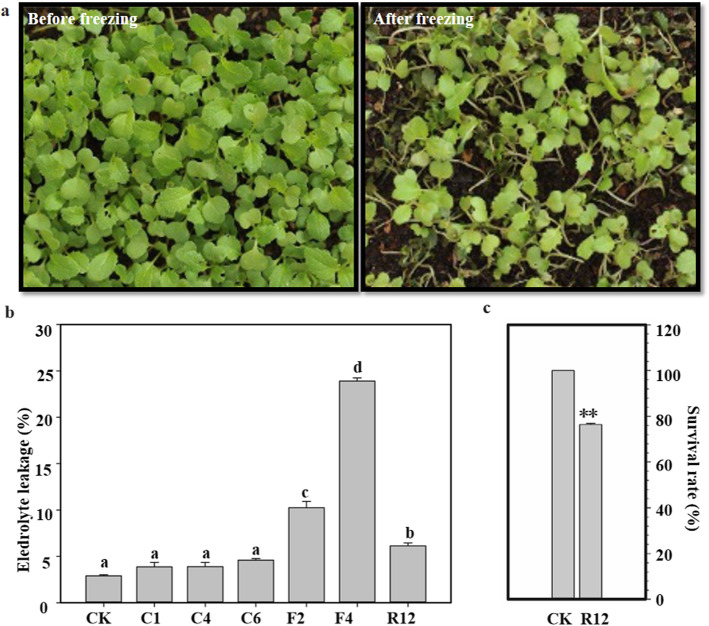
In the agricultural areas of Qinghai-Tibet Plateau, temperature varies widely from day to night during the growing season, which makes the extreme temperature become one of the limiting factors of crop yield. Turnip (Brassica rapa var. rapa) is a traditional crop of Tibet grown in the Tibet Plateau, but its molecular and metabolic mechanisms of freezing tolerance are unclear.
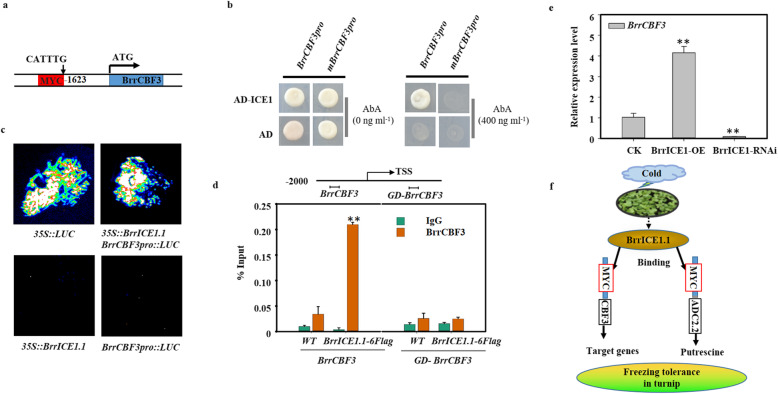
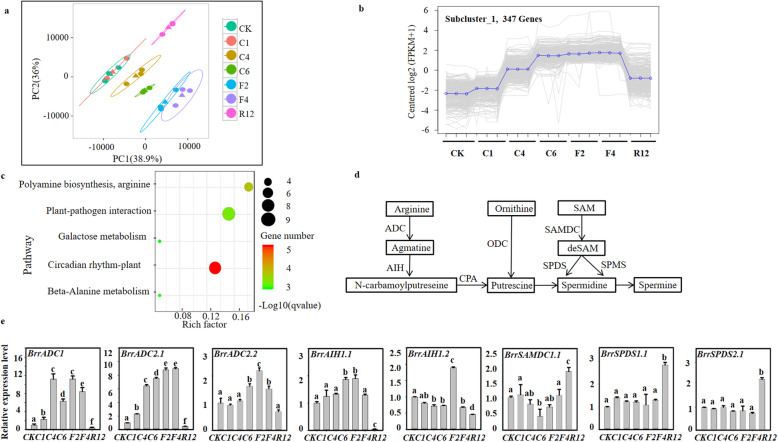
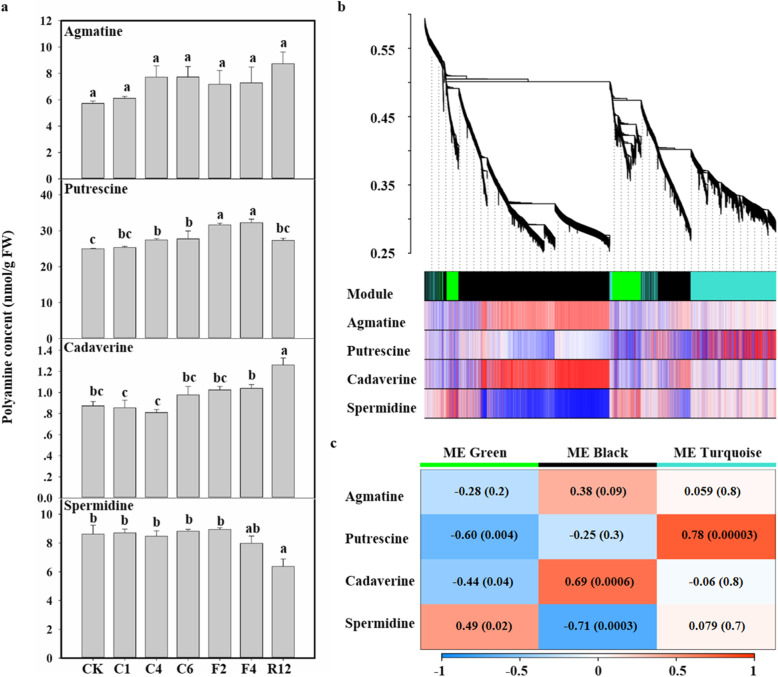
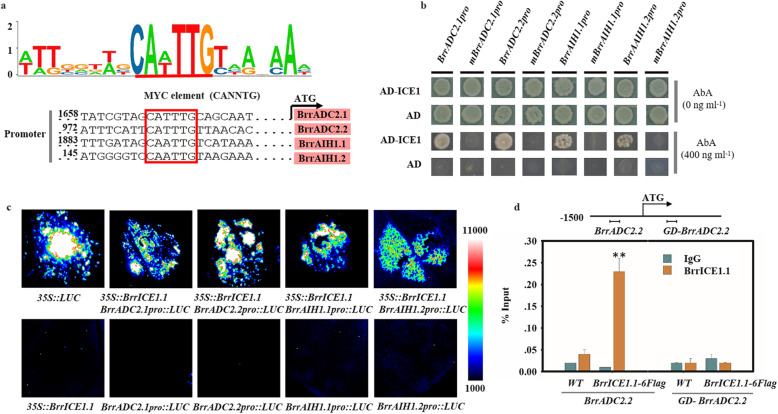
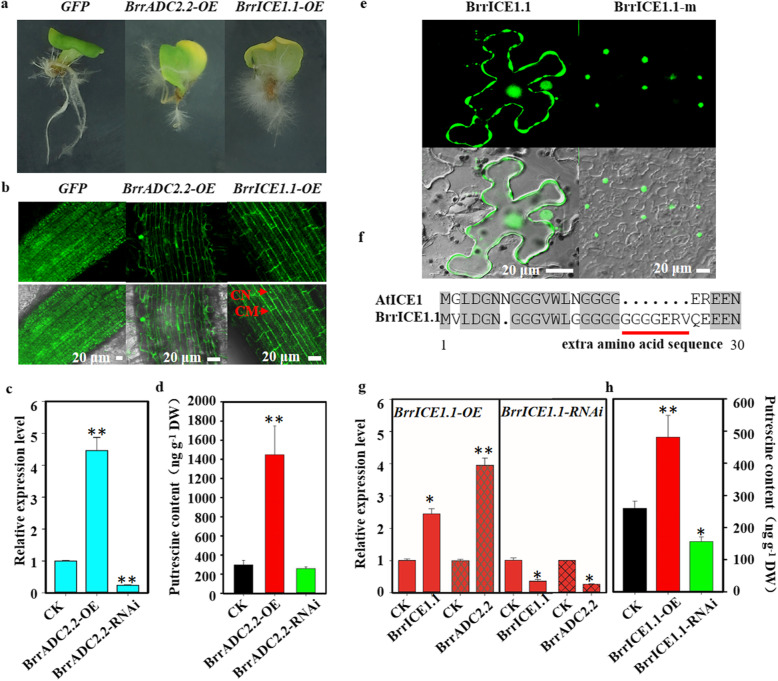
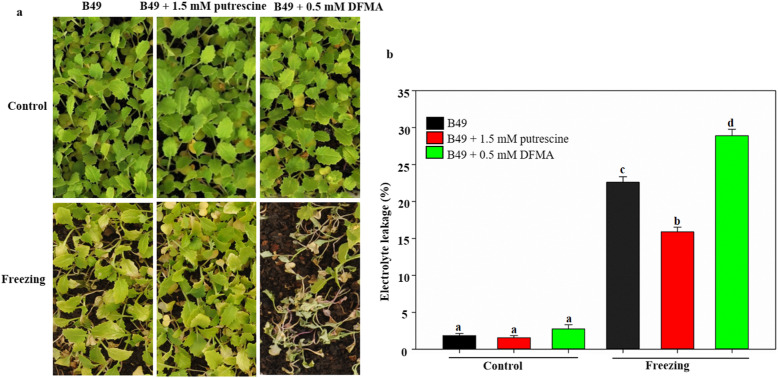
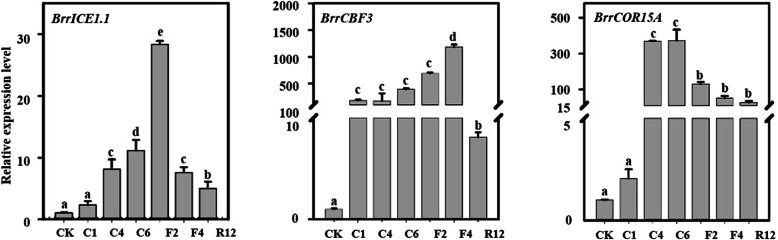
Here, based on the changes in transcriptional and metabolic levels of Tibetan turnip under freezing treatment, the expression of the arginine decarboxylase gene BrrADC2.2 exhibited an accumulative pattern in accordance with putrescine content. Moreover, we demonstrated that BrrICE1.1 (Inducer of CBF Expression 1) could directly bind to the BrrADC2.2 promoter, activating BrrADC2.2 to promote the accumulation of putrescine, which was verified by RNAi and overexpression analyses for both BrrADC2.2 and BrrICE1.1 using transgenic hair root. The function of putrescine in turnip was further analyzed by exogenous application putrescine and its inhibitor DL-α-(Difluoromethyl) arginine (DFMA) under freezing tolerance. In addition, the BrrICE1.1 was found to be involved in the ICE1-CBF pathway to increase the freezing stress of turnip.
BrrICE1.1 could bind the promoter of BrrADC2.2 or CBFs to participate in freezing tolerance of turnip by transcriptomics and targeted metabolomics analyses. This study revealed the regulatory network of the freezing tolerance process in turnip and increased our understanding of the plateau crops response to extreme environments in Tibet.
在青藏高原的农业区,生长季节昼夜温差很大,这使得极端温度成为作物产量的限制因素之一。萝卜(Brassica rapa var. rapa)是西藏高原种植的传统作物,但它对低温的分子和代谢机制尚不清楚。
在这里,基于低温处理下西藏萝卜转录组和代谢组水平的变化,精脒合成酶基因 BrrADC2.2 的表达模式与腐胺含量一致,呈累积模式。此外,我们证明 BrrICE1.1(CBF 表达诱导物 1)可以直接结合 BrrADC2.2 启动子,激活 BrrADC2.2 促进腐胺的积累,这通过 RNAi 和 BrrADC2.2 和 BrrICE1.1 的过表达分析在转基因发根中得到了验证。通过外源施用腐胺及其抑制剂 DL-α-(二氟甲基)精氨酸(DFMA)在耐低温胁迫下进一步分析了腐胺在萝卜中的功能。此外,发现 BrrICE1.1 参与 ICE1-CBF 途径,通过转录组学和靶向代谢组学分析来增加萝卜的抗冻性。
通过转录组学和靶向代谢组学分析,BrrICE1.1 可以结合 BrrADC2.2 或 CBFs 的启动子,参与萝卜的抗冻性。本研究揭示了萝卜抗冻过程的调控网络,增加了我们对高原作物在西藏应对极端环境的认识。