Tangthuam Phonnapha, Pimoei Jirapha, Mohamad Ahmad Azmin, Mahlendorf Falko, Somwangthanaroj Anongnat, Kheawhom Soorathep
Department of Chemical Engineering, Faculty of Engineering, Chulalongkorn University, Bangkok 10330, Thailand.
School of Materials and Mineral Resources Engineering, Universiti of Sains Malaysia, Nibong Tebal 14300, Malaysia.
Heliyon. 2020 Oct 29;6(10):e05391. doi: 10.1016/j.heliyon.2020.e05391. eCollection 2020 Oct.
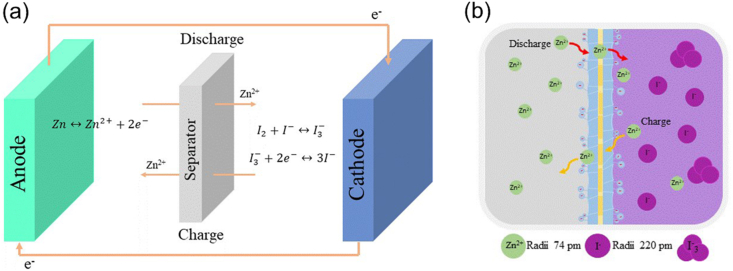
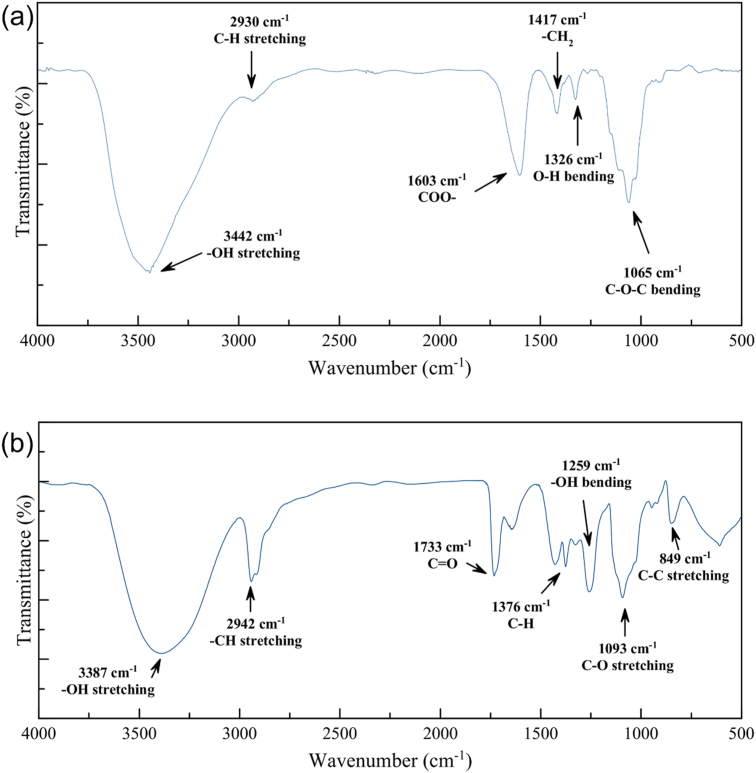
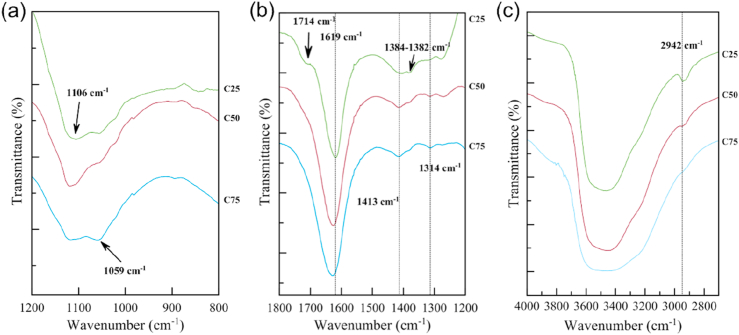
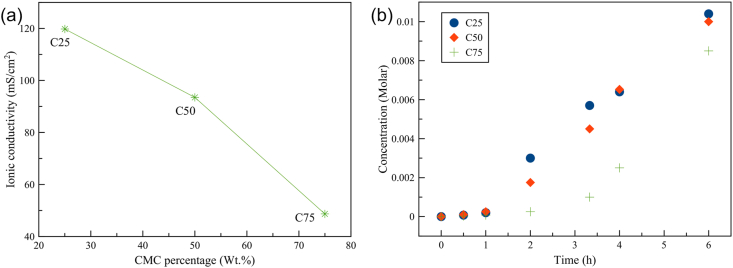
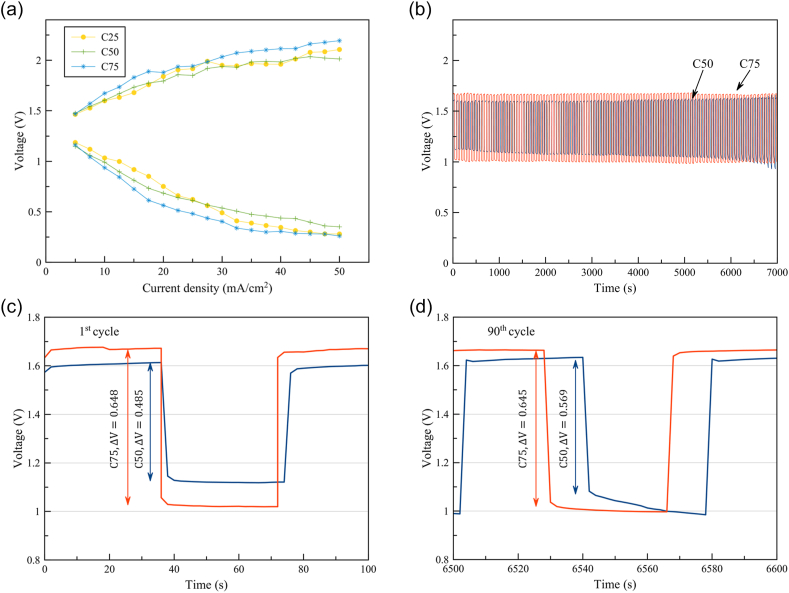
The aim of this research is an evaluation of polyelectrolytes. In the application of zinc-iodine batteries (ZIBs), polyelectrolytes have high stability, good cationic exchange properties and high ionic conductivity. Polyelectrolytes are also cost-effective. Important component of ZIBs are cation exchange membranes (CEMs). CEMs prevent the crossover of iodine and polyiodide from zinc (Zn) electrodes. However, available CEMs are costly and have limited ionic conductivity at room temperature. CEMs are low-cost, have high stability and good cationic exchange properties. Herein, polyelectrolyte membranes prepared from carboxymethyl cellulose (CMC) and polyvinyl alcohol (PVA) are examined. It is seen that an increase in the ratio of PVA leads to enhanced ionic conductivity as well as increased iodine and polyiodide crossover. ZIBs using polyelectrolytes having 75:25 wt.% CMC/PVA and 50:50 wt.% CMC/PVA show decent performance and cycling stability. Due to their low-cost and other salient features, CMC/PVA polyelectrolytes prove they have the capacity for use as cation exchange separators in ZIBs.
本研究的目的是评估聚电解质。在锌碘电池(ZIBs)的应用中,聚电解质具有高稳定性、良好的阳离子交换性能和高离子电导率。聚电解质的成本也较低。锌碘电池的重要组成部分是阳离子交换膜(CEMs)。阳离子交换膜可防止碘和多碘化物从锌(Zn)电极交叉渗透。然而,现有的阳离子交换膜成本高昂,且在室温下离子电导率有限。聚电解质成本低,具有高稳定性和良好的阳离子交换性能。在此,对由羧甲基纤维素(CMC)和聚乙烯醇(PVA)制备的聚电解质膜进行了研究。可以看出,聚乙烯醇比例的增加会导致离子电导率提高,同时碘和多碘化物的交叉渗透也会增加。使用重量比为75:25的CMC/PVA和50:50的CMC/PVA的聚电解质的锌碘电池表现出良好的性能和循环稳定性。由于其低成本和其他显著特性,CMC/PVA聚电解质证明了它们有能力用作锌碘电池中的阳离子交换隔膜。