Dias Luisa L S, Mansur Herman S, Donnici Claudio Luis, Pereira Marivalda M
Departamento de Engenharia Metalúrgica e de Materiais, Universidade Federal de Minas Gerais, Belo Horizonte, Minas Gerais, Brazil.
Biomatter. 2011 Jul-Sep;1(1):114-9. doi: 10.4161/biom.1.1.17449.
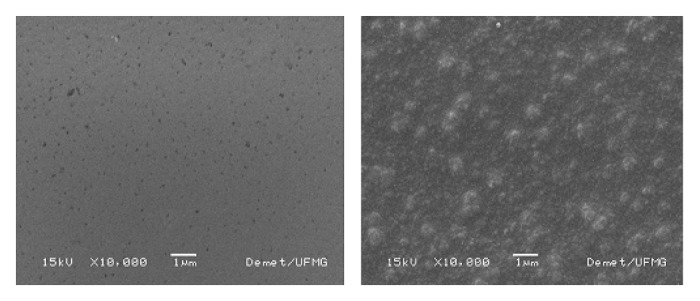
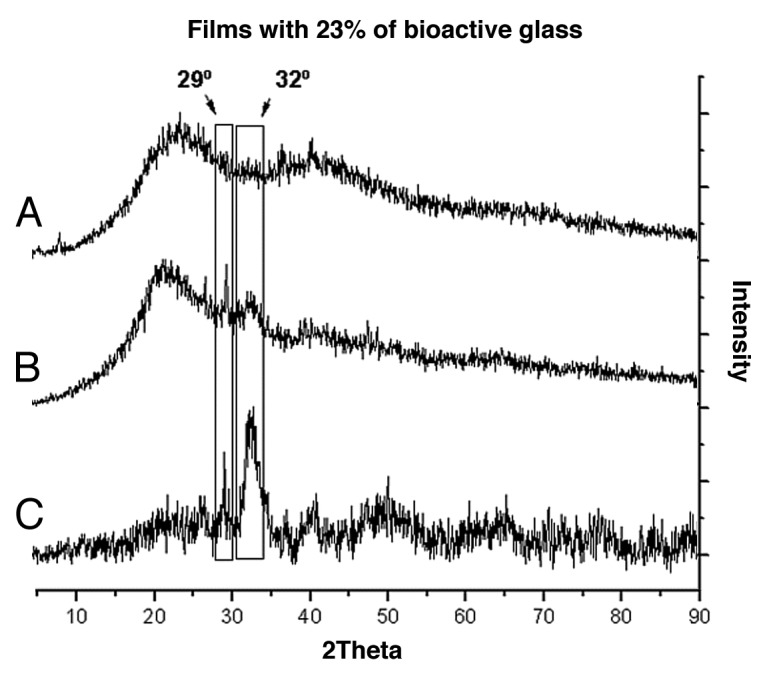
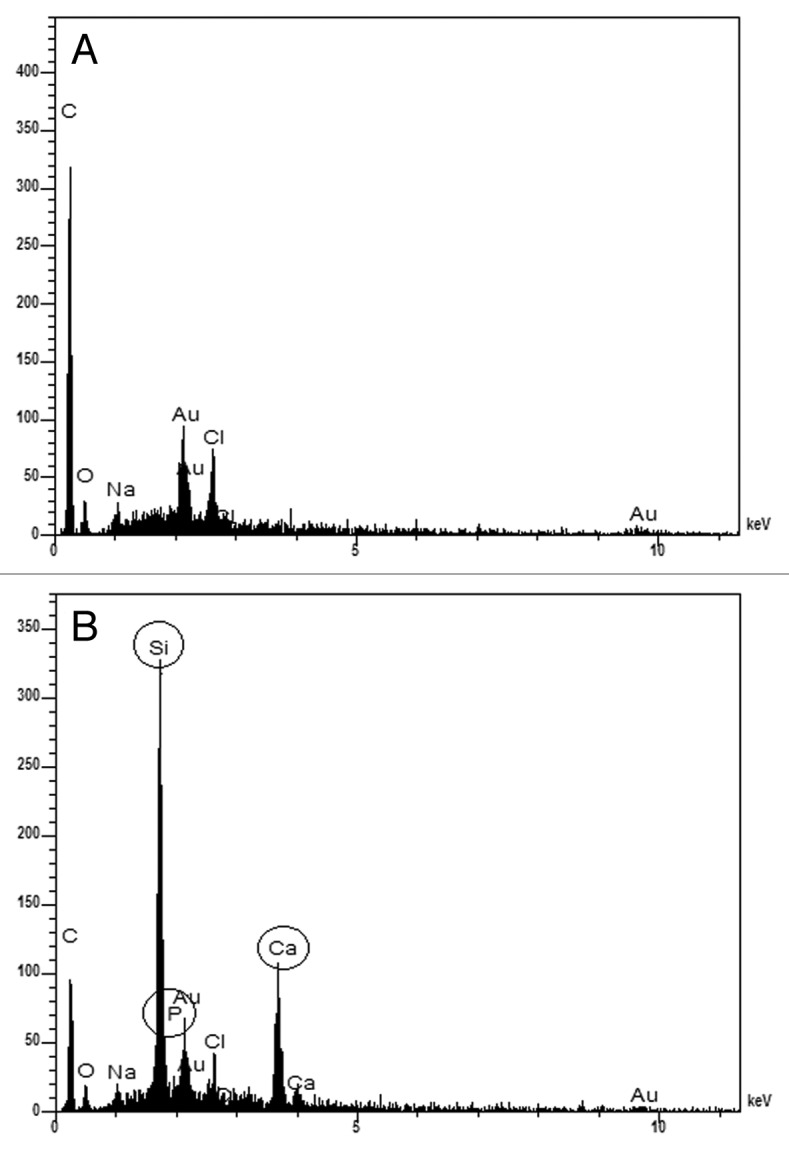
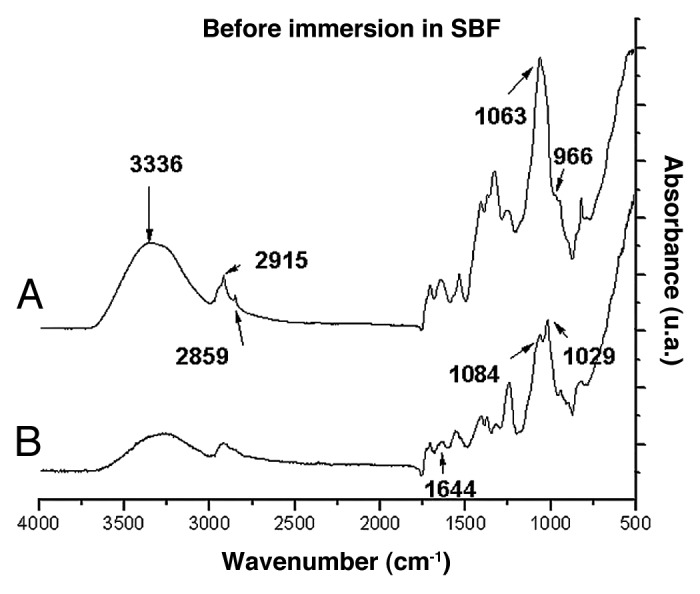
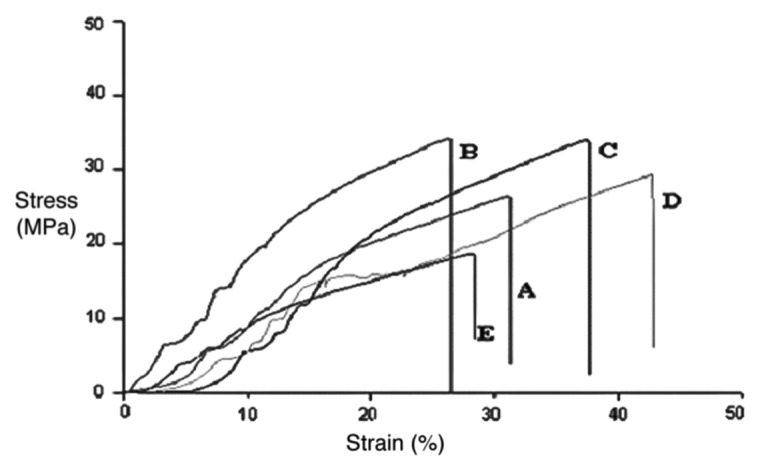
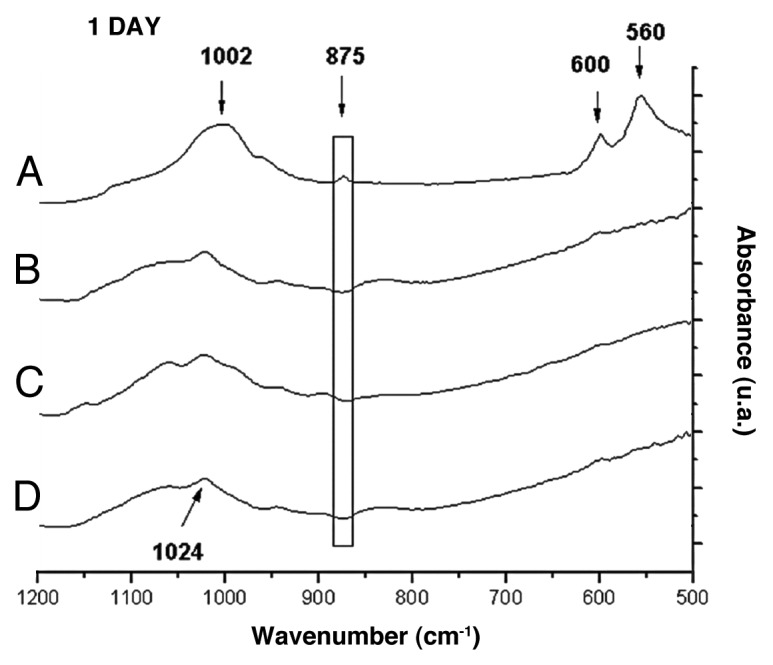
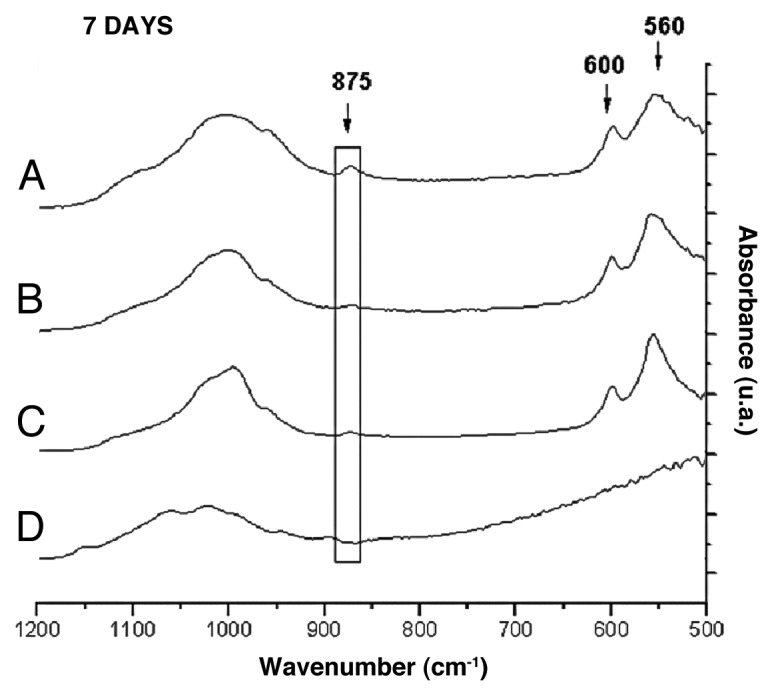
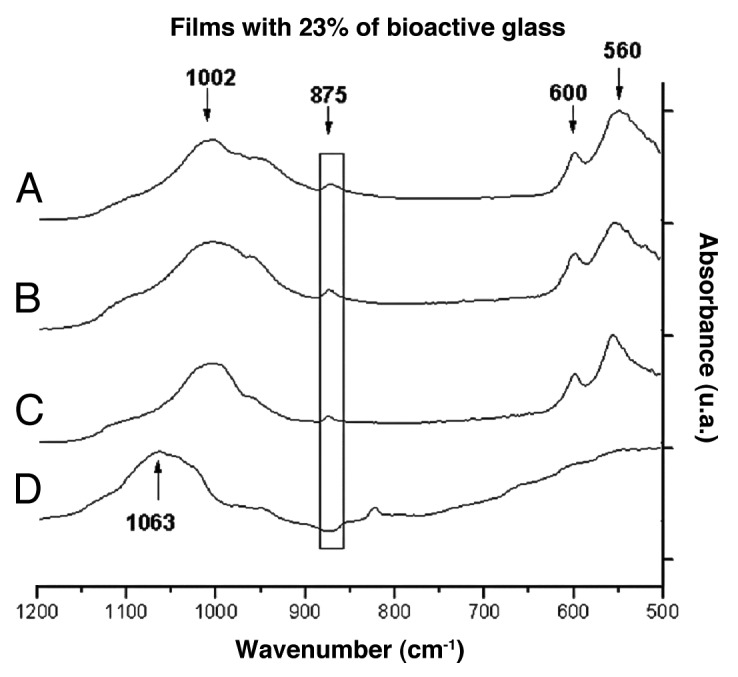
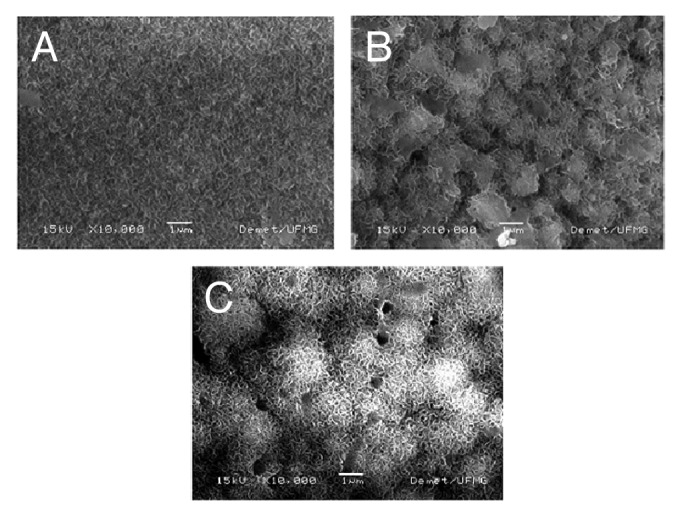
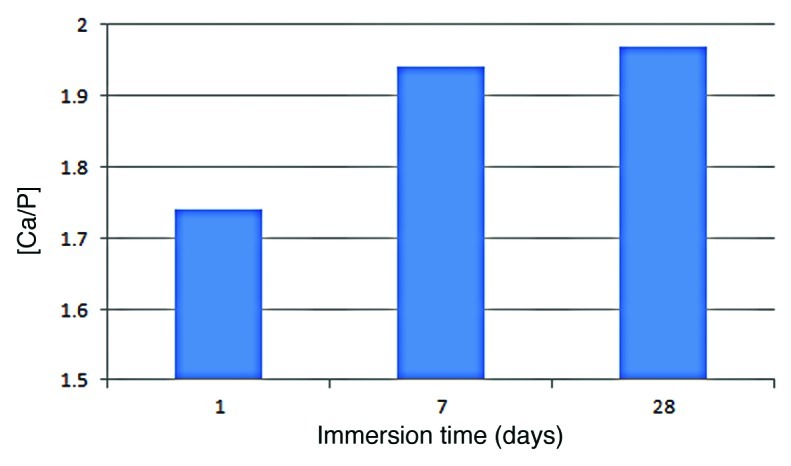
The tissue engineering strategy is a new approach for the regeneration of cementum, which is essential for the regeneration of the periodontal tissue. This strategy involves the cell cultures present in this tissue, called cementoblasts, and located on an appropriate substrate for posterior implantation in the regeneration site. Prior studies from our research group have shown that the proliferation and viability of cementoblasts increase in the presence of the ionic dissolution products of bioactive glass particles. Therefore, one possible approach to obtaining adequate substrates for cementoblast cultures is the development of composite membranes containing bioactive glass. In the present study, composite films of chitosan-polyvinyl alcohol-bioactive glass containing different glass contents were developed. Glutaraldehyde was also added to allow for the formation of cross-links and changes in the degradation rate. The glass phase was introduced in the material by a sol-gel route, leading to an organic-inorganic hybrid. The films were characterized by Fourier-transformed infrared spectroscopy (FTIR), scanning electron microscopy (SEM) with electron dispersive spectroscopy (EDS) and X-ray diffraction (XRD) analysis. Bioactivity tests were also conducted by immersion of the films in simulated body fluid (SBF). Films containing up to 30% glass phase could be obtained. The formation of calcium phosphate was observed after the immersion of the films. A calcium phosphate layer formed more quickly on materials containing higher bioactive glass contents. In the hybrid containing 23% bioactive glass, a complete layer was formed after 24 h immersion, showing the high bioactivity of this material. However, despite the higher in vitro bioactivity, the film with 23% glass showed lower mechanical properties compared with films containing up to 17% glass.
组织工程策略是一种用于牙骨质再生的新方法,牙骨质再生对于牙周组织的再生至关重要。该策略涉及存在于该组织中的细胞培养物,称为成牙骨质细胞,并位于合适的基质上以便随后植入再生部位。我们研究小组之前的研究表明,在生物活性玻璃颗粒的离子溶解产物存在下,成牙骨质细胞的增殖和活力会增加。因此,获得用于成牙骨质细胞培养的合适基质的一种可能方法是开发含有生物活性玻璃的复合膜。在本研究中,制备了含有不同玻璃含量的壳聚糖-聚乙烯醇-生物活性玻璃复合膜。还添加了戊二醛以形成交联并改变降解速率。通过溶胶-凝胶法将玻璃相引入材料中,形成有机-无机杂化材料。通过傅里叶变换红外光谱(FTIR)扫描电子显微镜(SEM)结合电子能谱(EDS)和X射线衍射(XRD)分析对薄膜进行表征。还通过将薄膜浸泡在模拟体液(SBF)中进行生物活性测试。可以获得含有高达30%玻璃相的薄膜。薄膜浸泡后观察到磷酸钙的形成。在含有较高生物活性玻璃含量的材料上,磷酸钙层形成得更快。在含有23%生物活性玻璃的杂化材料中,浸泡24小时后形成了完整的层,表明该材料具有高生物活性。然而,尽管具有较高的体外生物活性,但与含有高达17%玻璃的薄膜相比,含有23%玻璃的薄膜显示出较低的机械性能。