Division of Infectious Diseases, University of Utah, Salt Lake City, United States.
Molecular Medicine Program, University of Utah, Salt Lake City, United States.
Elife. 2020 Nov 9;9:e55615. doi: 10.7554/eLife.55615.
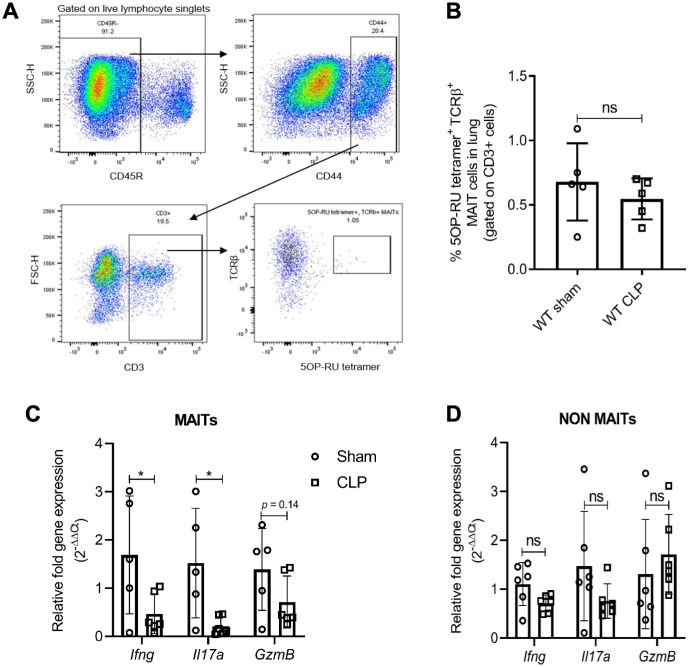
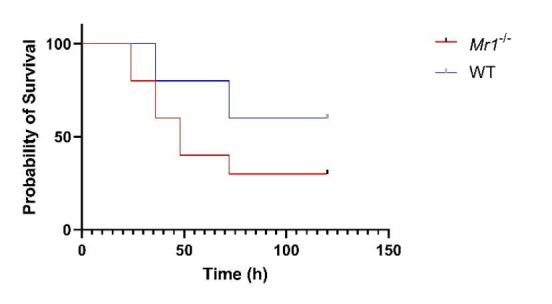
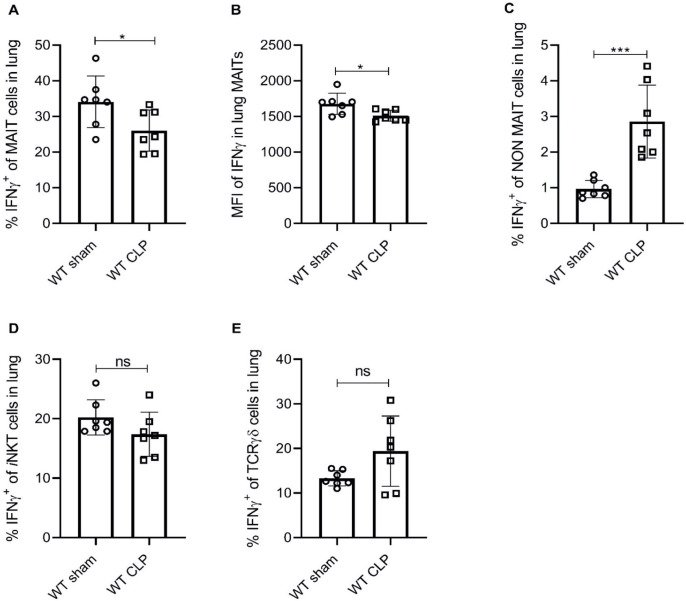
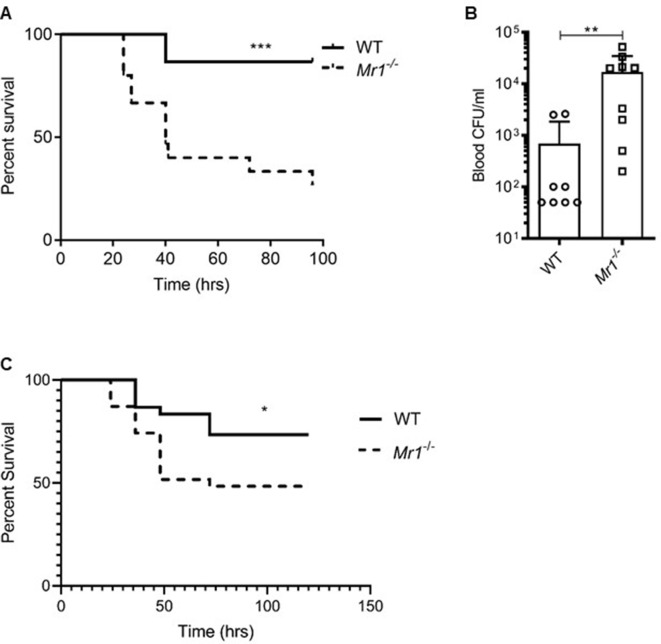
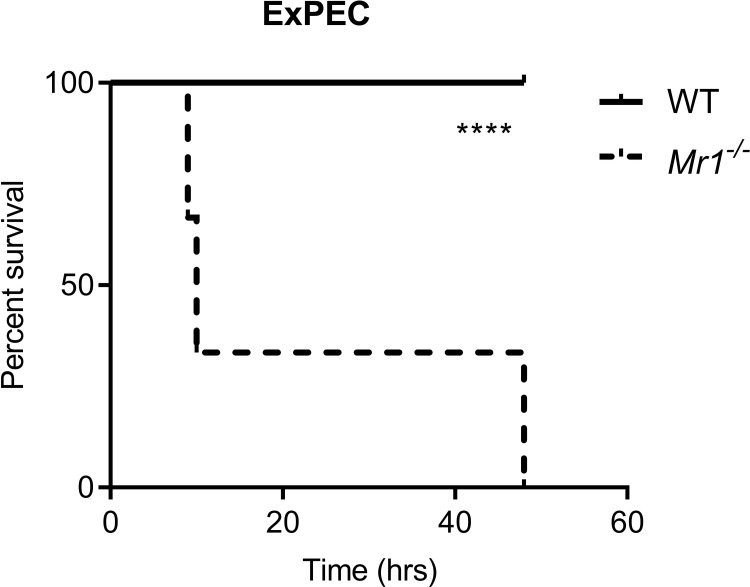
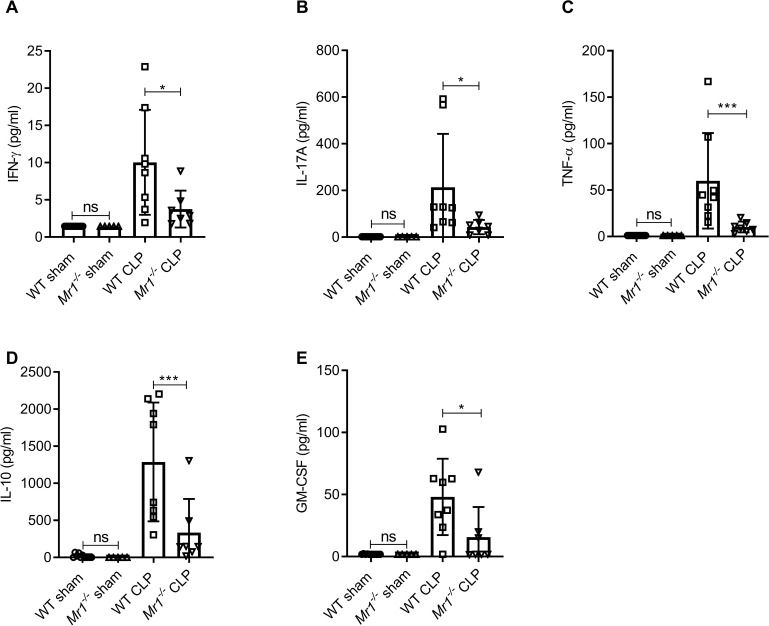
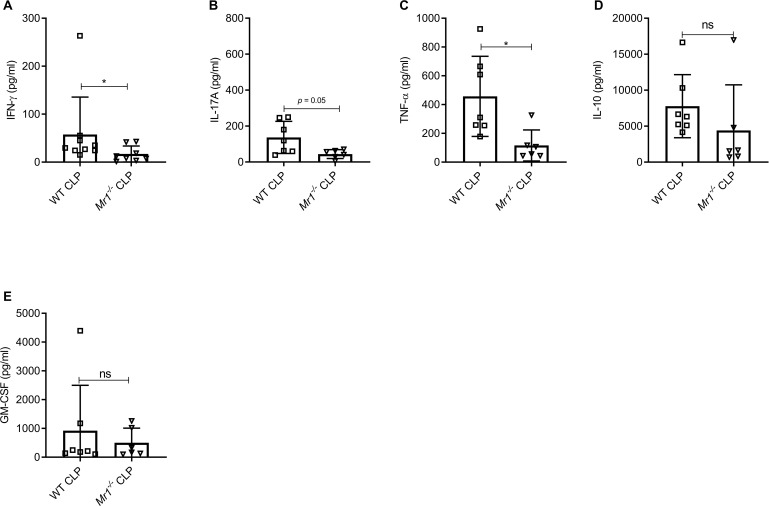
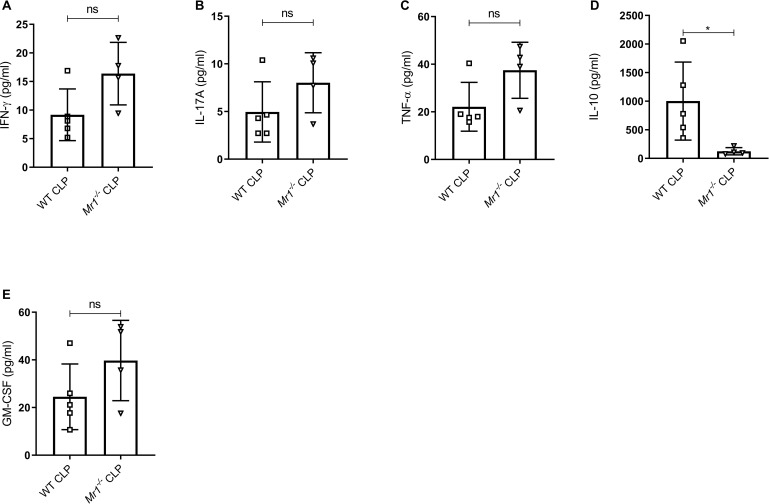
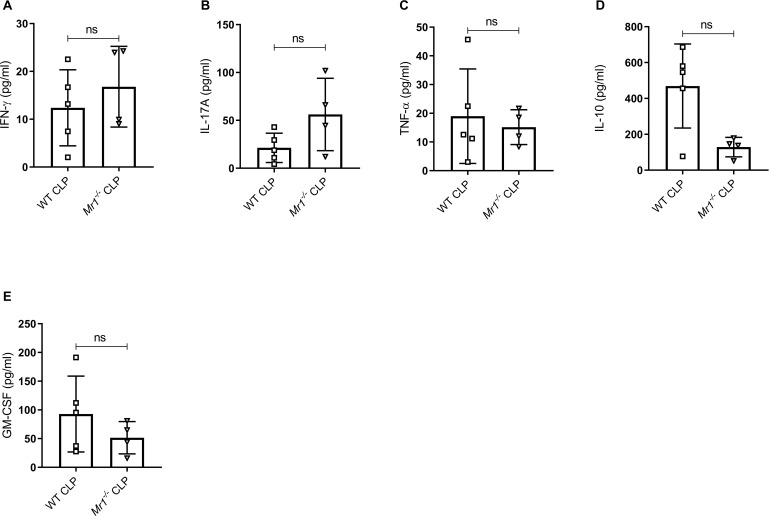
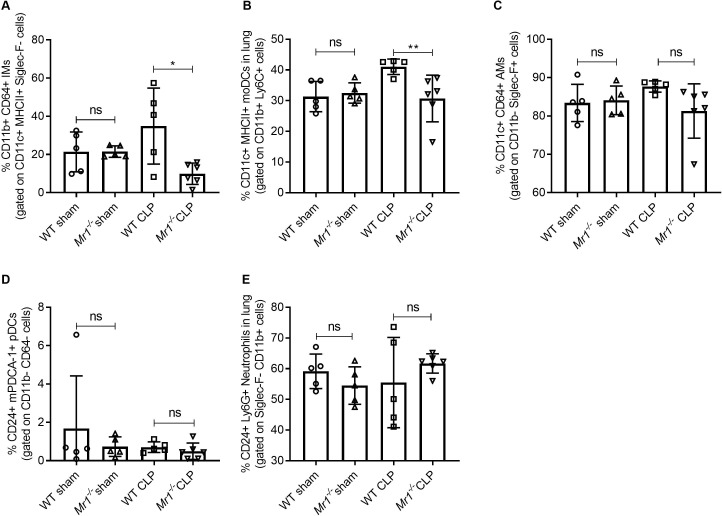
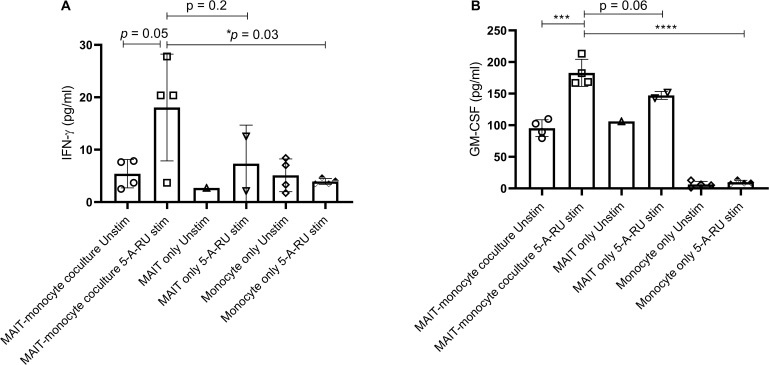
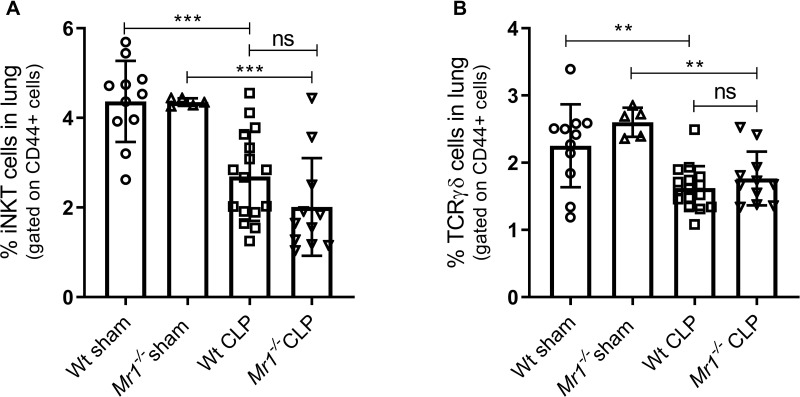
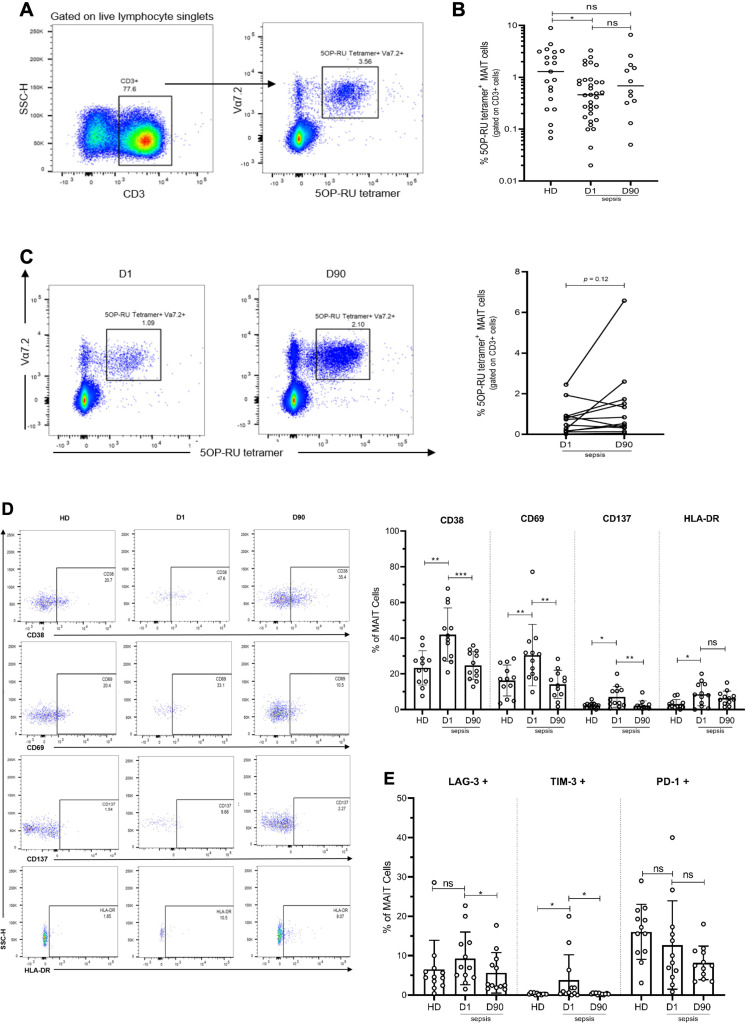
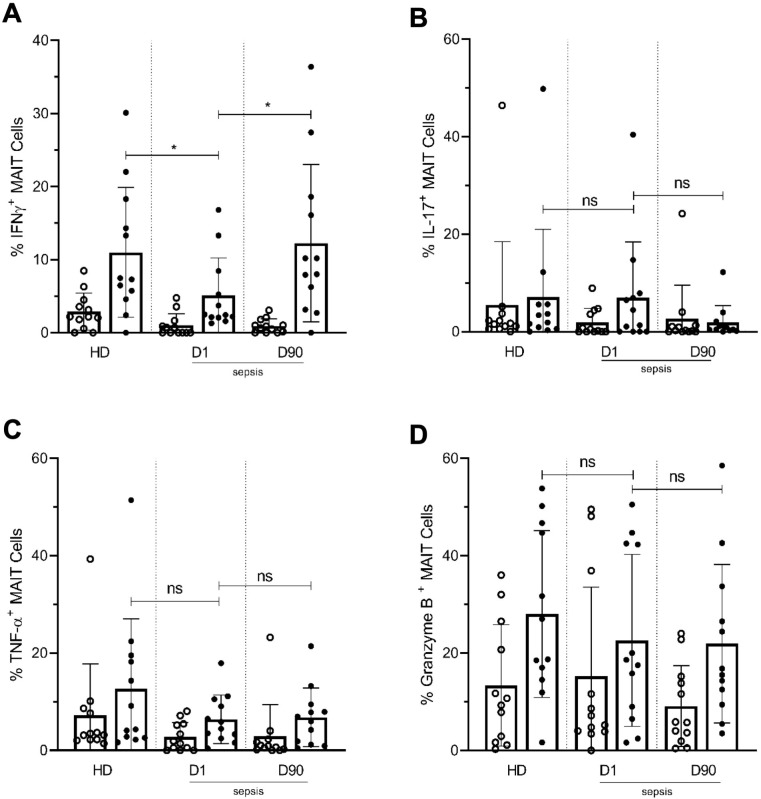
Sepsis is a systemic inflammatory response to infection and a leading cause of death. Mucosal-associated invariant T (MAIT) cells are innate-like T cells enriched in mucosal tissues that recognize bacterial ligands. We investigated MAIT cells during clinical and experimental sepsis, and their contribution to host responses. In experimental sepsis, MAIT-deficient mice had significantly increased mortality and bacterial load, and reduced tissue-specific cytokine responses. MAIT cells of WT mice expressed lower levels of IFN-γ and IL-17a during sepsis compared to sham surgery, changes not seen in non-MAIT T cells. MAIT cells of patients at sepsis presentation were significantly reduced in frequency compared to healthy donors, and were more activated, with decreased IFN-γ production, compared to both healthy donors and paired 90-day samples. Our data suggest that MAIT cells are highly activated and become dysfunctional during clinical sepsis, and contribute to tissue-specific cytokine responses that are protective against mortality during experimental sepsis.
脓毒症是一种对感染的全身炎症反应,也是导致死亡的主要原因。黏膜相关不变 T(MAIT)细胞是富含黏膜组织的先天样 T 细胞,能识别细菌配体。我们研究了临床和实验性脓毒症期间的 MAIT 细胞及其对宿主反应的贡献。在实验性脓毒症中,MAIT 缺陷小鼠的死亡率和细菌负荷显著增加,组织特异性细胞因子反应降低。与假手术相比,WT 小鼠的 MAIT 细胞在脓毒症期间 IFN-γ和 IL-17a 的表达水平较低,而非 MAIT T 细胞则没有这种变化。与健康供体相比,脓毒症患者的 MAIT 细胞频率显著降低,与健康供体和配对的 90 天样本相比,MAIT 细胞的激活程度更高,IFN-γ产生减少。我们的数据表明,MAIT 细胞在临床脓毒症中高度激活并失去功能,并有助于针对实验性脓毒症死亡率的组织特异性细胞因子反应。