Oxford University Clinical Research Unit, University of Oxford, Centre for Tropical Medicine, 764, Vo Van Kiet, Ho Chi Minh City, Vietnam.
Department of Pure and Applied Chemistry, Technology and Innovation Centre, University of Strathclyde, 99 George St, Glasgow G1 1RD, UK.
Int Health. 2020 Nov 9;12(6):533-540. doi: 10.1093/inthealth/ihaa066.
Providing compensation for participants in clinical research is well established and while international guidelines exist, defining a context-specific and fair compensation for participants in low-resource settings is challenging due to ethical concerns and the lack of practical, national compensation and reimbursement frameworks.
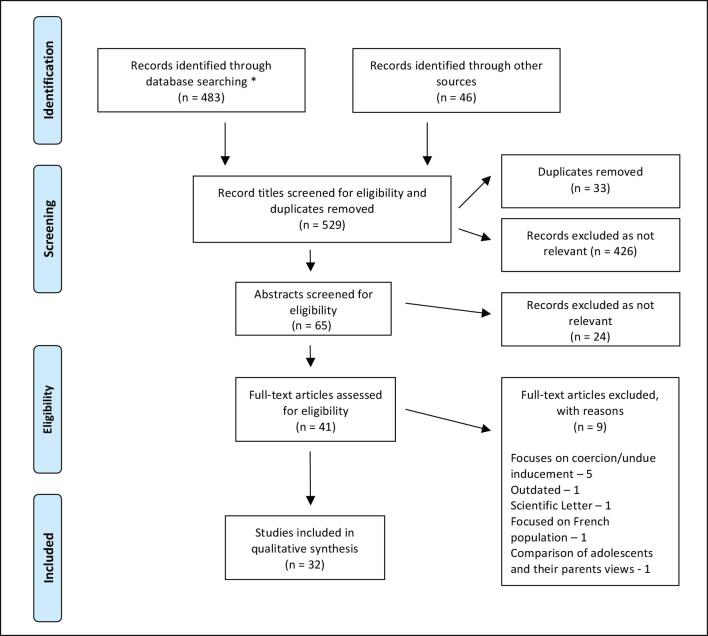
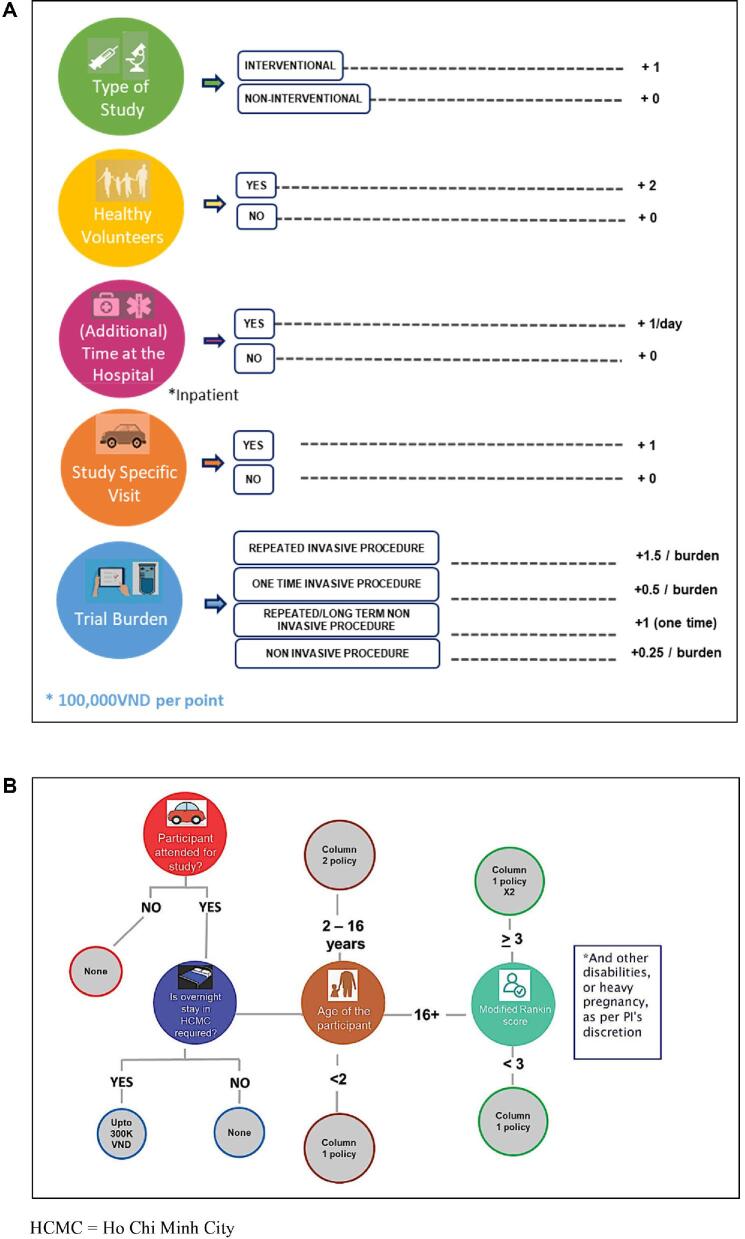
We reviewed Oxford University Clinical Research Unit (OUCRU) internal reimbursement documentation over a 10-y period and conducted a scoping literature review to expand our knowledge of compensation and reimbursement practices including ethical concerns. We developed a preliminary reimbursement framework that was presented to community advisory boards (CAB) and clinical investigators to assess its applicability, fairness and transparency.
The main topics discussed at the workshops centered on fairness and whether the reimbursements could be perceived as financial incentives. Other decisive factors in the decision-making process were altruism and the loss of caregivers' earnings. Investigators raised the issue of additional burdens, whereas the CAB members were focused on non-monetary elements such as the healthcare quality the patients would receive. All elements discussed were reviewed and, where possible, incorporated into the final framework.
Our new reimbursement framework provides a consistent, fair and transparent decision-making process and will be implemented across all future OUCRU clinical research in Vietnam.
为临床研究参与者提供补偿是既定做法,尽管存在国际指南,但由于伦理问题以及缺乏实用的、国家层面的补偿和报销框架,为资源匮乏环境中的参与者确定特定情境下的公平补偿仍具有挑战性。
我们回顾了牛津大学临床研究单位(OUCRU)在 10 年期间的内部报销文件,并进行了范围广泛的文献综述,以扩展我们对补偿和报销实践的了解,包括伦理问题。我们制定了一个初步的报销框架,并提交给社区咨询委员会(CAB)和临床研究人员,以评估其适用性、公平性和透明度。
研讨会讨论的主要议题集中在公平性上,以及补偿是否可以被视为经济激励。决策过程中的其他决定性因素是利他主义和照顾者收入的损失。研究人员提出了额外负担的问题,而 CAB 成员则关注患者将获得的医疗质量等非货币因素。讨论的所有要素都经过了审查,并在可能的情况下纳入了最终框架。
我们的新报销框架提供了一个一致、公平和透明的决策过程,并将在越南未来所有 OUCRU 的临床研究中实施。