Department of Molecular Biology and Microbiology, Tufts University School of Medicine, Boston, MA 02111.
Department of Molecular Biology and Microbiology, Tufts University School of Medicine, Boston, MA 02111
J Immunol. 2020 Dec 15;205(12):3383-3389. doi: 10.4049/jimmunol.2000686. Epub 2020 Nov 9.
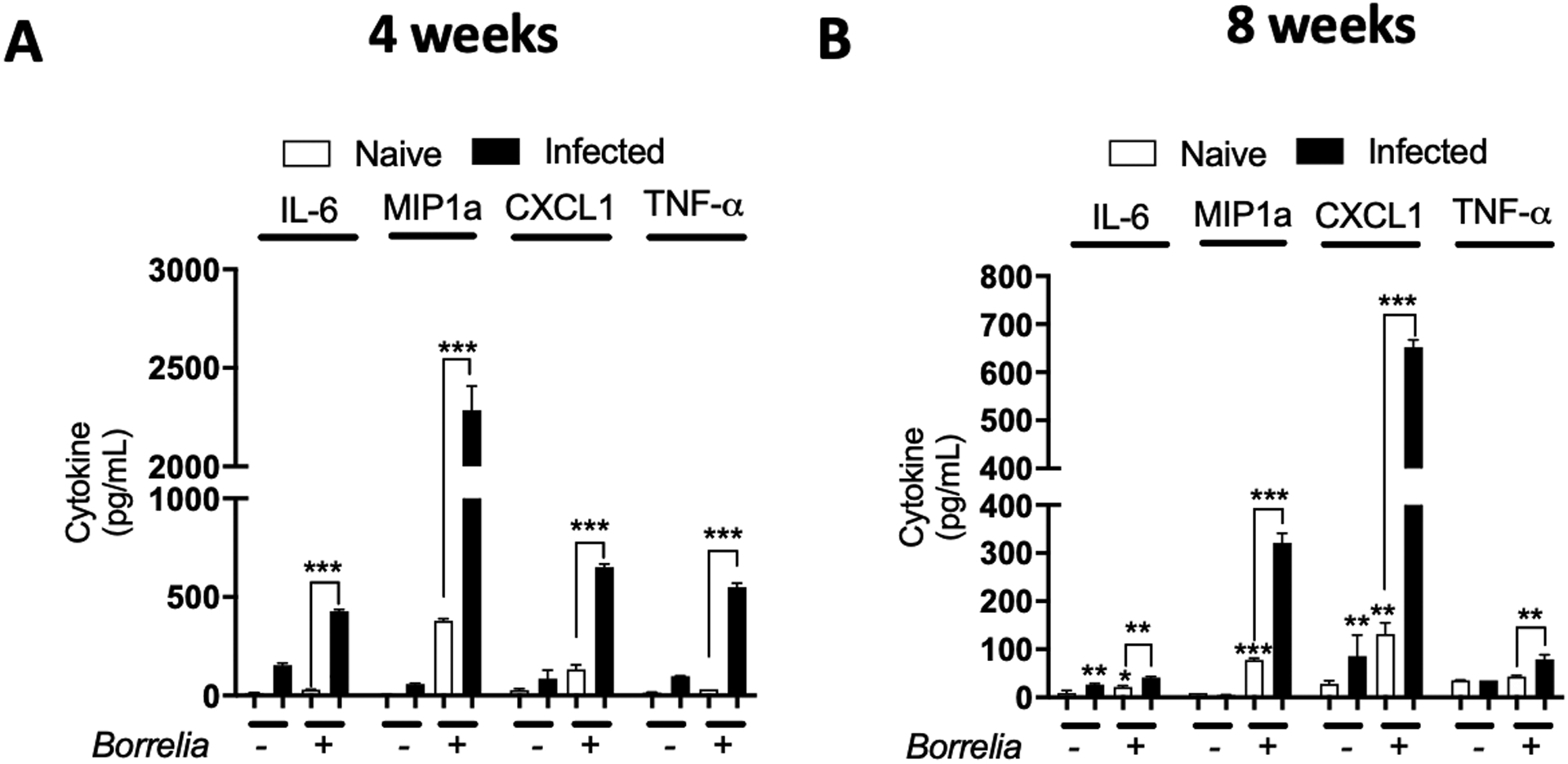
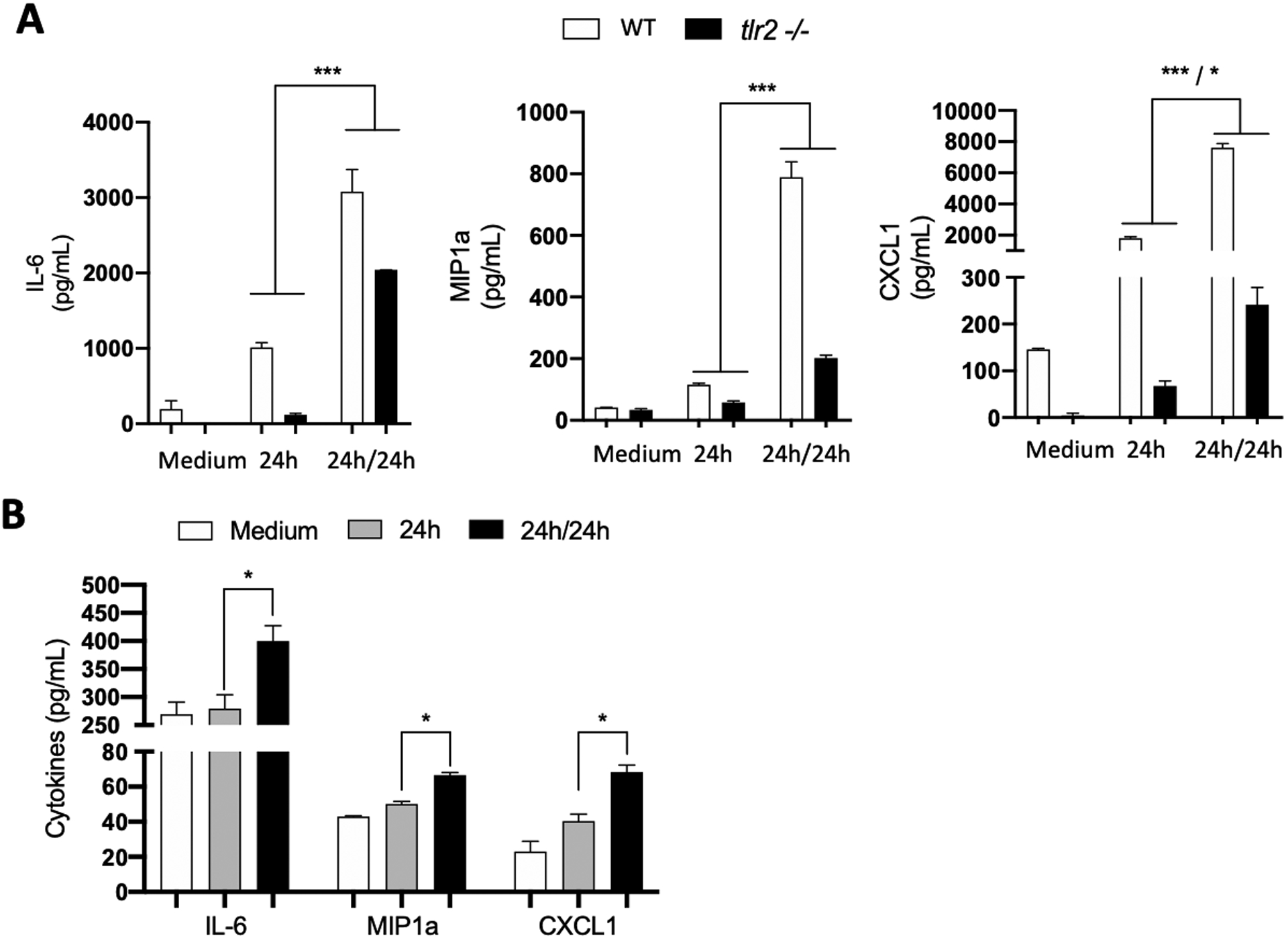
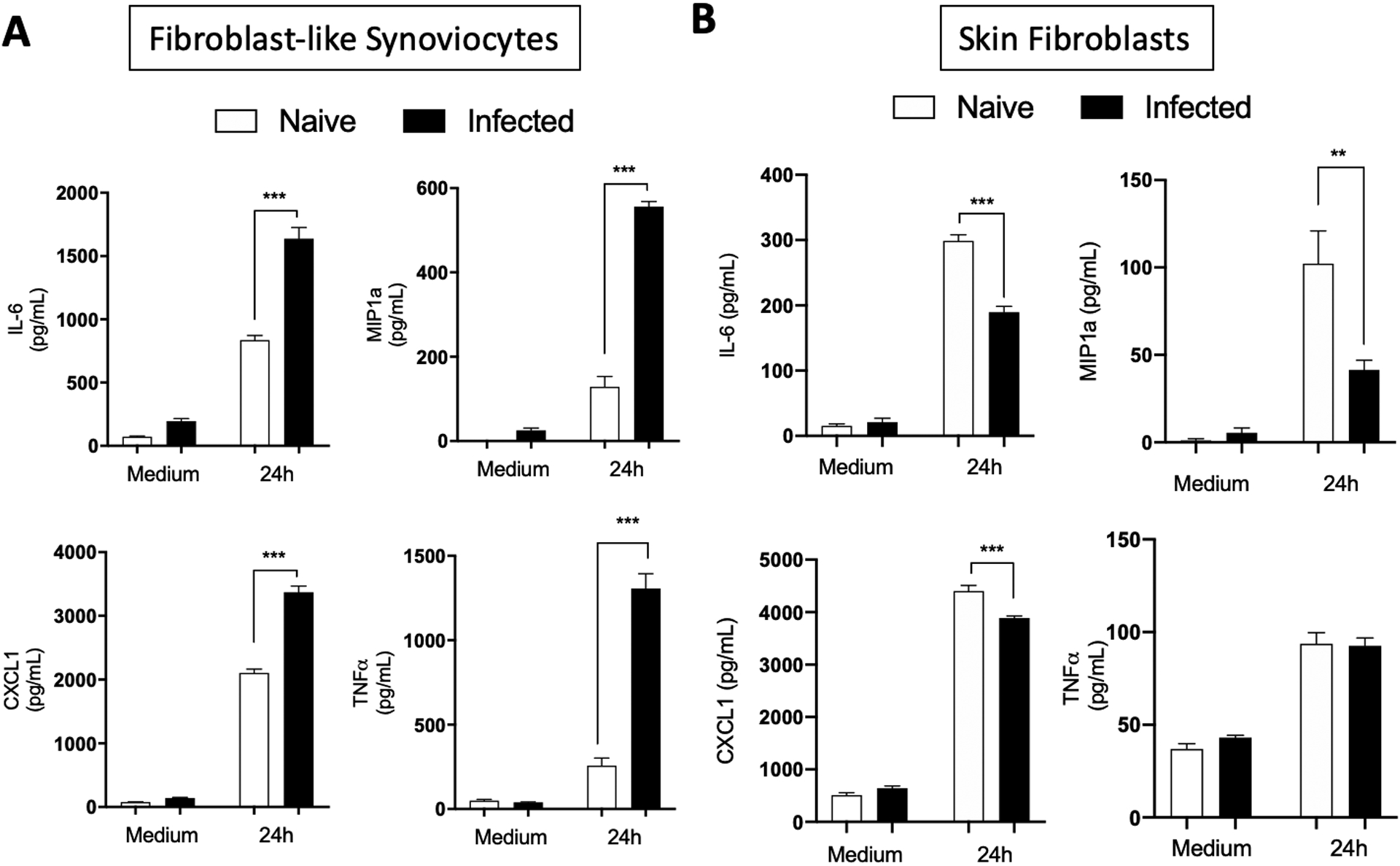
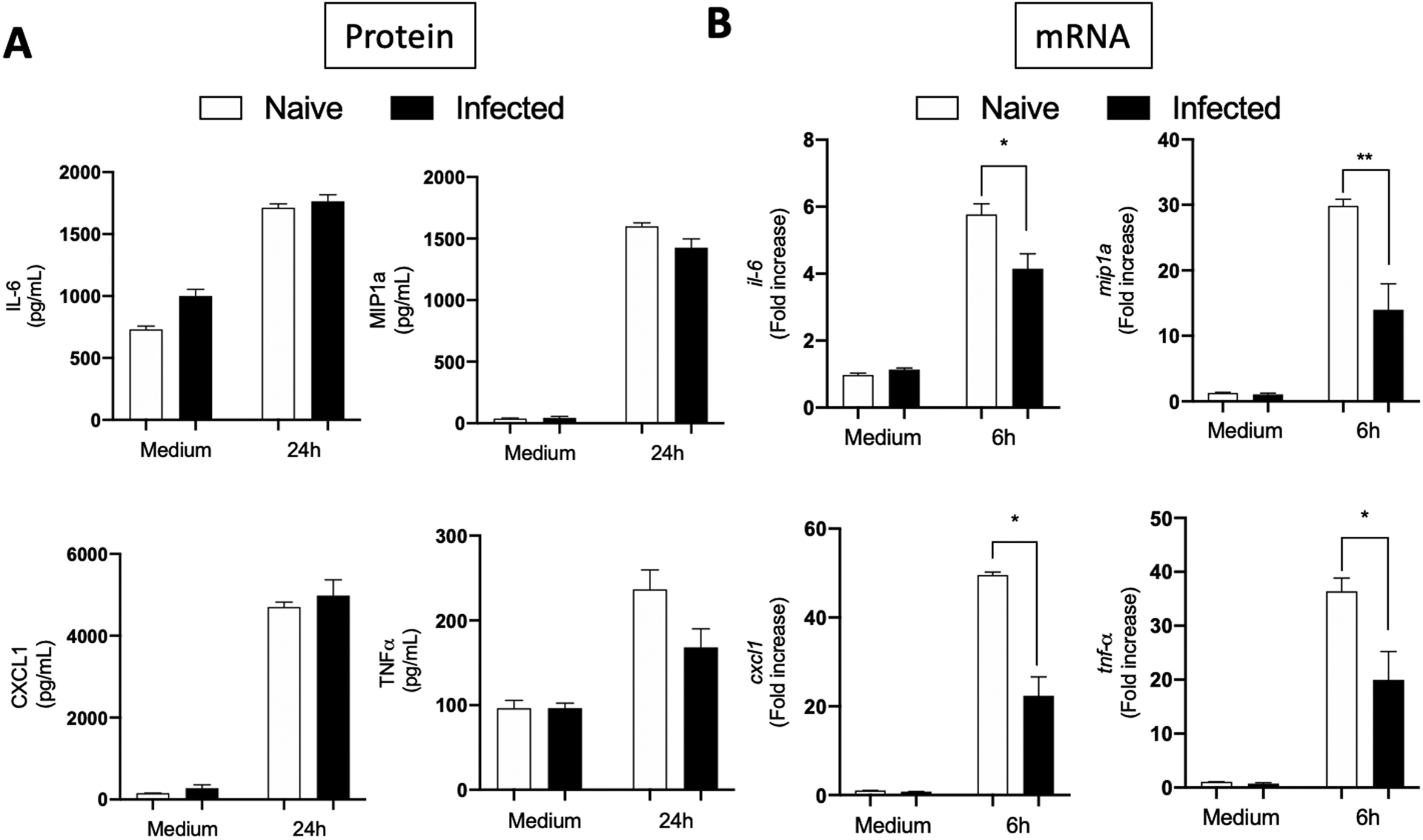
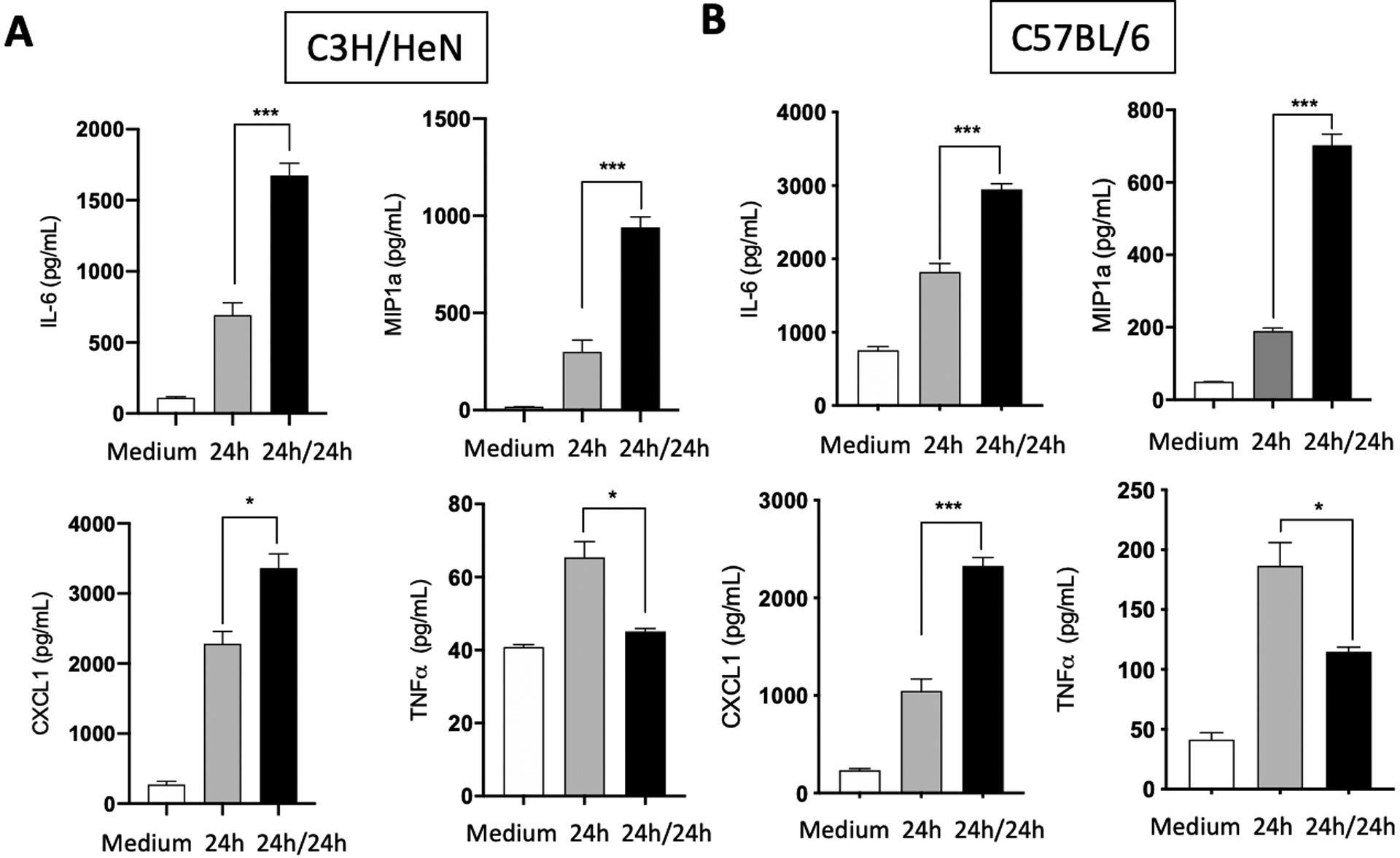
, the causative agent of Lyme disease, is transmitted by the bite of an infected tick. Once inoculated into the host dermis, it disseminates to various organs including distant skin sites, the heart, the joint and the nervous system. Most humans will develop an early skin manifestation called erythema migrans at the tick bite site. This can be followed by symptoms such as carditis, neuritis, meningitis, or arthritis if not treated. A specific mouse strain, C3H/HeN develops arthritis with infection whereas another strain, C57BL/6, develops minimal to no arthritis. Neither strain of mice show any skin signs of rash or inflammation. Factors that determine the presence of skin inflammation and the joint arthritis susceptibility in the host are only partially characterized. We show in this study that murine fibroblast-like synoviocytes display trained immunity, a program in some cells that results in increased inflammatory responses if the cell has previously come in contact with a stimulus, and that trained immunity in fibroblast-like synoviocytes tested ex vivo correlates with Lyme arthritis susceptibility. Conversely, skin fibroblasts do not exhibit trained immunity, which correlates with the absence of skin symptoms in these mice. Moreover, we demonstrate that the trained phenotype in FLS is affected by the cell environment, which depends on the host genetic background. Future studies expanding this initial report of the role of trained immunity on symptoms of infection may provide insight into the pathogenesis of disease in murine models.
伯氏疏螺旋体,莱姆病的病原体,通过受感染的蜱的叮咬传播。一旦接种到宿主真皮中,它就会传播到各种器官,包括远处的皮肤部位、心脏、关节和神经系统。大多数人在蜱叮咬部位会出现早期皮肤表现,称为游走性红斑。如果不治疗,可能会出现心肌炎、神经炎、脑膜炎或关节炎等症状。一种特定的小鼠品系,C3H/HeN 感染后会发生关节炎,而另一种品系,C57BL/6,则很少发生或不发生关节炎。这两种品系的小鼠均无皮疹或炎症的皮肤迹象。决定宿主皮肤炎症和关节关节炎易感性的因素仅部分得到描述。我们在这项研究中表明,鼠成纤维样滑膜细胞表现出训练免疫,这是某些细胞中的一种程序,如果细胞以前接触过刺激,会导致炎症反应增加,并且在体外测试的成纤维样滑膜细胞中的训练免疫与莱姆关节炎易感性相关。相反,皮肤成纤维细胞不表现出训练免疫,这与这些小鼠没有皮肤症状相关。此外,我们证明 FLS 中的训练表型受细胞环境的影响,而细胞环境取决于宿主的遗传背景。未来的研究扩展了训练免疫对 感染症状的作用的初步报告,可能会深入了解疾病在小鼠模型中的发病机制。