Department of Microbiology, Harvard Medical School, Boston, MA, USA.
Department of Chemistry and Chemical Biology, Harvard University, Cambridge, MA, USA.
Nat Microbiol. 2021 Jan;6(1):34-43. doi: 10.1038/s41564-020-00808-5. Epub 2020 Nov 9.
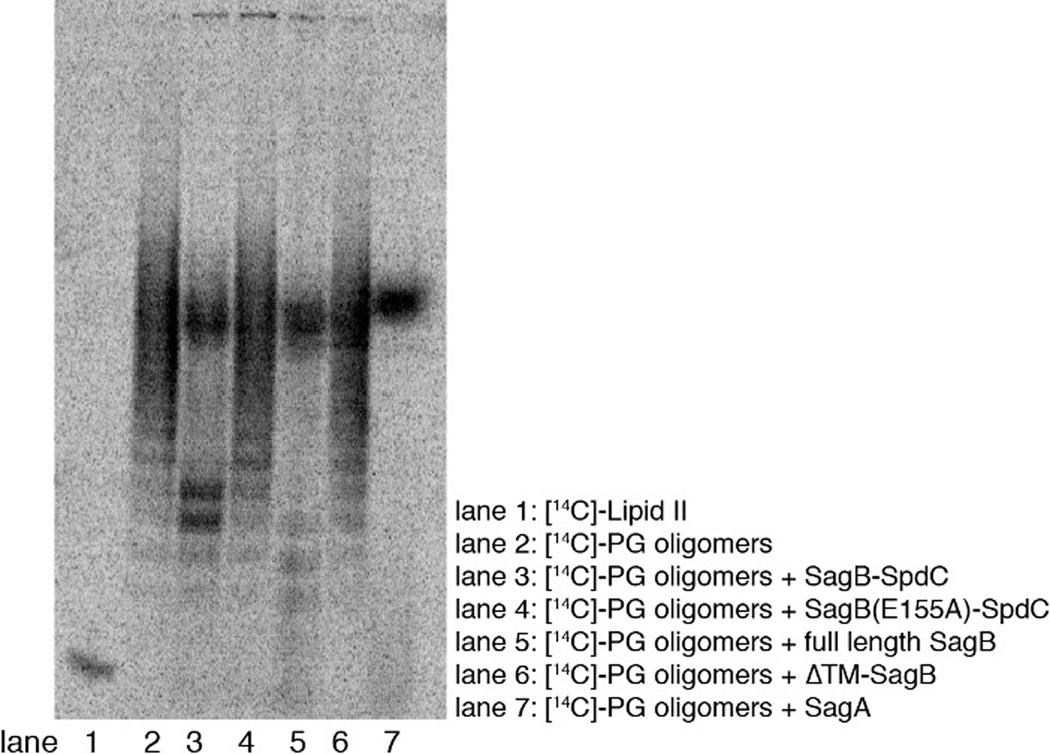
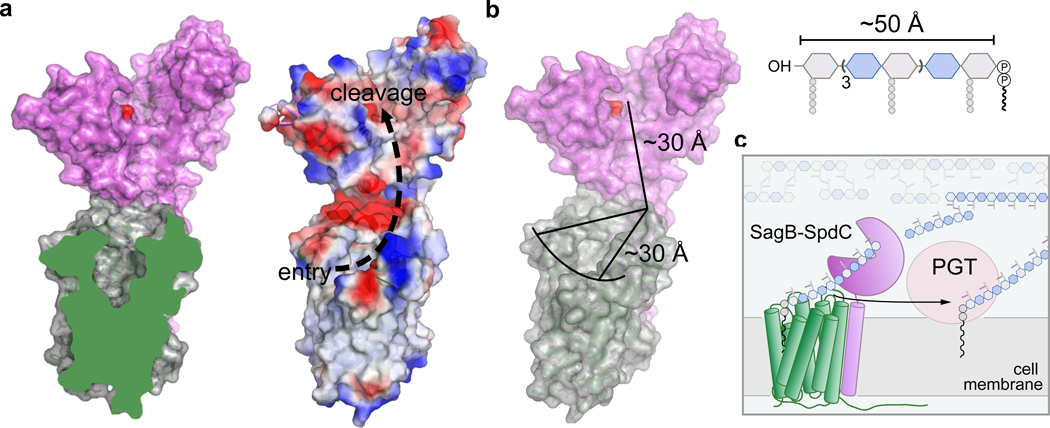
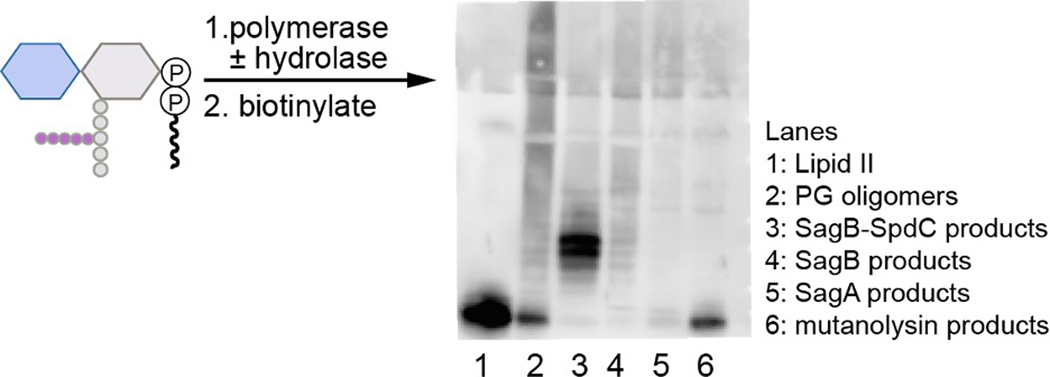
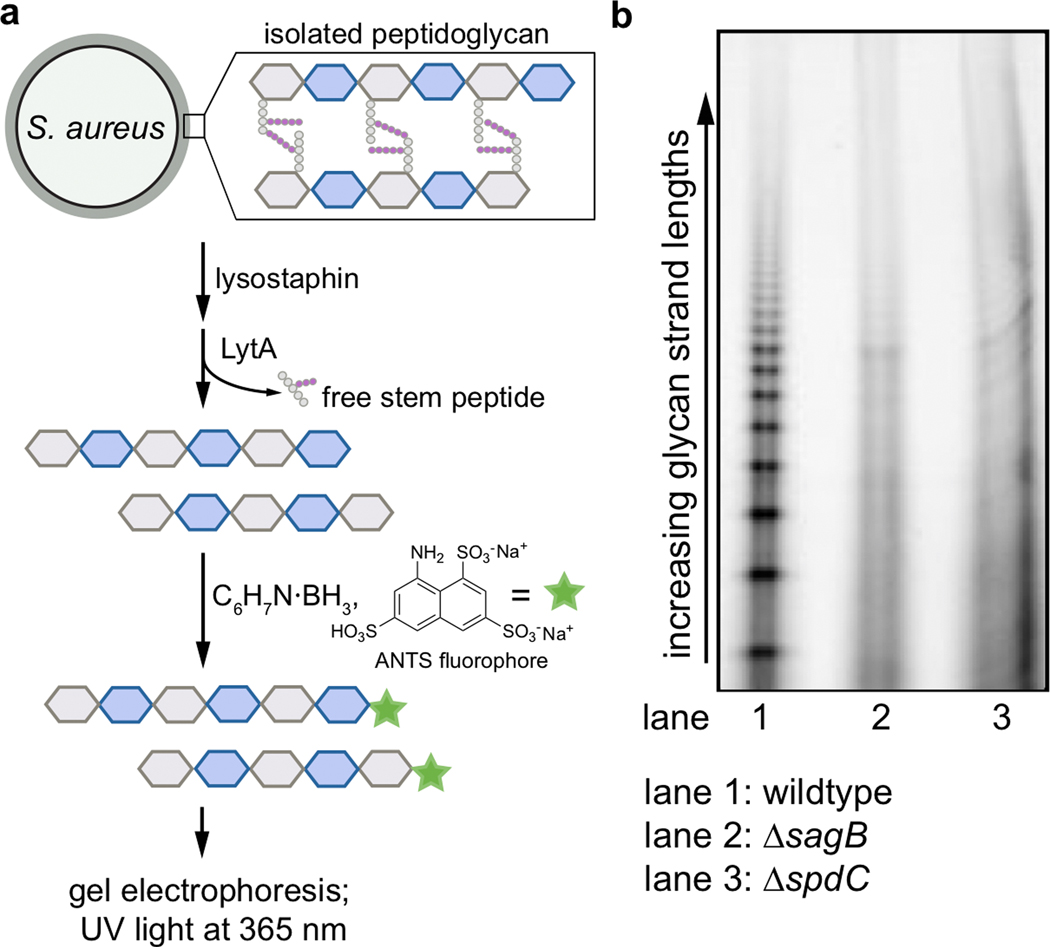
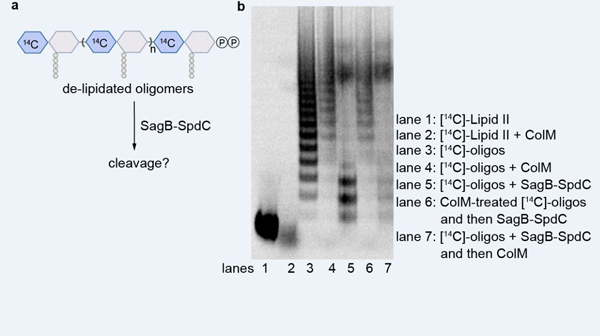
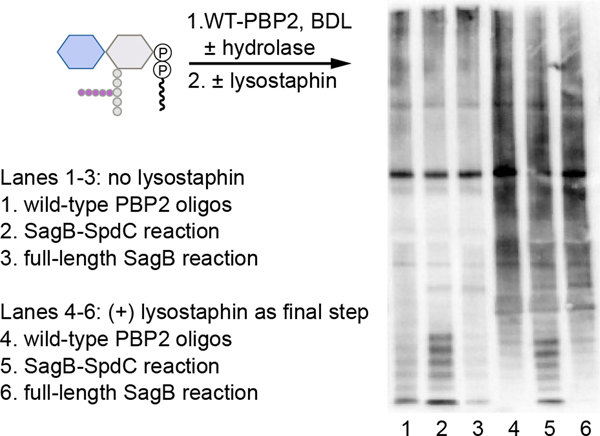
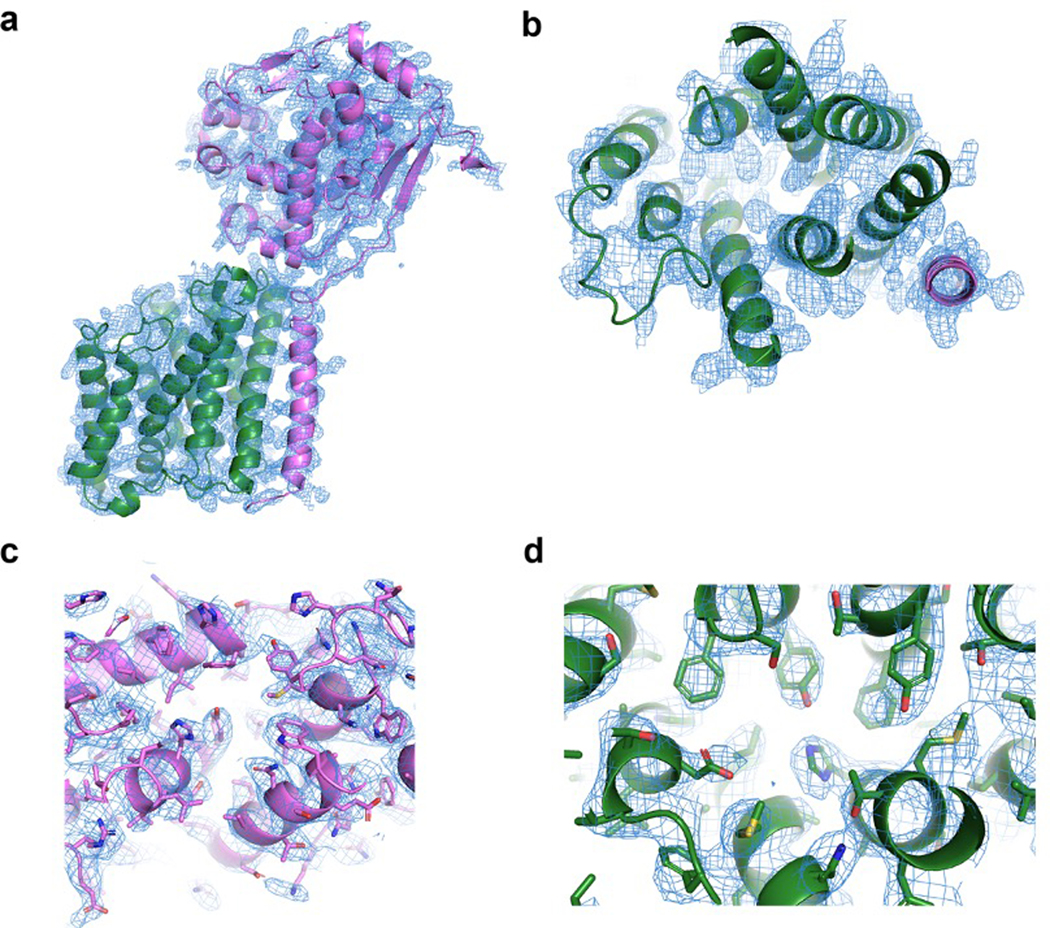
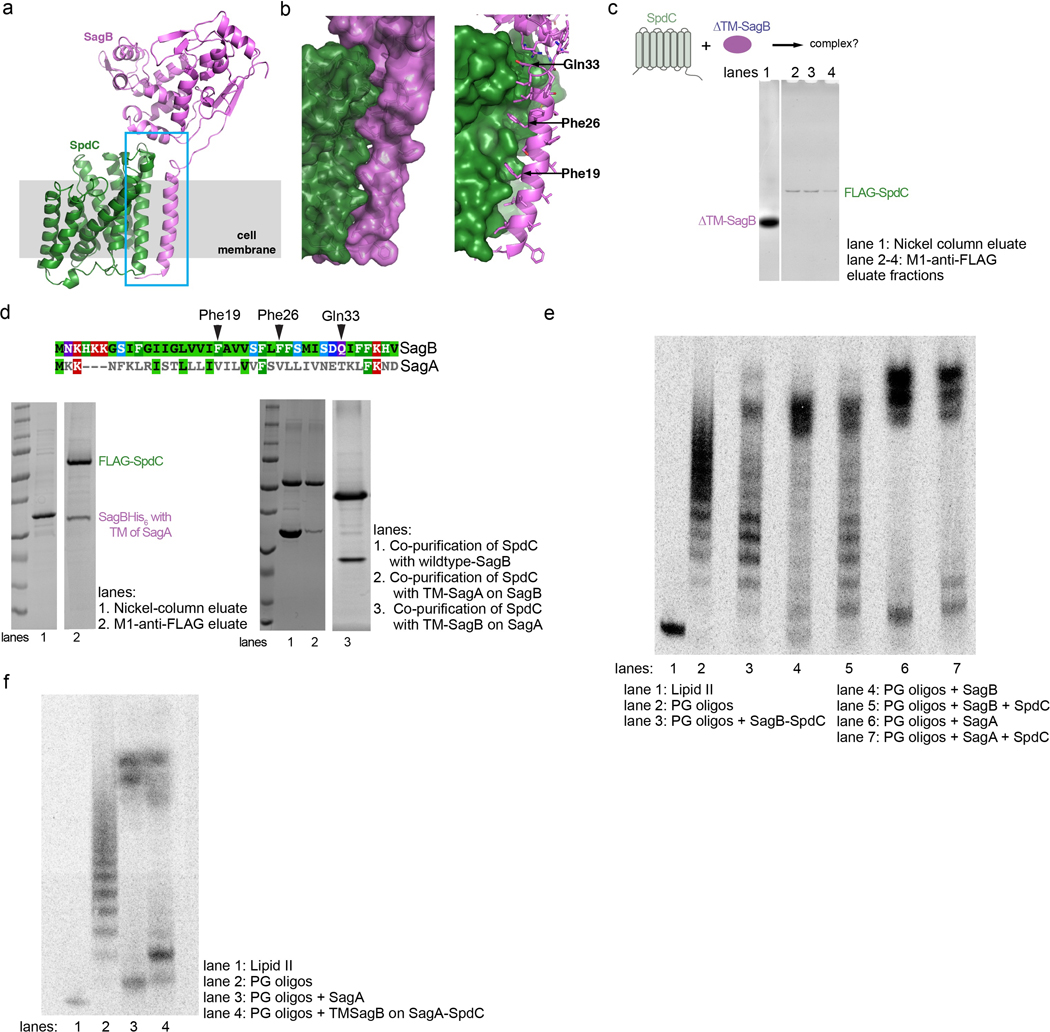
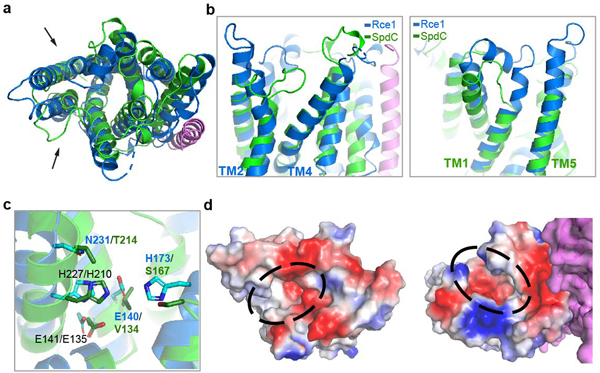
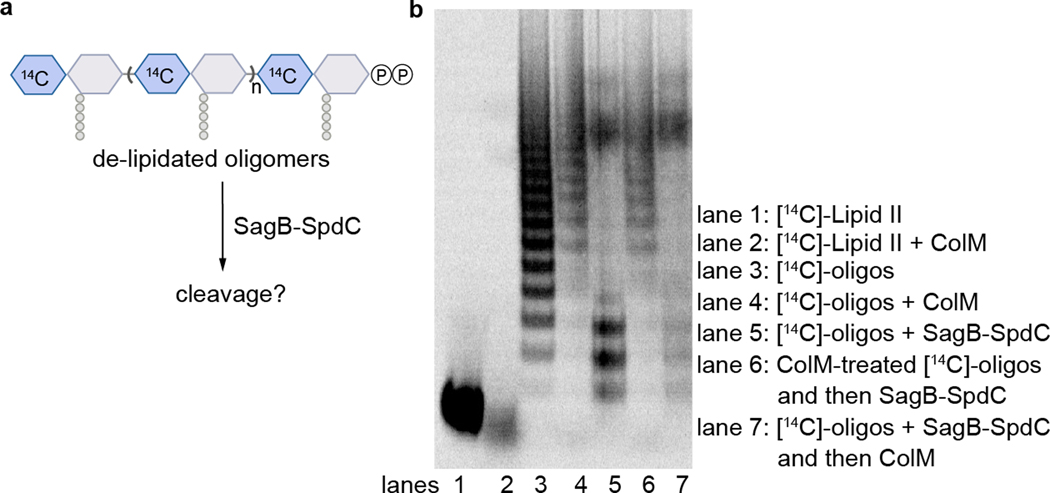
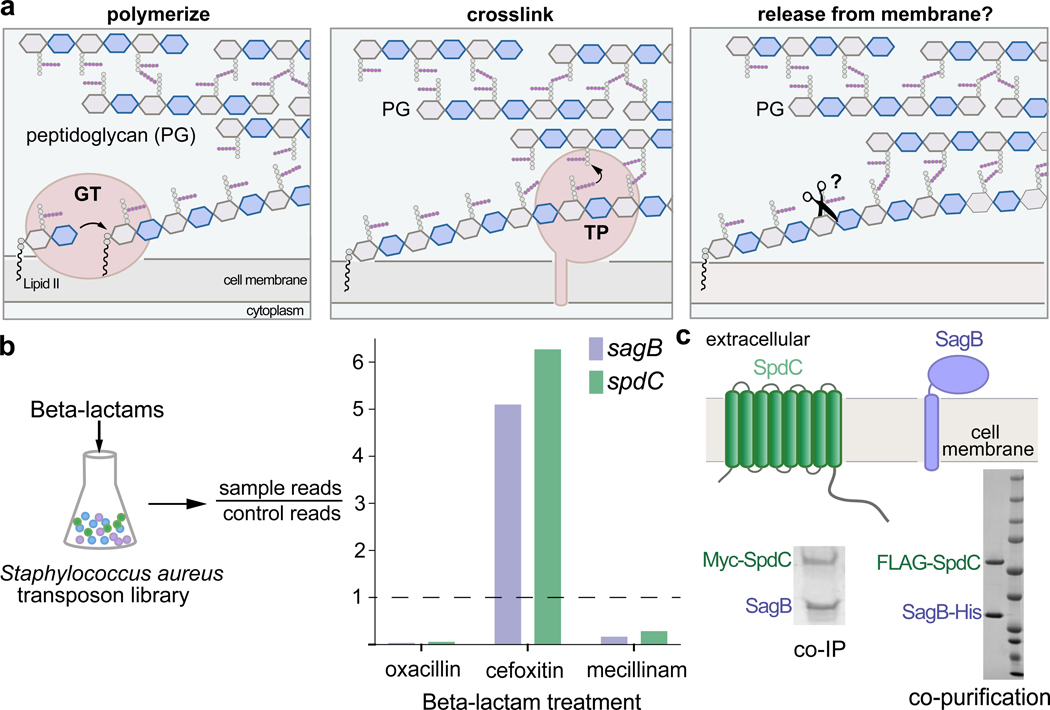
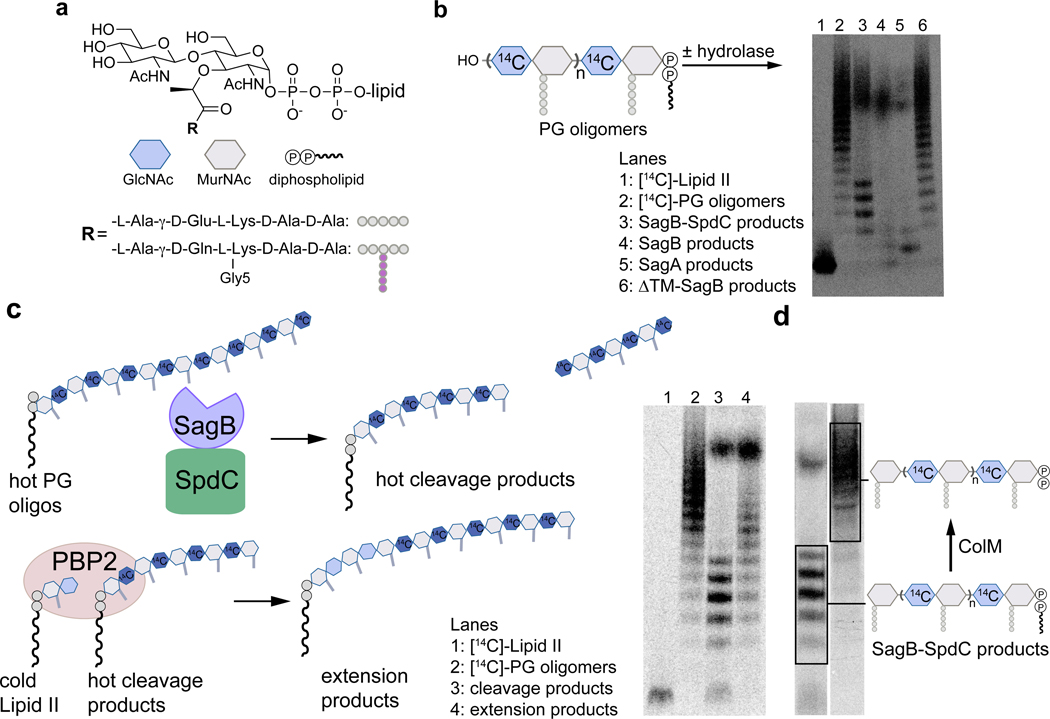
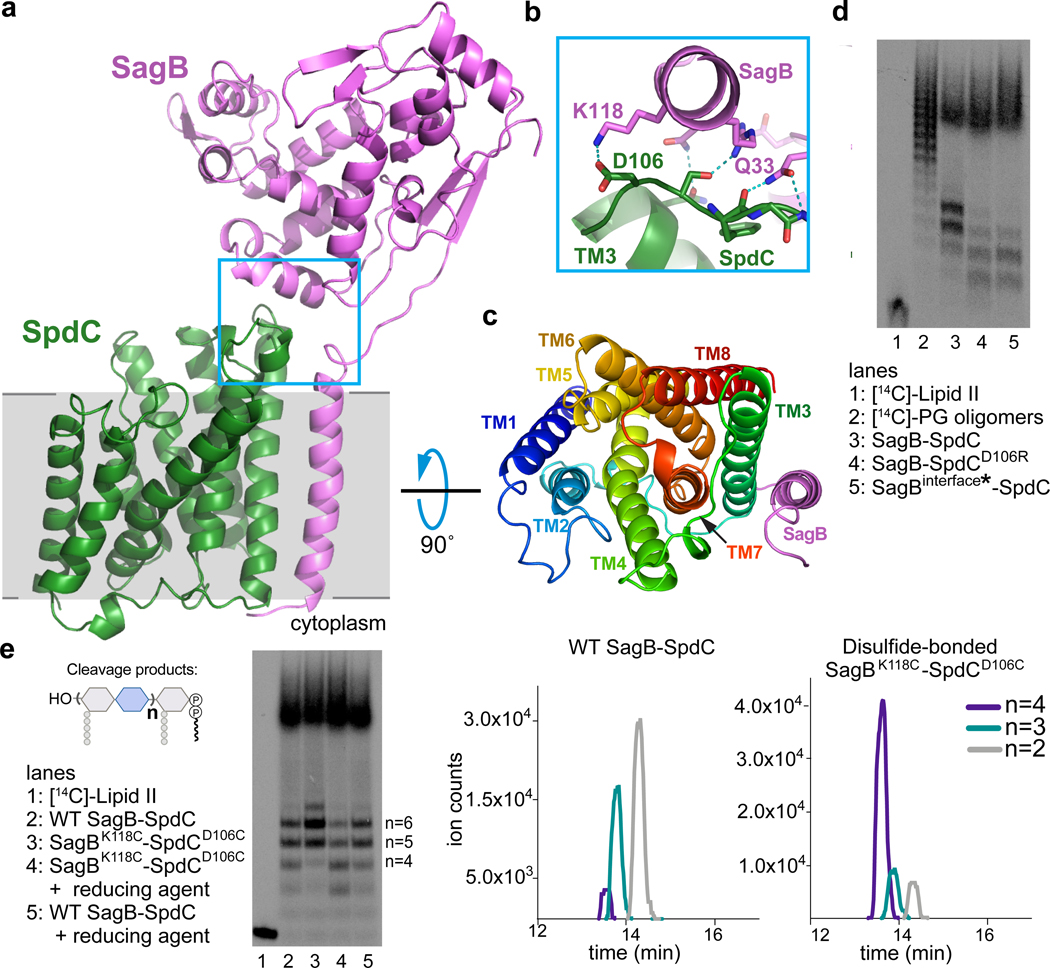
Bacteria are encapsulated by a peptidoglycan cell wall that is essential for their survival. During cell wall assembly, a lipid-linked disaccharide-peptide precursor called lipid II is polymerized and cross-linked to produce mature peptidoglycan. As lipid II is polymerized, nascent polymers remain membrane-anchored at one end, and the other end becomes cross-linked to the matrix. How bacteria release newly synthesized peptidoglycan strands from the membrane to complete the synthesis of mature peptidoglycan is a long-standing question. Here, we show that a Staphylococcus aureus cell wall hydrolase and a membrane protein that contains eight transmembrane helices form a complex that may function as a peptidoglycan release factor. The complex cleaves nascent peptidoglycan internally to produce free oligomers as well as lipid-linked oligomers that can undergo further elongation. The polytopic membrane protein, which is similar to a eukaryotic CAAX protease, controls the length of these products. A structure of the complex at a resolution of 2.6 Å shows that the membrane protein scaffolds the hydrolase to orient its active site for cleaving the glycan strand. We propose that this complex functions to detach newly synthesized peptidoglycan polymer from the cell membrane to complete integration into the cell wall matrix.
细菌被一层肽聚糖细胞壁所包裹,该细胞壁对其生存至关重要。在细胞壁组装过程中,一种名为脂质 II 的脂联二糖-肽前体被聚合并交联,以产生成熟的肽聚糖。随着脂质 II 的聚合,新生聚合物的一端仍然与膜锚定,另一端与基质交联。细菌如何将新合成的肽聚糖链从膜上释放出来以完成成熟肽聚糖的合成是一个长期存在的问题。在这里,我们表明金黄色葡萄球菌细胞壁水解酶和一种含有八个跨膜螺旋的膜蛋白形成一个复合物,该复合物可能作为肽聚糖释放因子发挥作用。该复合物在内部切割新生肽聚糖,产生游离低聚物以及可以进一步延长的脂联低聚物。这种多拓扑膜蛋白类似于真核细胞的 CAAX 蛋白酶,控制这些产物的长度。复合物的结构分辨率为 2.6Å,表明膜蛋白支架将水解酶定向其活性位点以切割聚糖链。我们提出,该复合物的功能是将新合成的肽聚糖聚合物从细胞膜上分离出来,以完成与细胞壁基质的整合。