Amicarelli Vera, Bux Christian
Department of Economics, Management and Business Law, University of Bari Aldo Moro, Bari, Italy.
Food Secur. 2021;13(1):25-37. doi: 10.1007/s12571-020-01121-z. Epub 2020 Nov 6.
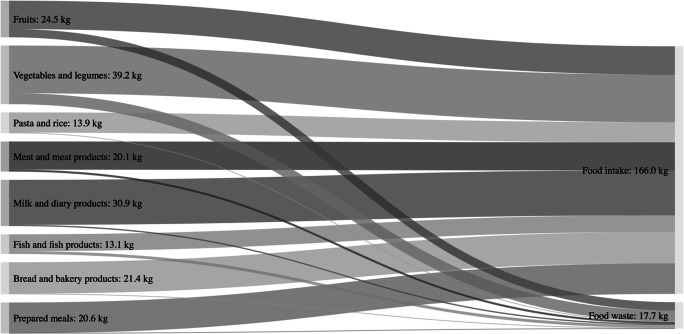
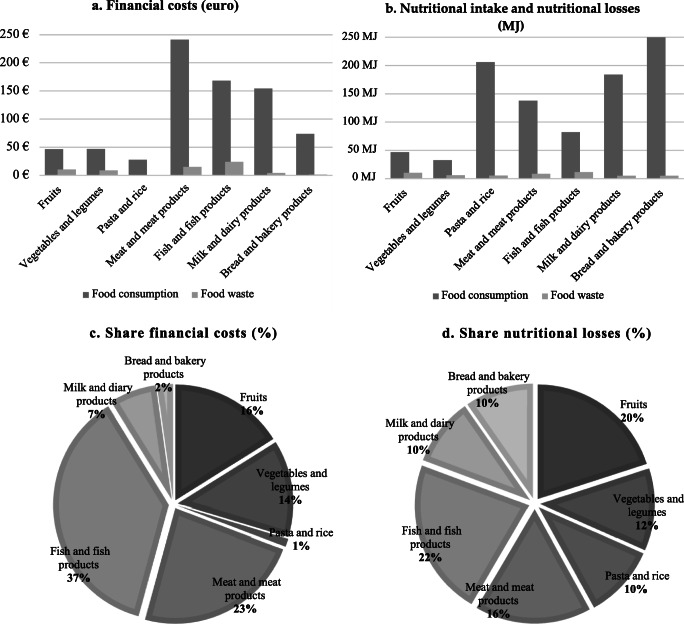
Food waste prevention and reduction are an economic, social and environmental concern included among the 17 Sustainable Development Goals (SDGs) within Agenda 2030 for Sustainable Development. The third target under SDG 12 (Target 12.3) on aims to halve food waste by 2030 at retail and consumer levels, considering that more than half of its quantity is generated by final consumers, both indoor and outdoor. However, the Covid-19 pandemic outbreak at the beginning of 2020 imposed several food consumption behaviors and lifestyle changes: food service facilities (e.g., restaurants, pubs, cafés, hotels, resorts) have been closed roughly all over the world, generating a sharp domestic consumption and an expected increase in household waste. The authors conducted an explorative research through the food diary approach. The purpose of this paper is to have a better understanding of household food consumption and wastage trends during Covid-19 pandemic testing, as well as food diary methodology strengths and weaknesses. Food diaries, even with their intrinsic limitations and biases, represent a valuable technique to obtain detailed qualitative and quantitative knowledge on daily food consumption and consumers' behavior. Through the limited but significant results achieved, the authors highlight the logistics of the methodology and the food waste generation trends among a small sample of Italian families during the Covid-19 pandemic. Further, healthier work-life balances, adequate time management and food delivery seem to be good opportunities for food waste reduction in households.
预防和减少食物浪费是《2030年可持续发展议程》17项可持续发展目标(SDGs)中涉及的经济、社会和环境问题。可持续发展目标12(目标12.3)的第三个目标旨在到2030年将零售和消费层面的食物浪费减半,因为其数量的一半以上是由室内和室外的最终消费者产生的。然而,2020年初新冠疫情的爆发带来了一些食物消费行为和生活方式的改变:世界各地的食品服务设施(如餐馆、酒吧、咖啡馆、酒店、度假村)几乎全部关闭,导致家庭消费急剧增加,家庭垃圾预计也会增多。作者通过食物日记法进行了一项探索性研究。本文的目的是更好地了解新冠疫情期间家庭食物消费和浪费趋势,以及食物日记方法的优缺点。食物日记尽管有其固有的局限性和偏差,但仍是获取有关日常食物消费和消费者行为的详细定性和定量知识的宝贵技术。通过取得的有限但重要的结果,作者强调了该方法的运作情况以及新冠疫情期间一小部分意大利家庭中的食物浪费产生趋势。此外,更健康的工作与生活平衡、合理的时间管理和食物配送似乎是减少家庭食物浪费的良好契机。