Department of Microbiology, Graduate School, Daejeon University, Daejeon, Republic of Korea.
Soonchunhyang Institute of Medi-bio Science, Soonchunhyang University, Cheonan, Republic of Korea.
mSphere. 2020 Nov 11;5(6):e00998-20. doi: 10.1128/mSphere.00998-20.
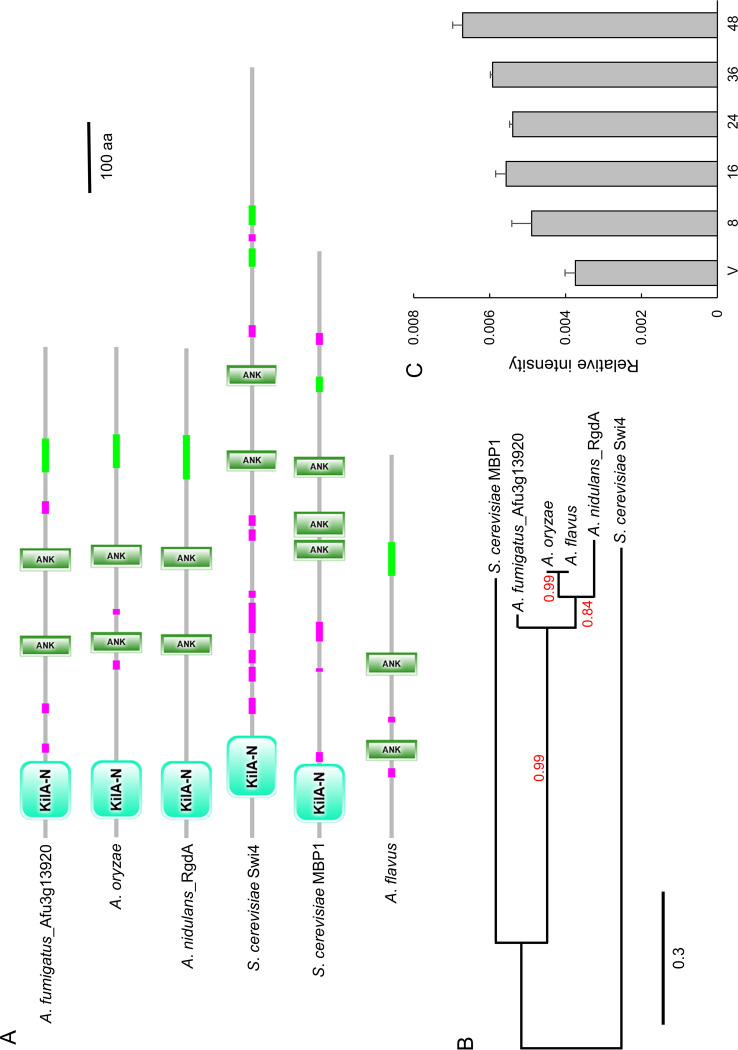
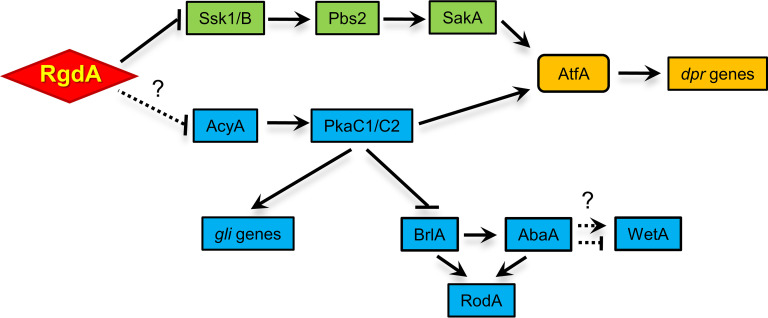
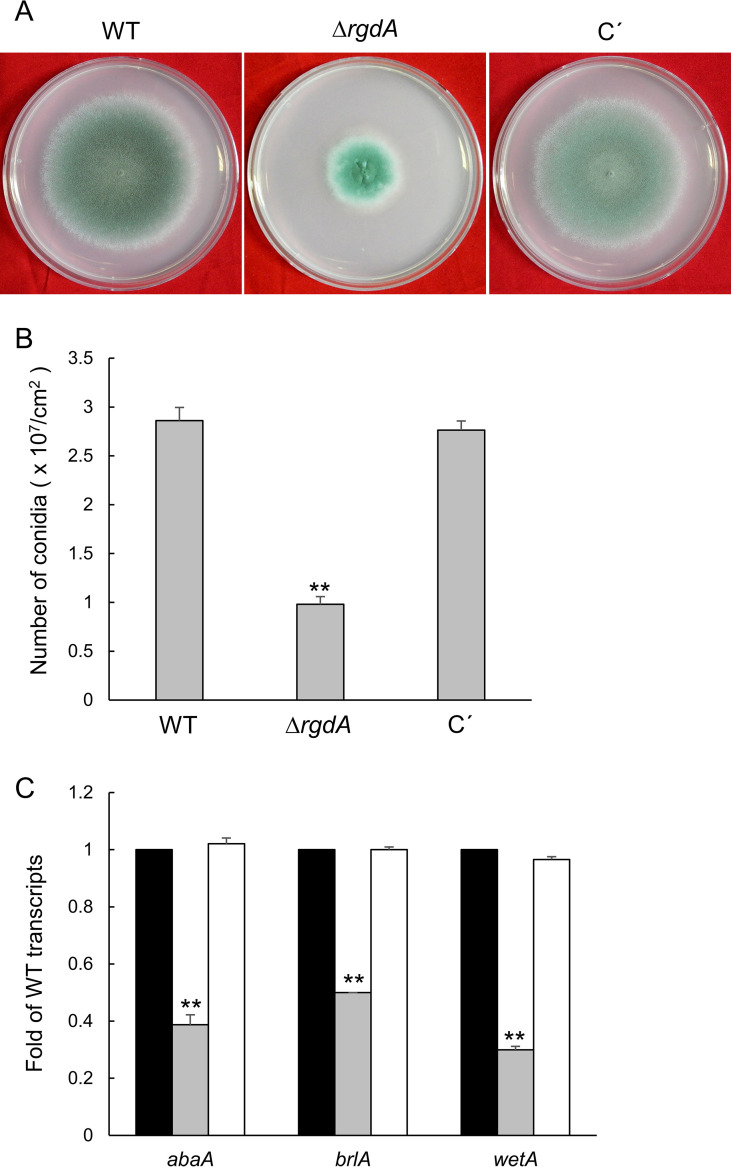
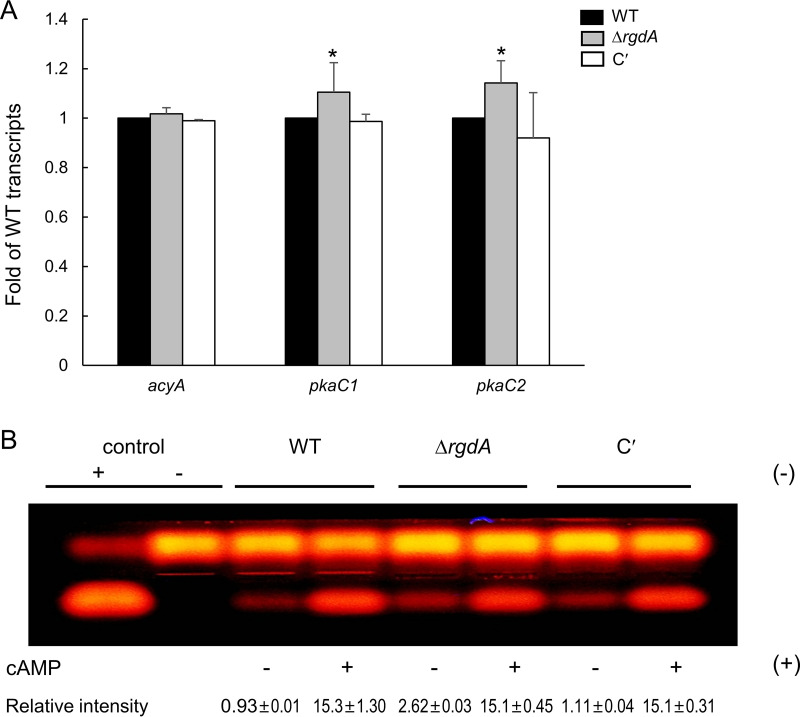
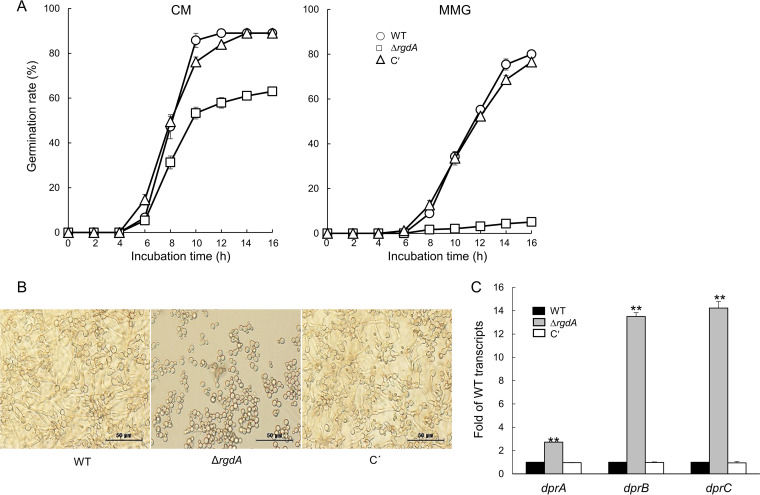
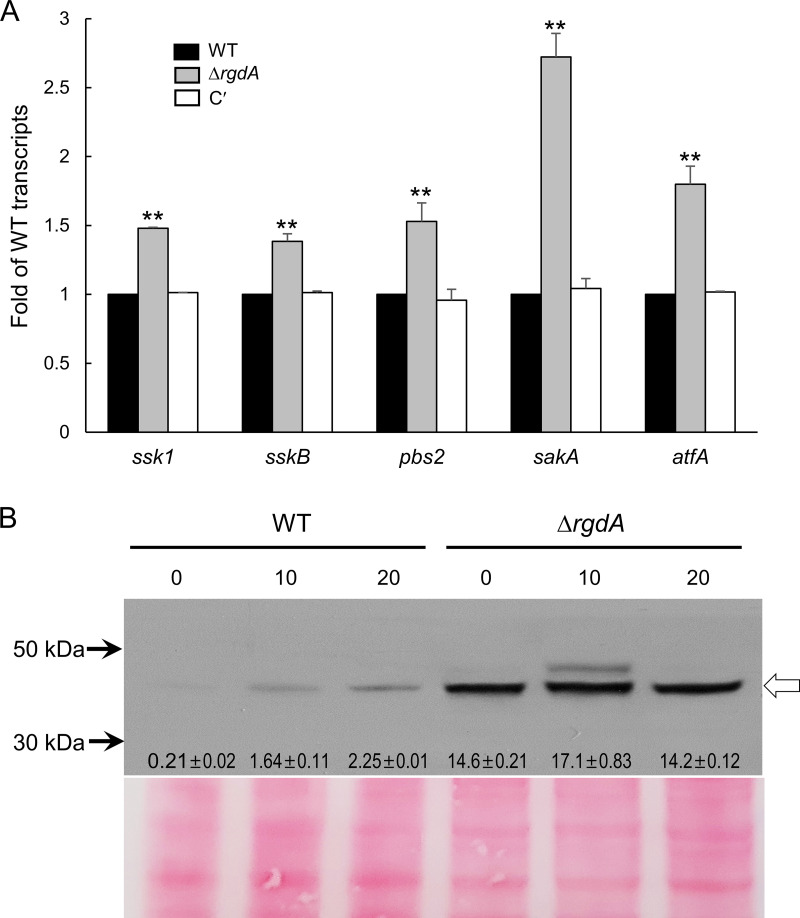
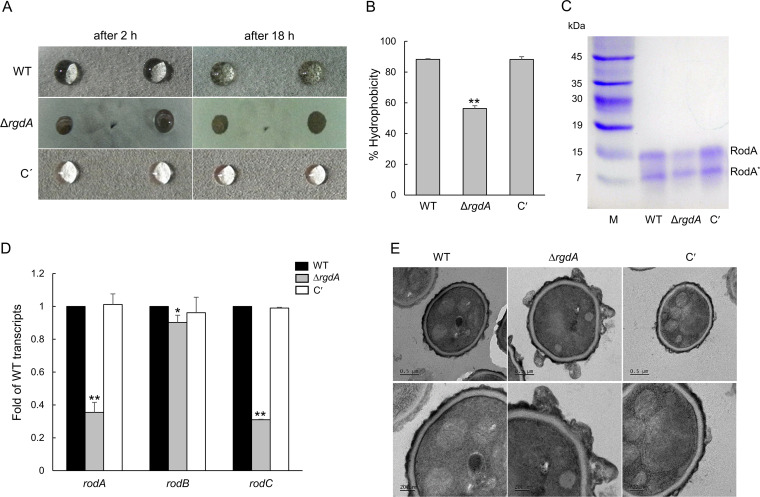
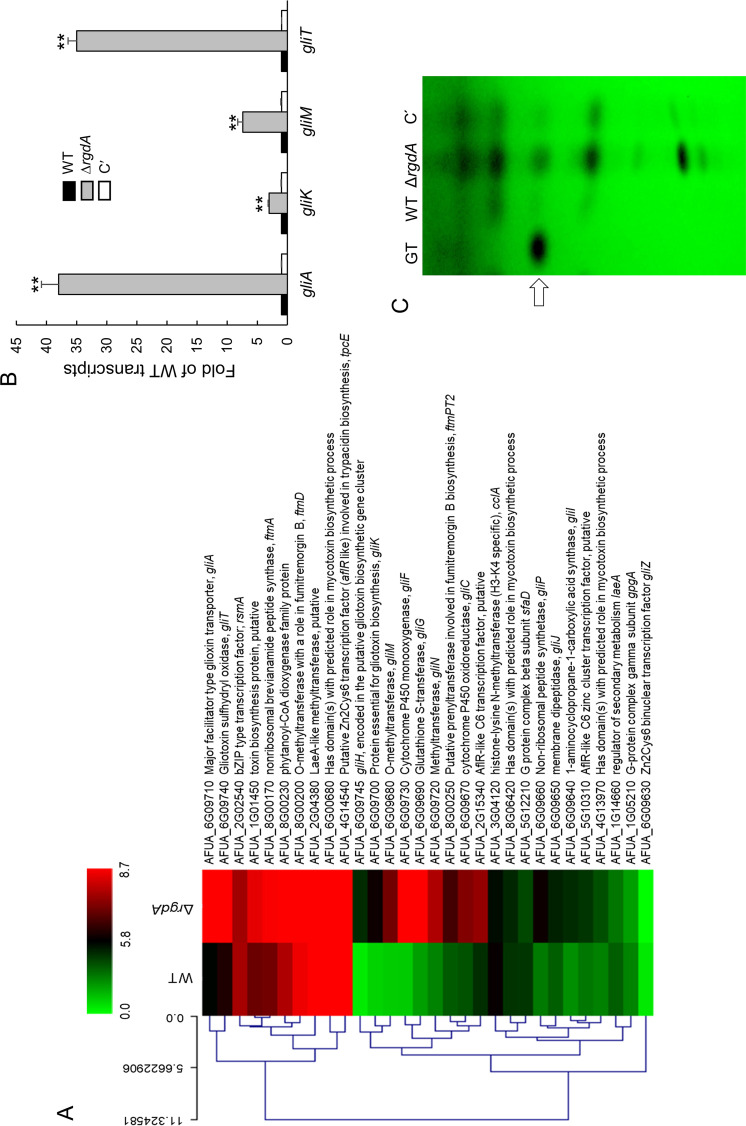
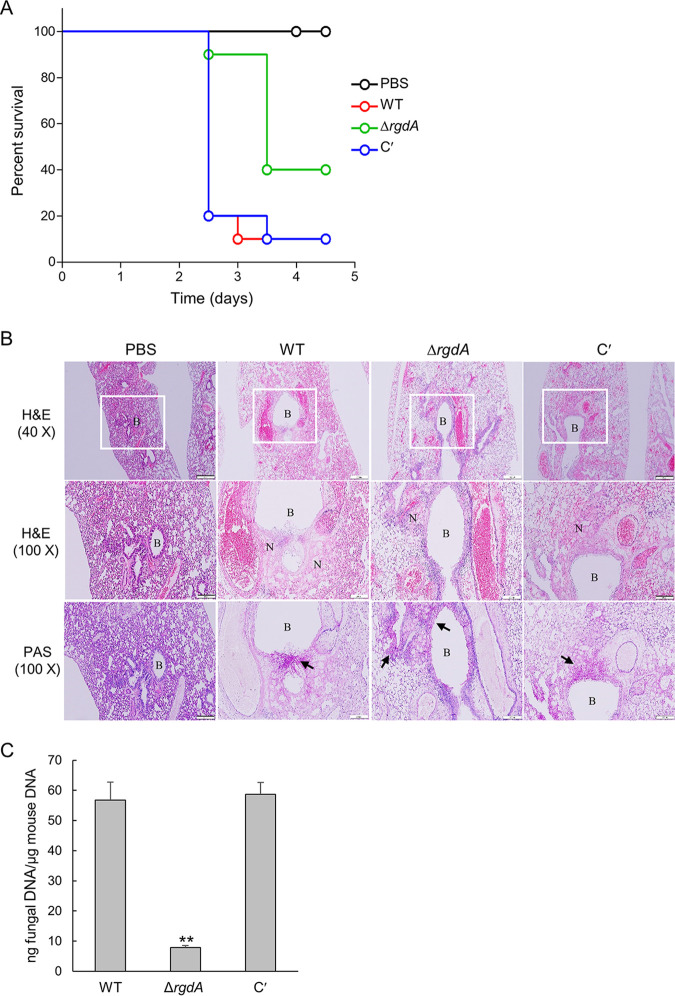
The APSES transcription factor (TF) in species is known to govern diverse cellular processes, including growth, development, and secondary metabolism. Here, we investigated functions of the gene (Afu3g13920) encoding a putative APSES TF in the opportunistic human-pathogenic fungus The deletion resulted in significantly decreased hyphal growth and asexual sporulation. Consistently, transcript levels of the key asexual developmental regulators , , and were decreased in the Δ mutant compared to those in the wild type (WT). Moreover, Δ resulted in reduced spore germination rates and elevated transcript levels of genes associated with conidium dormancy. The conidial cell wall hydrophobicity and architecture were changed, and levels of the RodA protein were decreased in the Δ mutant. Comparative transcriptomic analyses revealed that the Δ mutant showed higher mRNA levels of gliotoxin (GT)-biosynthetic genes and GT production. While the Δ mutant exhibited elevated production of GT, Δ strains showed reduced virulence in the mouse model. In addition, mRNA levels of genes associated with the cyclic AMP (cAMP)-protein kinase A (PKA) signaling pathway and the SakA mitogen-activated protein (MAP) kinase pathway were increased in the Δ mutant. In summary, RgdA plays multiple roles in governing growth, development, GT production, and virulence which may involve attenuation of PKA and SakA signaling. Immunocompromised patients are susceptible to infections with the opportunistic human-pathogenic fungus This fungus causes systemic infections such as invasive aspergillosis (IA), which is one of the most life-threatening fungal diseases. To control this serious disease, it is critical to identify new antifungal drug targets. In fungi, the transcriptional regulatory proteins of the APSES family play crucial roles in controlling various biological processes, including mating, asexual sporulation and dimorphic growth, and virulence traits. This study found that a putative APSES transcription factor, RgdA, regulates normal growth, asexual development, conidium germination, spore wall architecture and hydrophobicity, toxin production, and virulence in Better understanding the molecular mechanisms of RgdA in human-pathogenic fungi may reveal a novel antifungal target for future drug development.
物种中的 APSES 转录因子 (TF) 已知能调控多种细胞过程,包括生长、发育和次生代谢。在这里,我们研究了编码假定的 APSES TF 的 基因(Afu3g13920)在机会性人病原真菌 中的功能。 缺失导致菌丝生长和无性孢子形成显著减少。一致地,与野生型 (WT) 相比,关键无性发育调节剂 、 、 和 的转录水平在 Δ 突变体中降低。此外,Δ 导致孢子萌发率降低,与分生孢子休眠相关的基因的转录水平升高。Δ 突变体的分生孢子细胞壁疏水性和结构发生改变,RodA 蛋白水平降低。比较转录组分析显示,Δ 突变体表现出更高的Gliotoxin (GT)-生物合成基因和 GT 产生的 mRNA 水平。虽然 Δ 突变体表现出 GT 产量升高,但 Δ 菌株在小鼠模型中的毒力降低。此外,与环腺苷酸 (cAMP)-蛋白激酶 A (PKA) 信号通路和 SakA 有丝分裂原激活蛋白 (MAP) 激酶通路相关的基因的 mRNA 水平在 Δ 突变体中升高。总之,RgdA 在调控生长、发育、GT 产生和毒力方面发挥多种作用,这可能涉及 PKA 和 SakA 信号的衰减。免疫功能低下的患者易感染机会性人病原真菌 该真菌引起系统性感染,如侵袭性曲霉病 (IA),这是最具威胁生命的真菌病之一。为了控制这种严重疾病,识别新的抗真菌药物靶点至关重要。在真菌中,APSES 家族的转录调节蛋白在控制各种生物过程中起着至关重要的作用,包括交配、无性孢子形成和二态生长以及毒力特征。这项研究发现,一个假定的 APSES 转录因子,RgdA,调节正常生长、无性发育、分生孢子萌发、孢子壁结构和疏水性、毒素产生和毒力在 更好地理解 RgdA 在人病原真菌中的分子机制可能为未来药物开发揭示一个新的抗真菌靶点。