Children's Health Queensland Clinical Unit, School of Clinical Medicine, Faculty of Medicine, Mater Research, University of Queensland, ST Lucia, Brisbane, Queensland 4078, Australia; School of Biomedical Sciences, Faculty of Medicine, University of Queensland, ST Lucia, Brisbane, Queensland 4078, Australia.
Int Immunopharmacol. 2020 Nov;88:106980. doi: 10.1016/j.intimp.2020.106980. Epub 2020 Sep 8.
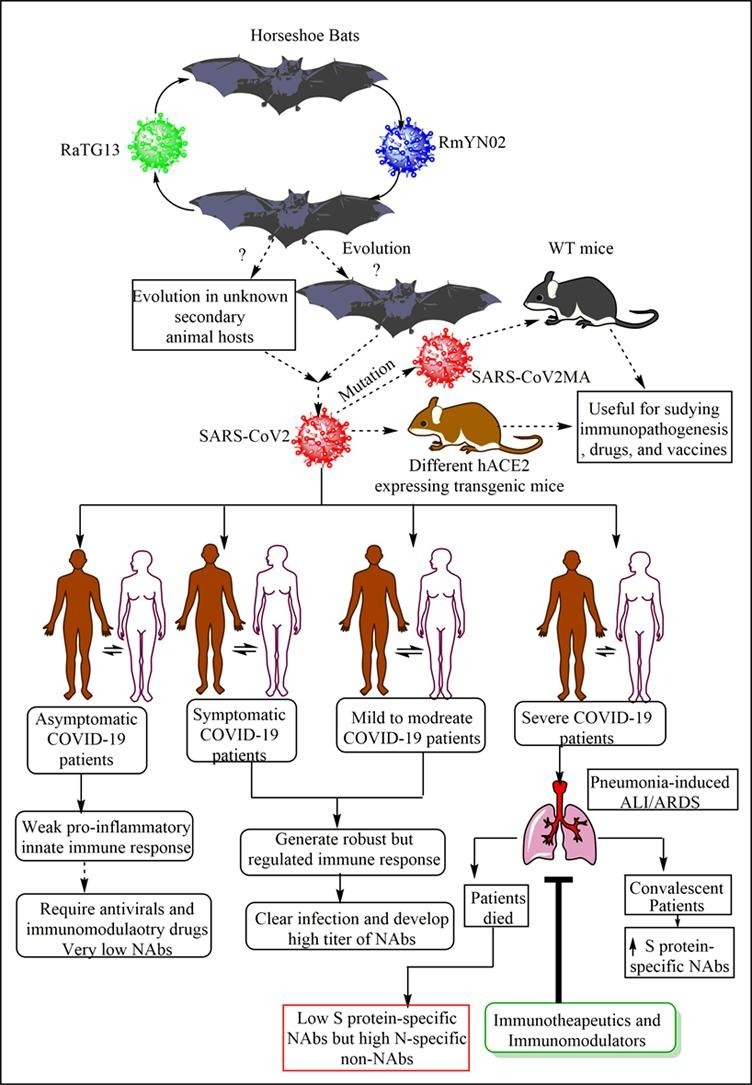
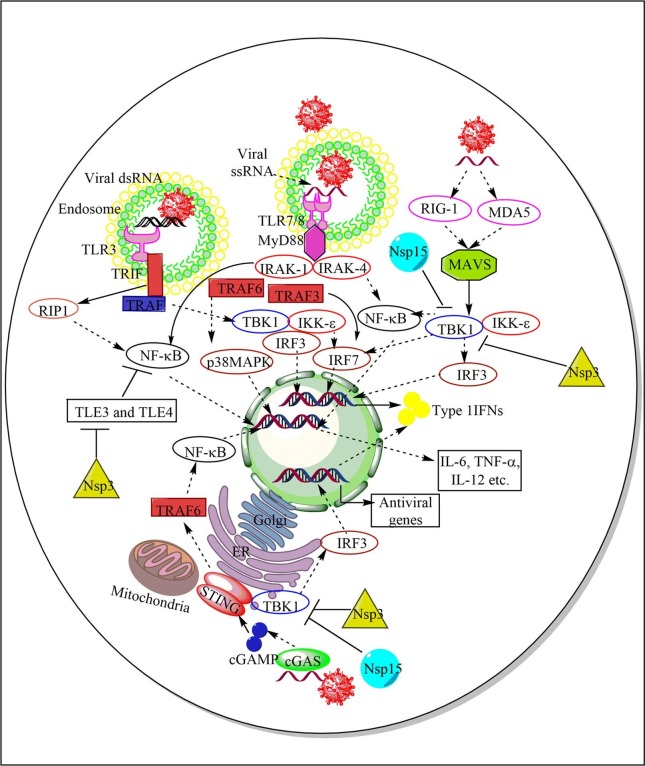
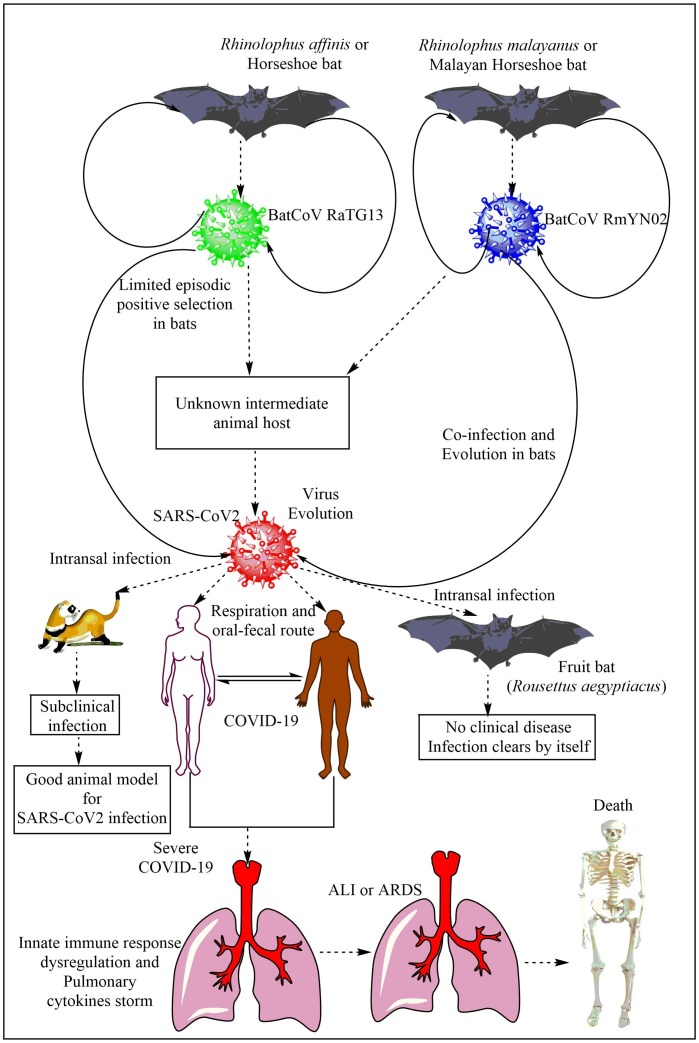
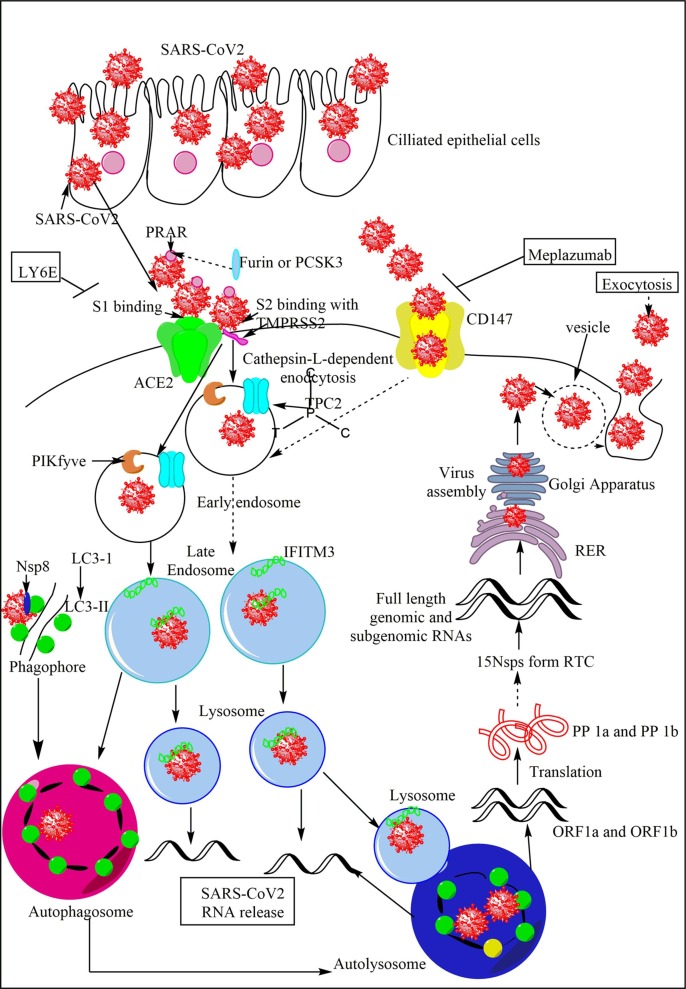
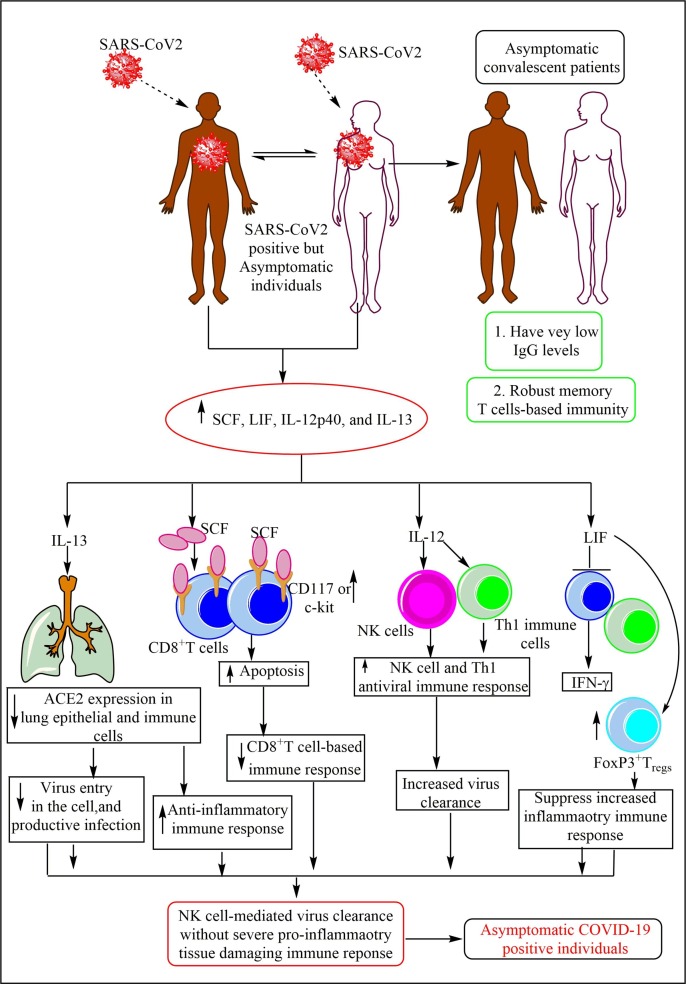
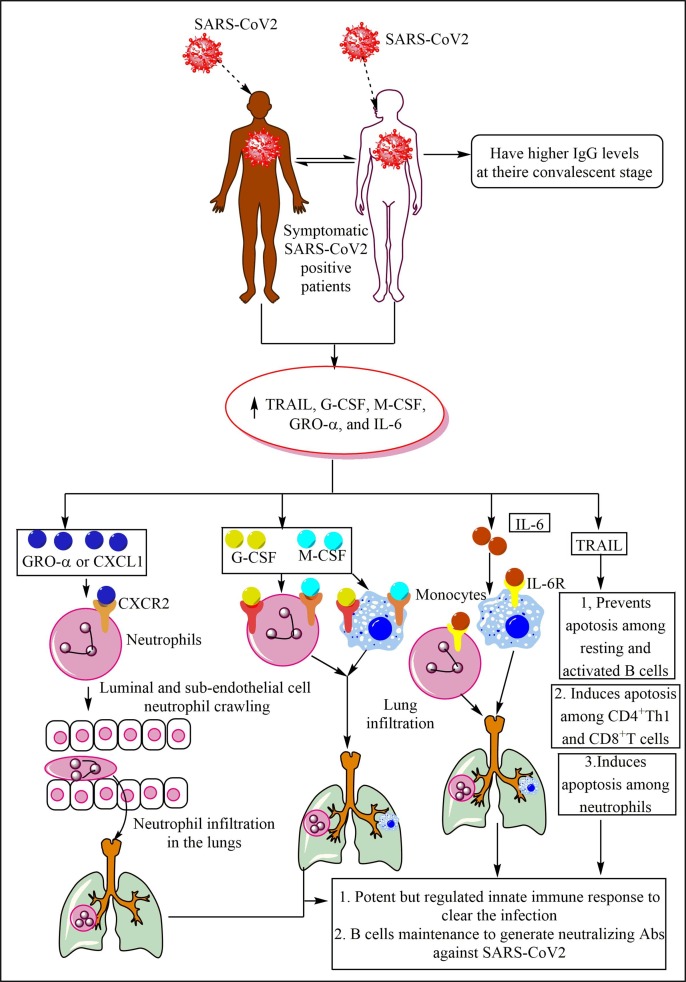
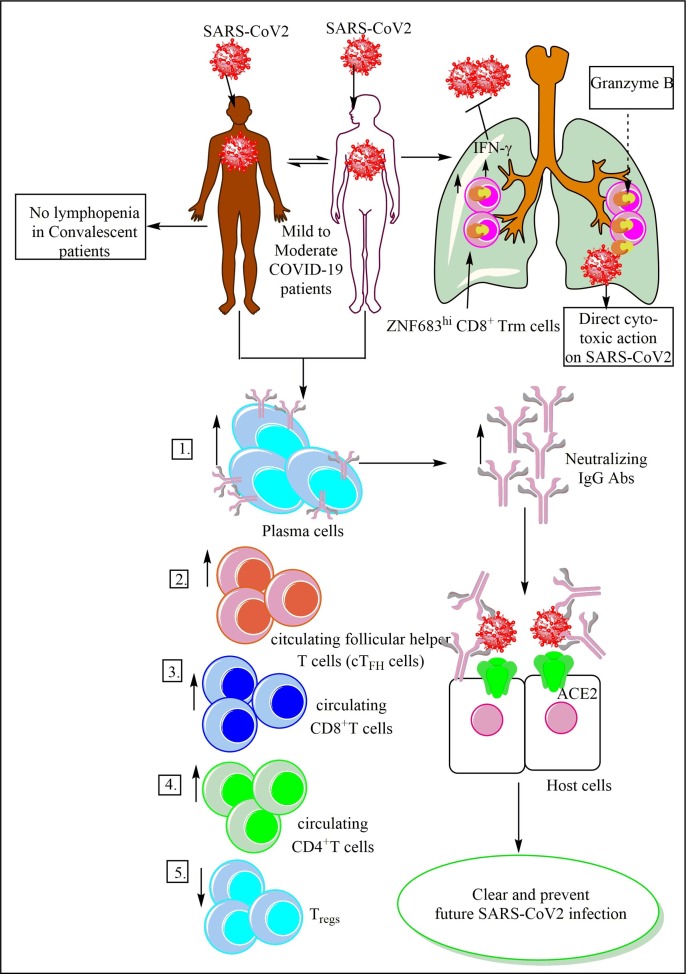
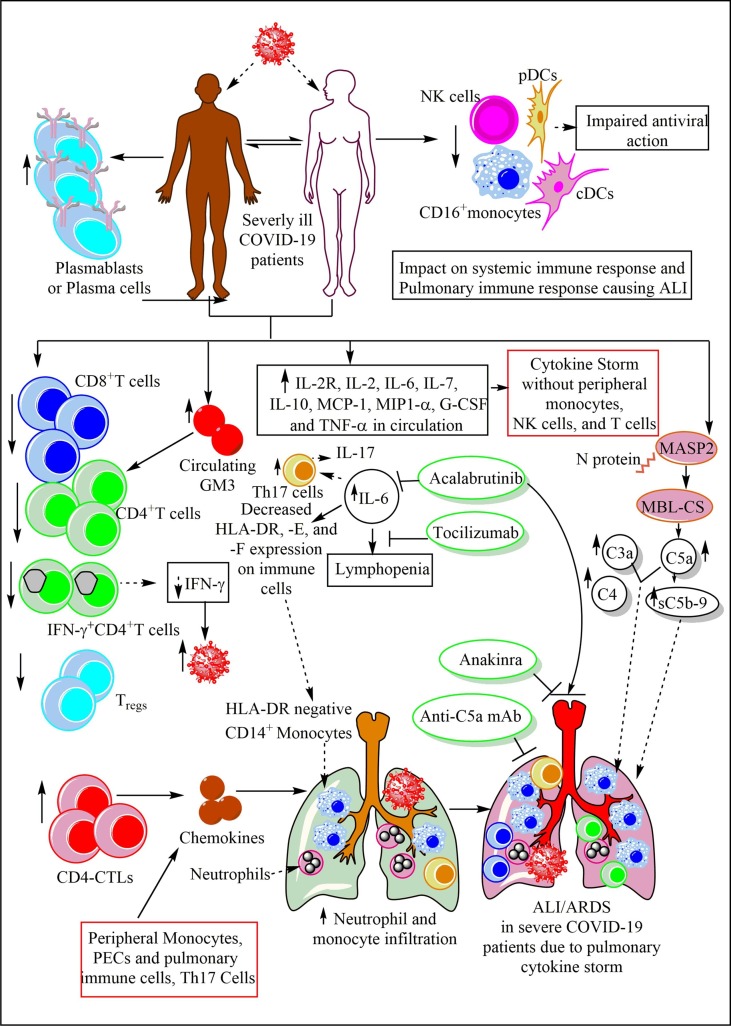
Emerging infectious diseases always pose a threat to humans along with plant and animal life. SARS-CoV2 is the recently emerged viral infection that originated from Wuhan city of the Republic of China in December 2019. Now, it has become a pandemic. Currently, SARS-CoV2 has infected more than 27.74 million people worldwide, and taken 901,928 human lives. It was named first 'WH 1 Human CoV' and later changed to 2019 novel CoV (2019-nCoV). Scientists have established it as a zoonotic viral disease emerged from Chinese horseshoe bats, which do not develop a severe infection. For example, Rhinolophus Chinese horseshoe bats harboring severe acute respiratory syndrome-related coronavirus (SARSr-CoV) or SARSr-Rh-BatCoV appear healthy and clear the virus within 2-4 months period. The article introduces first the concept of EIDs and some past EIDs, which have affected human life. Next section discusses mysteries regarding SARS-CoV2 origin, its evolution, and human transfer. Third section describes COVID-19 clinical symptoms and factors affecting susceptibility or resistance. The fourth section introduces the SARS-CoV2 entry in the host cell, its replication, and the establishment of productive infection. Section five describes the host's immune response associated with asymptomatic, symptomatic, mild to moderate, and severe COVID-19. The subsequent seventh and eighth sections mention the immune status in COVID-19 convalescent patients and re-emergence of COVID-19 in them. Thereafter, the eighth section describes viral strategies to hijack the host antiviral immune response and generate the "cytokine storm". The ninth section describes about transgenic humane ACE2 (hACE2) receptor expressing mice to study immunity, drugs, and vaccines. The article ends with the development of different immunomodulatory and immunotherapeutics strategies, including vaccines waiting for their approval in humans as prophylaxis or treatment measures.
新发传染病总是对人类、动植物生命构成威胁。SARS-CoV2 是一种新出现的病毒感染,于 2019 年 12 月起源于中华民国武汉市。如今,它已成为一种大流行疾病。目前,SARS-CoV2 已在全球范围内感染了超过 2774 万人,并夺走了 901928 人的生命。它最初被命名为“WH 1 人冠状病毒”,后来更改为 2019 年新型冠状病毒(2019-nCoV)。科学家们已经确定它是一种源自中国马蹄蝠的人畜共患病毒性疾病,而这些蝙蝠本身不易受到严重感染。例如,携带严重急性呼吸系统综合征相关冠状病毒(SARSr-CoV)或 SARSr-Rh-BatCoV 的中华菊头蝠似乎健康无恙,并能在 2-4 个月内清除病毒。本文首先介绍了新发传染病的概念以及一些曾对人类生命造成影响的过去的新发传染病。接下来的一节讨论了 SARS-CoV2 的起源、进化和人际传播的奥秘。第三节描述了 COVID-19 的临床症状以及影响易感性或抵抗力的因素。第四节介绍了 SARS-CoV2 进入宿主细胞、复制和建立有性感染的过程。第五节描述了宿主与无症状、有症状、轻度至中度和重度 COVID-19 相关的免疫反应。随后的第七和第八节提到了 COVID-19 康复患者的免疫状态以及他们再次感染 COVID-19 的情况。此后,第八节描述了病毒劫持宿主抗病毒免疫反应并引发“细胞因子风暴”的策略。第九节介绍了表达转基因人类 ACE2(hACE2)受体的转基因小鼠,用于研究免疫、药物和疫苗。本文最后介绍了不同的免疫调节和免疫治疗策略的发展,包括等待在人类中获得批准作为预防或治疗措施的疫苗。