Malankhanova Tuyana, Suldina Lyubov, Grigor'eva Elena, Medvedev Sergey, Minina Julia, Morozova Ksenia, Kiseleva Elena, Zakian Suren, Malakhova Anastasia
Federal Research Center Institute of Cytology and Genetics, Siberian Branch of Russian Academy of Sciences, 630090 Novosibirsk, Russia.
J Pers Med. 2020 Nov 9;10(4):215. doi: 10.3390/jpm10040215.
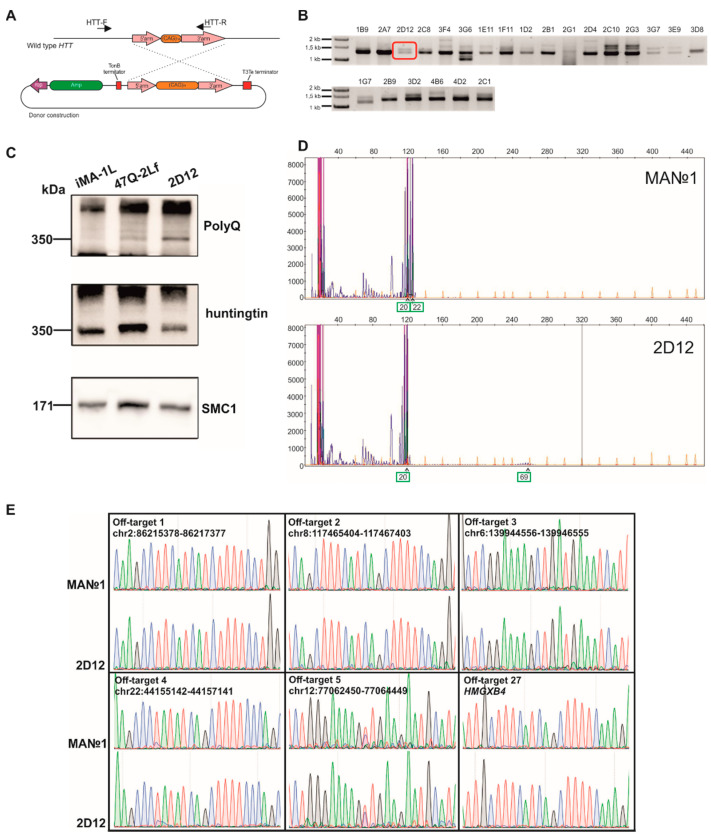
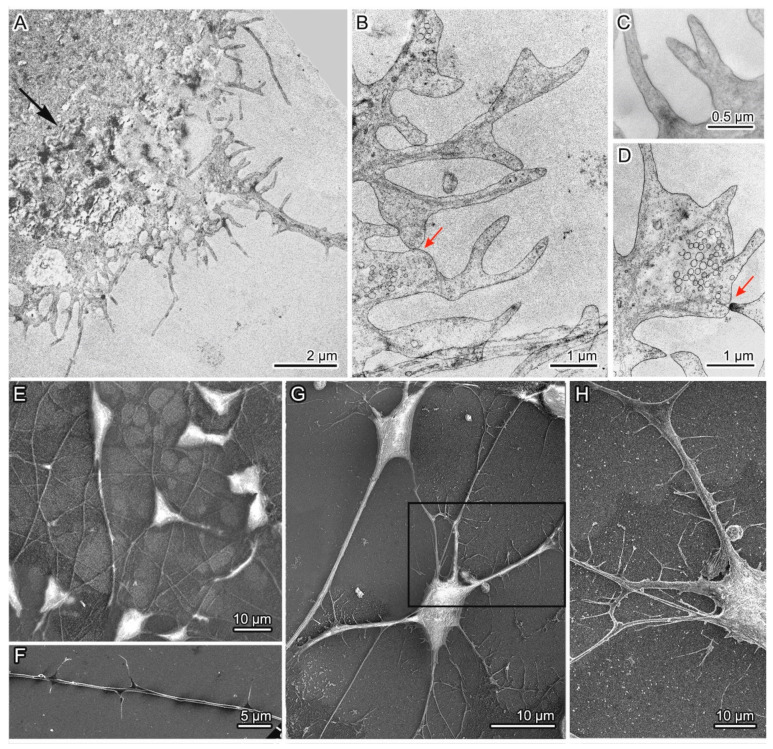
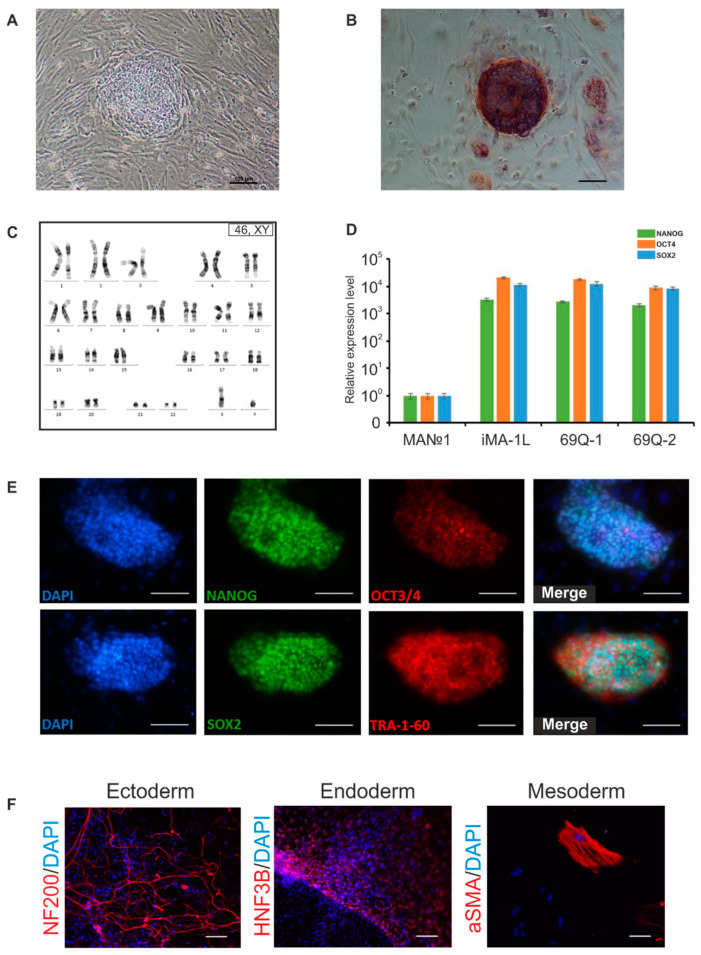
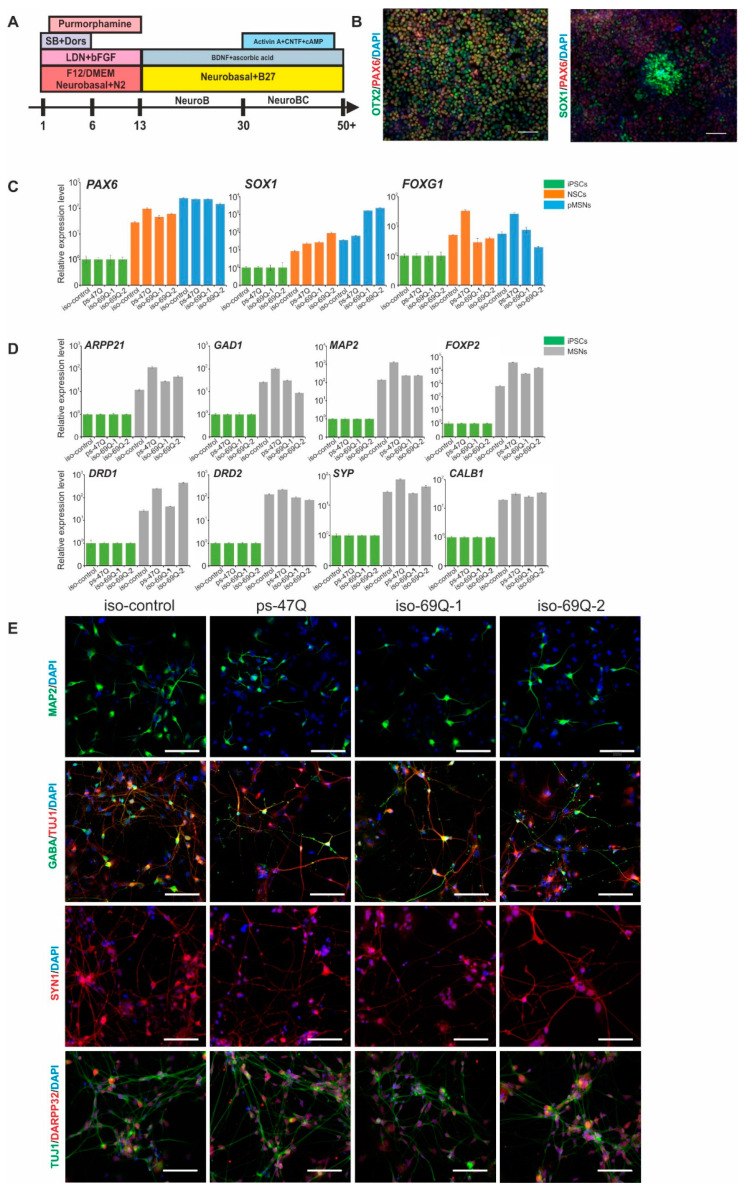
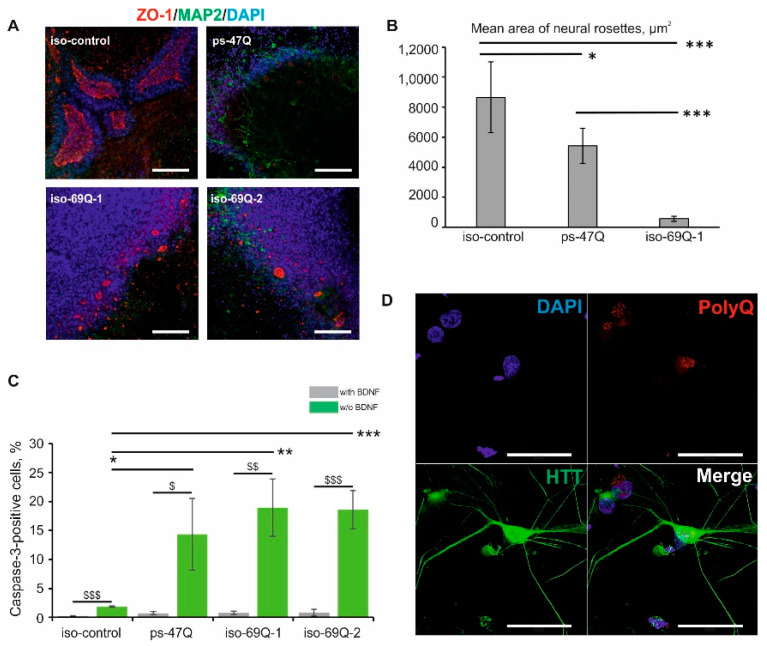
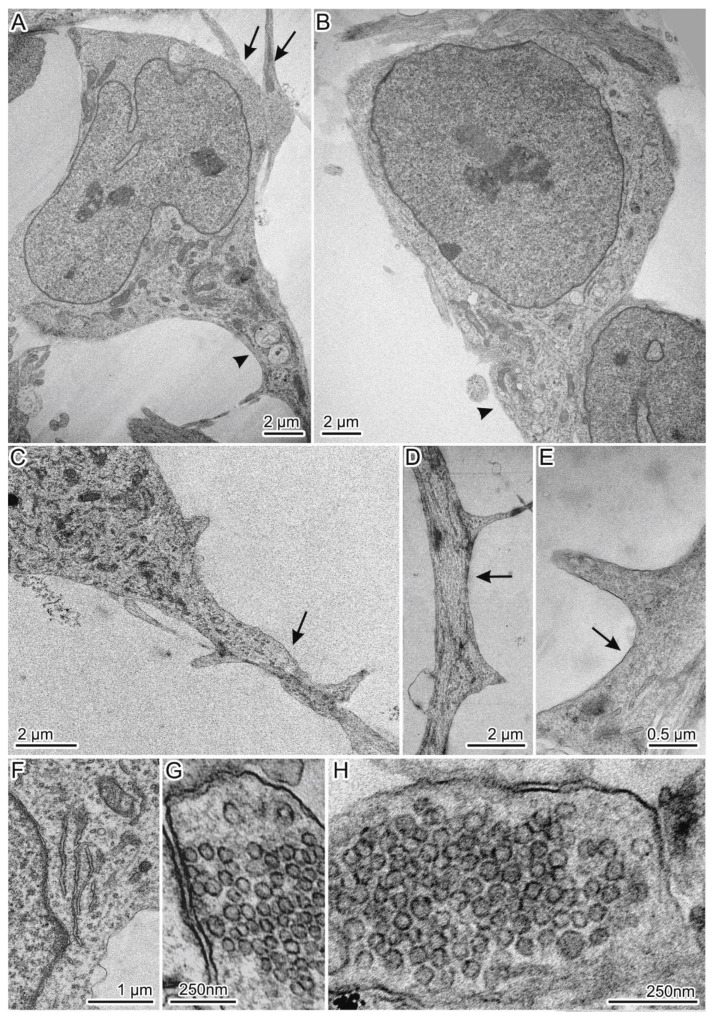
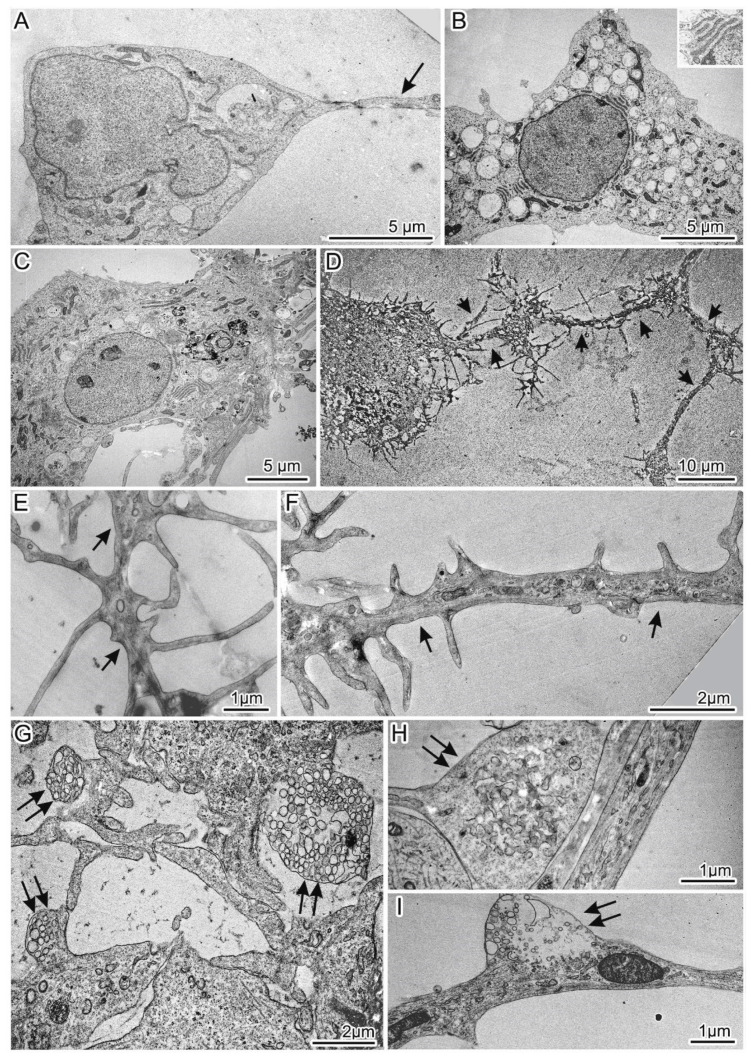
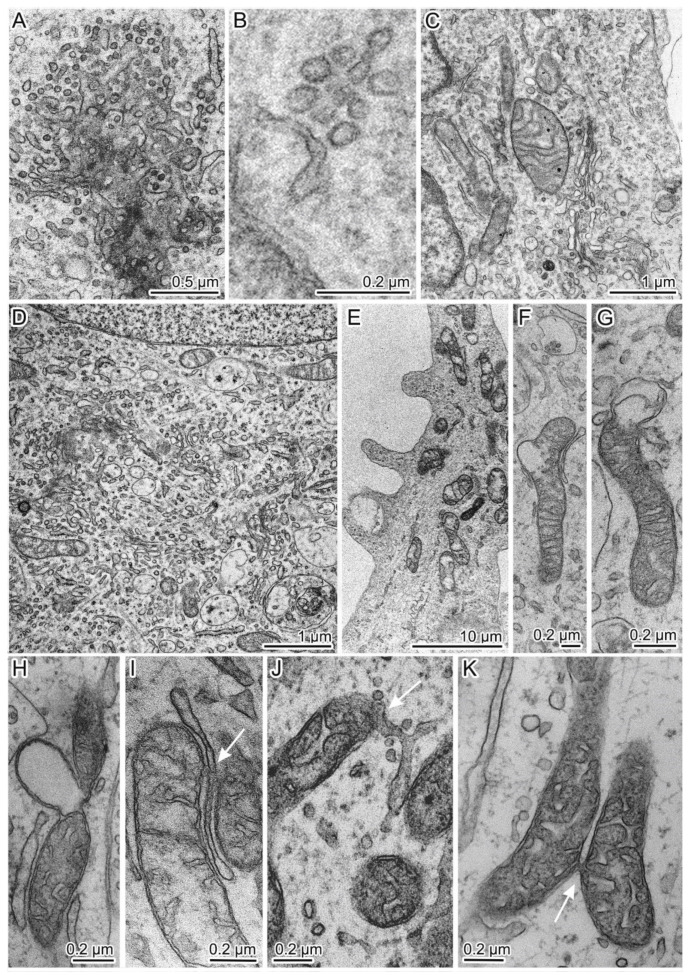
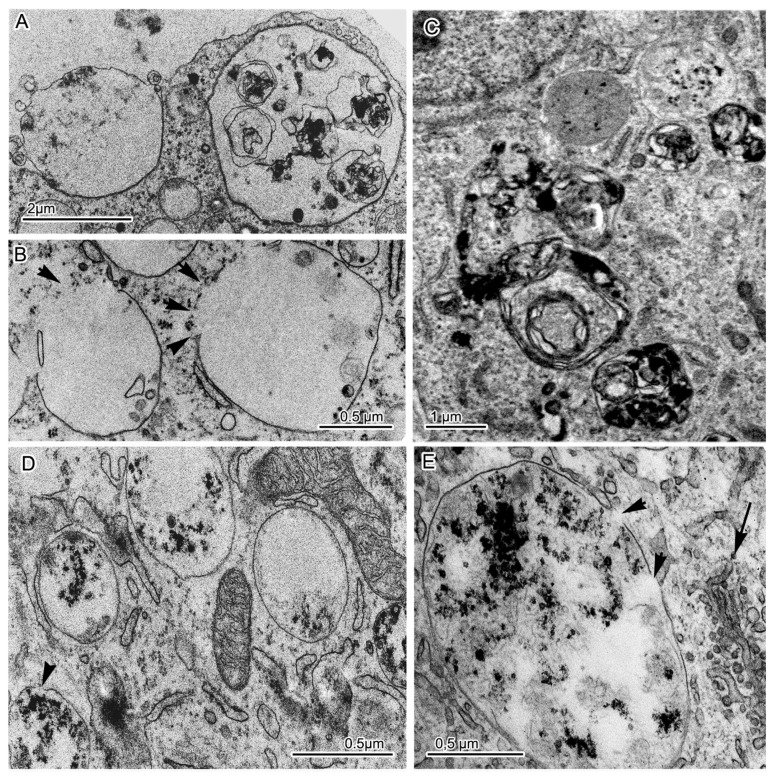
Huntington's disease (HD) is a severe neurodegenerative disorder caused by a CAG triplet expansion in the first exon of the gene. Here we report the introduction of an HD mutation into the genome of healthy human embryonic fibroblasts through CRISPR/Cas9-mediated homologous recombination. We verified the specificity of the created -editing system and confirmed the absence of undesirable genomic modifications at off-target sites. We showed that both mutant and control isogenic induced pluripotent stem cells (iPSCs) derived by reprogramming of the fibroblast clones can be differentiated into striatal medium spiny neurons. We next demonstrated phenotypic abnormalities in the mutant iPSC-derived neural cells, including impaired neural rosette formation and increased sensitivity to growth factor withdrawal. Moreover, using electron microscopic analysis, we detected a series of ultrastructural defects in the mutant neurons, which did not contain huntingtin aggregates, suggesting that these defects appear early in HD development. Thus, our study describes creation of a new isogenic iPSC-based cell system that models HD and recapitulates HD-specific disturbances in the mutant cells, including some ultrastructural features implemented for the first time.
亨廷顿舞蹈症(HD)是一种严重的神经退行性疾病,由该基因第一个外显子中的CAG三联体扩增引起。在此,我们报告通过CRISPR/Cas9介导的同源重组将HD突变引入健康人类胚胎成纤维细胞基因组。我们验证了所创建的编辑系统的特异性,并确认在脱靶位点不存在不良基因组修饰。我们表明,通过对成纤维细胞克隆进行重编程获得的突变型和对照同基因诱导多能干细胞(iPSC)均可分化为纹状体中型多棘神经元。接下来,我们证明了突变型iPSC衍生的神经细胞存在表型异常,包括神经玫瑰花结形成受损以及对生长因子撤除的敏感性增加。此外,通过电子显微镜分析,我们在不含亨廷顿蛋白聚集体的突变神经元中检测到一系列超微结构缺陷,这表明这些缺陷在HD发展早期就已出现。因此,我们的研究描述了一种基于同基因iPSC的新细胞系统的创建,该系统模拟HD并概括了突变细胞中HD特异性紊乱情况,包括首次呈现的一些超微结构特征。