Department of Bromatology, Faculty of Pharmacy with the Laboratory Medicine Division, Medical University of Warsaw, Stefana Banacha 1, 02-097 Warsaw, Poland.
Department of Chemistry, Institute of General and Ecological Chemistry, Lodz University of Technology, Stefana Zeromskiego 116, 90-924 Lodz, Poland.
Nutrients. 2020 Nov 11;12(11):3457. doi: 10.3390/nu12113457.
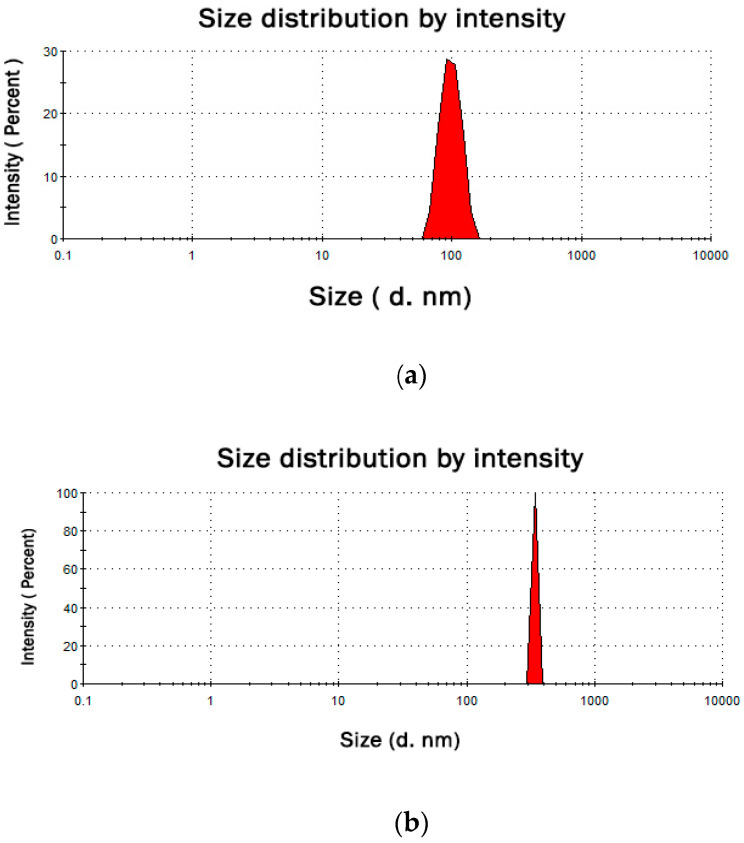
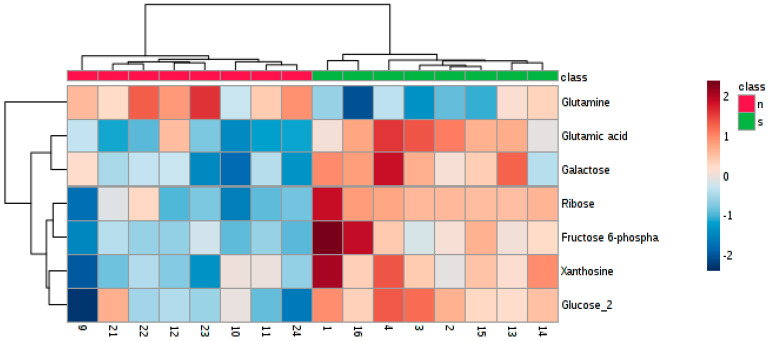
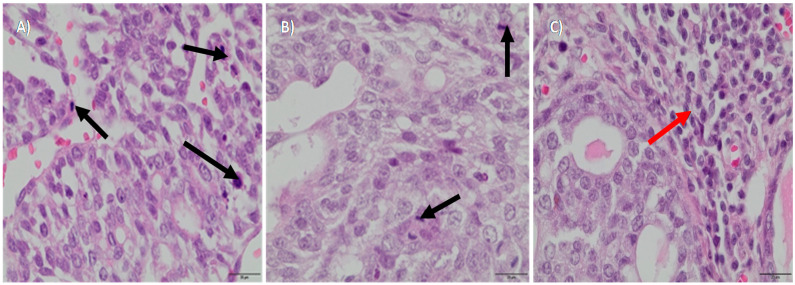
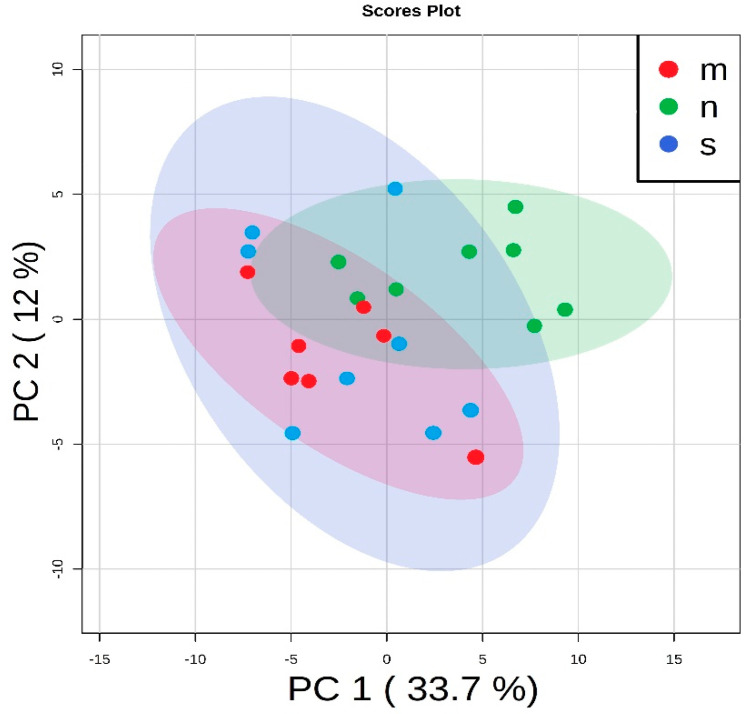
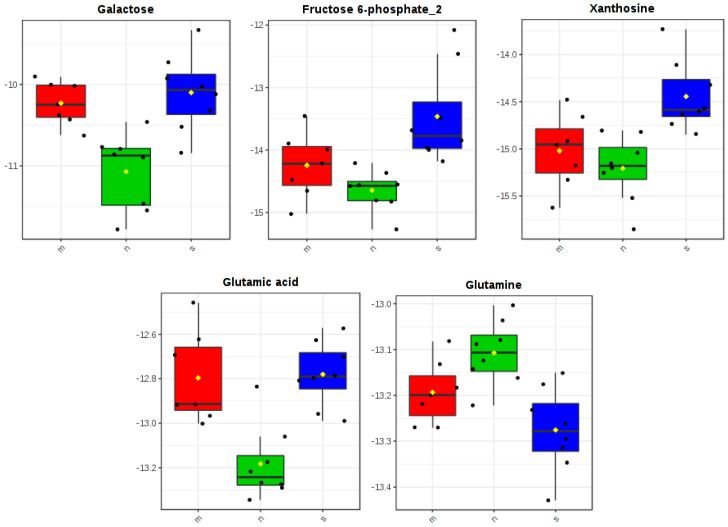
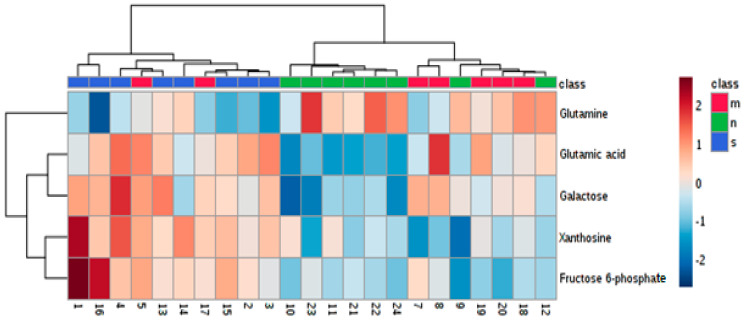
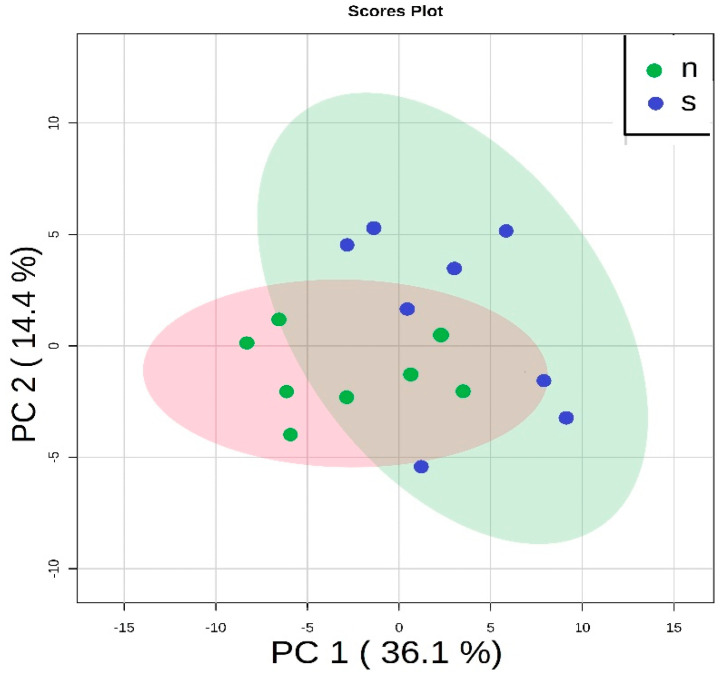
The cytotoxic properties of zinc nanoparticles have been evaluated in vitro against several types of cancer. However, there is a lack of significant evidence of their activity in vivo, and a potential therapeutic application remains limited. Herein we report the effective inhibition of tumor growth by zinc nanoparticles in vivo, as the effect of the dietary intervention, after the chemical induction in a rodent model of breast cancer. Biopsy images indicated grade 1 tumors with multiple inflammatory infiltrates in the group treated with zinc nanoparticles, whereas, in the other groups, a moderately differentiated grade 2 was identified. Moreover, after the supplementation with zinc nanoparticles, the levels of several metabolites associated with cancer metabolism, important to its survival, were found to have been altered. We also revealed that the biological activity of zinc in vivo depends on the size of applied particles, as the treatment with zinc microparticles has not had much effect on cancer progression.
锌纳米粒子的细胞毒性已在体外针对多种类型的癌症进行了评估。然而,体内缺乏其活性的显著证据,潜在的治疗应用仍然有限。在此,我们报告了锌纳米粒子在化学诱导的乳腺癌啮齿动物模型中通过饮食干预在体内有效抑制肿瘤生长的作用。活检图像表明,在用锌纳米粒子治疗的组中,肿瘤为 1 级,有多个炎症浸润,而在其他组中,鉴定为中度分化的 2 级。此外,在用锌纳米粒子补充后,与癌症代谢相关的几种代谢物的水平发生了变化,这些代谢物对其生存很重要。我们还揭示了体内锌的生物活性取决于所应用颗粒的大小,因为用锌微粒治疗对癌症进展没有太大影响。