Section of Pulmonary Medicine, Nationwide Children's Hospital, Columbus, OH, USA; Departments of Pediatrics, The Ohio State University College of Medicine, Columbus, OH, USA; Internal Medicine, The Ohio State University College of Medicine, Columbus, OH, USA; Surgery, The Ohio State University College of Medicine, Columbus, OH, USA; Division of Pulmonary, Critical Care, and Sleep Medicine, The Ohio State University Wexner Medical Center, Columbus, OH, USA.
Department of Veterinary Biosciences, The Ohio State University College of Veterinary Medicine, Columbus, OH, USA.
J Cyst Fibros. 2021 Jan;20(1):165-172. doi: 10.1016/j.jcf.2020.09.013. Epub 2020 Nov 10.
The conducting airway epithelium is repaired by tissue specific stem cells (TSC). In response to mild/moderate injury, each TSC repairs a discrete area of the epithelium. In contrast, severe epithelial injury stimulates TSC migration and expands the stem cell's reparative domain. Lung transplantation (LTx) can cause a moderate/severe airway injury and the remodeled airway contains a chimeric mixture of donor and recipient cells. These studies supported the hypothesis, LTx stimulates TSC migration resulting in epithelial chimerism. We tested this hypothesis in cystic fibrosis (CF) LTx patients.
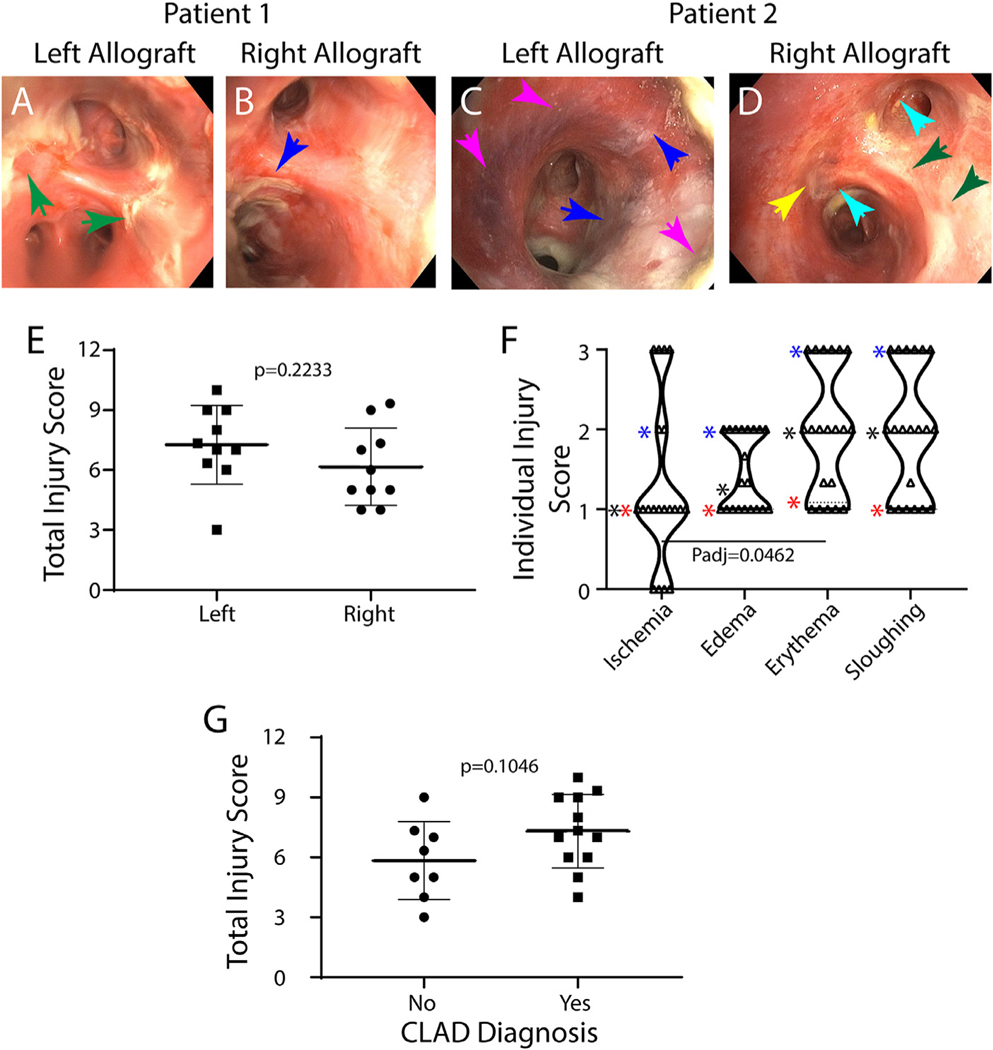
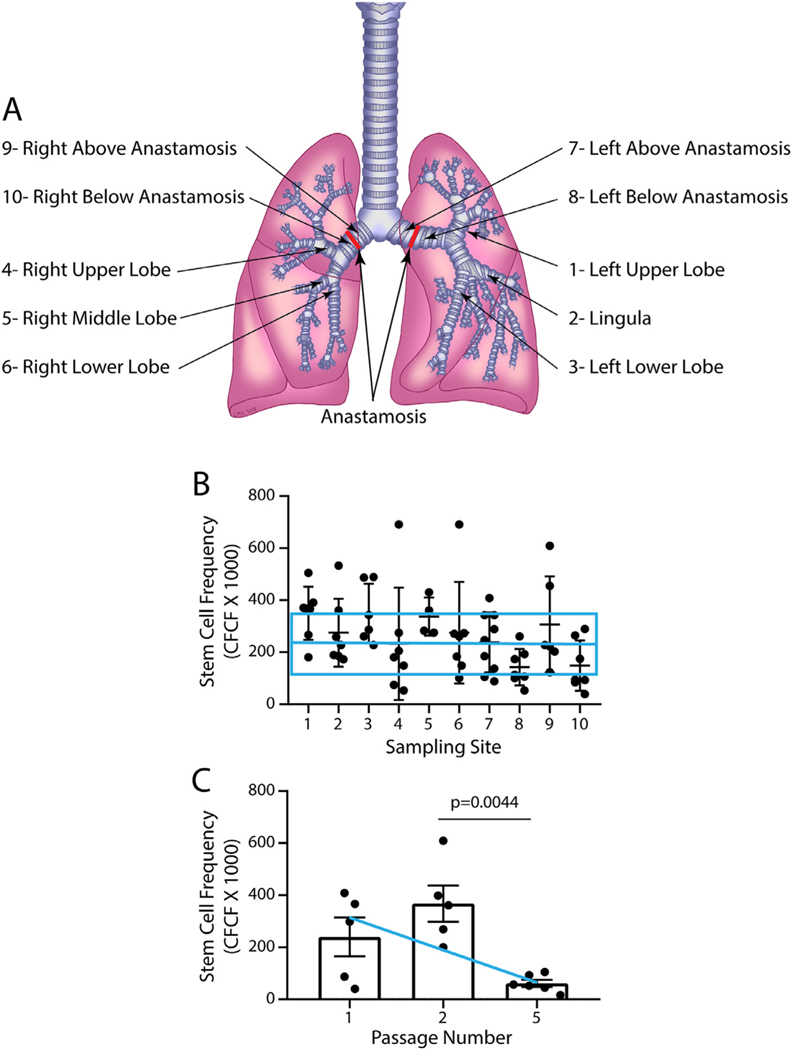
Airway mucosal injury was quantified using bronchoscopic imaging and a novel grading system. Bronchial brushing was used to recover TSC from 10 sites in the recipient and allograft airways. TSC chimerism was quantified by short tandem repeat analysis. TSC self-renewal and differentiation potential were assayed using the clone forming cell frequency and air-liquid-interface methods. Electrophysiology was used to determine if TSC chimerism altered epithelial ion channel activity.
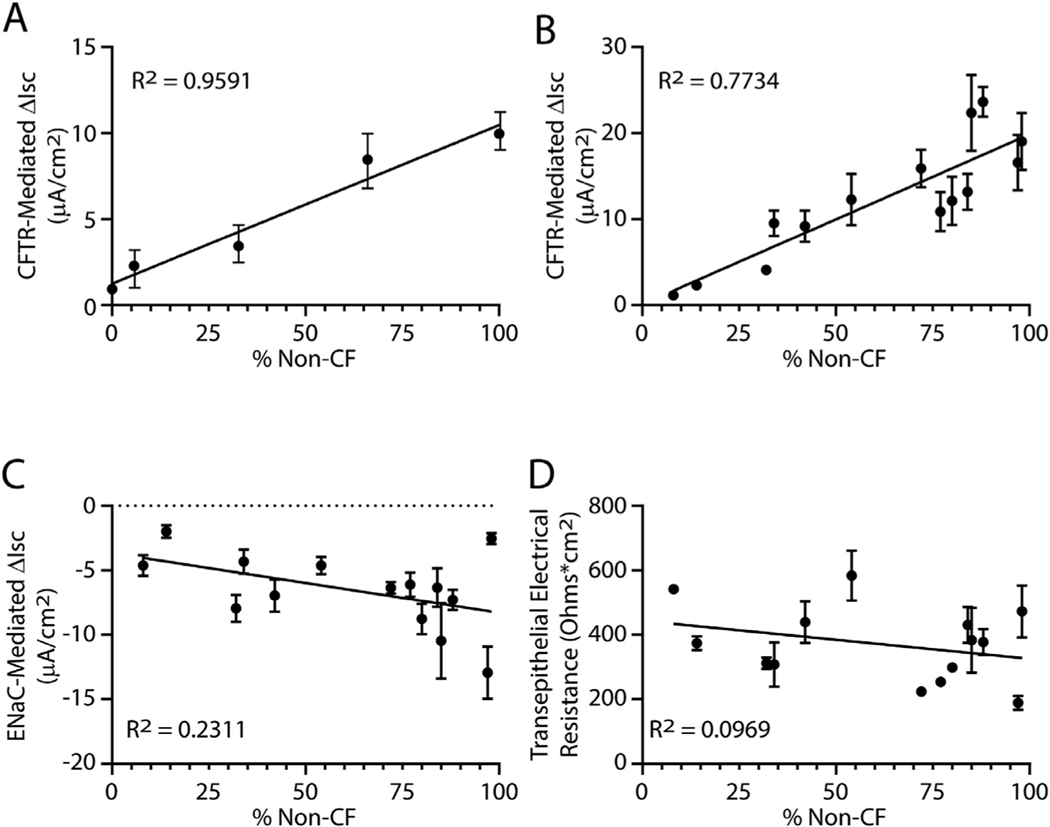
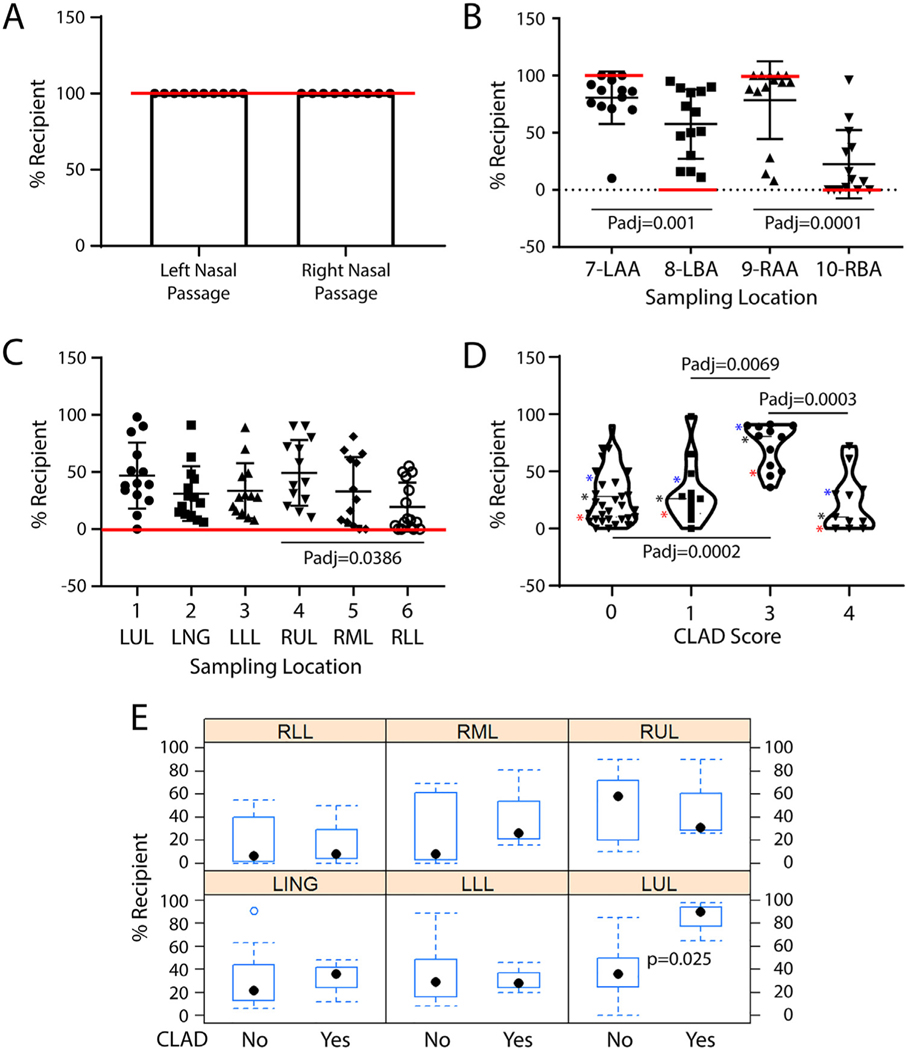
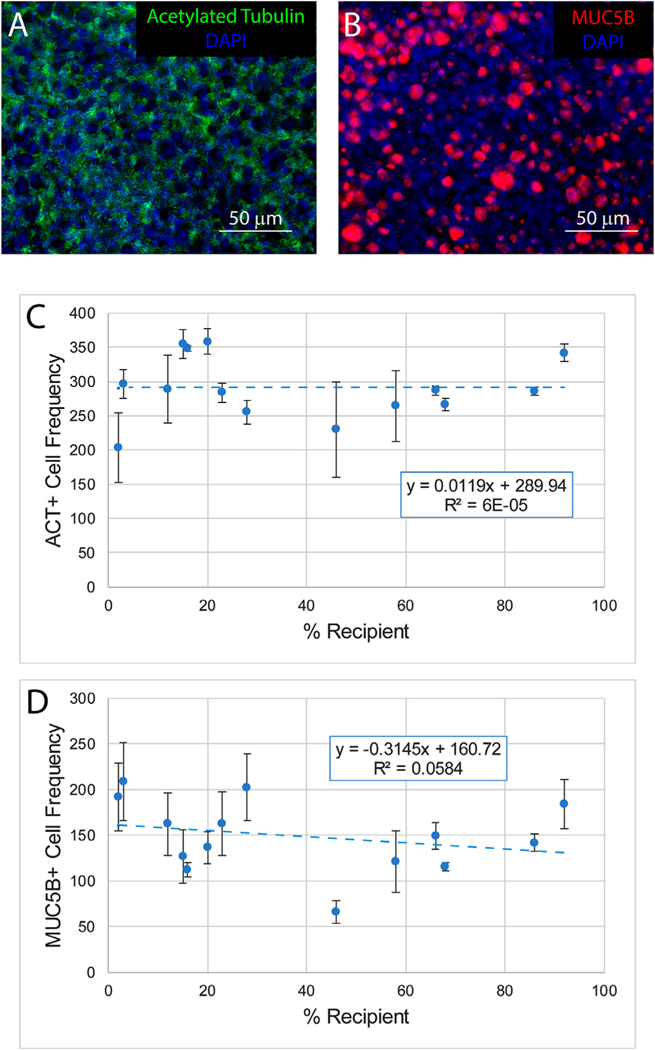
LTx caused a mild to moderate airway mucosal injury. Donor and recipient TSC were identified in 91% of anastomotic sites and 93% of bronchial airways. TSC chimerism did not alter stem cell self-renewal or differentiation potential. The frequency of recipient TSC was proportional to CF Transmembrane Conductance Regulator (CFTR)-dependent ion channel activity and 33% of allograft regions were at risk for abnormal CFTR activity.
LTx in CF patients stimulates bidirectional TSC migration across the anastomoses. TSC chimerism may alter ion homeostasis and compromise the host defense capability of the allograft airway epithelium.
传导气道上皮由组织特异性干细胞(TSC)修复。在轻度/中度损伤时,每个 TSC 修复上皮的一个离散区域。相比之下,严重的上皮损伤会刺激 TSC 迁移并扩大干细胞的修复区域。肺移植(LTx)可导致中度/重度气道损伤,而重塑的气道包含供体和受体细胞的嵌合体混合物。这些研究支持了这样的假设,即 LTx 刺激 TSC 迁移,导致上皮嵌合。我们在囊性纤维化(CF)LTx 患者中测试了这一假设。
使用支气管镜成像和新的分级系统来量化气道黏膜损伤。通过支气管刷从受者和同种异体气道的 10 个部位回收 TSC。通过短串联重复分析来量化 TSC 嵌合体。通过克隆形成细胞频率和气液界面方法来测定 TSC 自我更新和分化潜能。电生理学用于确定 TSC 嵌合体是否改变上皮离子通道活性。
LTx 导致轻度至中度气道黏膜损伤。在 91%的吻合部位和 93%的支气管气道中鉴定出供体和受体 TSC。TSC 嵌合体并未改变干细胞自我更新或分化潜能。受者 TSC 的频率与 CF 跨膜电导调节剂(CFTR)依赖性离子通道活性成正比,并且 33%的同种异体区域存在 CFTR 活性异常的风险。
CF 患者的 LTx 刺激 TSC 沿吻合口双向迁移。TSC 嵌合体可能改变离子稳态,并损害同种异体气道上皮的宿主防御能力。