Wei Guangfei, Yang Feng, Wei Fugang, Zhang Lianjuan, Gao Ying, Qian Jun, Chen Zhongjian, Jia Zhengwei, Wang Yong, Su He, Dong Linlin, Xu Jiang, Chen Shilin
Key Laboratory of Beijing for Identification and Safety Evaluation of Chinese Medicine, Institute of Chinese Materia Medica, China Academy of Chinese Medical Sciences, Beijing, China.
Wenshan Miaoxiang Notoginseng Technology, Co., Ltd., Wenshan, China.
J Ginseng Res. 2020 Nov;44(6):757-769. doi: 10.1016/j.jgr.2019.05.009. Epub 2019 May 29.
and are widely used and well known for their pharmacological effects. As main pharmacological components, saponins have different distribution patterns in the root tissues of plants.
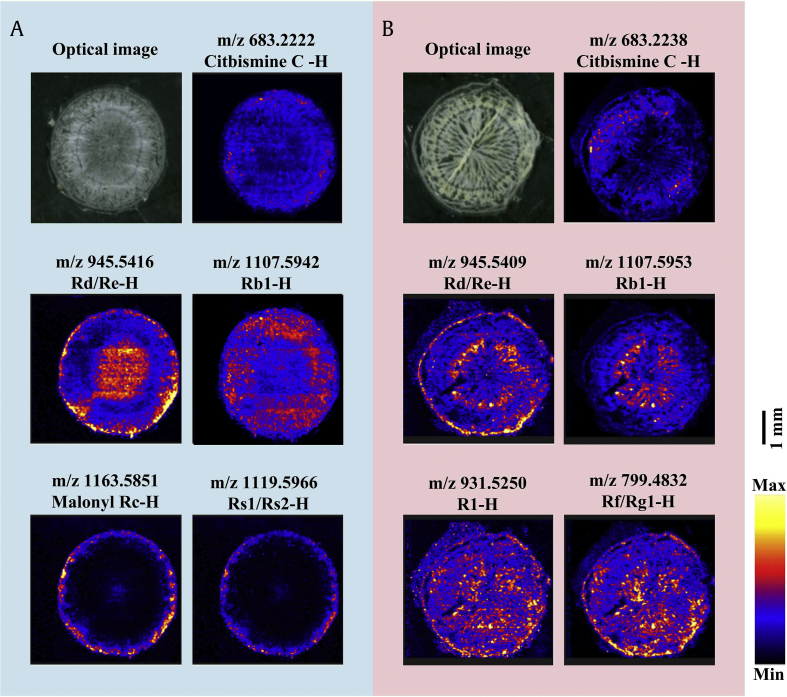
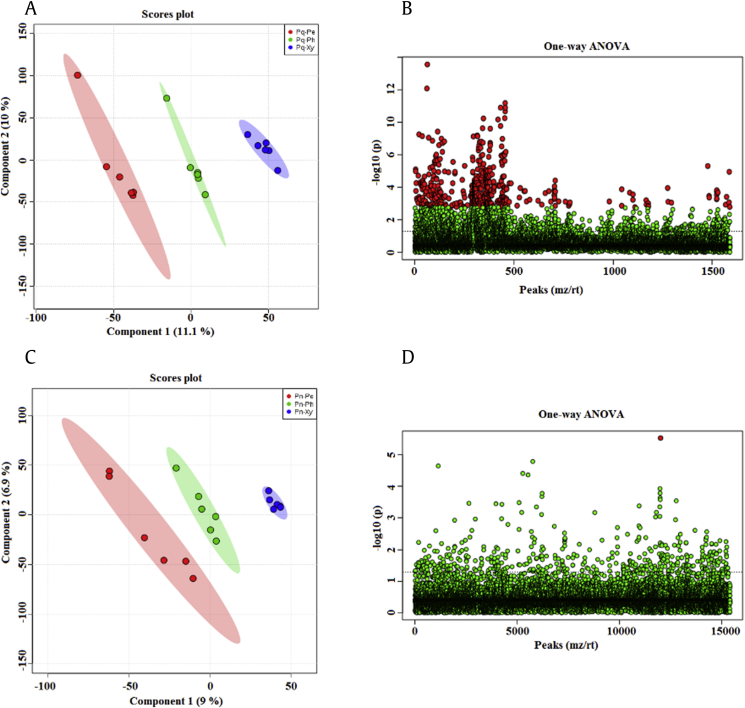
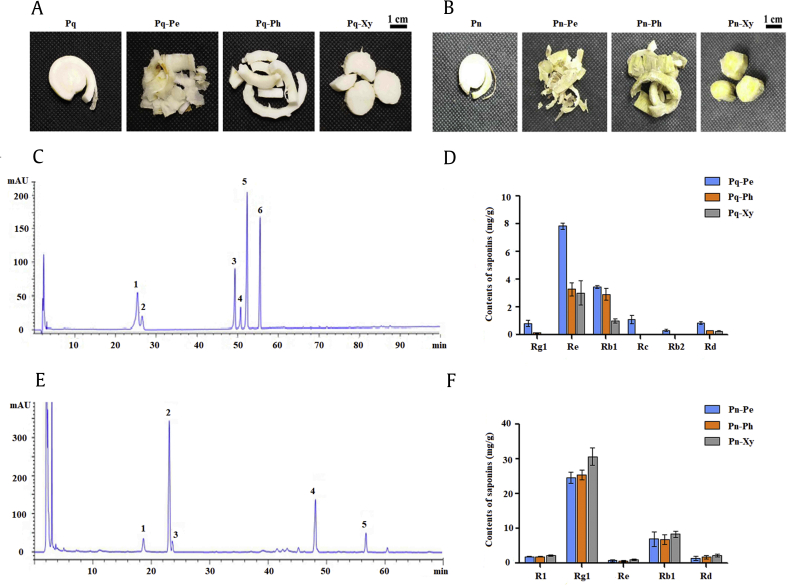
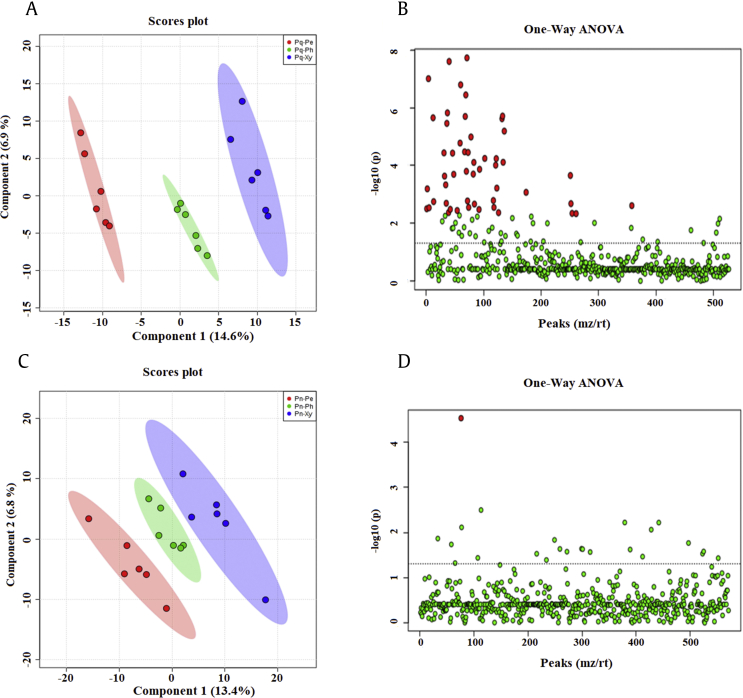
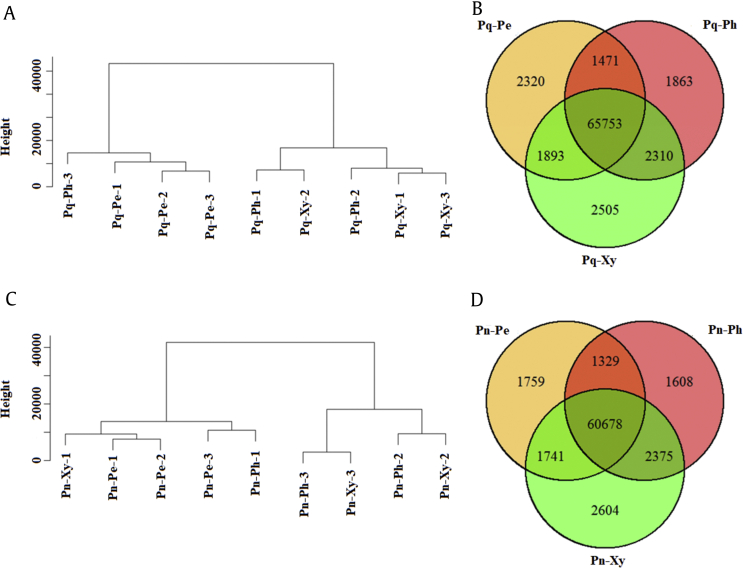
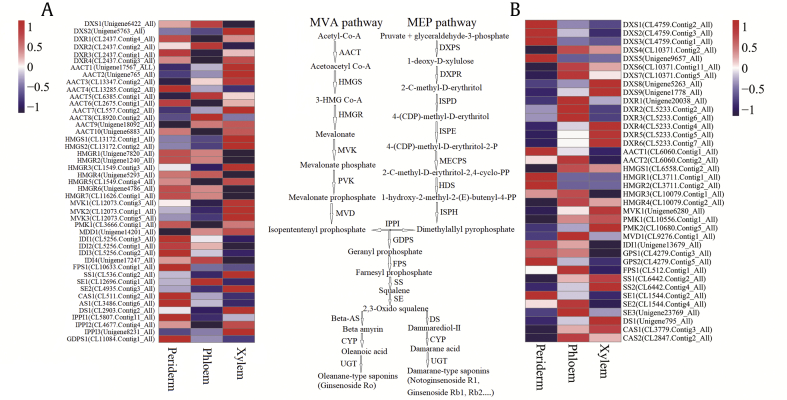
In this study, the representative ginsenosides were detected and quantified by desorption electrospray ionization mass spectrometry and high-performance liquid chromatography analysis to demonstrate saponin distribution in the root tissues of and , and saponin metabolite profiles were analyzed by metabolomes to obtain the biomarkers of different root tissues. Finally, the transcriptome analysis was performed to demonstrate the molecular mechanisms of saponin distribution by gene profiles.
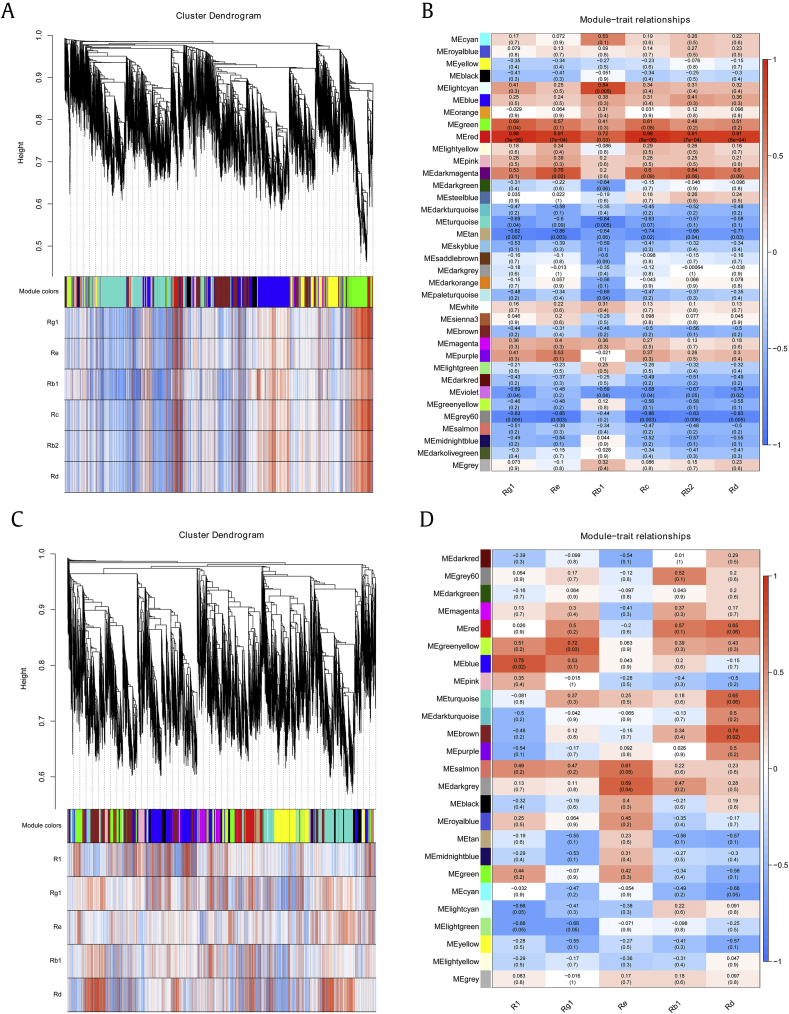
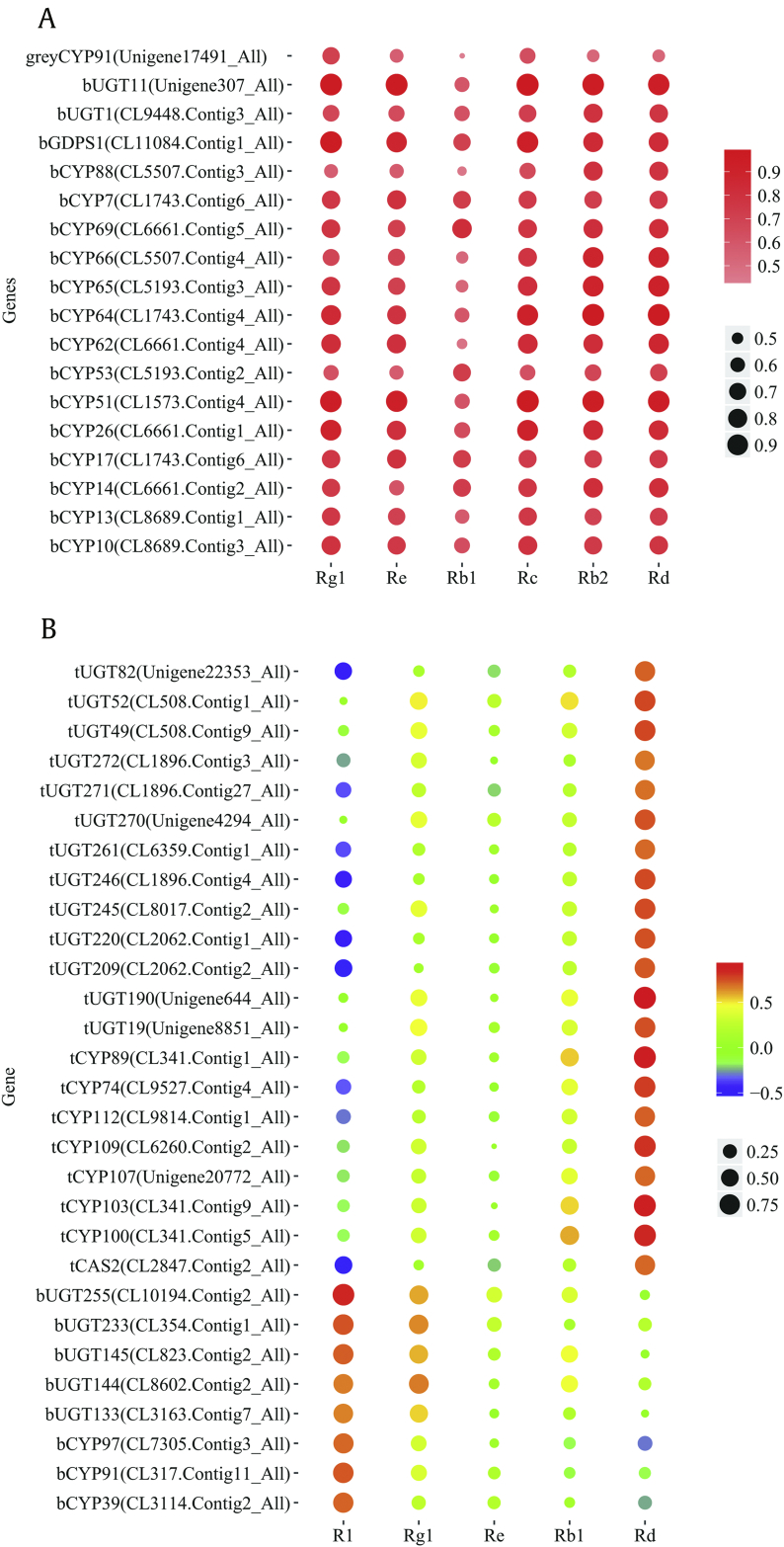
There was saponin distribution in the root tissues differed between and . Eight-eight and 24 potential biomarkers were detected by metabolome analysis, and a total of 340 and 122 transcripts involved in saponin synthesis that were positively correlated with the saponin contents ( > 0.6, < 0.05) in the root tissues of and , respectively. Among them, GDPS1, CYP51, CYP64, and UGT11 were significantly correlated with the contents of Rg1, Re, Rc, Rb2, and Rd in . UGT255 was markedly related to the content of R1; CYP74, CYP89, CYP100, CYP103, CYP109, and UGT190 were markedly correlated with the Rd content in .
These results provided the visual and quantitative profiles of and confirmed the pivotal transcripts of CYPs and UGTs regulating the saponin distribution in the root tissues of and .
[两种植物名称未给出]因其药理作用而被广泛使用且广为人知。作为主要药理成分,皂苷在[两种植物名称未给出]植物的根组织中具有不同的分布模式。
在本研究中,通过解吸电喷雾电离质谱和高效液相色谱分析检测并定量代表性人参皂苷,以证明皂苷在[两种植物名称未给出]根组织中的分布,并通过代谢组分析皂苷代谢产物谱以获得不同根组织的生物标志物。最后,进行转录组分析以通过基因谱证明皂苷分布的分子机制。
[两种植物名称未给出]根组织中的皂苷分布存在差异。通过代谢组分析检测到88个和24个潜在生物标志物,并且在[两种植物名称未给出]根组织中分别有340个和122个参与皂苷合成的转录本与皂苷含量呈正相关(r>0.6,P<0.05)。其中,GDPS1、CYP51、CYP64和UGT11与[第一种植物名称未给出]中Rg1、Re、Rc、Rb2和Rd的含量显著相关。UGT255与R1的含量显著相关;CYP74、CYP89、CYP100、CYP103、CYP109和UGT190与[第二种植物名称未给出]中Rd的含量显著相关。
这些结果提供了[两种植物名称未给出]的可视化和定量概况,并证实了CYPs和UGTs的关键转录本调节[两种植物名称未给出]根组织中皂苷的分布。