• 文献检索
  • 文档翻译
  • 深度研究
  • 学术资讯
  • Suppr Zotero 插件Zotero 插件
  • 邀请有礼
  • 套餐&价格
  • 历史记录
应用&插件
Suppr Zotero 插件Zotero 插件浏览器插件Mac 客户端Windows 客户端微信小程序
定价
高级版会员购买积分包购买API积分包
服务
文献检索文档翻译深度研究API 文档MCP 服务
关于我们
关于 Suppr公司介绍联系我们用户协议隐私条款
关注我们

Suppr 超能文献

核心技术专利:CN118964589B侵权必究
粤ICP备2023148730 号-1Suppr @ 2026

文献检索

告别复杂PubMed语法,用中文像聊天一样搜索,搜遍4000万医学文献。AI智能推荐,让科研检索更轻松。

立即免费搜索

文件翻译

保留排版,准确专业,支持PDF/Word/PPT等文件格式,支持 12+语言互译。

免费翻译文档

深度研究

AI帮你快速写综述,25分钟生成高质量综述,智能提取关键信息,辅助科研写作。

立即免费体验

PARMAP:一种基于泛基因组预测抗菌药物耐药性的计算框架。

PARMAP: A Pan-Genome-Based Computational Framework for Predicting Antimicrobial Resistance.

作者信息

Li Xuefei, Lin Jingxia, Hu Yongfei, Zhou Jiajian

机构信息

Dermatology Hospital, Southern Medical University, Guangzhou, China.

出版信息

Front Microbiol. 2020 Oct 22;11:578795. doi: 10.3389/fmicb.2020.578795. eCollection 2020.

DOI:10.3389/fmicb.2020.578795
PMID:33193203
原文链接:https://pmc.ncbi.nlm.nih.gov/articles/PMC7642336/
Abstract

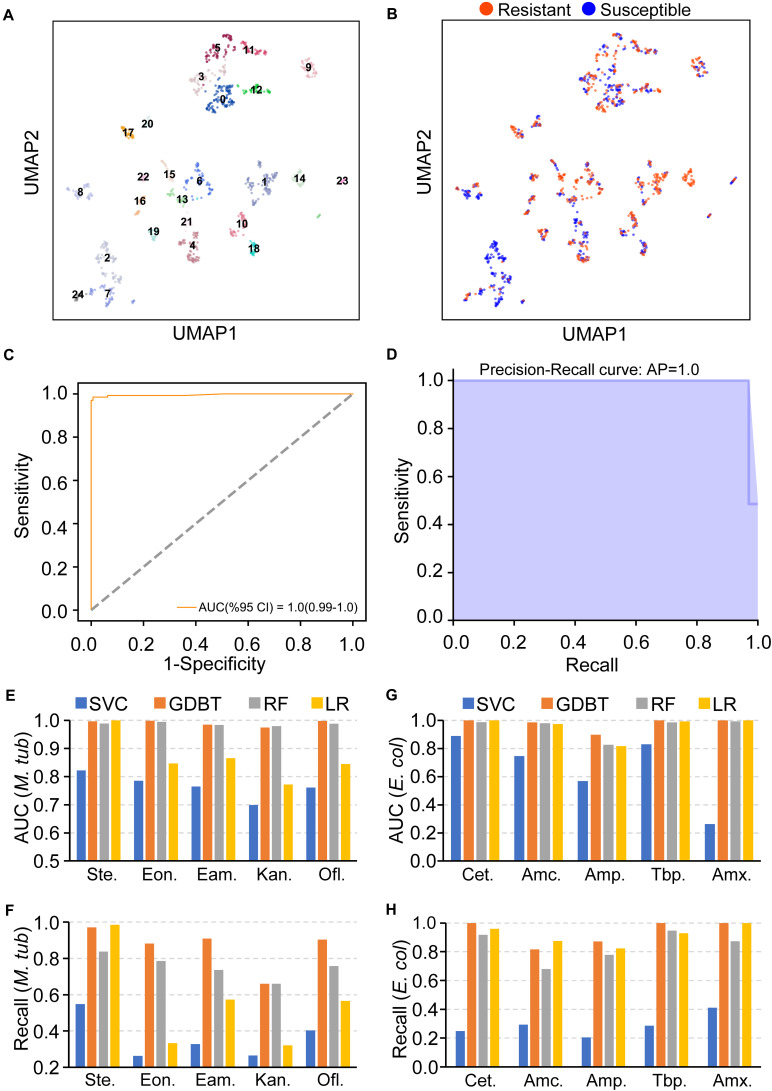
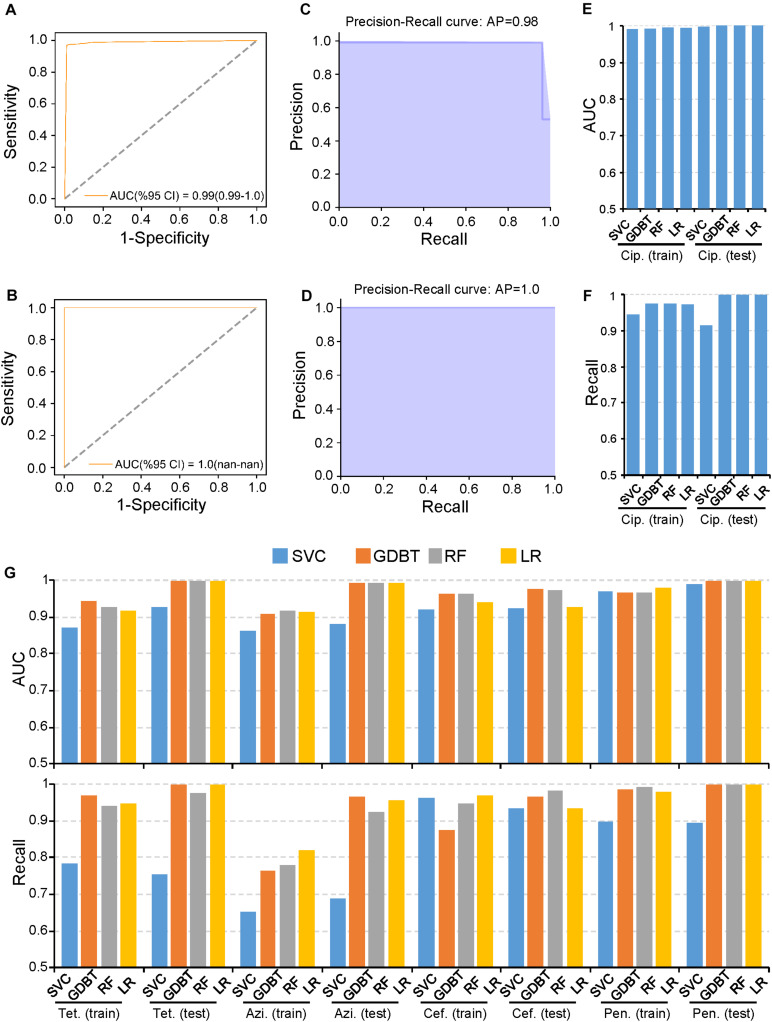
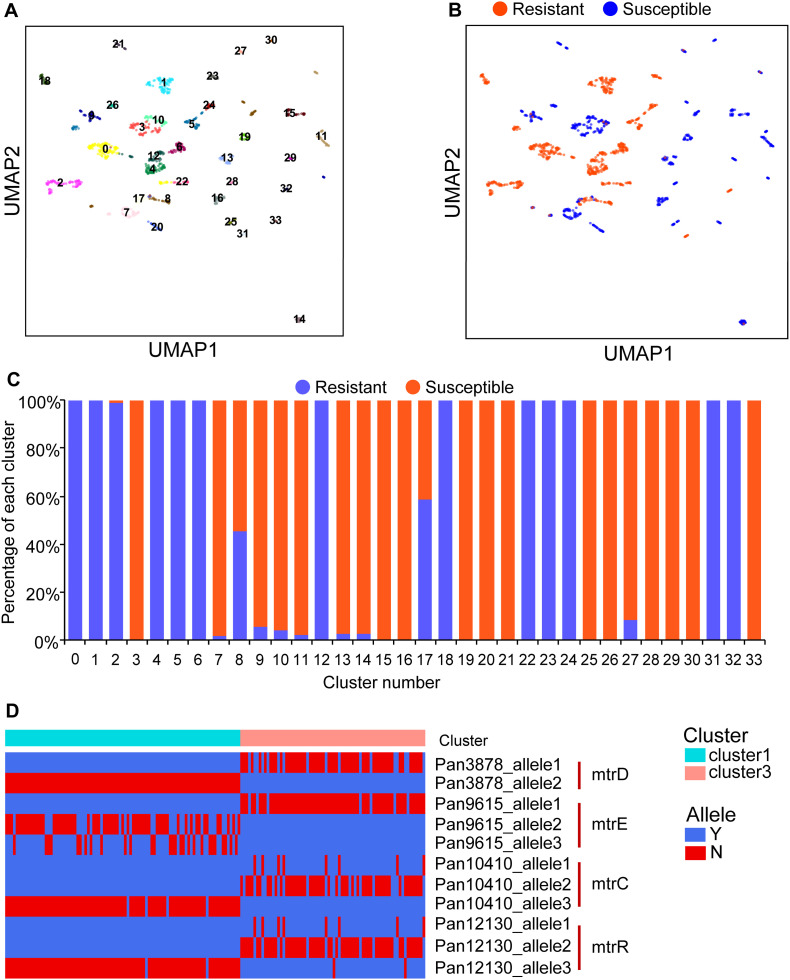
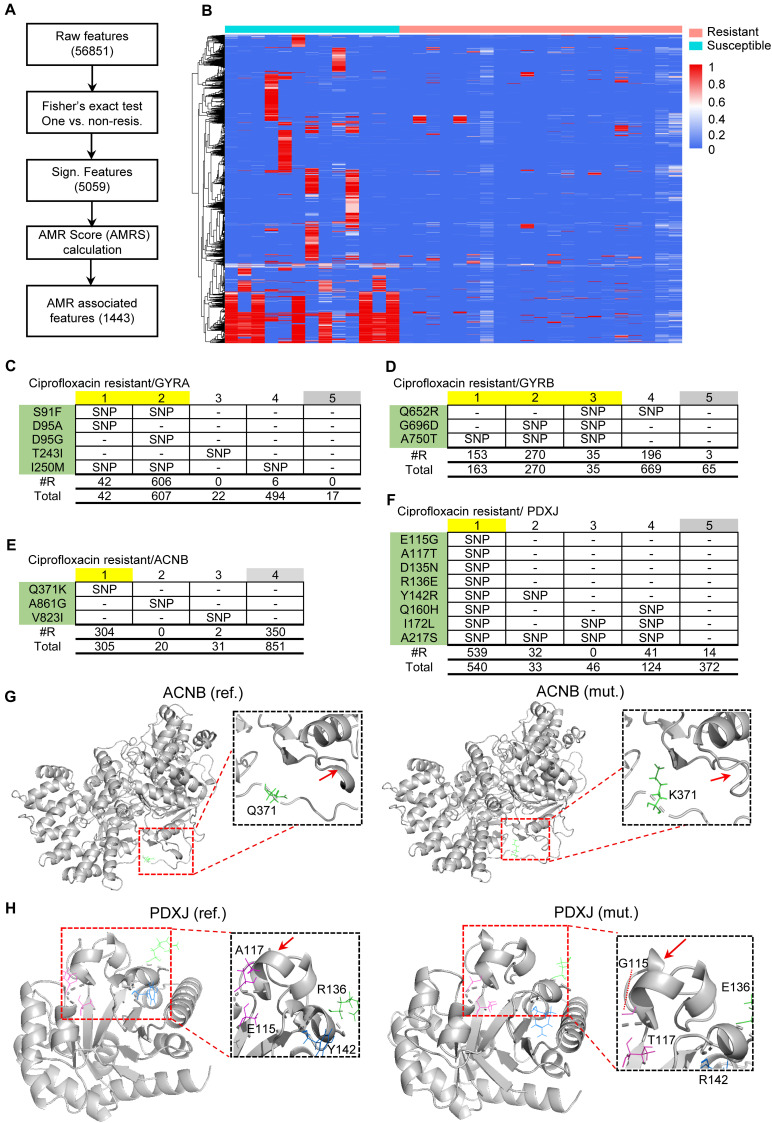
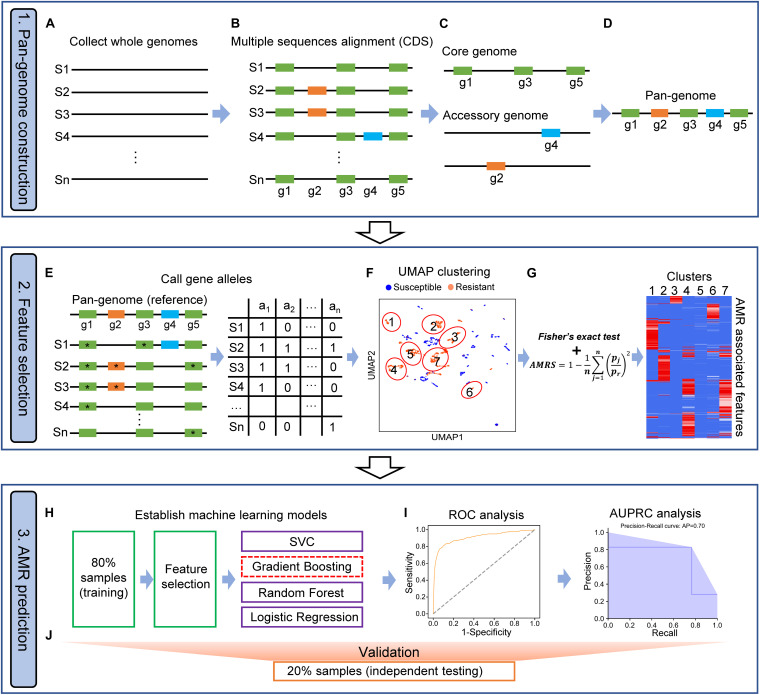
Antimicrobial resistance (AMR) has emerged as one of the most urgent global threats to public health. Accurate detection of AMR phenotypes is critical for reducing the spread of AMR strains. Here, we developed PARMAP (Prediction of Antimicrobial Resistance by MAPping genetic alterations in pan-genome) to predict AMR phenotypes and to identify AMR-associated genetic alterations based on the pan-genome of bacteria by utilizing machine learning algorithms. When we applied PARMAP to 1,597 strains, it successfully predicted their AMR phenotypes based on a pan-genome analysis. Furthermore, it identified 328 genetic alterations in 23 known AMR genes and discovered many new AMR-associated genetic alterations in ciprofloxacin-resistant , and it clearly indicated the genetic heterogeneity of AMR genes in different subtypes of resistant . Additionally, PARMAP performed well in predicting the AMR phenotypes of and , indicating the robustness of the PARMAP framework. In conclusion, PARMAP not only precisely predicts the AMR of a population of strains of a given species but also uses whole-genome sequencing data to prioritize candidate AMR-associated genetic alterations based on their likelihood of contributing to AMR. Thus, we believe that PARMAP will accelerate investigations into AMR mechanisms in other human pathogens.

摘要

抗菌药物耐药性(AMR)已成为对公众健康最紧迫的全球威胁之一。准确检测AMR表型对于减少AMR菌株的传播至关重要。在此,我们开发了PARMAP(通过映射泛基因组中的基因改变预测抗菌药物耐药性),以利用机器学习算法基于细菌的泛基因组预测AMR表型并识别与AMR相关的基因改变。当我们将PARMAP应用于1597株菌株时,它基于泛基因组分析成功预测了它们的AMR表型。此外,它在23个已知的AMR基因中鉴定出328个基因改变,并在耐环丙沙星菌株中发现了许多新的与AMR相关的基因改变,并且清楚地表明了不同耐药亚型中AMR基因的遗传异质性。此外,PARMAP在预测[具体物种1]和[具体物种2]的AMR表型方面表现良好,表明PARMAP框架的稳健性。总之,PARMAP不仅能精确预测给定物种的一群菌株的AMR,还能利用全基因组测序数据根据候选AMR相关基因改变对AMR的贡献可能性对其进行优先级排序。因此,我们相信PARMAP将加速对其他人类病原体中AMR机制的研究。
https://cdn.ncbi.nlm.nih.gov/pmc/blobs/b2f9/7642336/874db95a661b/fmicb-11-578795-g005.jpg
https://cdn.ncbi.nlm.nih.gov/pmc/blobs/b2f9/7642336/dd5b6bb02a04/fmicb-11-578795-g001.jpg
https://cdn.ncbi.nlm.nih.gov/pmc/blobs/b2f9/7642336/35700296427e/fmicb-11-578795-g002.jpg
https://cdn.ncbi.nlm.nih.gov/pmc/blobs/b2f9/7642336/1ca5e374446a/fmicb-11-578795-g003.jpg
https://cdn.ncbi.nlm.nih.gov/pmc/blobs/b2f9/7642336/93993e282423/fmicb-11-578795-g004.jpg
https://cdn.ncbi.nlm.nih.gov/pmc/blobs/b2f9/7642336/874db95a661b/fmicb-11-578795-g005.jpg
https://cdn.ncbi.nlm.nih.gov/pmc/blobs/b2f9/7642336/dd5b6bb02a04/fmicb-11-578795-g001.jpg
https://cdn.ncbi.nlm.nih.gov/pmc/blobs/b2f9/7642336/35700296427e/fmicb-11-578795-g002.jpg
https://cdn.ncbi.nlm.nih.gov/pmc/blobs/b2f9/7642336/1ca5e374446a/fmicb-11-578795-g003.jpg
https://cdn.ncbi.nlm.nih.gov/pmc/blobs/b2f9/7642336/93993e282423/fmicb-11-578795-g004.jpg
https://cdn.ncbi.nlm.nih.gov/pmc/blobs/b2f9/7642336/874db95a661b/fmicb-11-578795-g005.jpg

相似文献

1
PARMAP: A Pan-Genome-Based Computational Framework for Predicting Antimicrobial Resistance.PARMAP:一种基于泛基因组预测抗菌药物耐药性的计算框架。
Front Microbiol. 2020 Oct 22;11:578795. doi: 10.3389/fmicb.2020.578795. eCollection 2020.
2
A pan-genome-based machine learning approach for predicting antimicrobial resistance activities of the Escherichia coli strains.基于泛基因组的机器学习方法预测大肠杆菌菌株的抗菌药物抗性活性。
Bioinformatics. 2018 Jul 1;34(13):i89-i95. doi: 10.1093/bioinformatics/bty276.
3
Antimicrobial resistance genetic factor identification from whole-genome sequence data using deep feature selection.基于全基因组序列数据的深度特征选择进行抗菌药物耐药性遗传因子鉴定。
BMC Bioinformatics. 2019 Dec 24;20(Suppl 15):535. doi: 10.1186/s12859-019-3054-4.
4
Predicting Antimicrobial Resistance Using Partial Genome Alignments.利用部分基因组比对预测抗菌药物耐药性
mSystems. 2021 Jun 29;6(3):e0018521. doi: 10.1128/mSystems.00185-21. Epub 2021 Jun 15.
5
Enhancing predictions of antimicrobial resistance of pathogens by expanding the potential resistance gene repertoire using a pan-genome-based feature selection approach.通过使用基于泛基因组的特征选择方法扩展潜在抗性基因库,增强对病原体抗菌抗性的预测。
BMC Bioinformatics. 2022 Apr 15;23(Suppl 4):131. doi: 10.1186/s12859-022-04666-2.
6
Genome-Scale Metabolic Models and Machine Learning Reveal Genetic Determinants of Antibiotic Resistance in Escherichia coli and Unravel the Underlying Metabolic Adaptation Mechanisms.基因组规模代谢模型与机器学习揭示大肠杆菌抗生素耐药性的遗传决定因素并阐明潜在的代谢适应机制。
mSystems. 2021 Aug 31;6(4):e0091320. doi: 10.1128/mSystems.00913-20. Epub 2021 Aug 3.
7
A machine learning framework to predict antibiotic resistance traits and yet unknown genes underlying resistance to specific antibiotics in bacterial strains.一种机器学习框架,用于预测细菌菌株对抗生素的耐药性状以及特定抗生素耐药性背后未知的基因。
Brief Bioinform. 2021 Nov 5;22(6). doi: 10.1093/bib/bbab179.
8
VAMPr: VAriant Mapping and Prediction of antibiotic resistance via explainable features and machine learning.VAMPr:通过可解释特征和机器学习对抗生素耐药性进行变异映射和预测。
PLoS Comput Biol. 2020 Jan 13;16(1):e1007511. doi: 10.1371/journal.pcbi.1007511. eCollection 2020 Jan.
9
Prediction of Acquired Antimicrobial Resistance for Multiple Bacterial Species Using Neural Networks.使用神经网络预测多种细菌的获得性抗菌耐药性
mSystems. 2020 Jan 21;5(1):e00774-19. doi: 10.1128/mSystems.00774-19.
10
Machine learning and structural analysis of Mycobacterium tuberculosis pan-genome identifies genetic signatures of antibiotic resistance.机器学习和结核分枝杆菌泛基因组结构分析鉴定抗生素耐药的遗传特征。
Nat Commun. 2018 Oct 17;9(1):4306. doi: 10.1038/s41467-018-06634-y.

引用本文的文献

1
Interred mechanisms of resistance and host immune evasion revealed through network-connectivity analysis of complex graph pangenome.通过复杂图泛基因组的网络连通性分析揭示的抗性和宿主免疫逃逸的潜在机制。
mSystems. 2025 Apr 22;10(4):e0049924. doi: 10.1128/msystems.00499-24. Epub 2025 Mar 6.
2
PanKA: Leveraging population pangenome to predict antibiotic resistance.PanKA:利用群体泛基因组预测抗生素耐药性。
iScience. 2024 Aug 2;27(9):110623. doi: 10.1016/j.isci.2024.110623. eCollection 2024 Sep 20.
3
Evolutionary genomic analyses of canine infections identify a relic capsular locus associated with resistance to multiple classes of antimicrobials.

本文引用的文献

1
Sequencing-based methods and resources to study antimicrobial resistance.基于测序的方法和资源研究抗菌药物耐药性。
Nat Rev Genet. 2019 Jun;20(6):356-370. doi: 10.1038/s41576-019-0108-4.
2
Prediction of antibiotic resistance in Escherichia coli from large-scale pan-genome data.从大规模泛基因组数据预测大肠杆菌的抗生素耐药性。
PLoS Comput Biol. 2018 Dec 14;14(12):e1006258. doi: 10.1371/journal.pcbi.1006258. eCollection 2018 Dec.
3
Dimensionality reduction for visualizing single-cell data using UMAP.使用UMAP进行单细胞数据可视化的降维方法。
犬类感染的进化基因组分析鉴定出一个与多种类抗菌药物耐药性相关的遗留囊膜基因座。
Appl Environ Microbiol. 2024 Aug 21;90(8):e0035424. doi: 10.1128/aem.00354-24. Epub 2024 Jul 16.
4
Tackling the Antimicrobial Resistance "Pandemic" with Machine Learning Tools: A Summary of Available Evidence.使用机器学习工具应对抗微生物药物耐药性“大流行”:现有证据综述
Microorganisms. 2024 Apr 23;12(5):842. doi: 10.3390/microorganisms12050842.
5
Letter to the Editor: Differing Criteria for Phenotypic Resistance to Antimicrobials Further Complicates Identification of Molecular Determinants.致编辑的信:对抗菌药物表型耐药的不同标准使分子决定因素的鉴定更加复杂。
Sex Transm Dis. 2024 Jan 1;51(1):84. doi: 10.1097/OLQ.0000000000001890. Epub 2023 Oct 30.
6
Machine Learning of the Whole Genome Sequence of : A Scoping PRISMA-Based Review.基于PRISMA的全基因组序列机器学习范围综述。
Microorganisms. 2023 Jul 25;11(8):1872. doi: 10.3390/microorganisms11081872.
7
Using bacterial pan-genome-based feature selection approach to improve the prediction of minimum inhibitory concentration (MIC).使用基于细菌泛基因组的特征选择方法来改善最低抑菌浓度(MIC)的预测。
Front Genet. 2023 May 30;14:1054032. doi: 10.3389/fgene.2023.1054032. eCollection 2023.
8
Paving the way for precise diagnostics of antimicrobial resistant bacteria.为对抗菌耐药细菌的精确诊断铺平道路。
Front Mol Biosci. 2022 Aug 12;9:976705. doi: 10.3389/fmolb.2022.976705. eCollection 2022.
9
Prediction of antimicrobial minimal inhibitory concentrations for using machine learning models.使用机器学习模型预测抗菌药物的最低抑菌浓度。
Saudi J Biol Sci. 2022 May;29(5):3687-3693. doi: 10.1016/j.sjbs.2022.02.047. Epub 2022 Mar 4.
10
Towards routine employment of computational tools for antimicrobial resistance determination via high-throughput sequencing.通过高通量测序实现计算工具在抗菌药物耐药性检测中的常规应用。
Brief Bioinform. 2022 Mar 10;23(2). doi: 10.1093/bib/bbac020.
Nat Biotechnol. 2018 Dec 3. doi: 10.1038/nbt.4314.
4
Genome-wide discovery of epistatic loci affecting antibiotic resistance in Neisseria gonorrhoeae using evolutionary couplings.利用进化关联,全基因组发现影响淋病奈瑟菌抗生素耐药性的上位性位点。
Nat Microbiol. 2019 Feb;4(2):328-338. doi: 10.1038/s41564-018-0309-1. Epub 2018 Dec 3.
5
Application of machine learning techniques to tuberculosis drug resistance analysis.机器学习技术在结核病耐药性分析中的应用。
Bioinformatics. 2019 Jul 1;35(13):2276-2282. doi: 10.1093/bioinformatics/bty949.
6
Machine learning and structural analysis of Mycobacterium tuberculosis pan-genome identifies genetic signatures of antibiotic resistance.机器学习和结核分枝杆菌泛基因组结构分析鉴定抗生素耐药的遗传特征。
Nat Commun. 2018 Oct 17;9(1):4306. doi: 10.1038/s41467-018-06634-y.
7
SCANPY: large-scale single-cell gene expression data analysis.SCANPY:大规模单细胞基因表达数据分析。
Genome Biol. 2018 Feb 6;19(1):15. doi: 10.1186/s13059-017-1382-0.
8
Developing an in silico minimum inhibitory concentration panel test for Klebsiella pneumoniae.开发一种用于肺炎克雷伯菌的计算机模拟最小抑菌浓度检测板试验。
Sci Rep. 2018 Jan 11;8(1):421. doi: 10.1038/s41598-017-18972-w.
9
Machine learning for classifying tuberculosis drug-resistance from DNA sequencing data.基于 DNA 测序数据的机器学习方法用于结核分枝杆菌耐药性分类。
Bioinformatics. 2018 May 15;34(10):1666-1671. doi: 10.1093/bioinformatics/btx801.
10
ARIBA: rapid antimicrobial resistance genotyping directly from sequencing reads.ARIBA:直接从测序读段进行快速抗菌药物耐药基因分型。
Microb Genom. 2017 Sep 4;3(10):e000131. doi: 10.1099/mgen.0.000131. eCollection 2017 Oct.