Zhang Zhen, Wang Ling, Wang Quan, Zhang Mengmeng, Wang Bo, Jiang Kewei, Ye Yingjiang, Wang Shan, Shen Zhanlong
Department of Gastroenterological Surgery, Peking University People's Hospital, Beijing, China.
Laboratory of Surgical Oncology, Beijing Key Laboratory of Colorectal Cancer Diagnosis and Treatment Research, Peking University People's Hospital, Beijing, China.
Front Genet. 2020 Oct 16;11:580149. doi: 10.3389/fgene.2020.580149. eCollection 2020.
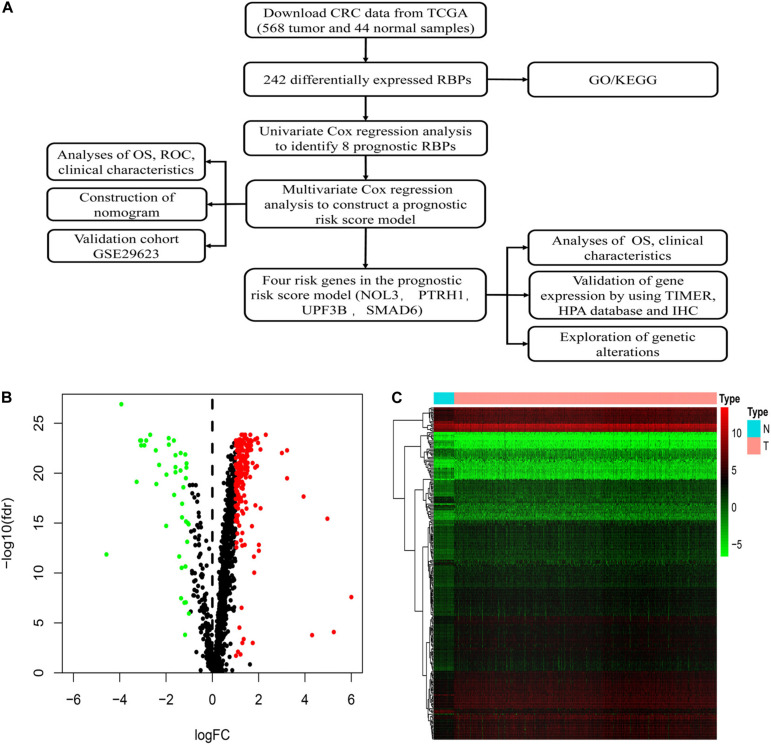
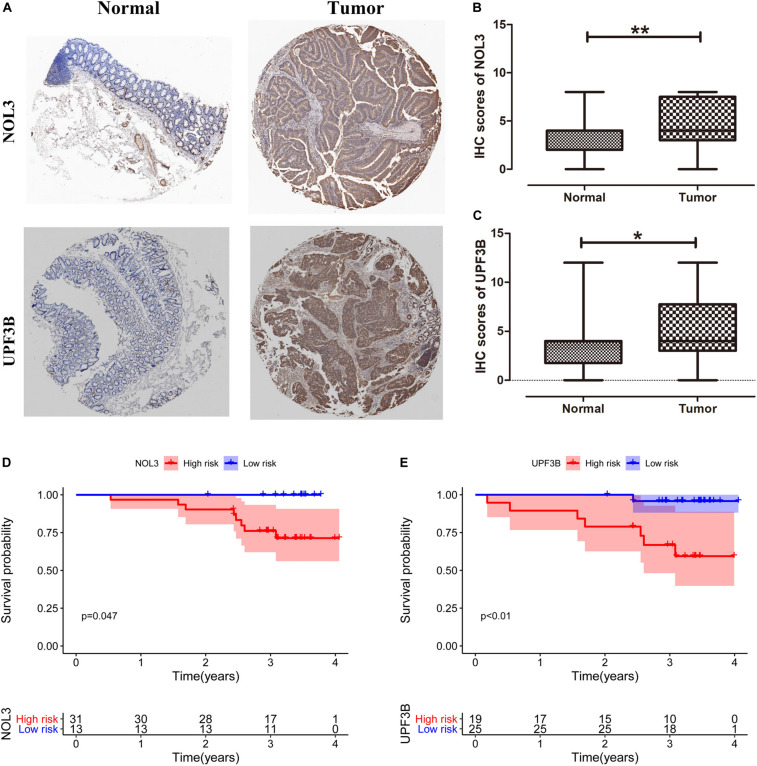
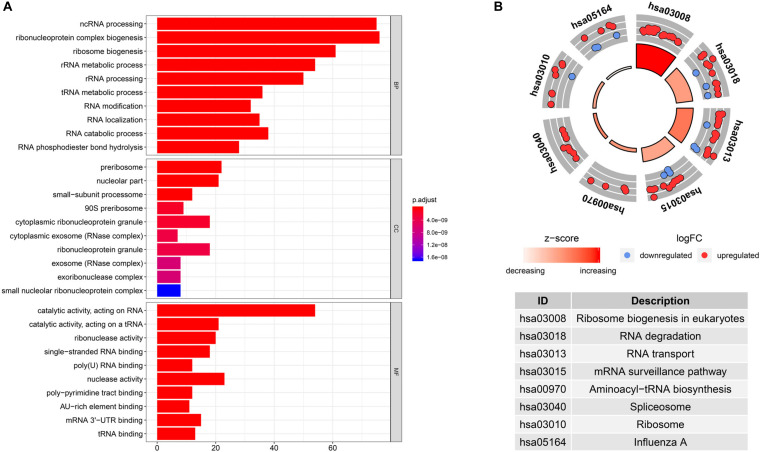
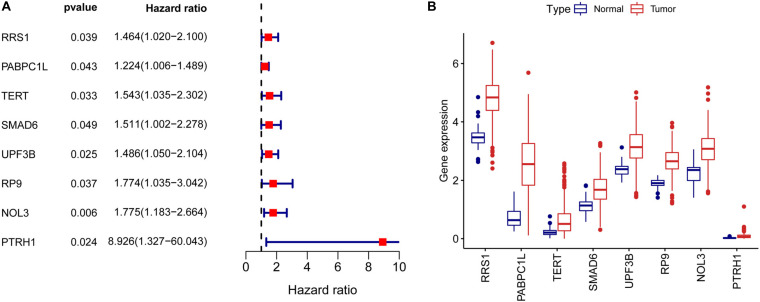
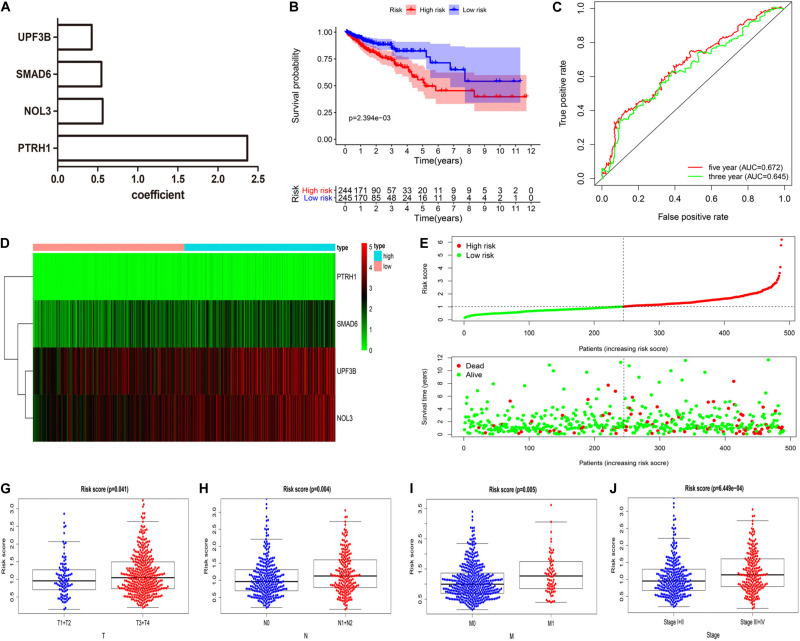
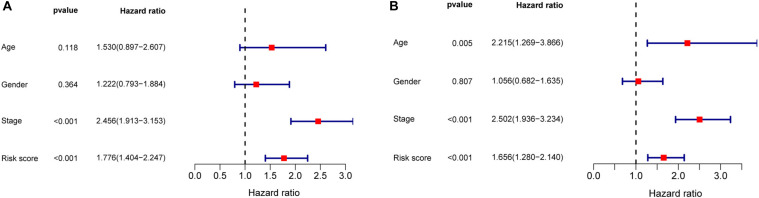
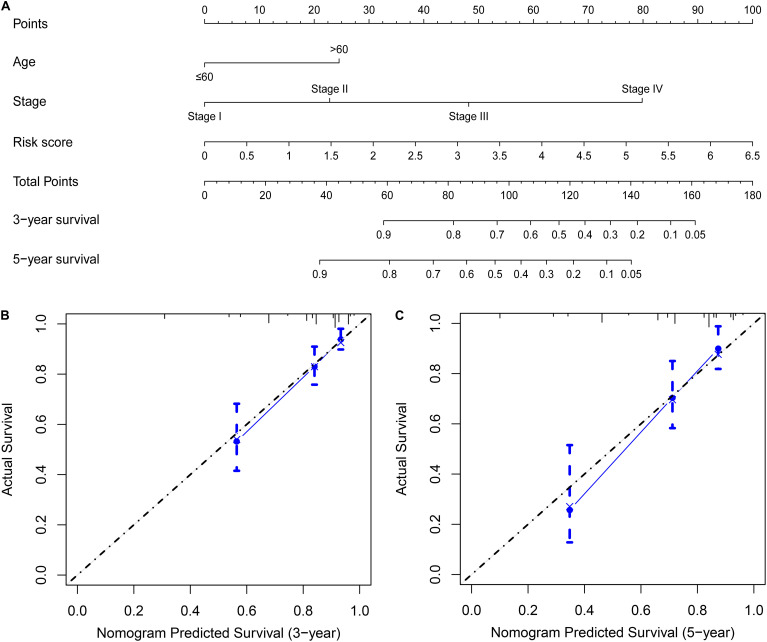
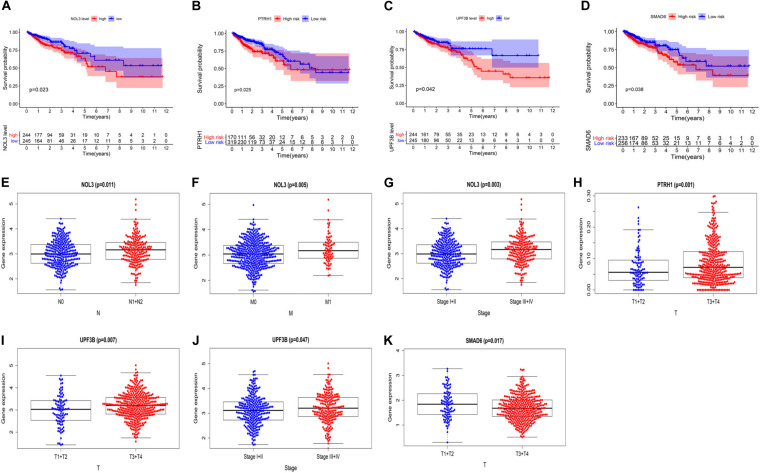
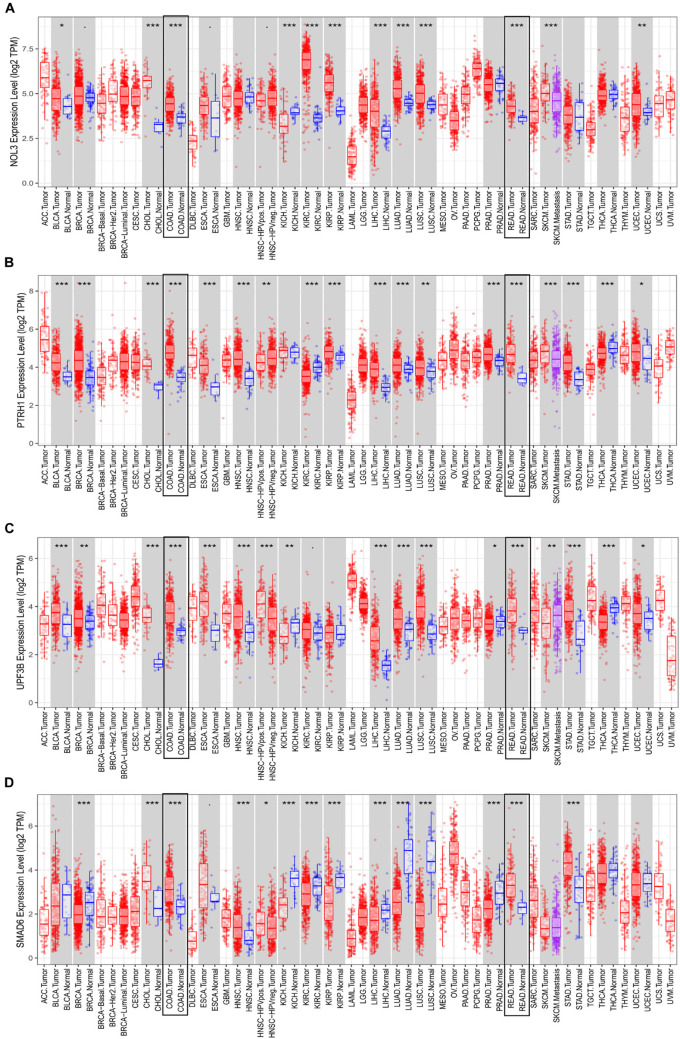
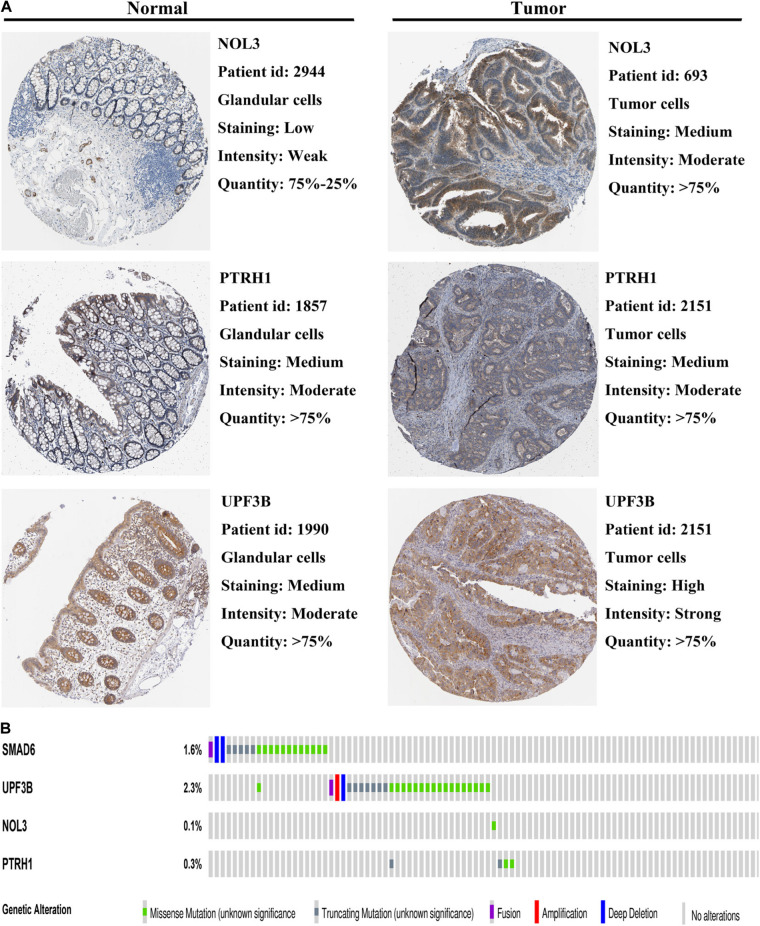
Abnormal expression of RNA binding proteins (RBPs) has been reported across various cancers. However, the potential role of RBPs in colorectal cancer (CRC) remains unclear. In this study, we performed a systematic bioinformatics analysis of RBPs in CRC. We downloaded CRC data from The Cancer Genome Atlas (TCGA) database. Our analysis identified 242 differentially expressed RBPs between tumor and normal tissues, including 200 upregulated and 42 downregulated RBPs. Next, we found eight RBPs (RRS1, PABPC1L, TERT, SMAD6, UPF3B, RP9, NOL3, and PTRH1) related to the prognoses of CRC patients. Among these eight prognosis-related RBPs, four RBPs (NOL3, PTRH1, UPF3B, and SMAD6) were selected to construct a prognostic risk score model. Furthermore, our results indicated that the prognostic risk score model accurately predicted the prognosis of CRC patients [area under the receiver operating characteristic curve (AUC)for 3- and 5-year overall survival (OS) and was 0.645 and 0.672, respectively]. Furthermore, we developed a nomogram based on a prognostic risk score model. The nomogram was able to demonstrate the wonderful performance in predicting 3- and 5-year OS. Additionally, we validated the clinical value of four risk genes in the prognostic risk score model and identified that these risk genes were associated with tumorigenesis, lymph node metastasis, distant metastasis, clinical stage, and prognosis. Finally, we used the TIMER and Human Protein Atlas (HPA)database to validate the expression of four risk genes at the transcriptional and translational levels, respectively, and used a clinical cohort to validate the roles of NOL3 and UPF3B in predicting the prognosis of CRC patients. In summary, our study demonstrated that RBPs have an effect on CRC tumor progression and might be potential prognostic biomarkers for CRC patients.
已有报道称,RNA结合蛋白(RBPs)在多种癌症中存在异常表达。然而,RBPs在结直肠癌(CRC)中的潜在作用仍不清楚。在本研究中,我们对CRC中的RBPs进行了系统的生物信息学分析。我们从癌症基因组图谱(TCGA)数据库下载了CRC数据。我们的分析确定了肿瘤组织和正常组织之间有242个差异表达的RBPs,其中包括200个上调的RBPs和42个下调的RBPs。接下来,我们发现了8个与CRC患者预后相关的RBPs(RRS1、PABPC1L、TERT、SMAD6、UPF3B、RP9、NOL3和PTRH1)。在这8个与预后相关的RBPs中,选择了4个RBPs(NOL3、PTRH1、UPF3B和SMAD6)来构建预后风险评分模型。此外,我们的结果表明,预后风险评分模型能够准确预测CRC患者的预后[3年和5年总生存期(OS)的受试者工作特征曲线下面积(AUC)分别为0.645和0.672]。此外,我们基于预后风险评分模型开发了一个列线图。该列线图在预测3年和5年OS方面表现出色。此外,我们验证了预后风险评分模型中4个风险基因的临床价值,并确定这些风险基因与肿瘤发生、淋巴结转移、远处转移、临床分期和预后相关。最后,我们分别使用TIMER和人类蛋白质图谱(HPA)数据库在转录和翻译水平上验证了4个风险基因的表达,并使用一个临床队列验证了NOL3和UPF3B在预测CRC患者预后中的作用。总之,我们的研究表明,RBPs对CRC肿瘤进展有影响,可能是CRC患者潜在的预后生物标志物。