Department of Pathology and Translational Pathobiology, Louisiana State University Health Sciences Center-Shreveport, Shreveport, LA, 71103, USA.
Department of Molecular and Cellular Physiology, Louisiana State University Health Sciences Center-Shreveport, Shreveport, LA, 71103, USA.
Commun Biol. 2020 Nov 17;3(1):682. doi: 10.1038/s42003-020-01408-z.
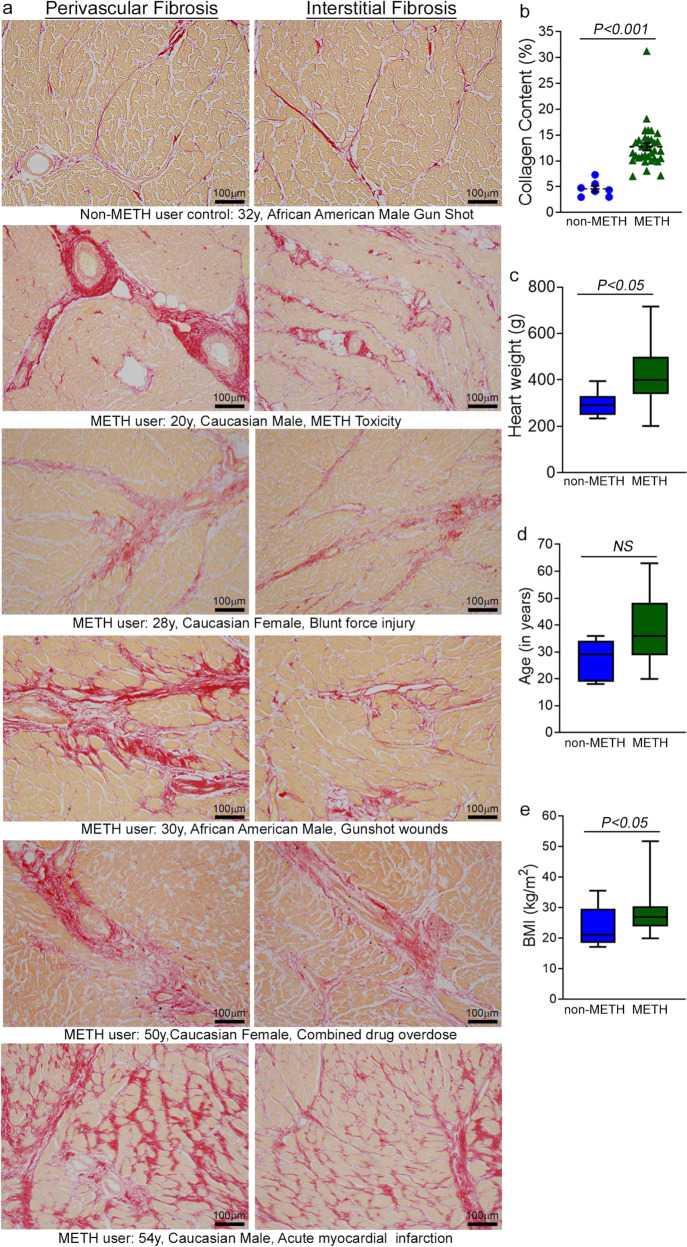
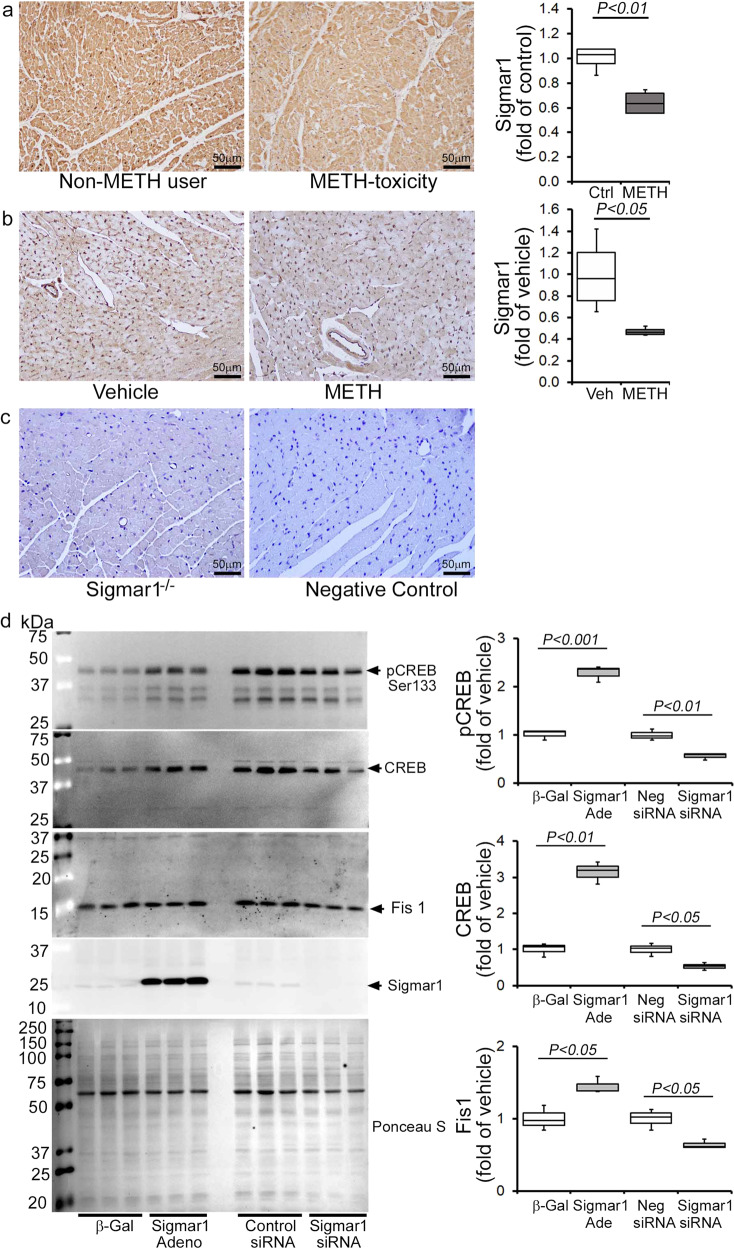
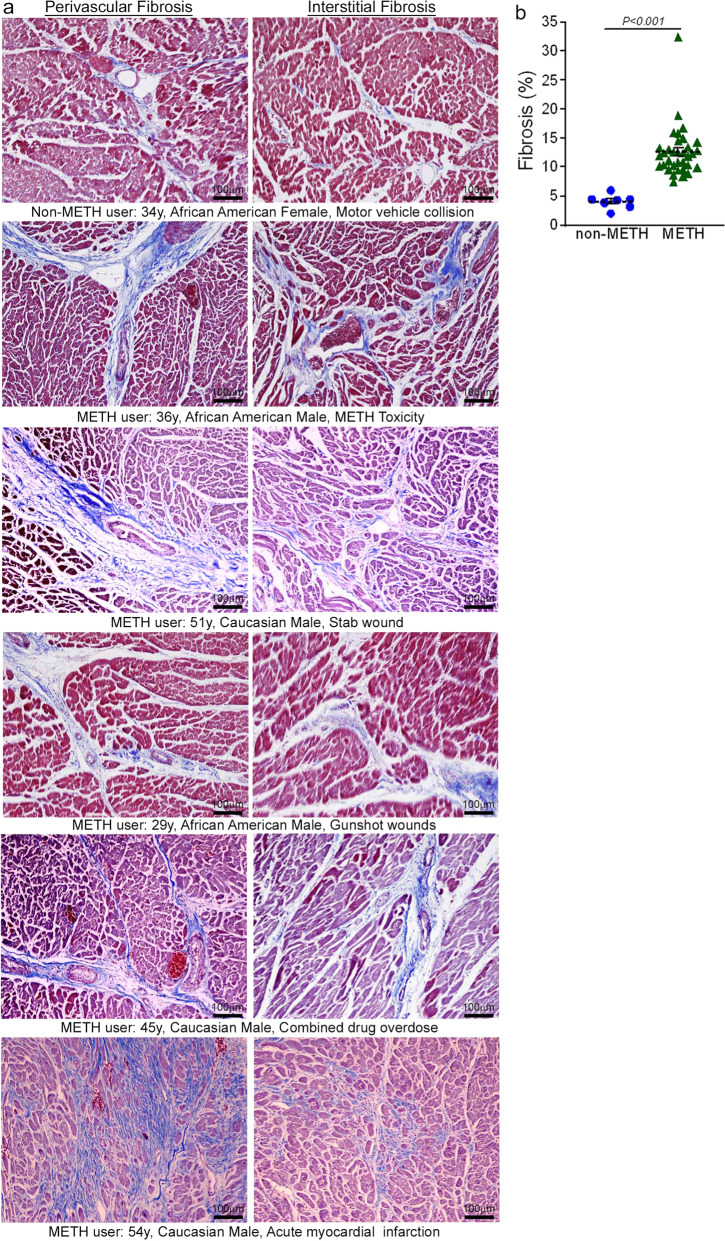
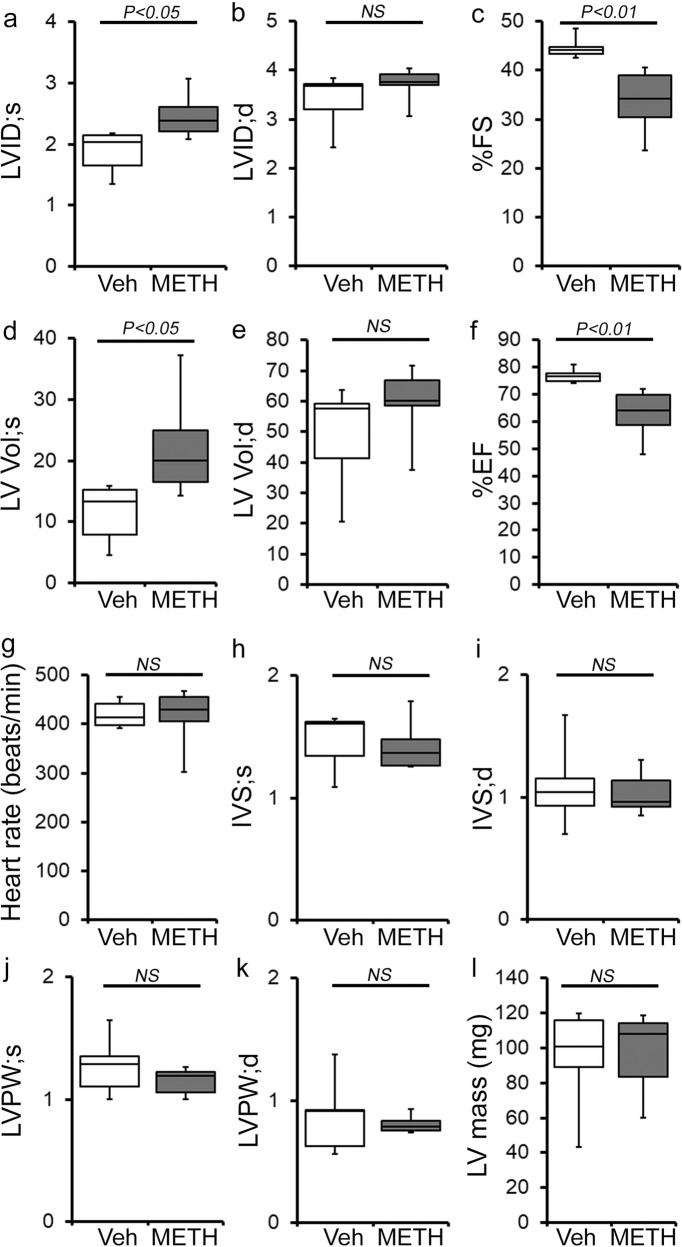
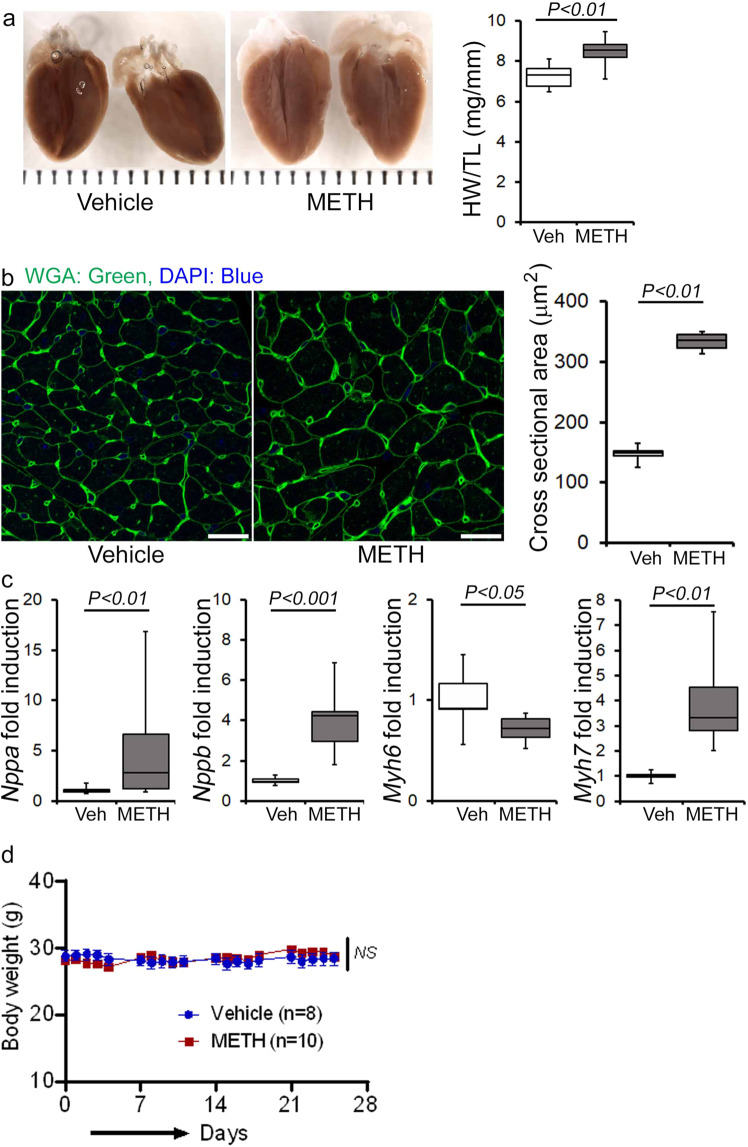
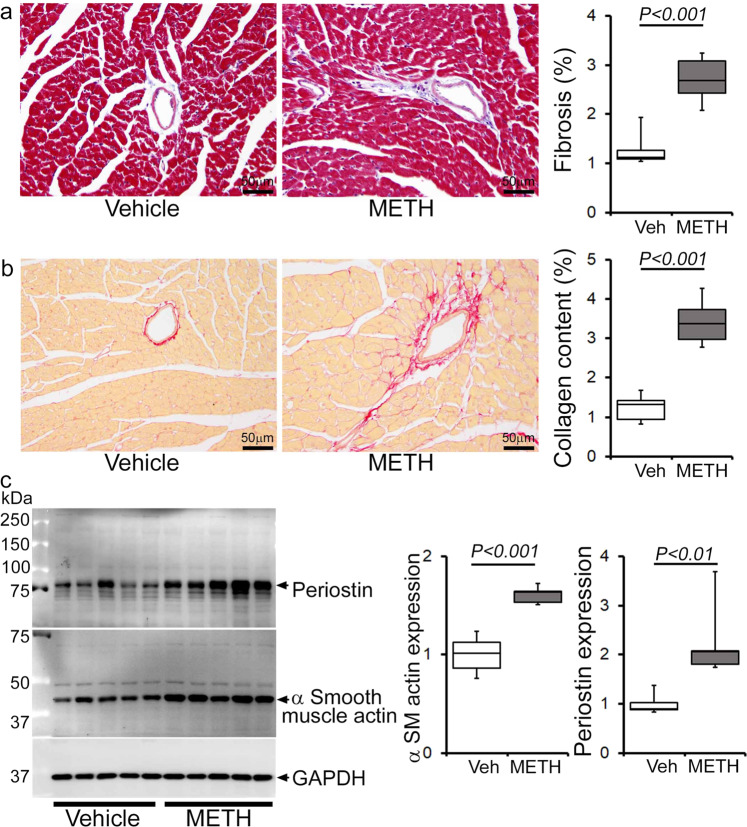
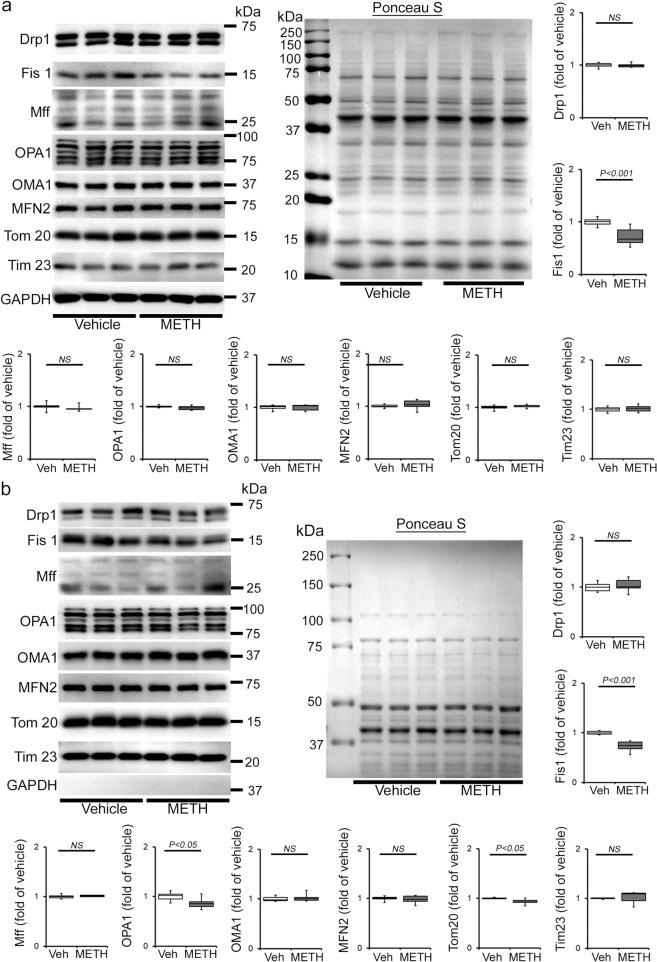
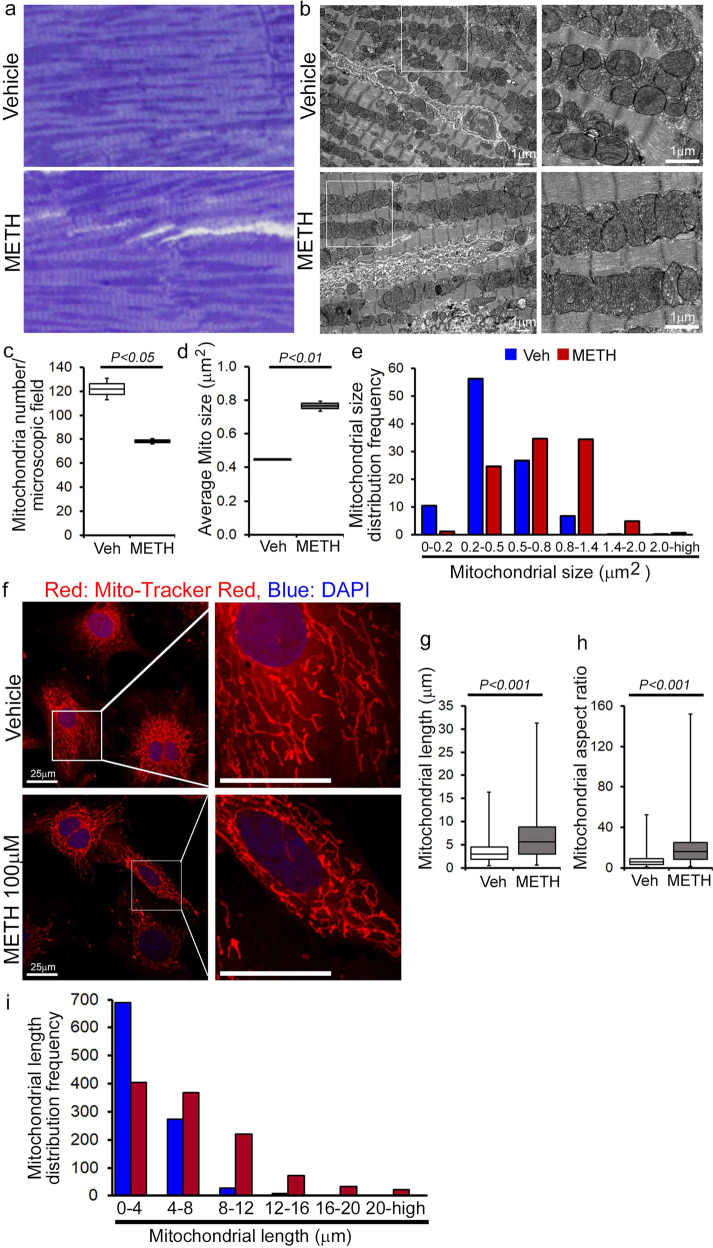
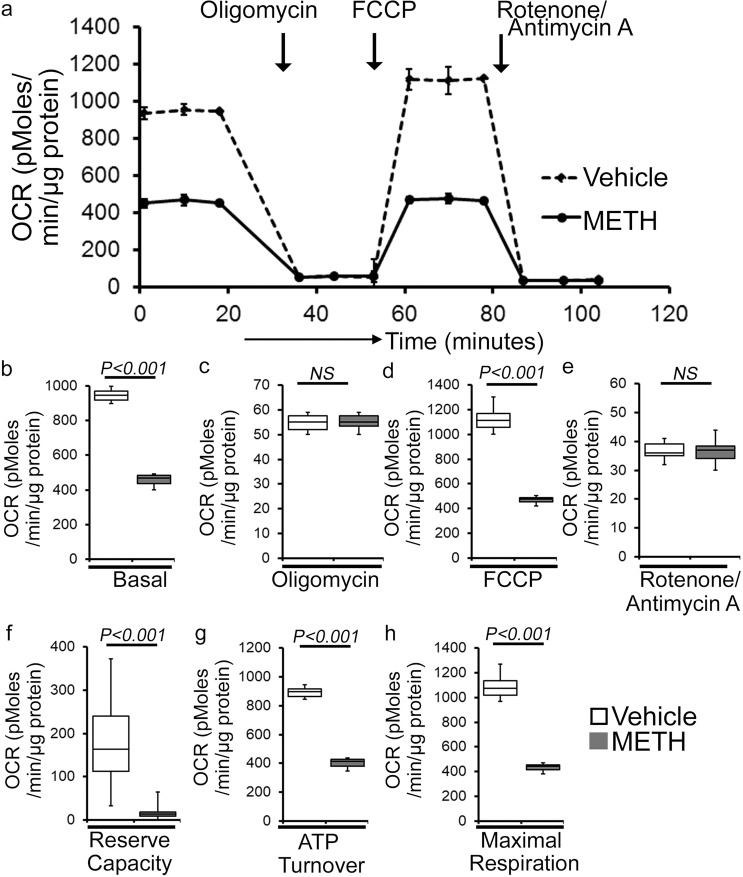
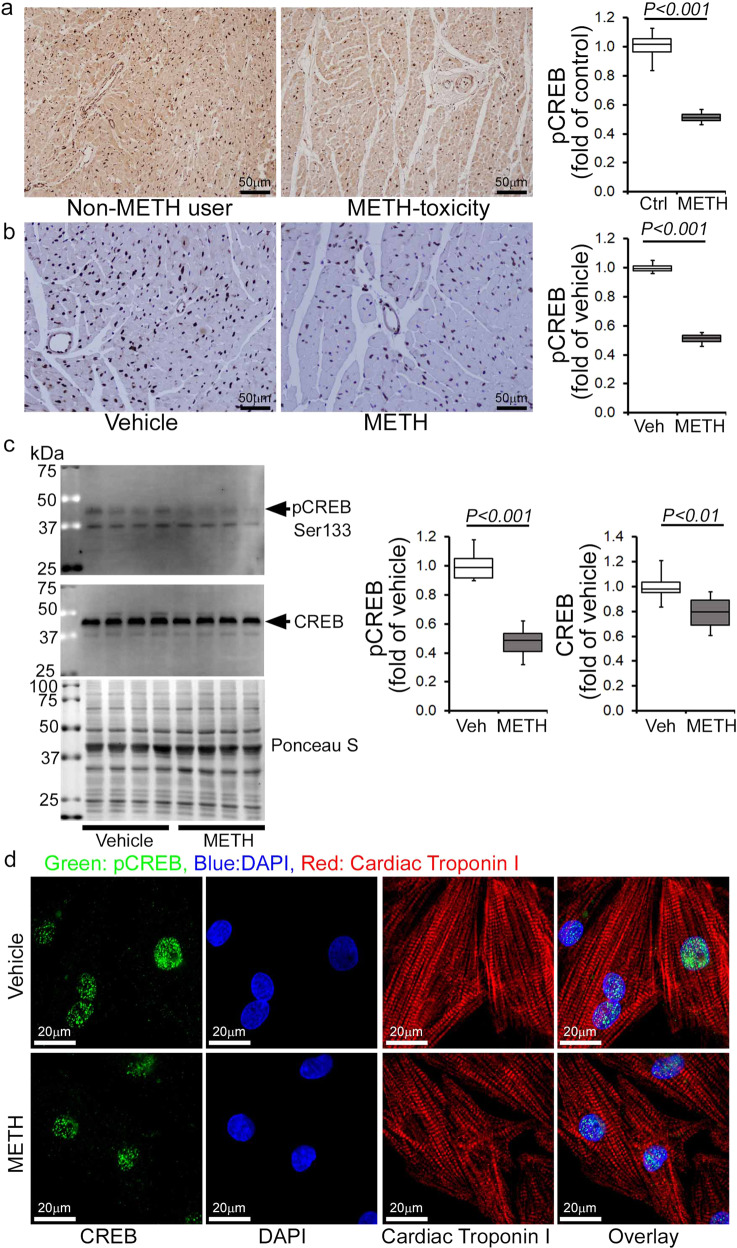
Methamphetamine-associated cardiomyopathy is the leading cause of death linked with illicit drug use. Here we show that Sigmar1 is a therapeutic target for methamphetamine-associated cardiomyopathy and defined the molecular mechanisms using autopsy samples of human hearts, and a mouse model of "binge and crash" methamphetamine administration. Sigmar1 expression is significantly decreased in the hearts of human methamphetamine users and those of "binge and crash" methamphetamine-treated mice. The hearts of methamphetamine users also show signs of cardiomyopathy, including cellular injury, fibrosis, and enlargement of the heart. In addition, mice expose to "binge and crash" methamphetamine develop cardiac hypertrophy, fibrotic remodeling, and mitochondrial dysfunction leading to contractile dysfunction. Methamphetamine treatment inhibits Sigmar1, resulting in inactivation of the cAMP response element-binding protein (CREB), decreased expression of mitochondrial fission 1 protein (FIS1), and ultimately alteration of mitochondrial dynamics and function. Therefore, Sigmar1 is a viable therapeutic agent for protection against methamphetamine-associated cardiomyopathy.
甲基苯丙胺相关性心肌病是与非法药物使用相关的主要死亡原因。在这里,我们表明 Sigmar1 是治疗甲基苯丙胺相关性心肌病的一个治疗靶点,并使用人体心脏的尸检样本和“狂欢和崩溃”型甲基苯丙胺给药的小鼠模型来定义其分子机制。甲基苯丙胺使用者的心脏中 Sigmar1 的表达明显降低,并且“狂欢和崩溃”型甲基苯丙胺处理的小鼠的心脏中 Sigmar1 的表达也降低。甲基苯丙胺使用者的心脏还表现出心肌病的迹象,包括细胞损伤、纤维化和心脏增大。此外,暴露于“狂欢和崩溃”型甲基苯丙胺的小鼠会发生心肌肥厚、纤维化重塑和线粒体功能障碍,导致收缩功能障碍。甲基苯丙胺处理抑制 Sigmar1,导致 cAMP 反应元件结合蛋白 (CREB) 失活、线粒体分裂蛋白 1 (FIS1) 的表达减少,最终导致线粒体动力学和功能的改变。因此,Sigmar1 是一种可行的治疗药物,可用于预防甲基苯丙胺相关性心肌病。