Guangdong Provincial Key Laboratory of Gastroenterology, Institute of Gastroenterology of Guangdong Province, Department of Gastroenterology, Nanfang Hospital, Southern Medical University, Guangzhou 510515, China.
ImStem Biotechnology, Inc., 400 Farmington Avenue R1808, Farmington, CT 06030, USA.
Theranostics. 2020 Oct 30;10(26):12204-12222. doi: 10.7150/thno.47683. eCollection 2020.
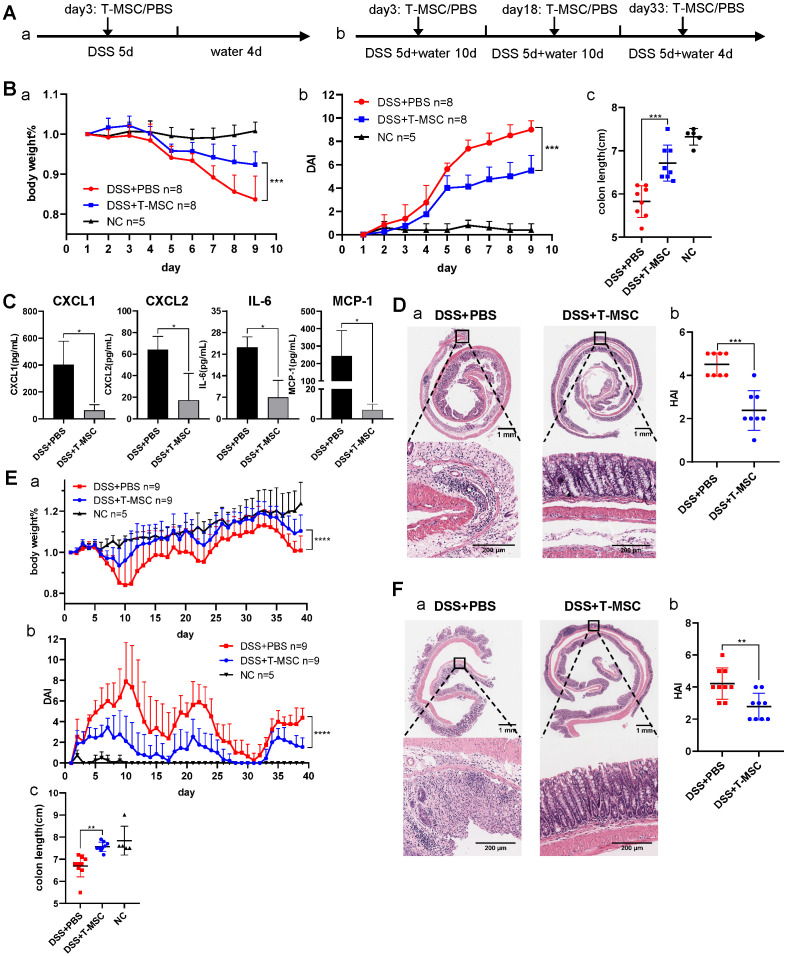
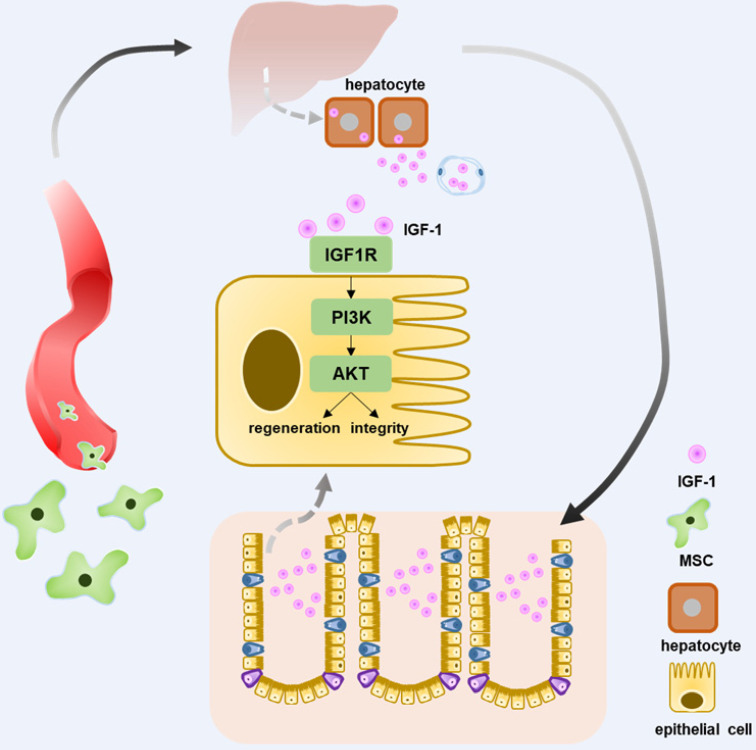
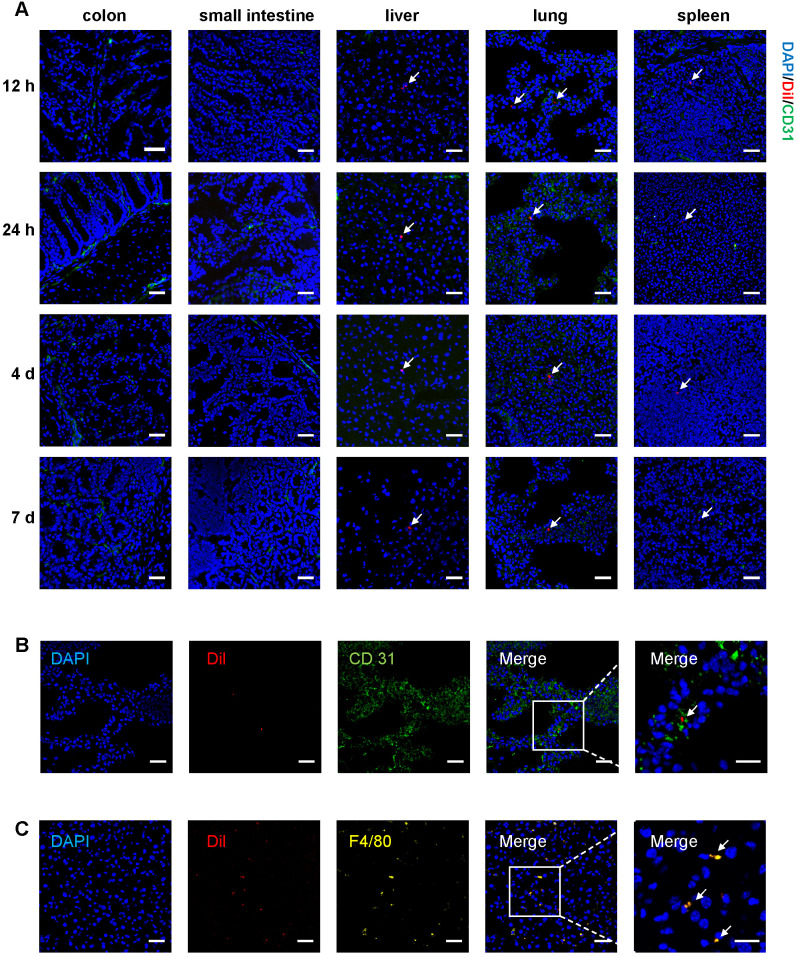
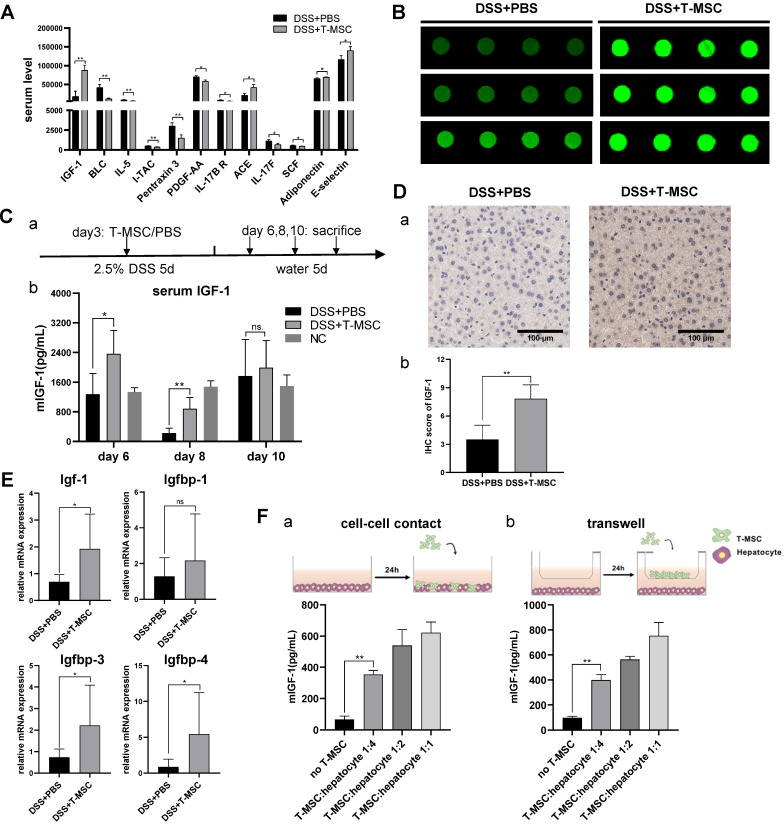
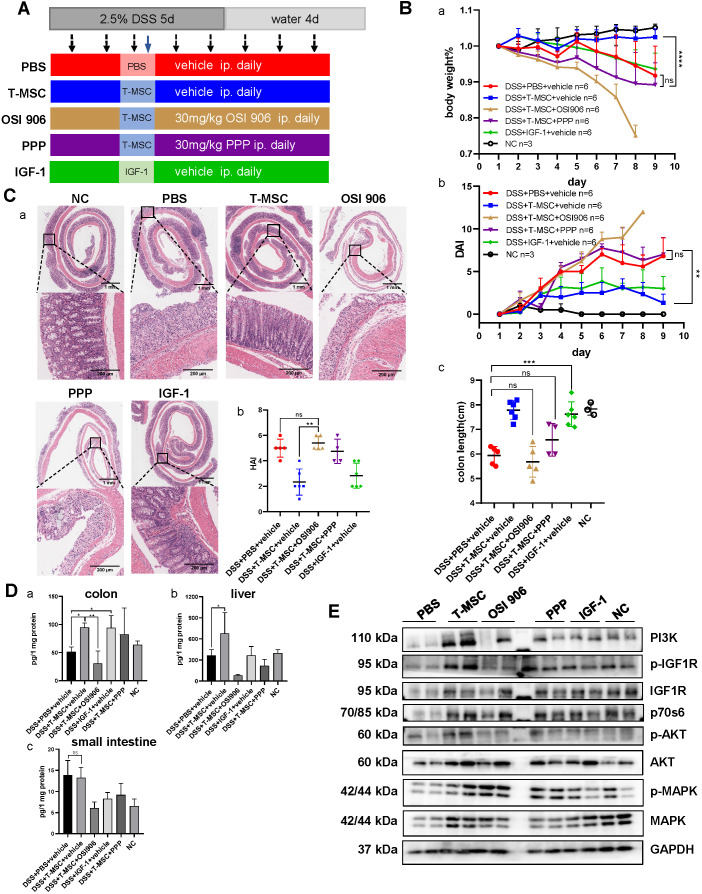
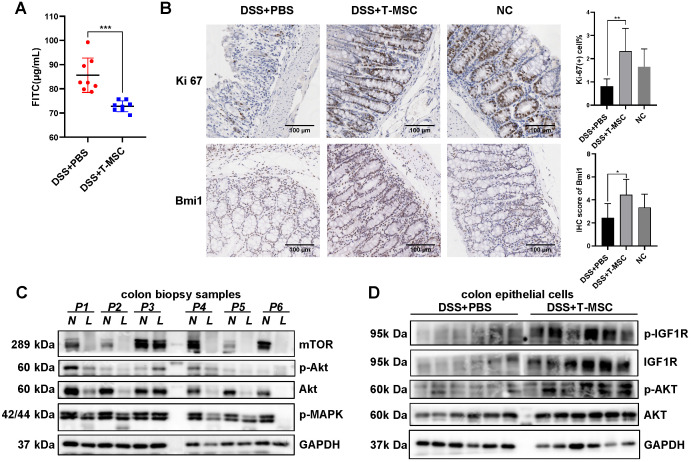
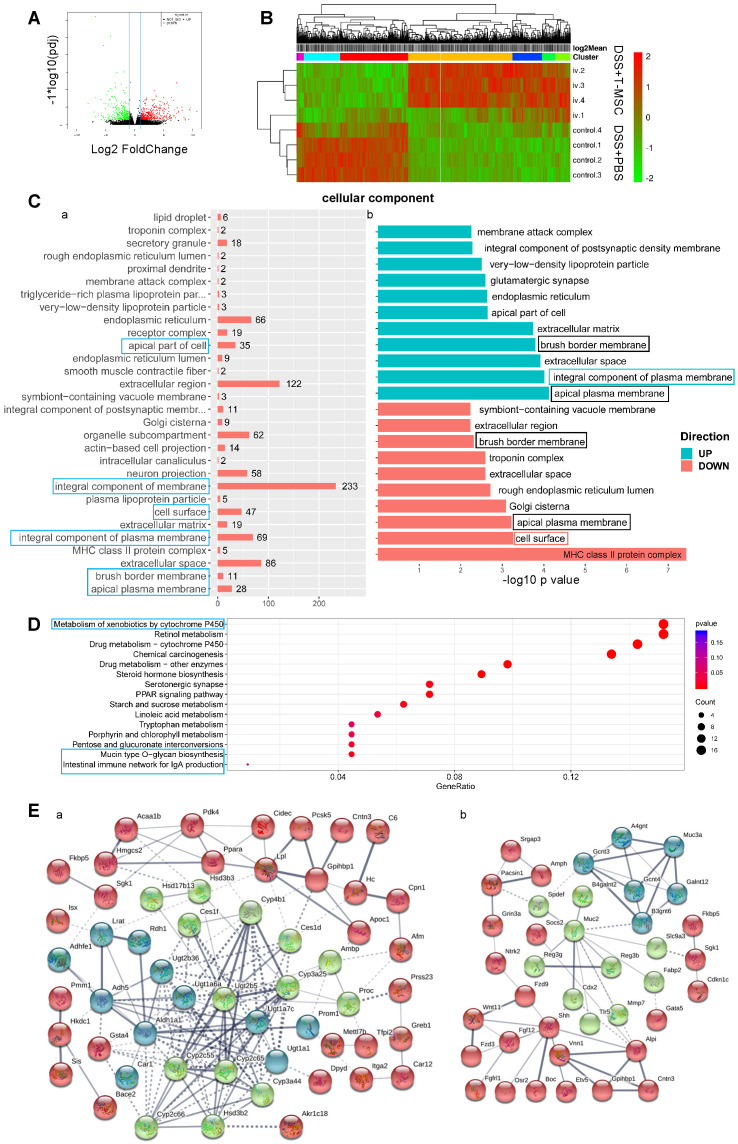
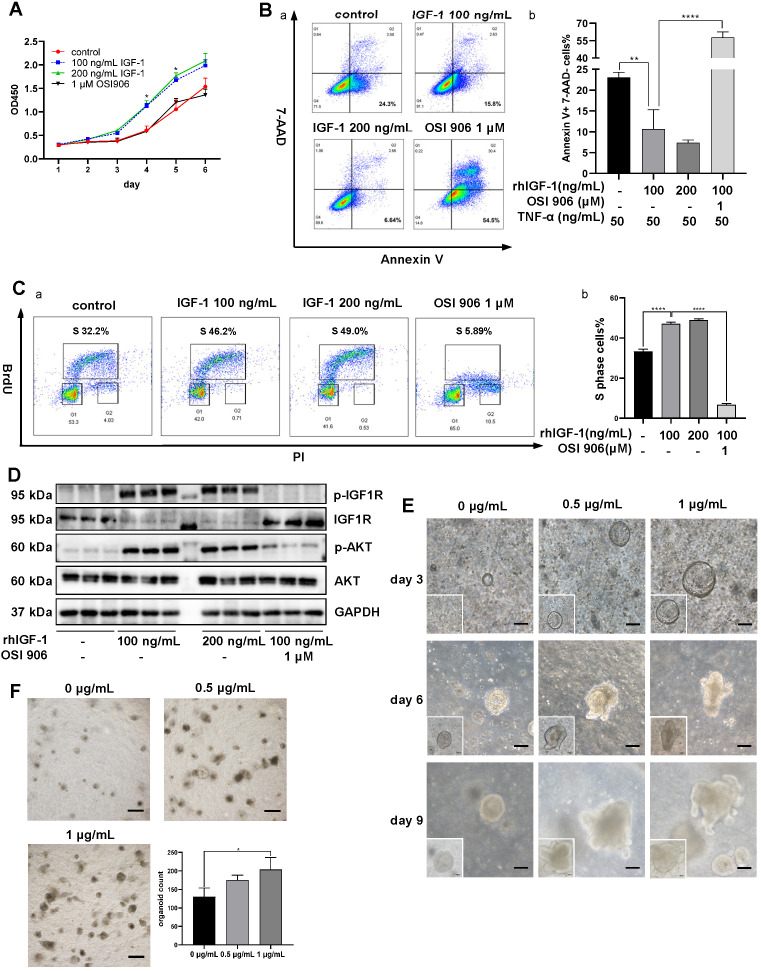
Mesenchymal stem cells (MSCs) show promising therapeutic potential in treating inflammatory bowel disease (IBD) due to their immunomodulatory and trophic functions. However, their efficacy is influenced by tissue origin, donator condition, isolation, and expansion methods. Here, we generated phenotypically uniform MSCs from human embryonic stem cells (T-MSCs) and explored the molecular mechanisms involved in promoting mucosal integrity and regeneration in colitis mice. T-MSCs were injected intravenously into mice with dextran sulfate sodium (DSS)-induced colitis, and the distribution and therapeutic efficacy were evaluated. We performed serum cytokine antibody microarrays to screen potentially effective proteins and examined the therapeutic effect of insulin-like growth factor-1 (IGF-1). Colon epithelial regeneration potential was evaluated, and RNA sequencing was employed to determine the underlying molecular mechanisms. Finally, IGF-1 stimulation was performed to assess its effect on cell functions and organoid growth. Intravenous administration of T-MSCs alleviated colitis in both acute and chronic DSS mouse models. Labeled T-MSCs were mainly distributed in the lungs, liver, and spleen after systemic infusion. The antibody array analysis of serum cytokines indicated that the IGF-1 level was increased in the treatment group, and serum ELISA further confirmed its elevation in the regeneration stage. Intraperitoneal injection of IGF-1 receptor inhibitors abrogated the anti-inflammatory activity of T-MSCs. The colonic epithelium of the treatment group showed greater regenerative potency than the controls and the IGF1R-PI3K-AKT pathway was up-regulated. RNA sequencing showed that T-MSC treatment contributed to colonic cell integrity and promoted xenobiotic metabolism. IGF-1 stimulation promoted the growth and proliferation of colon cells and organoids. Intravenous infusion of T-MSCs alleviated colitis in mice by elevating the circulating IGF-1 level. Increased IGF-1 maintained the integrity of epithelial cells and contributed to their repair and regeneration. Our study has identified T- MSCs as a potential cell resource for IBD treatment.
间充质干细胞(MSCs)因其免疫调节和营养功能,在治疗炎症性肠病(IBD)方面显示出有前景的治疗潜力。然而,它们的疗效受到组织来源、供体状况、分离和扩增方法的影响。在这里,我们从人类胚胎干细胞(T-MSCs)中生成表型均一的 MSCs,并探讨了促进结肠炎小鼠黏膜完整性和再生的分子机制。将 T-MSCs 静脉注射到葡聚糖硫酸钠(DSS)诱导的结肠炎小鼠体内,评估其分布和治疗效果。我们进行了血清细胞因子抗体微阵列筛选,以筛选潜在有效的蛋白质,并检查胰岛素样生长因子-1(IGF-1)的治疗效果。评估结肠上皮再生潜力,并进行 RNA 测序以确定潜在的分子机制。最后,进行 IGF-1 刺激以评估其对细胞功能和类器官生长的影响。静脉注射 T-MSCs 可缓解急性和慢性 DSS 小鼠模型的结肠炎。全身输注后,标记的 T-MSCs 主要分布在肺、肝和脾中。血清细胞因子抗体阵列分析表明,治疗组 IGF-1 水平升高,血清 ELISA 进一步证实其在再生阶段升高。腹腔内注射 IGF-1 受体抑制剂可消除 T-MSCs 的抗炎活性。治疗组的结肠上皮显示出比对照组更强的再生能力,IGF1R-PI3K-AKT 通路被上调。RNA 测序表明,T-MSC 治疗有助于结肠细胞完整性,并促进外源性代谢。IGF-1 刺激促进结肠细胞和类器官的生长和增殖。静脉输注 T-MSCs 通过提高循环 IGF-1 水平来缓解小鼠的结肠炎。增加的 IGF-1 维持上皮细胞的完整性,并有助于其修复和再生。我们的研究鉴定出 T-MSCs 是治疗 IBD 的潜在细胞资源。