Gochi Mikako, Kato Fuminori, Toriumi Asuka, Kawagoe Tomoko, Yotsuya Shuichi, Ishii Daisuke, Otani Masahide, Nishikawa Yuji, Furukawa Hiroyuki, Matsuno Naoto
Department of Transplantation Technology and Therapeutic Development, Asahikawa Medical University, Hokkaido, Japan.
Pharmaceutical Development Division, Life Science Business Development Headquarters, Ishihara Sangyo Kaisha, Ltd., Osaka, Japan.
Transplant Direct. 2020 Nov 10;6(12):e624. doi: 10.1097/TXD.0000000000001077. eCollection 2020 Dec.
In organ transplantation, the University of Wisconsin (UW) solution has been the gold standard for organ preservation. Quercetin (Que) has numerous antioxidant and anti-inflammatory activities, and sucrose (Suc) may be effective for cold storage (CS). This study aimed to investigate the in vitro protective effect of Que and Suc on cold injury to the kidney and to determine whether Que + Suc could improve ischemia-reperfusion injury during CS and hypothermic oxygenated perfusion (HOPE) in autologous transplantation models.
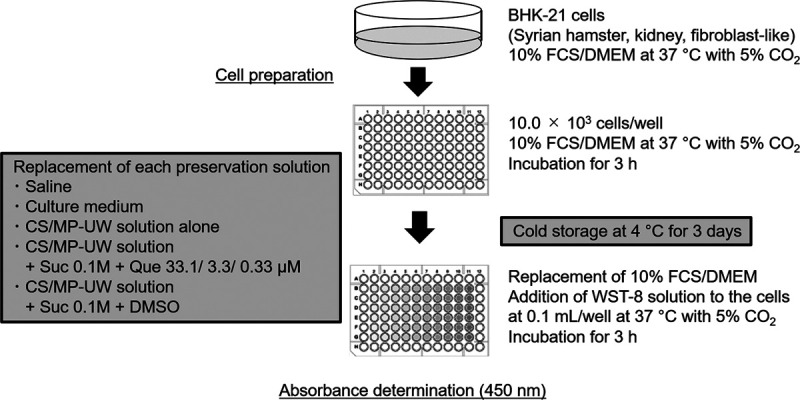
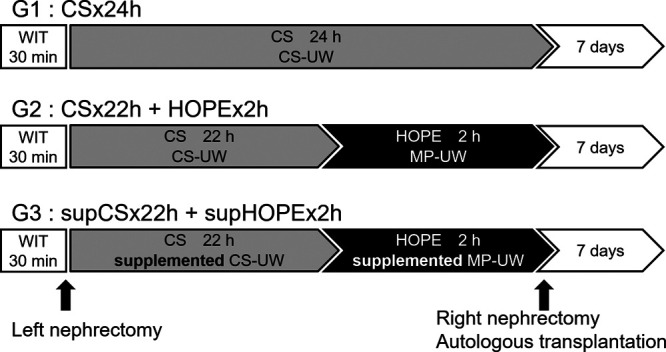
BHK-21 cells were stored at 4°C for 3 days in UW solution for CS/machine perfusion (CS/MP-UW) with Que (33.1 μM, 3.3 μM, 0.33 μM) and Suc (0.1 M). In a porcine model of renal autologous transplantation, left kidney grafts were preserved under 3 conditions: group 1, CS preservation for 24 hours; group 2, CS preservation for 22 hours and HOPE with CS/MP-UW solution for 2 hours; and group 3, identical preservation as group 2, with Que and Suc added to the solution. Animals were euthanized on day 7 after autologous transplantation.
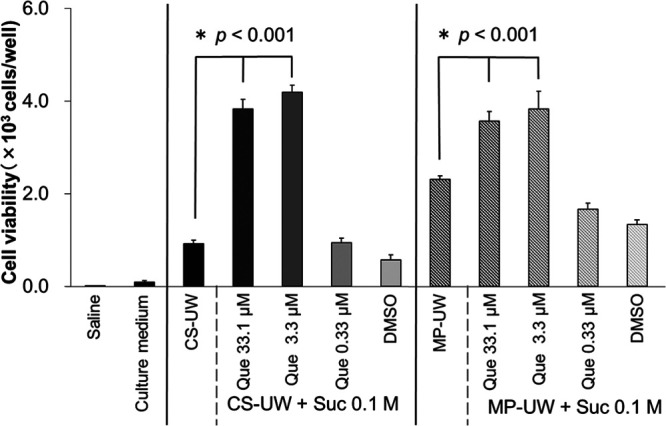
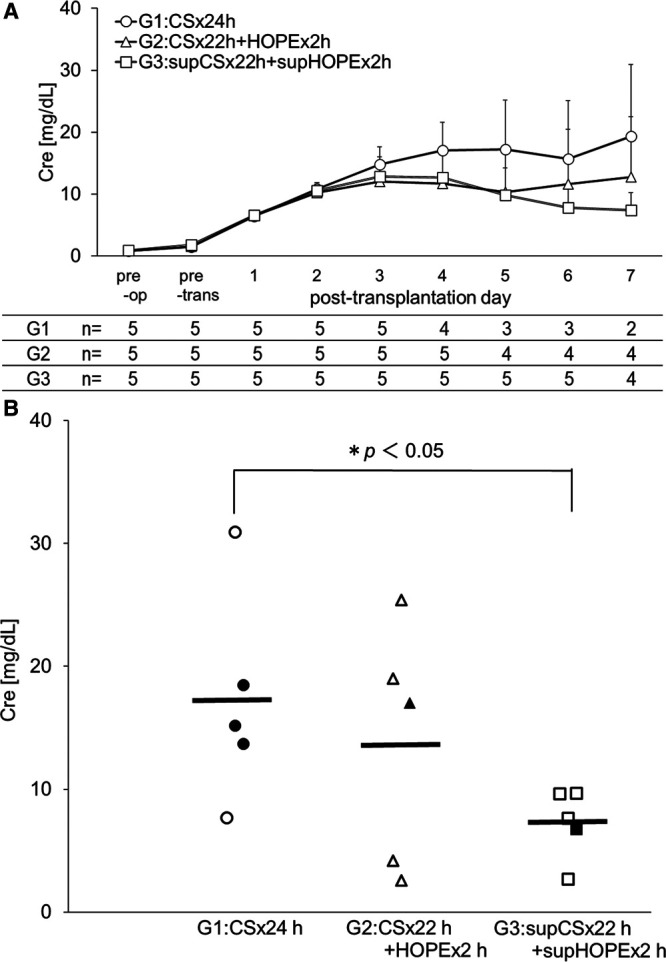
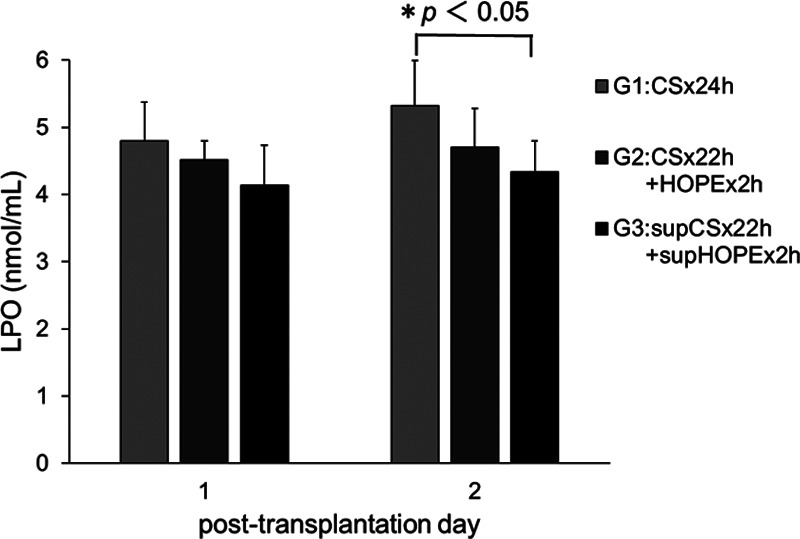
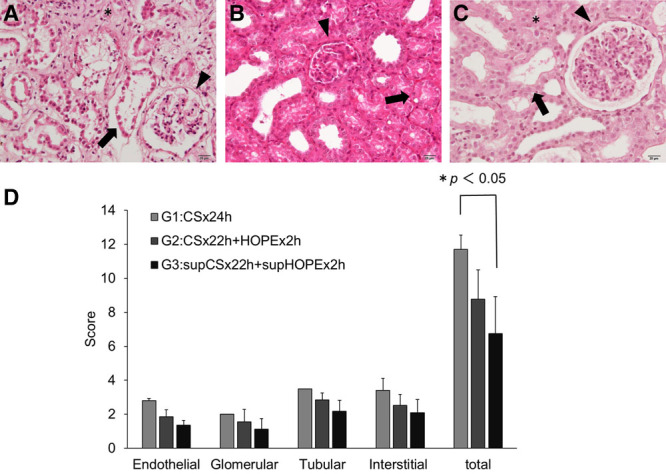
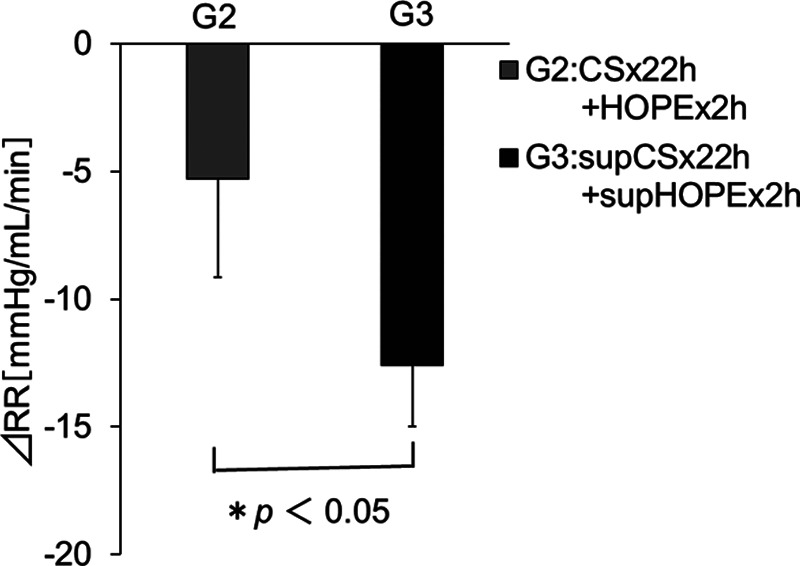
After 3 days of CS preservation, the CS/MP-UW solution with Que (33.1 μM, 3.3 μM) and Suc showed significant cell protection against cold injury. In the porcine model of renal autologous transplantation, the last blood Cre level and the blood lipid hydroperoxide on posttransplantation day 2 were significantly different between group 1 and group 3. Moreover, the total endothelial, glomerular, tubular, interstitial (EGTI) histology score in the kidney tissue was also significantly different. Regarding the change in renal resistance in HOPE, the decrease observed in group 3 was significantly larger than that in group 2.
Our results suggest that the addition of Que and Suc to a UW solution can improve kidney preservation and could potentially enhance the outcome of kidney transplantation.
在器官移植中,威斯康星大学(UW)溶液一直是器官保存的金标准。槲皮素(Que)具有多种抗氧化和抗炎活性,蔗糖(Suc)可能对冷藏(CS)有效。本研究旨在探讨Que和Suc对肾脏冷损伤的体外保护作用,并确定Que + Suc是否能改善自体移植模型中CS和低温氧合灌注(HOPE)期间的缺血再灌注损伤。
将BHK - 21细胞在UW溶液中于4°C保存3天,用于CS/机器灌注(CS/MP - UW),添加Que(33.1 μM、3.3 μM、0.33 μM)和Suc(0.1 M)。在猪自体肾移植模型中,左肾移植物在3种条件下保存:第1组,CS保存24小时;第2组,CS保存22小时,并用CS/MP - UW溶液进行HOPE 2小时;第3组,与第2组保存条件相同,但在溶液中添加Que和Suc。自体移植后第7天对动物实施安乐死。
CS保存3天后,添加Que(33.1 μM、3.3 μM)和Suc的CS/MP - UW溶液对冷损伤显示出显著的细胞保护作用。在猪自体肾移植模型中,第1组和第3组之间移植后第2天的末次血肌酐水平和血脂过氧化值有显著差异。此外,肾组织中的总内皮、肾小球、肾小管、间质(EGTI)组织学评分也有显著差异。关于HOPE中肾阻力的变化,第3组观察到的下降明显大于第2组。
我们的结果表明,在UW溶液中添加Que和Suc可以改善肾脏保存,并可能提高肾移植的效果。