Division of Liver Diseases, Jinan Infectious Disease Hospital, Shandong University, China.
Department of Infectious Disease, The Second Affiliated Hospital and Yuying Children's Hospital of Wenzhou Medical University, 325000, China.
Mediators Inflamm. 2020 Nov 7;2020:8183713. doi: 10.1155/2020/8183713. eCollection 2020.
Apoptosis signal-regulating kinase 1 (ASK1) has been reported to induce fibrotic signaling in the setting of oxidative stress. However, the role of ASK1 and its mechanism of action in angiotensin II- (Ang II-) induced liver fibrosis remain largely unknown.
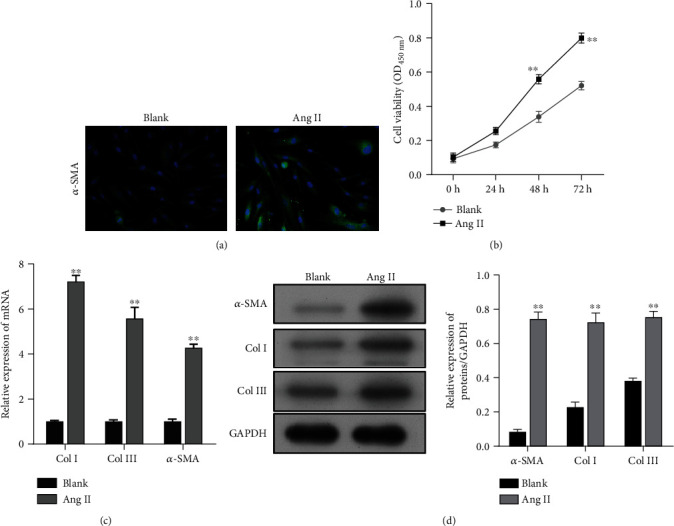
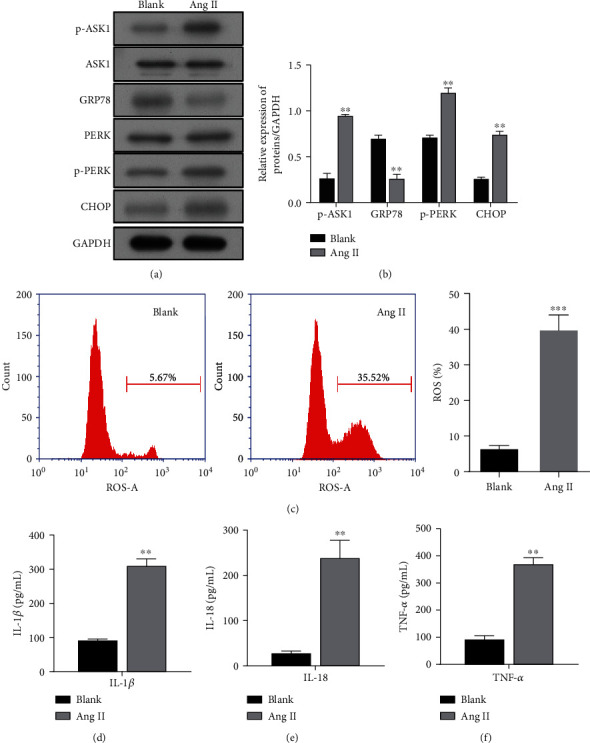
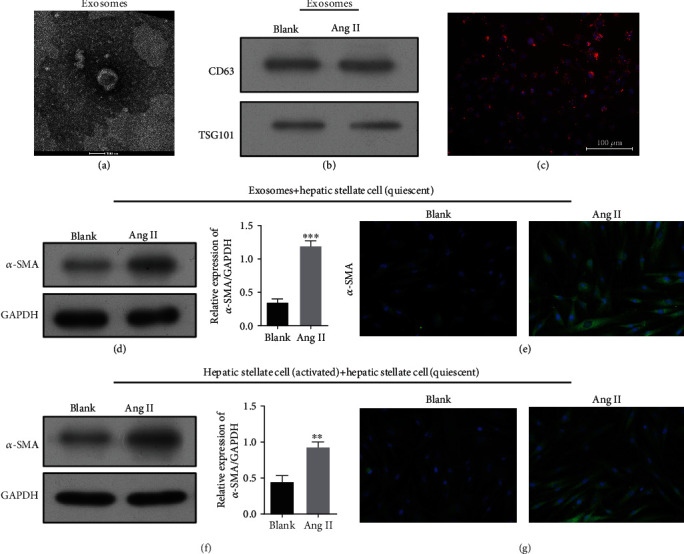
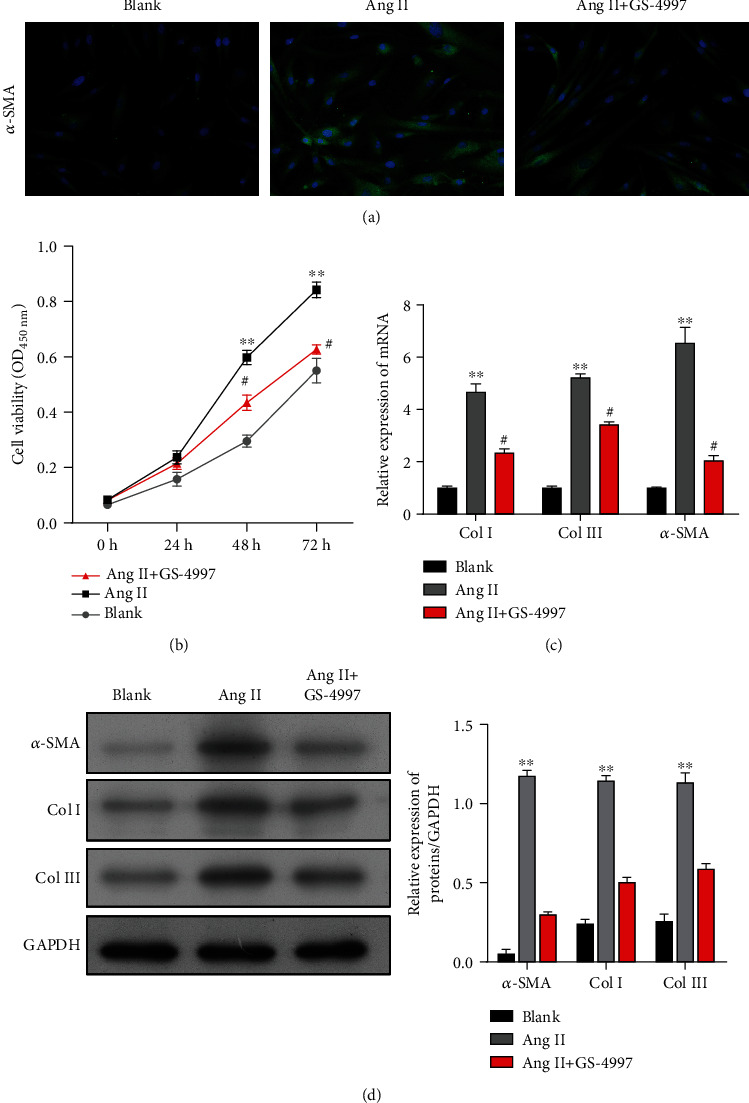
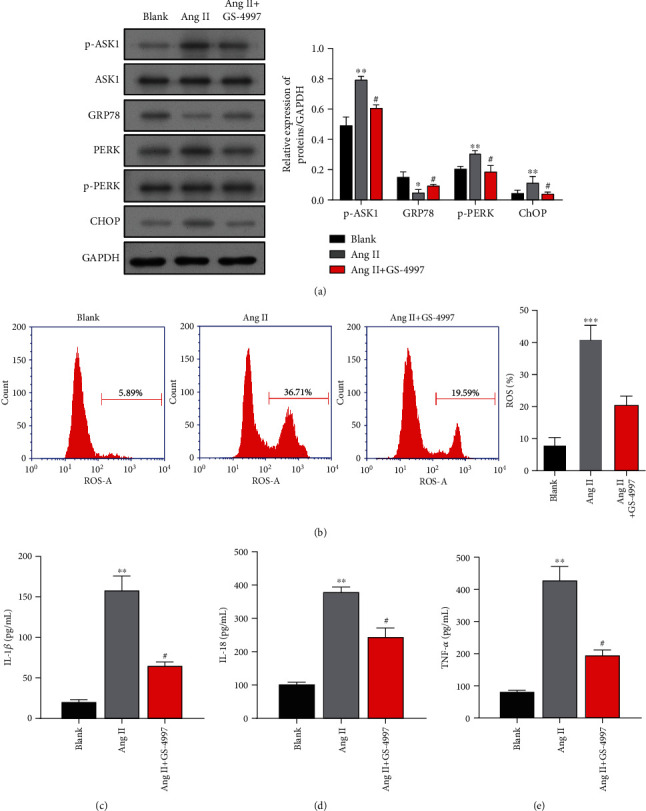
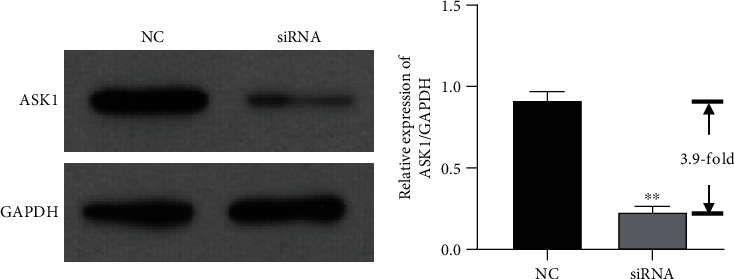
Human hepatic LX-2 stellate cells were treated with Ang II alone or cotreated with Ang II plus an ASK1 inhibitor (GS-4997) or siRNA-targeting ASK1. Immunofluorescent staining, real-time PCR, and western blotting were used to determine the expressionof -SMA, Col I, and Col III expression. Cell viability was assessed by the CCK-8 assay. The concentrations of IL-1, IL-18, and TNF- in conditioned medium were determined by ELISA. The levels of intracellular ROS in LX-2 cells were analyzed using a ROS assay kit. Exosome size was determined by electron microscopy.
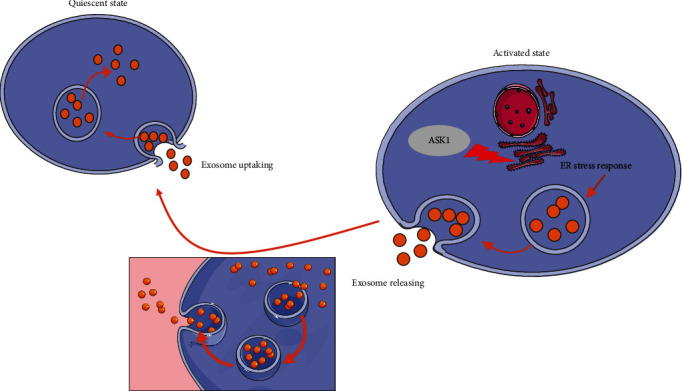
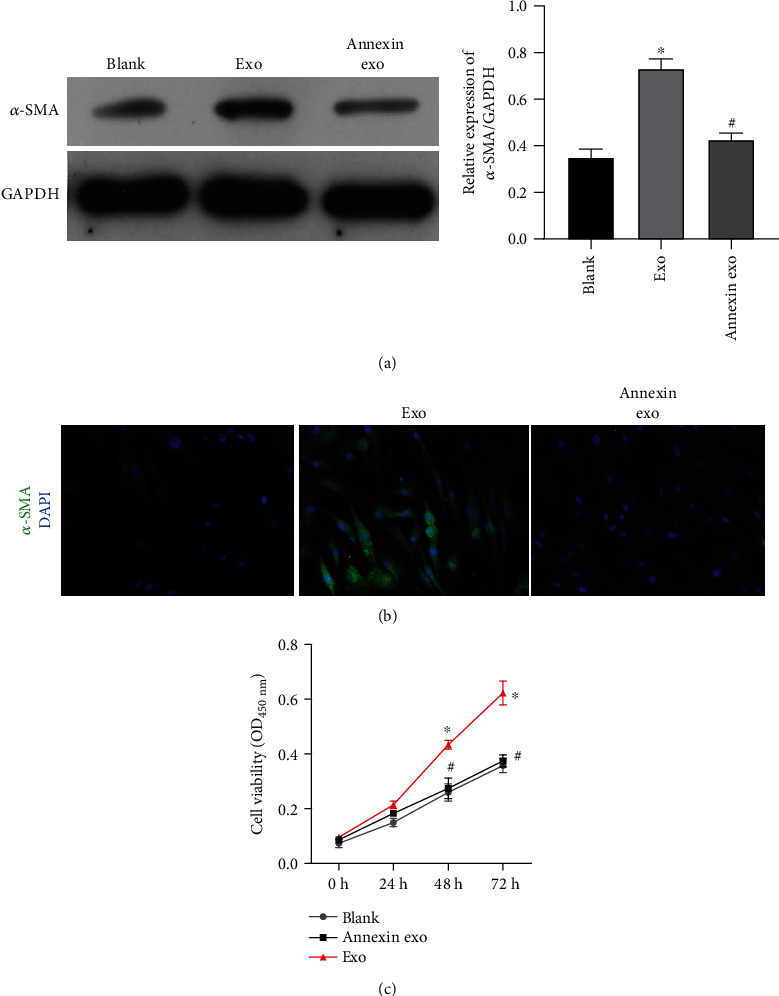
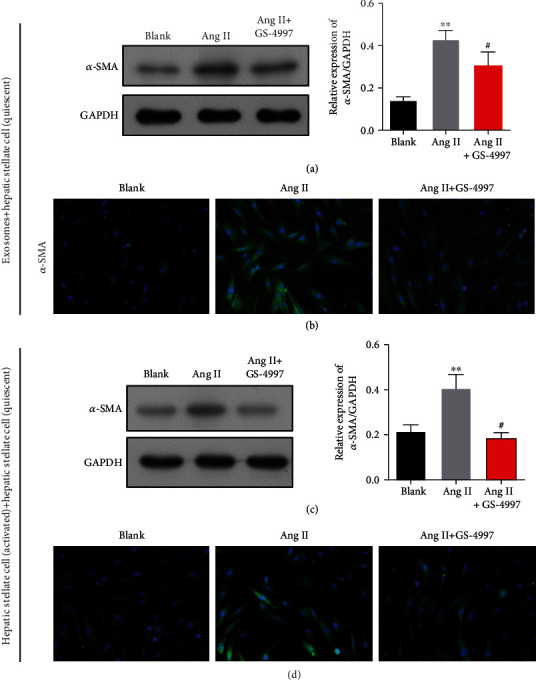
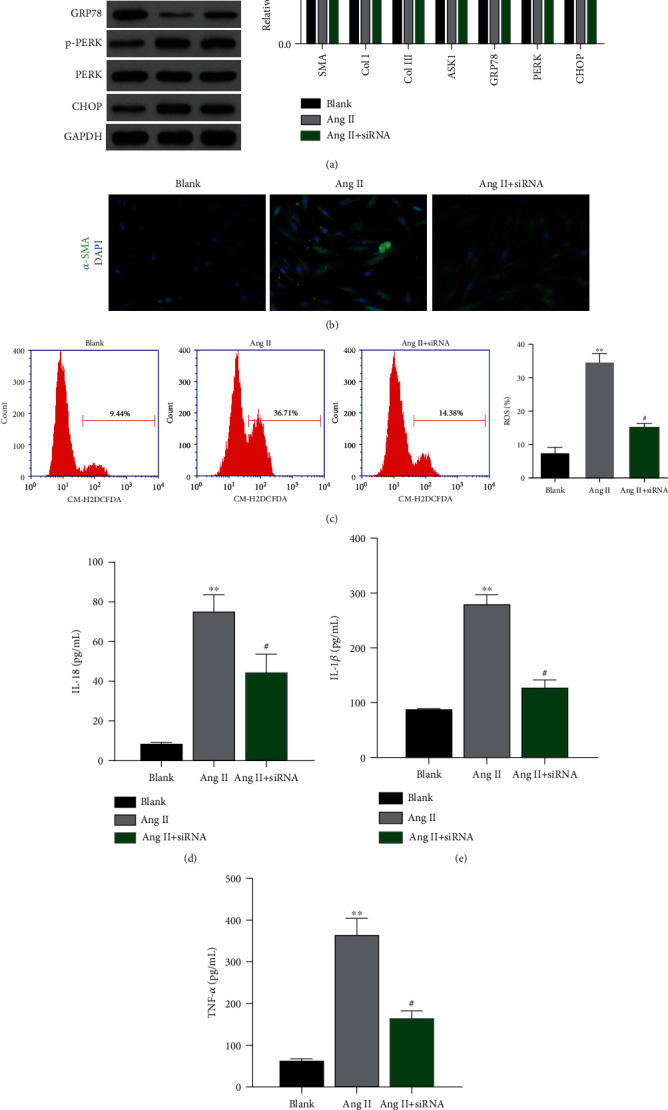
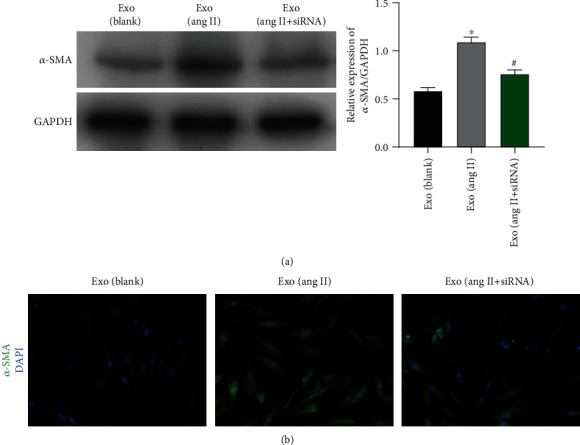
Ang II markedly increased the expression of extracellular matrix (ECM) proteins (-SMA, Col I, and Col III) and proinflammatory cytokines (IL-1, IL-18, and TNF-). Ang II also increased the expression of endoplasmic reticulum stress (ERS) markers (GRP78, p-PERK, and CHOP) and p-ASK1. Results also showed that pretreatment with GS-4997 or siRNA could abolish all the abovementioned effects on LX-2 cells. Furthermore, we found that exosome release caused by ASK1-mediated ERS was involved in the activation of LX-2 cells by Ang II. The activation of LX-2 cells could be blocked by treating the exosomes with annexin.
In summary, we found that ASK1 mediates Ang II-activated ERS in HSCs and the subsequent activation of HSCs, suggesting a promising strategy for treating liver fibrosis.
凋亡信号调节激酶 1(ASK1)已被报道在氧化应激的情况下诱导纤维化信号。然而,ASK1 的作用及其在血管紧张素 II(Ang II)诱导的肝纤维化中的作用机制在很大程度上仍然未知。
用 Ang II 单独或与 ASK1 抑制剂(GS-4997)或靶向 ASK1 的 siRNA 共同处理人肝星状细胞系 LX-2。免疫荧光染色、实时 PCR 和 Western blot 用于确定 -SMA、Col I 和 Col III 的表达。通过 CCK-8 测定法评估细胞活力。ELISA 测定条件培养基中 IL-1、IL-18 和 TNF-的浓度。使用 ROS 测定试剂盒分析 LX-2 细胞内 ROS 的水平。通过电子显微镜确定外泌体的大小。
Ang II 显著增加细胞外基质(ECM)蛋白(-SMA、Col I 和 Col III)和促炎细胞因子(IL-1、IL-18 和 TNF-)的表达。Ang II 还增加内质网应激(ERS)标志物(GRP78、p-PERK 和 CHOP)和 p-ASK1 的表达。结果还表明,GS-4997 或 siRNA 的预处理可以消除 Ang II 对 LX-2 细胞的所有上述作用。此外,我们发现 ASK1 介导的 ERS 引起的外泌体释放参与了 Ang II 激活 LX-2 细胞。通过用 annexin 处理外泌体可以阻断 LX-2 细胞的激活。
总之,我们发现 ASK1 介导 Ang II 激活的 HSCs 中的 ERS 以及随后的 HSCs 激活,这为治疗肝纤维化提供了一种有前途的策略。