Marine Ecology Research Centre, School of Environment, Science and Engineering, Southern Cross University, Lismore, New South Wales, Australia.
The Marine Science Institute, College of Science, University of the Philippines, Diliman, Quezon City, Philippines.
PLoS One. 2020 Nov 24;15(11):e0242847. doi: 10.1371/journal.pone.0242847. eCollection 2020.
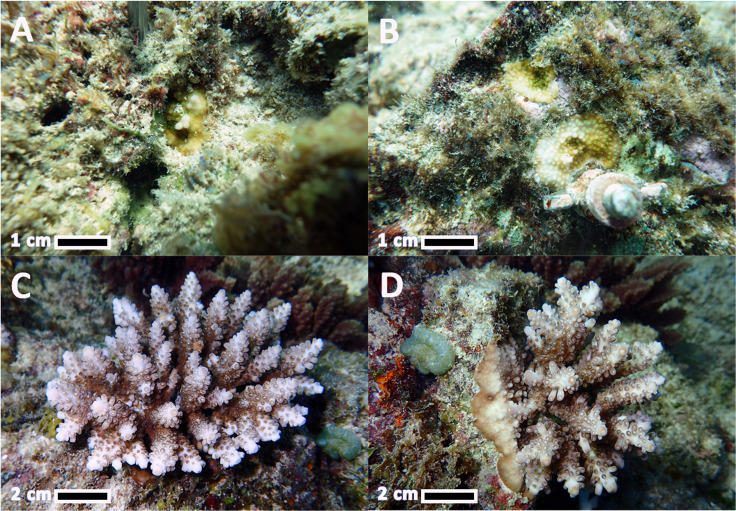
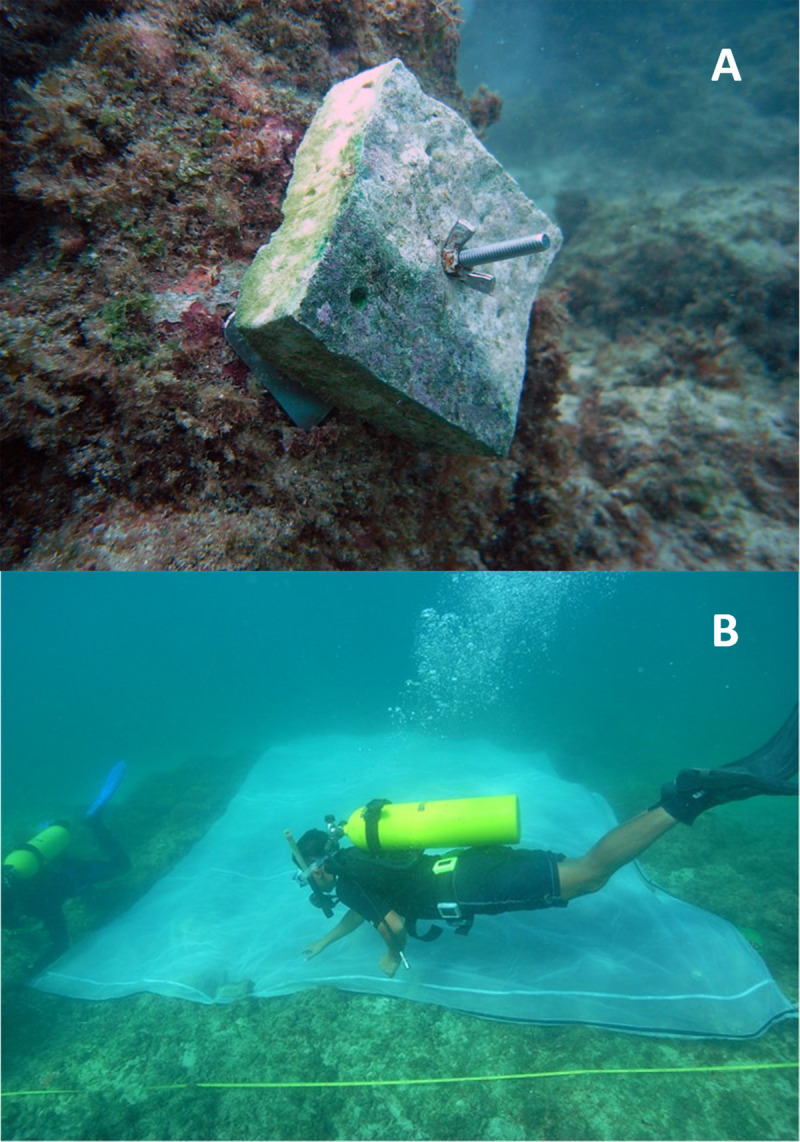
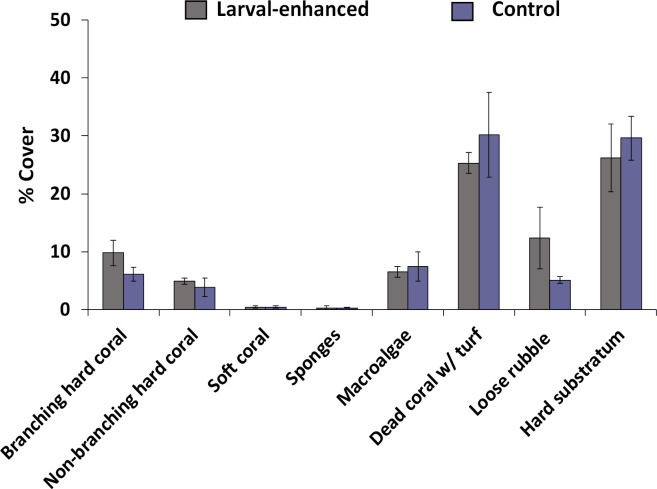
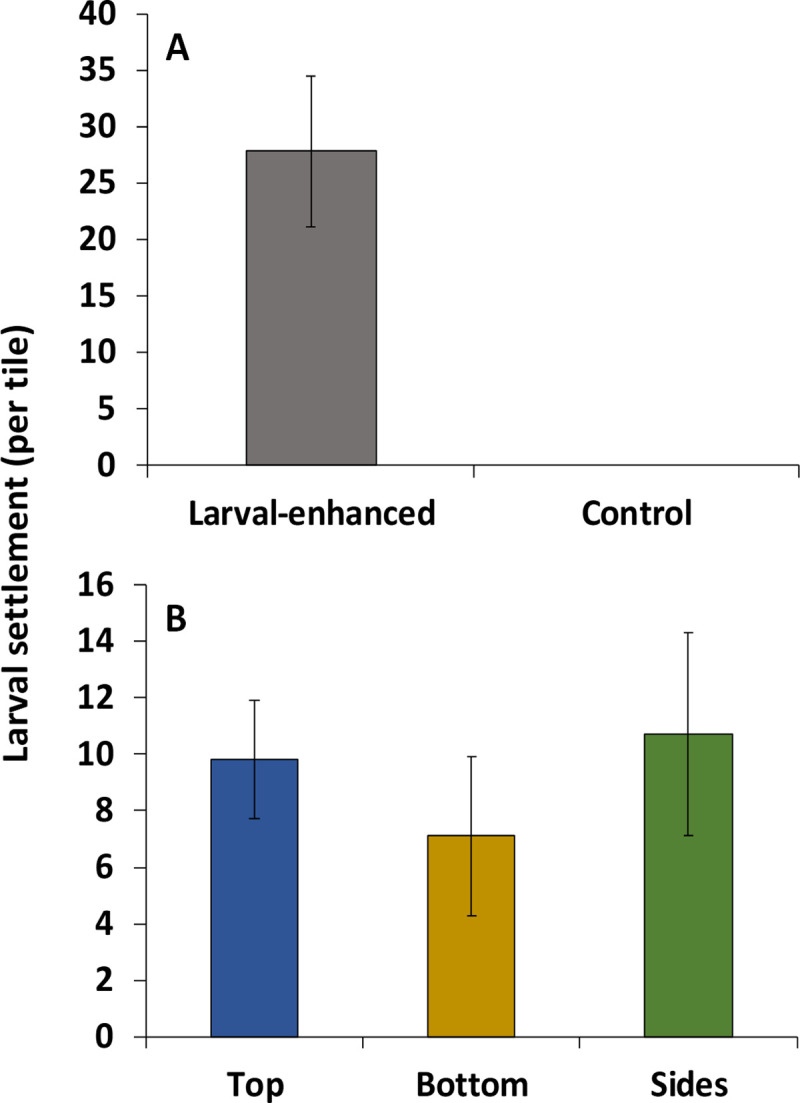
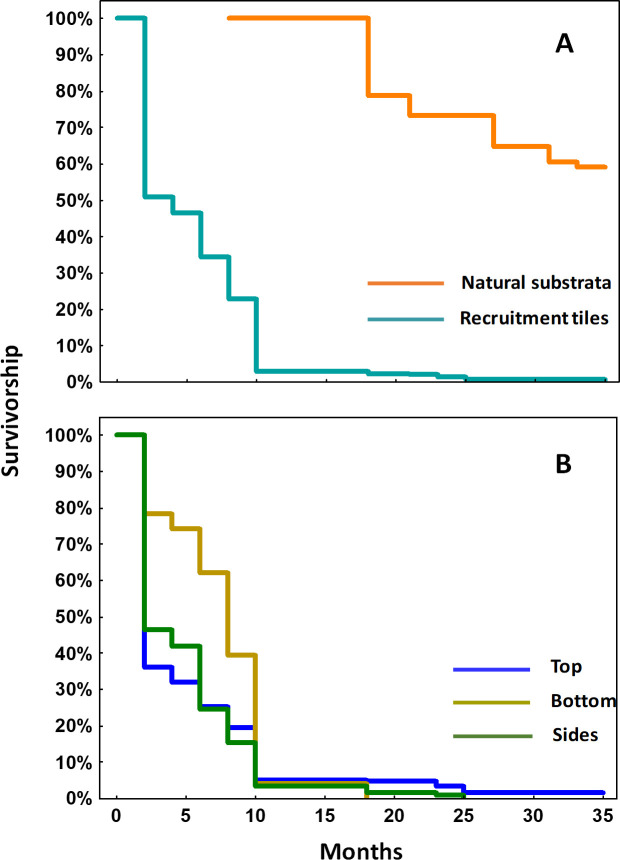
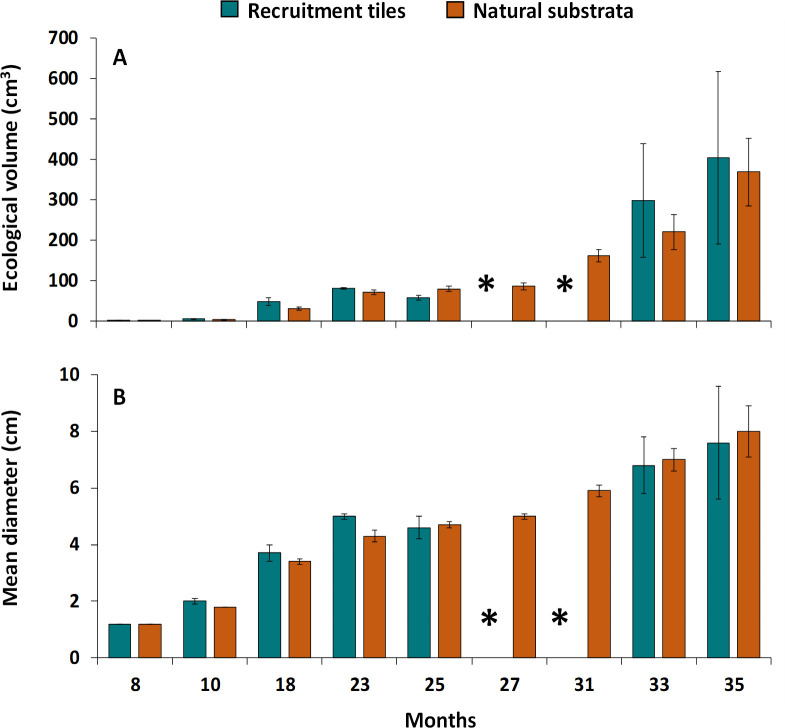
The escalating rate at which coral communities are declining globally requires urgent intervention and new approaches to reef management to reduce and halt further coral loss. For reef systems with limited natural larval supply, the introduction of large numbers of competent coral larvae directly to natural reef substrata provides a potentially useful approach to replenish adult coral populations. While few experiments have tested this approach, only one experiment has demonstrated its long-term success to date. Given the differences in life-history traits among corals, and different sensitivities of larvae to abiotic and biotic factors, coupled with the dynamic nature of post-settlement survivorship and recruitment processes, trials of the larval enhancement technique with larvae of different coral species are needed to test the broader applicability and viability of this approach. Accordingly, in this paper we examine the applicability of the larval enhancement technique to restore a population of Acropora loripes in the Bolinao-Anda Reef Complex, Pangasinan, northwestern Philippines. Larvae were cultured ex situ following spawning of collected A. loripes colonies in June 2014. Competent larvae were transported to degraded reef areas and approximately 300,000 larvae were introduced in each of three 6 × 4 m plots directly on the reef. Fine mesh enclosures retained the larvae inside each treatment plot for five days. Three adjacent 6 × 4 m plots that served as controls were also covered with mesh enclosures, but no larvae were introduced. Each plot contained ten 10 × 10 cm conditioned settlement tiles cut from dead tabulate Acropora that were used to quantify initial larval settlement. After allowing larval settlement for five days, mean settlement on tiles from the larval enhancement plots that were monitored under stereomicroscopes was significantly higher (27.8 ± 6.7 spat per tile) than in control plots, in which not a single recruit was recorded. Post-settlement survivorship and growth of spat and coral recruits on tiles and reef substrata inside the experimental plots were monitored periodically for 35 months. After 35 months, the mean size of each of the remaining 47 A. loripes coral colonies surviving on the reef substrata was 438.1 ± 5.4 cm3, with a mean diameter of 7.9 ± 0.6 cm. The average production cost for each of the surviving A. loripes colonies at 35 months was USD 35.20. These colonies are expected to spawn and contribute to the natural larval pool when they become reproductively mature, thereby enhancing natural coral recovery in the area. This study demonstrates that mass coral larval enhancement can be successfully used for restoring populations of coral species with different life-history traits, and the techniques can rapidly increase larval recruitment rates on degraded reef areas, hence catalysing the regeneration of declining coral populations.
全球范围内珊瑚群落的衰退速度正在加快,这需要紧急干预和采用新的方法来管理珊瑚礁,以减少和阻止珊瑚的进一步损失。对于自然幼虫供应有限的珊瑚礁系统,直接将大量有能力的珊瑚幼虫引入自然珊瑚基质是一种潜在有用的方法,可以补充成年珊瑚种群。虽然很少有实验测试过这种方法,但迄今为止只有一个实验证明了它的长期成功。鉴于珊瑚之间的生活史特征存在差异,以及幼虫对非生物和生物因素的敏感性不同,再加上定居后存活率和补充过程的动态性质,需要用不同珊瑚物种的幼虫进行幼虫增强技术的试验,以测试这种方法的更广泛适用性和可行性。因此,在本文中,我们研究了幼虫增强技术在恢复菲律宾西北部邦阿西楠-博利瑙珊瑚礁复合体中 Acropora loripes 种群中的适用性。幼虫是在 2014 年 6 月收集的 A. loripes 殖民地产卵后在实验室中培养的。有能力的幼虫被运送到退化的珊瑚区域,并在每个 6×4 米的三个试验区直接在珊瑚礁上引入约 30 万只幼虫。细网罩将幼虫留在每个处理区内部五天。三个相邻的 6×4 米试验区也覆盖着网罩,但没有引入幼虫。每个试验区包含十个从死的板状珊瑚上切割下来的 10×10 厘米有条件的定居瓦片,用于量化初始幼虫定居。在允许幼虫定居五天后,在立体显微镜下监测的幼虫增强试验区的瓦片上的平均定居点(每片瓦片 27.8±6.7 个幼虫)明显高于对照组,对照组中没有记录到一个幼虫。在实验试验区内的瓦片和珊瑚礁基质上,定期监测幼虫定居后的存活率和生长情况,监测时间为 35 个月。35 个月后,在珊瑚礁基质上幸存下来的 47 个 A. loripes 珊瑚丛中的每一个的平均大小为 438.1±5.4cm3,平均直径为 7.9±0.6cm。35 个月时,每个幸存的 A. loripes 珊瑚丛的平均生产成本为 35.20 美元。当这些珊瑚丛成熟繁殖时,它们有望产卵并为自然幼虫池做出贡献,从而增强该地区的自然珊瑚恢复。这项研究表明,大规模珊瑚幼虫增强可以成功用于恢复具有不同生活史特征的珊瑚物种的种群,并且该技术可以快速提高退化珊瑚礁区的幼虫补充率,从而促进衰退珊瑚种群的再生。