Department of Oncology, The Second Affiliated Hospital of Xi’an Jiaotong University, Xi'an, China.
Department of Surgical Oncology, The First Affiliated Hospital of Xi’an Jiaotong University, Xi'an, China.
Aging (Albany NY). 2020 Nov 25;12(24):25828-25844. doi: 10.18632/aging.104206.
Esophageal adenocarcinoma (EAC) is a growing problem with a rapidly rising incidence and carries a poor prognosis. We aimed to develop a glycolysis-related gene signature to predict the prognostic outcome of patients with EAC.
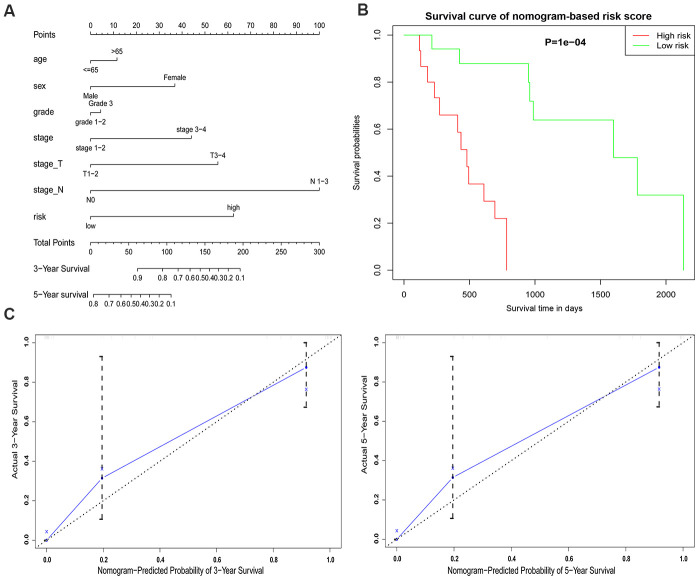
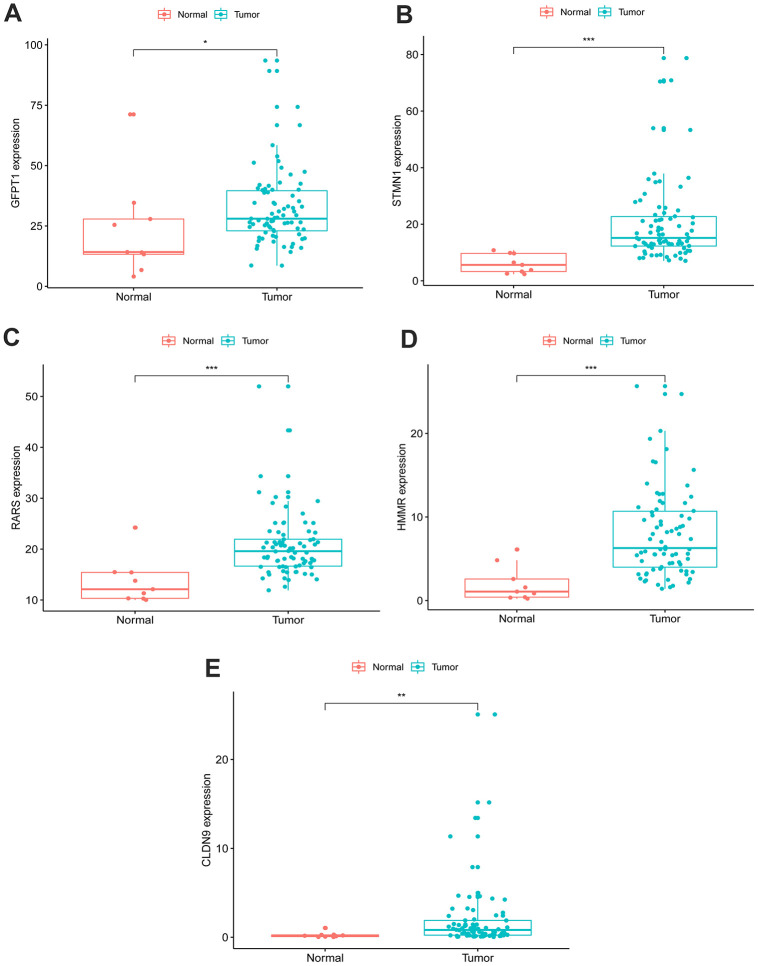
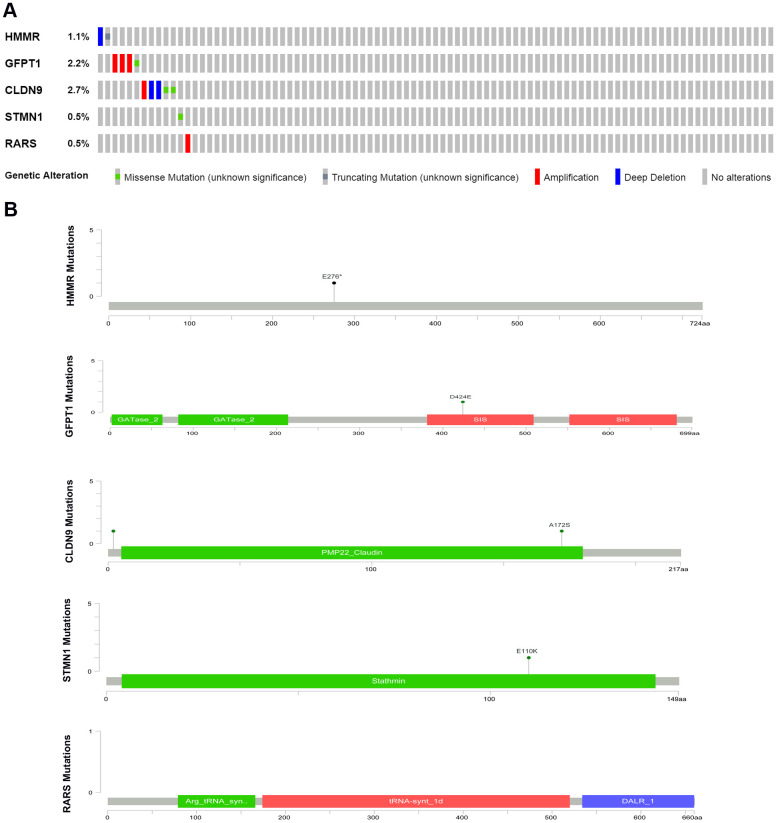
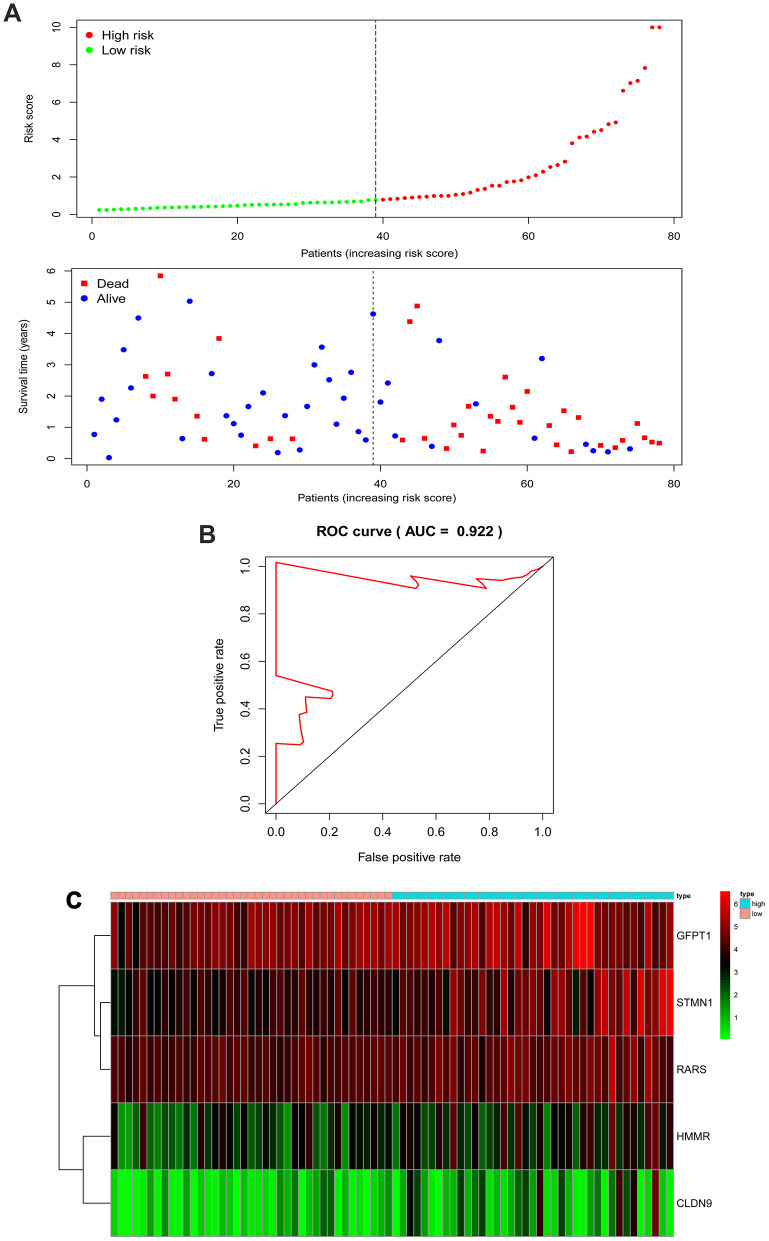
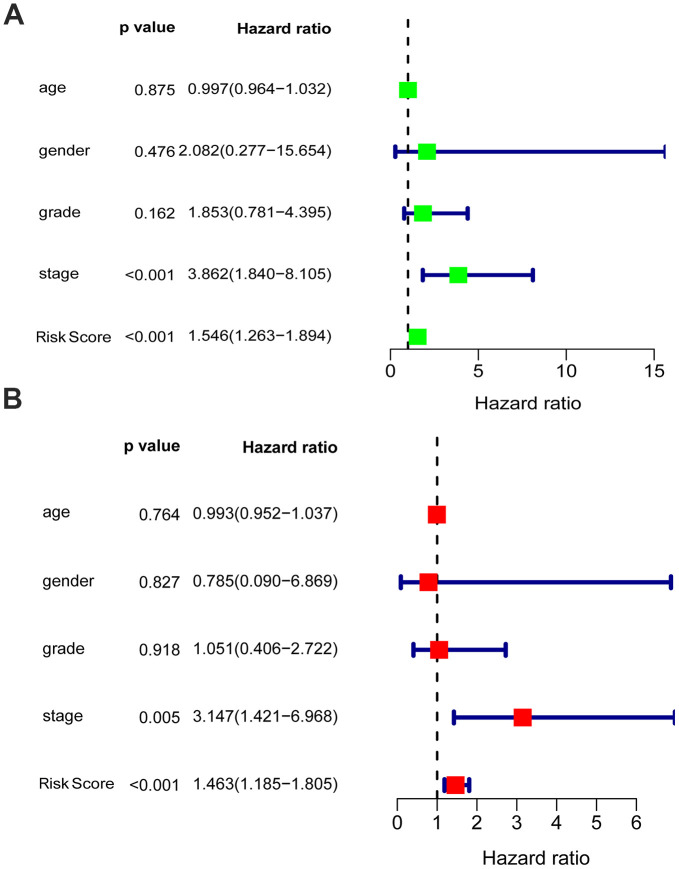
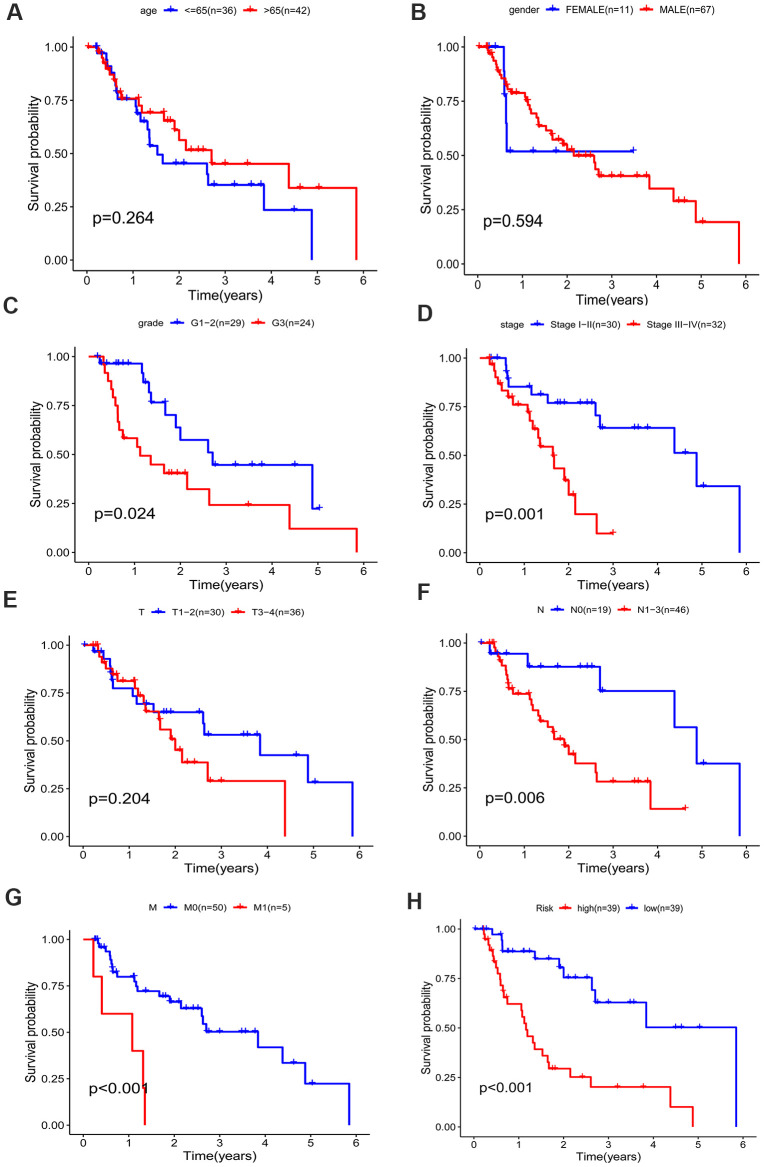
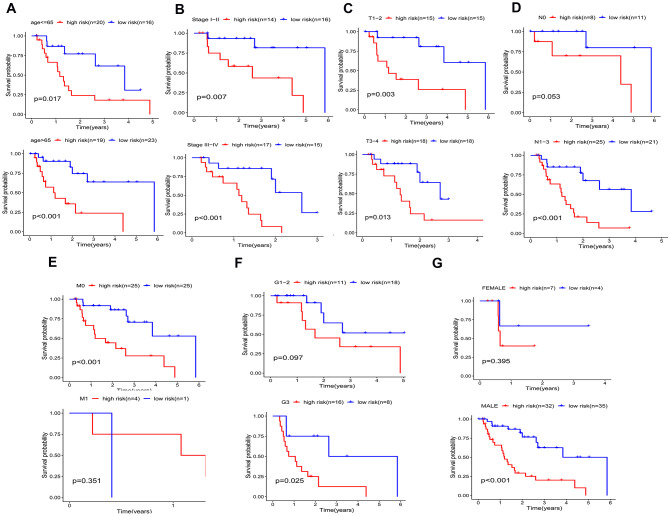
Five genes (CLDN9, GFPT1, HMMR, RARS and STMN1) were correlated with prognosis of EAC patients. Patients were classified into high-risk and low-risk groups calculated by Cox regression analysis, based on the five gene signature risk score. The five-gene signature was an independent biomarker for prognosis and patients with low risk scores showed better prognosis. Nomogram incorporating the gene signature and clinical prognostic factors was effective in predicting the overall survival.
An innovative identified glycolysis-related gene signature and an effective nomogram reliably predicted the prognosis of EAC patients.
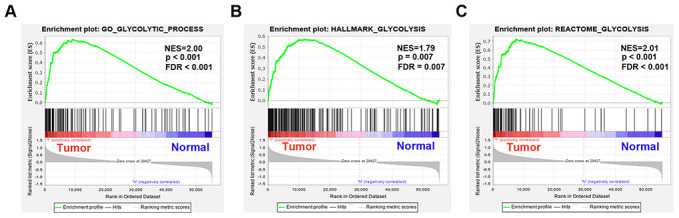
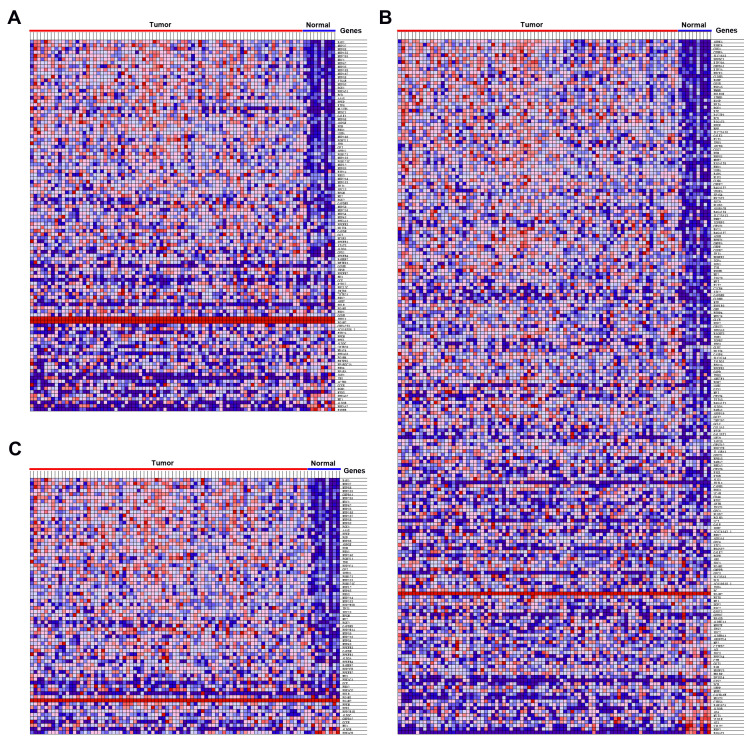
The Cancer Genome Atlas database was investigated for the gene expression profile of EAC patients. Glycolytic gene sets difference between EAC and normal tissues were identified via Gene set enrichment analysis (GSEA). Univariate and multivariate Cox analysis were utilized to construct a prognostic gene signature. The signature was evaluated by receiver operating characteristic curves and Kaplan-Meier curves. A prognosis model integrating clinical parameters with the gene signature was established with nomogram.
食管腺癌(EAC)是一个日益严重的问题,其发病率迅速上升,预后较差。我们旨在开发与糖酵解相关的基因特征,以预测 EAC 患者的预后结果。
五个基因(CLDN9、GFPT1、HMMR、RARS 和 STMN1)与 EAC 患者的预后相关。根据 Cox 回归分析计算的五个基因特征风险评分,将患者分为高风险和低风险组。该五个基因特征是预后的独立生物标志物,低风险评分的患者预后更好。包含基因特征和临床预后因素的列线图可有效预测总生存期。
本研究创新性地确定了一个与糖酵解相关的基因特征和一个有效的列线图,可可靠地预测 EAC 患者的预后。
研究了癌症基因组图谱数据库中 EAC 患者的基因表达谱。通过基因集富集分析(GSEA)鉴定 EAC 与正常组织之间的糖酵解基因集差异。采用单因素和多因素 Cox 分析构建预后基因特征。通过接受者操作特征曲线和 Kaplan-Meier 曲线评估该特征。利用列线图建立了一个将临床参数与基因特征相结合的预后模型。