Tropea Teresa, Greenwood Susan L, Sibley Colin P, Cottrell Elizabeth C
Division of Developmental Biology and Medicine, Faculty of Biology, Medicine and Health, Maternal and Fetal Health Research Centre, University of Manchester, Manchester, United Kingdom.
Manchester Academic Health Science Centre, Manchester University NHS Foundation Trust, St. Mary's Hospital, Manchester, United Kingdom.
Front Physiol. 2020 Nov 6;11:588000. doi: 10.3389/fphys.2020.588000. eCollection 2020.
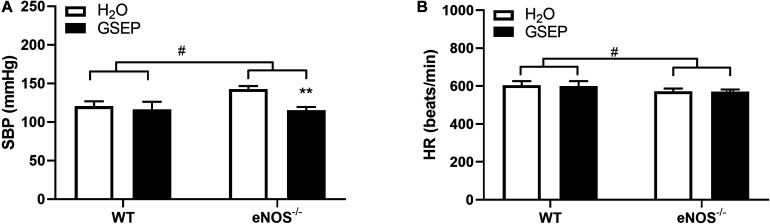
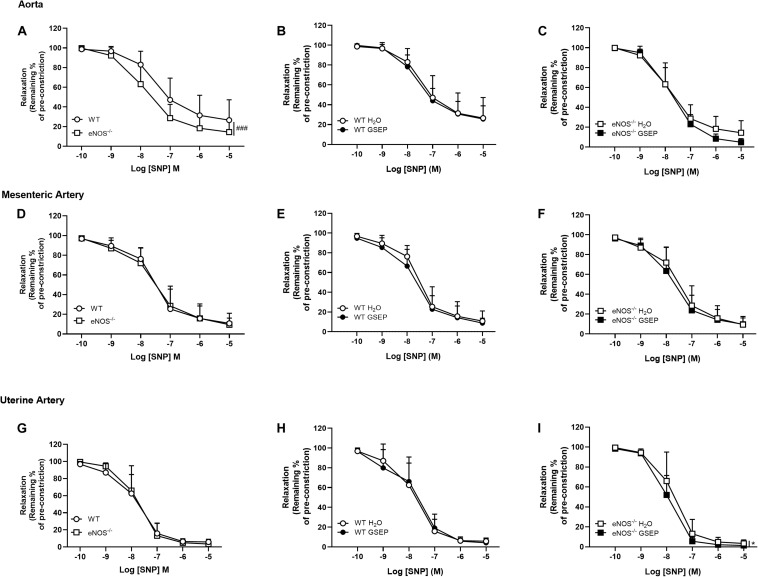
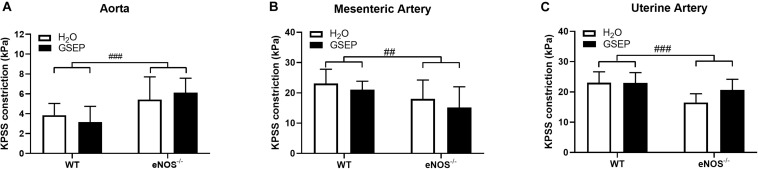
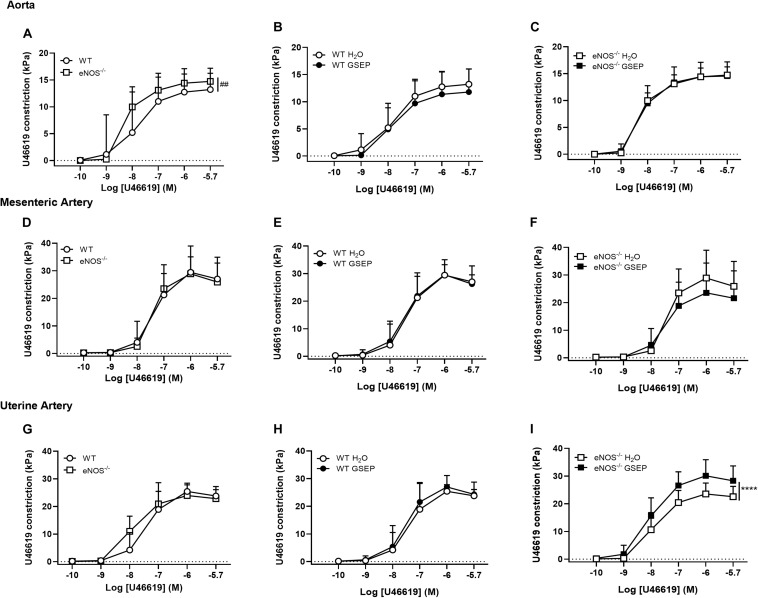
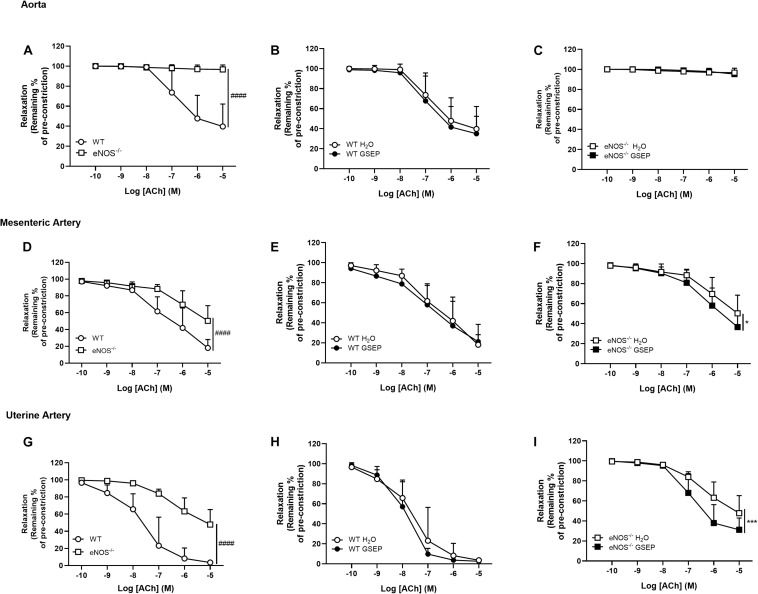
Hypertension during pregnancy is a leading cause of maternal and fetal morbidity and mortality worldwide, increasing the risk of complications including preeclampsia, intracerebral hemorrhage and fetal growth restriction. Increased oxidative stress is known to contribute to poor vascular function; however, trials of antioxidant supplementation have raised concerns about fetal outcomes, including risk of low birthweight. Grape seed extract polyphenols (GSEP) have been suggested to promote cardiovascular protection, at least in part through antioxidant actions. We tested the hypothesis that administration of GSEP during pregnancy would reduce oxidative stress and improve resistance artery function with no detrimental effects on fetal growth, in an established model of maternal hypertension associated with vascular dysfunction, the endothelial NO synthase knockout (eNOS) mouse. Pregnant C57BL/6J (WT) and eNOS mice received either GSEP (200 mg/kg/day) or drinking water, between gestational (GD) day 10.5 and GD18.5. At GD17.5, maternal systolic blood pressure (SBP) was measured; at GD18.5, maternal malondialdehyde (MDA) concentrations, vascular function of aortic, mesenteric, uterine and posterior cerebral arteries was assessed, and fetal outcome evaluated. GSEP reduced maternal SBP ( < 0.01) and plasma MDA concentrations ( < 0.01) in eNOS mice. Whilst there was no effect of GSEP on vascular reactivity of aortas, GSEP improved endothelial-dependent relaxation in mesenteric and uterine arteries of eNOS mice ( < 0.05 and < 0.001, respectively) and normalized lumen diameters of pressurized posterior cerebral arteries in eNOS mice ( < 0.001). Supplementation with GSEP had no effect in WT mice and did not affect fetal outcomes in either genotype. Our data suggest that GSEP improve resistance artery function, potentially through antioxidant actions, and provide a basis to further investigate these beneficial effects including in the prevention of intracerebral hemorrhage. Maternal supplementation with GSEP may be a safe intervention to improve outcomes in pregnancies associated with hypertension and vascular dysfunction.
孕期高血压是全球孕产妇和胎儿发病及死亡的主要原因,会增加包括先兆子痫、脑出血和胎儿生长受限等并发症的风险。已知氧化应激增加会导致血管功能不良;然而,抗氧化剂补充试验引发了对胎儿结局的担忧,包括低出生体重风险。有人提出葡萄籽提取物多酚(GSEP)至少部分通过抗氧化作用来促进心血管保护。在已建立的与血管功能障碍相关的母体高血压模型——内皮型一氧化氮合酶基因敲除(eNOS)小鼠中,我们检验了这样一个假设:孕期给予GSEP可降低氧化应激并改善阻力动脉功能,且对胎儿生长无不利影响。妊娠(GD)第10.5天至GD18.5天期间,怀孕的C57BL/6J(野生型,WT)小鼠和eNOS小鼠分别接受GSEP(200毫克/千克/天)或饮用水。在GD17.5时测量母体收缩压(SBP);在GD18.5时,评估母体丙二醛(MDA)浓度、主动脉、肠系膜动脉、子宫动脉和大脑后动脉的血管功能,并评估胎儿结局。GSEP降低了eNOS小鼠的母体SBP(<0.01)和血浆MDA浓度(<0.01)。虽然GSEP对主动脉的血管反应性没有影响,但GSEP改善了eNOS小鼠肠系膜动脉和子宫动脉的内皮依赖性舒张(分别为<0.05和<0.001),并使eNOS小鼠中加压大脑后动脉的管腔直径恢复正常(<0.001)。补充GSEP对WT小鼠没有影响,也不影响两种基因型的胎儿结局。我们的数据表明,GSEP可能通过抗氧化作用改善阻力动脉功能,并为进一步研究这些有益作用(包括预防脑出血)提供了基础。孕期补充GSEP可能是一种安全的干预措施,可改善与高血压和血管功能障碍相关的妊娠结局。