Psychology of Language Department, University of Göttingen, Göttingen, Germany.
Leibniz Science Campus "Primate Cognition", Göttingen, Germany.
PLoS One. 2020 Dec 1;15(12):e0240519. doi: 10.1371/journal.pone.0240519. eCollection 2020.
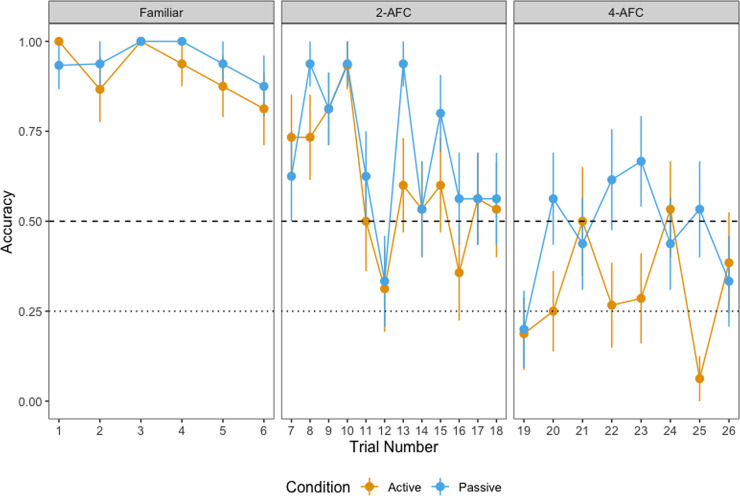
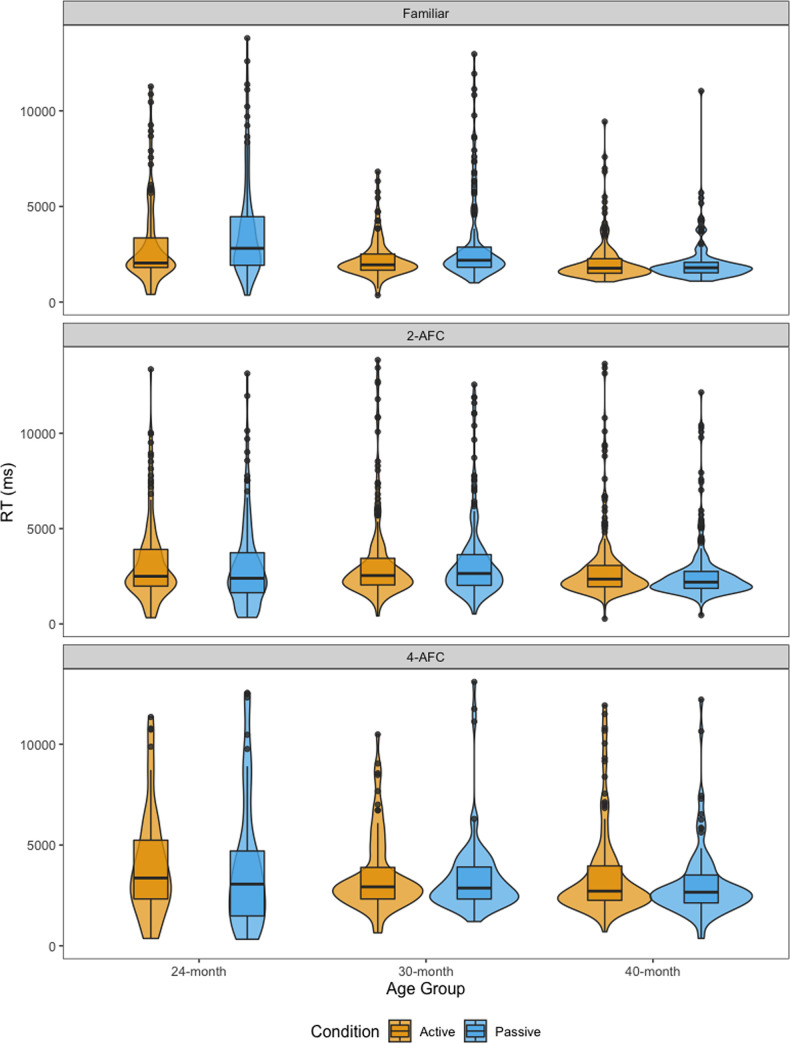
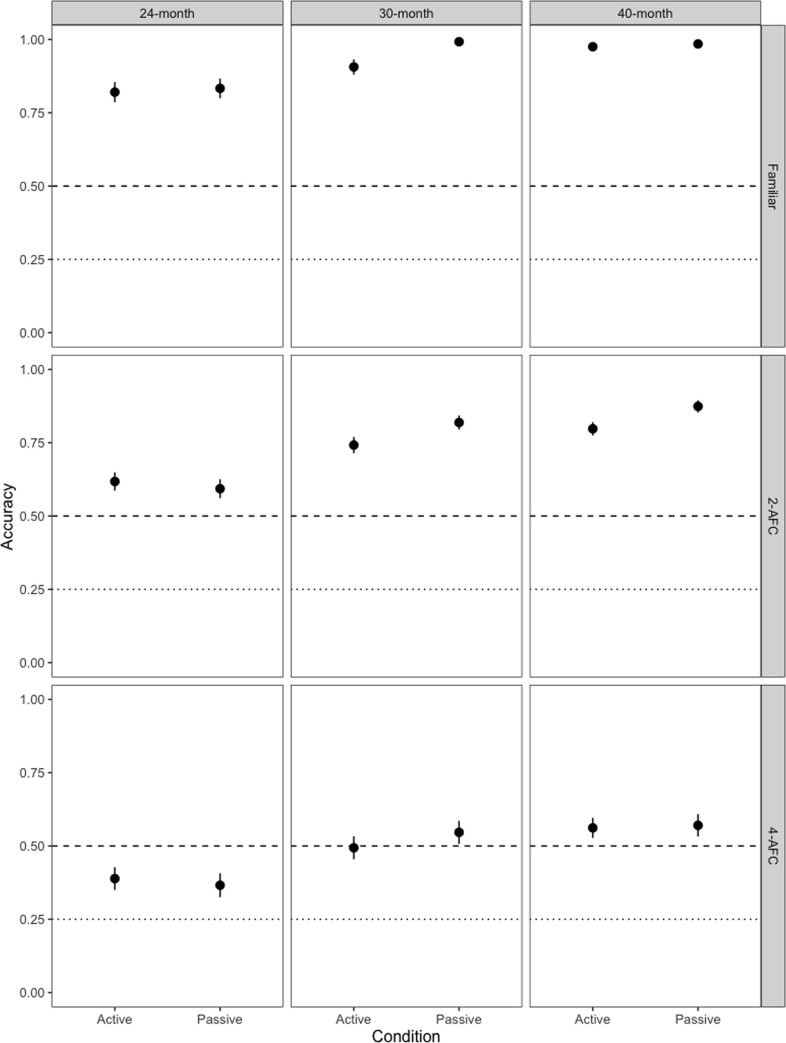
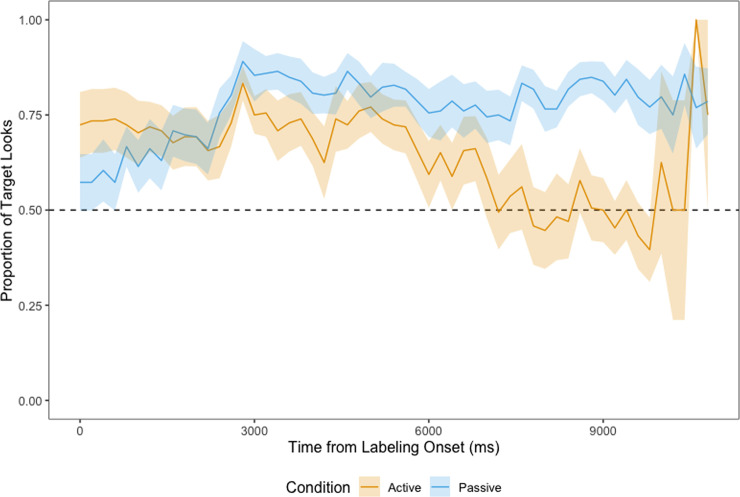
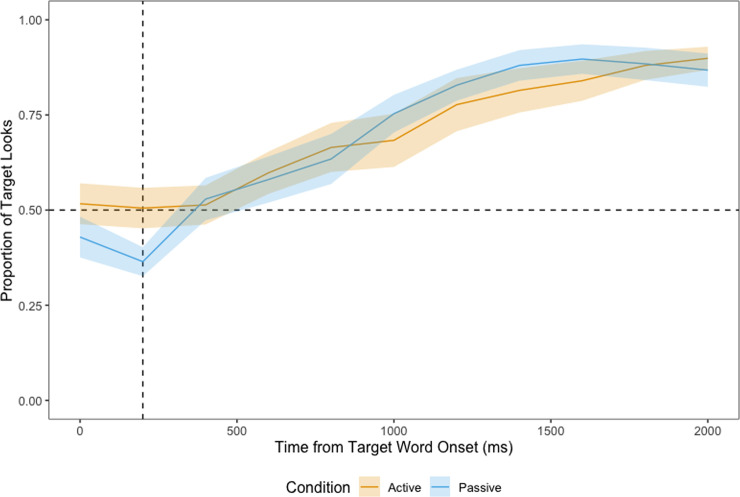
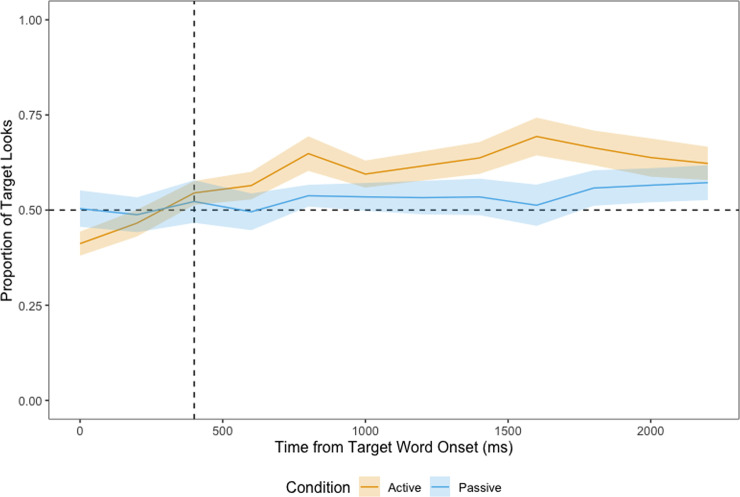
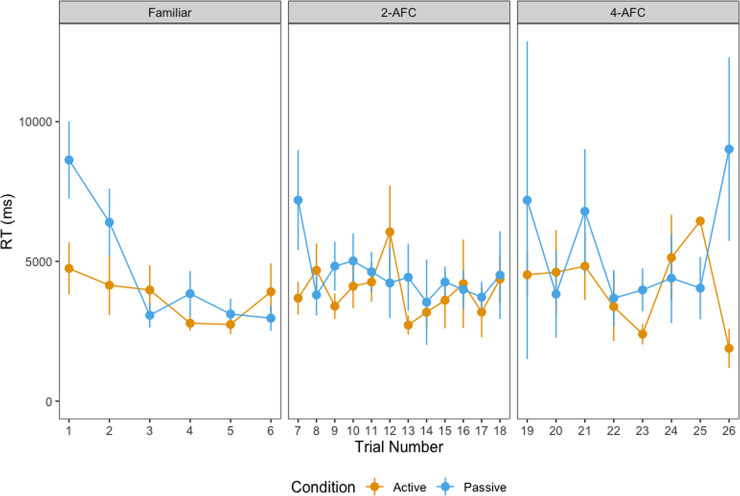
In recent years, the popularity of tablets has skyrocketed and there has been an explosive growth in apps designed for children. Howhever, many of these apps are released without tests for their effectiveness. This is worrying given that the factors influencing children's learning from touchscreen devices need to be examined in detail. In particular, it has been suggested that children learn less from passive video viewing relative to equivalent live interaction, which would have implications for learning from such digital tools. However, this so-called video deficit may be reduced by allowing children greater influence over their learning environment. Across two touchscreen-based experiments, we examined whether 2- to 4-year-olds benefit from actively choosing what to learn more about in a digital word learning task. We designed a tablet study in which "active" participants were allowed to choose which objects they were taught the label of, while yoked "passive" participants were presented with the objects chosen by their active peers. We then examined recognition of the learned associations across different tasks. In Experiment 1, children in the passive condition outperformed those in the active condition (n = 130). While Experiment 2 replicated these findings in a new group of Malay-speaking children (n = 32), there were no differences in children's learning or recognition of the novel word-object associations using a more implicit looking time measure. These results suggest that there may be performance costs associated with active tasks designed as in the current study, and at the very least, there may not always be systematic benefits associated with active learning in touchscreen-based word learning tasks. The current studies add to the evidence that educational apps need to be evaluated before release: While children might benefit from interactive apps under certain conditions, task design and requirements need to consider factors that may detract from successful performance.
近年来,平板电脑的普及程度急剧上升,专门为儿童设计的应用程序也呈爆炸式增长。然而,许多这些应用程序在发布前没有经过有效性测试。考虑到影响儿童从触摸屏设备学习的因素需要详细检查,这是令人担忧的。特别是,有人认为,与同等的现场互动相比,儿童从被动视频观看中学到的东西更少,这将对从这类数字工具中学习产生影响。然而,通过允许儿童对学习环境有更大的影响力,可以减少所谓的视频不足。在两项基于触摸屏的实验中,我们研究了 2 至 4 岁的儿童是否能从积极选择数字单词学习任务中更深入地学习中受益。我们设计了一项基于平板电脑的研究,在该研究中,允许“主动”参与者选择他们要学习的对象,而与之配对的“被动”参与者则会呈现他们的主动同伴选择的对象。然后,我们在不同的任务中检查对所学关联的识别。在实验 1 中,处于被动状态的儿童的表现优于主动状态的儿童(n = 130)。虽然实验 2 在一组新的讲马来语的儿童(n = 32)中复制了这些发现,但在使用更隐晦的注视时间测量方法时,儿童对所学单词-对象关联的学习和识别没有差异。这些结果表明,与当前研究中设计的主动任务相关联的可能存在表现成本,而且至少在基于触摸屏的单词学习任务中,主动学习不一定总是与系统的收益相关联。当前的研究增加了证据表明,教育应用程序在发布前需要进行评估:虽然在某些条件下,儿童可能会从互动应用程序中受益,但任务设计和要求需要考虑可能会影响成功表现的因素。