Center for Molecular and Translational Medicine, Georgia State University, Atlanta, GA
Cardiovascular Research Institute and Department of Cardiology, General Hospital of Northern Theater Command, Shenyang, China.
Diabetes. 2021 Feb;70(2):577-588. doi: 10.2337/db20-0146. Epub 2020 Dec 1.
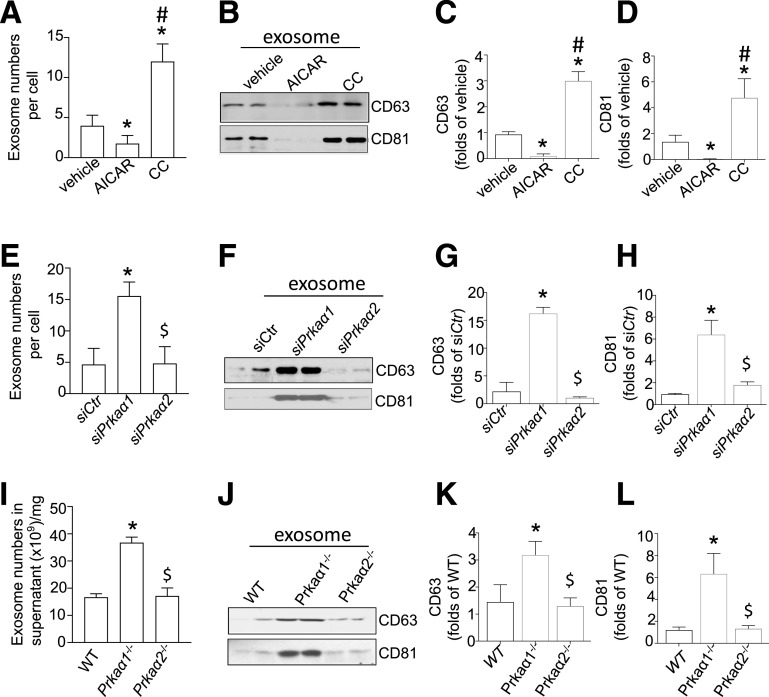
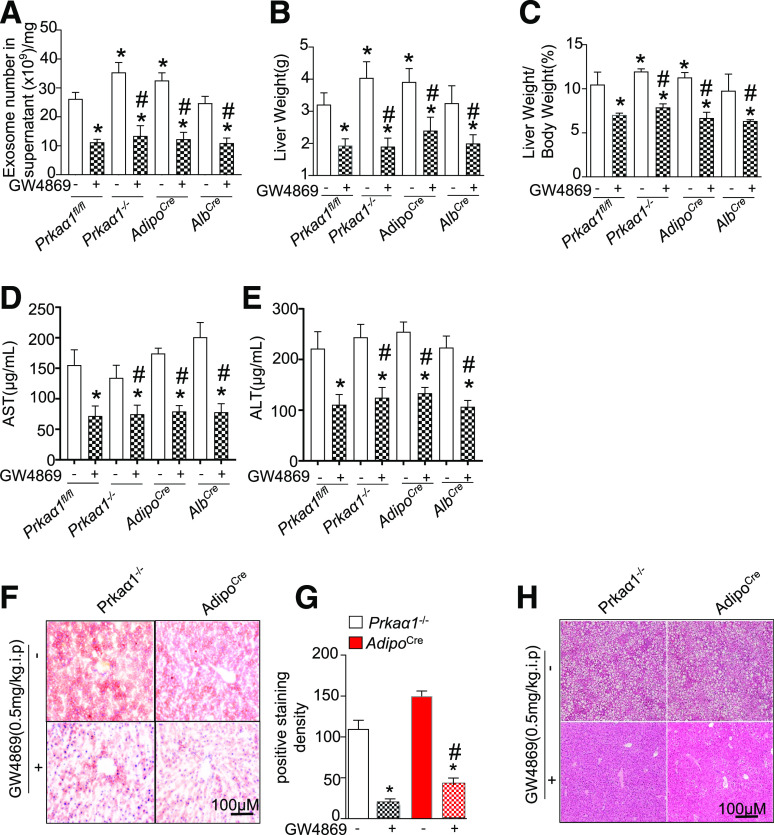
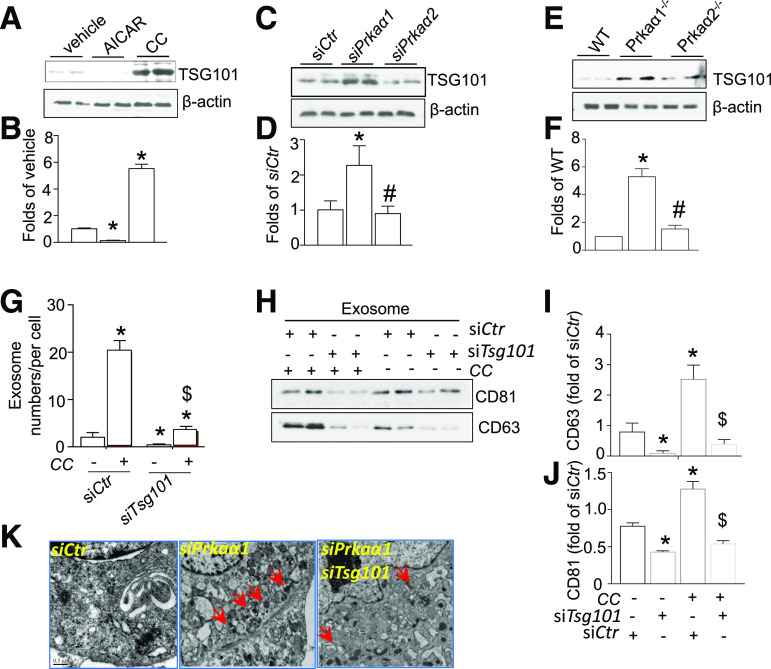
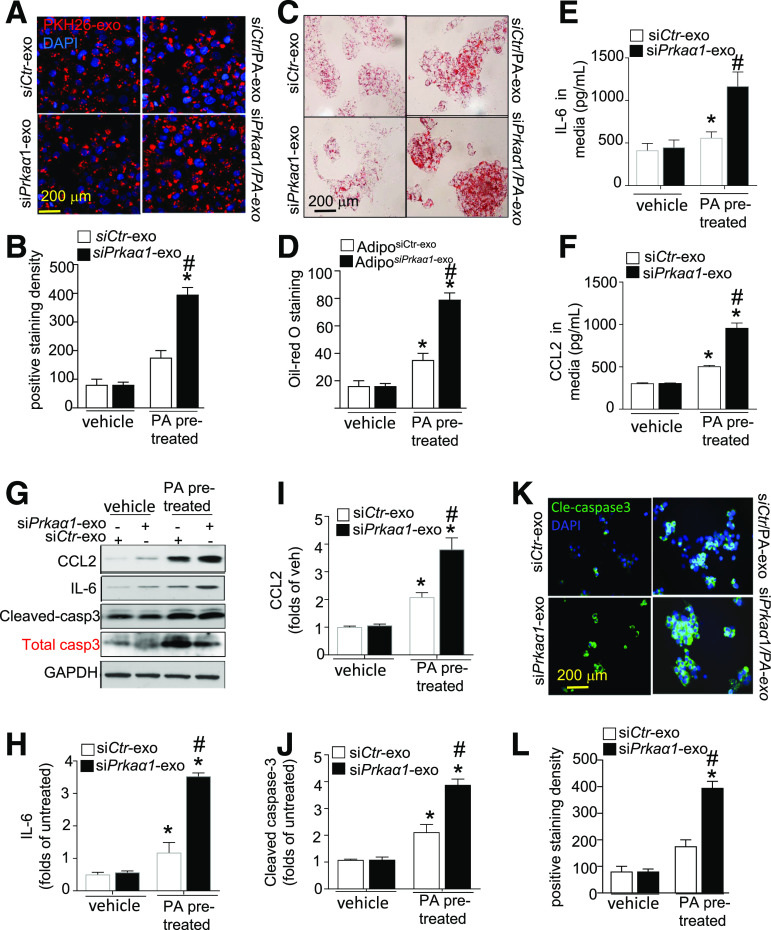
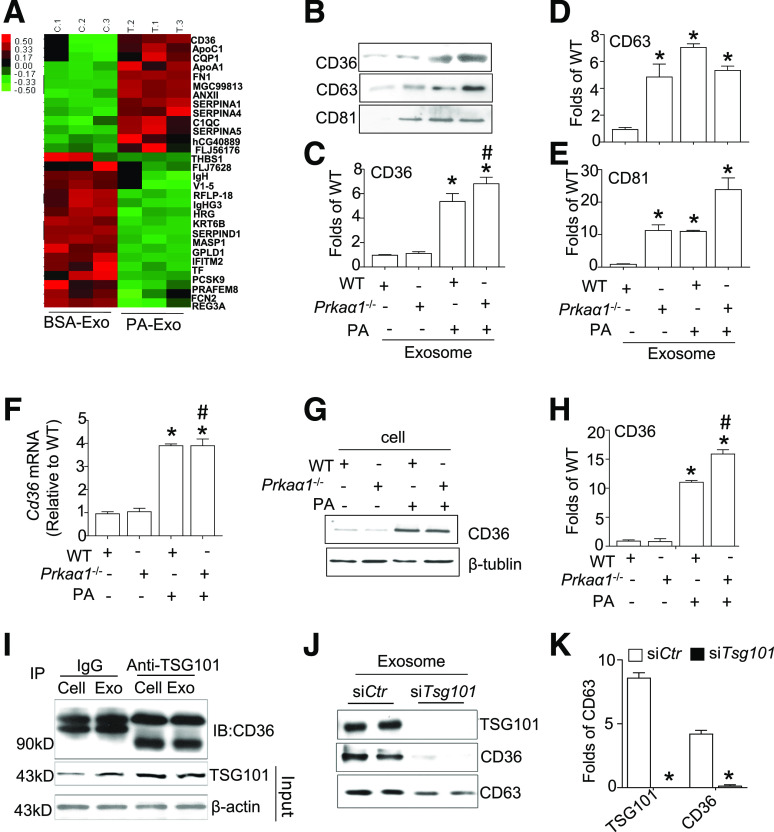
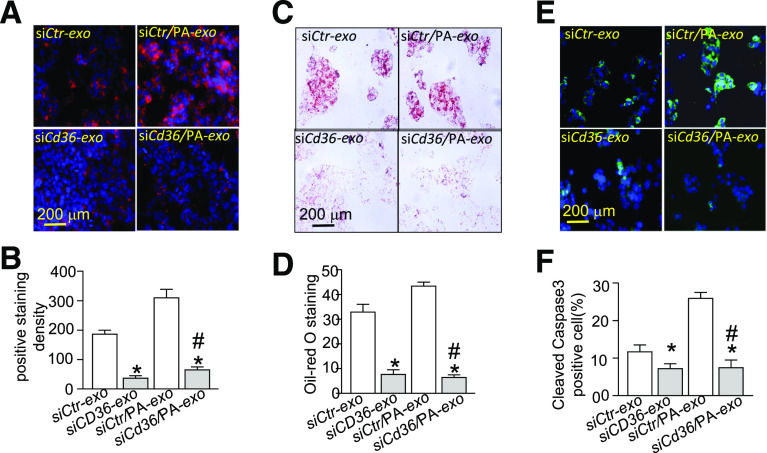
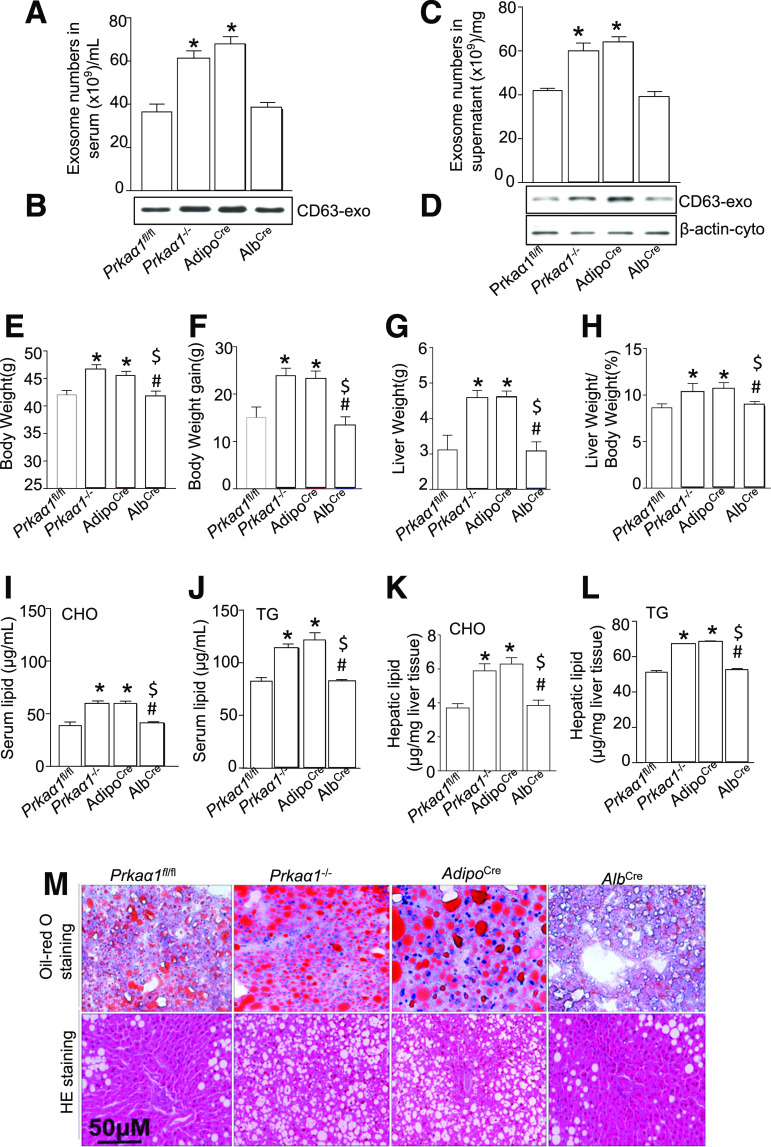
Exosomes are important for intercellular communication, but the role of exosomes in the communication between adipose tissue (AT) and the liver remains unknown. The aim of this study is to determine the contribution of AT-derived exosomes in nonalcoholic fatty liver disease (NAFLD). Exosome components, liver fat content, and liver function were monitored in AT in mice fed a high-fat diet (HFD) or treated with metformin or GW4869 and with AMPKα1-floxed /wild-type [WT]), , liver tissue-specific , or AT-specific modification. In cultured adipocytes and white AT, the absence of increased exosome release and exosomal proteins by elevating tumor susceptibility gene 101 ()-mediated exosome biogenesis. In adipocytes treated with palmitic acid, TSG101 facilitated scavenger receptor class B (CD36) sorting into exosomes. CD36-containing exosomes were then endocytosed by hepatocytes to induce lipid accumulation and inflammation. Consistently, an HFD induced more severe lipid accumulation and cell death in and AT-specific mice than in WT and liver-specific mice. AMPK activation by metformin reduced adipocyte-mediated exosome release and mitigated fatty liver development in WT and liver-specific mice. Moreover, administration of the exosome inhibitor GW4869 blocked exosome secretion and alleviated HFD-induced fatty livers in and adipocyte-specific mice. We conclude that HFD-mediated AMPKα1 inhibition promotes NAFLD by increasing numbers of AT CD36-containing exosomes.
外泌体在细胞间通讯中起重要作用,但脂肪组织(AT)与肝脏之间通讯中外泌体的作用仍不清楚。本研究旨在确定脂肪组织来源的外泌体在非酒精性脂肪性肝病(NAFLD)中的作用。在高脂饮食(HFD)喂养的小鼠的脂肪组织中监测外泌体成分、肝脂肪含量和肝功能,或用二甲双胍或 GW4869 以及 AMPKα1-floxed/WT 、肝组织特异性或脂肪组织特异性修饰处理。在培养的脂肪细胞和白色脂肪组织中,缺失增加了外泌体释放和外泌体蛋白,通过提高肿瘤易感性基因 101()介导的外泌体生物发生。在脂肪细胞中用棕榈酸处理时,TSG101 促进了清道夫受体类 B(CD36)分选到外泌体中。含有 CD36 的外泌体随后被肝细胞内吞,诱导脂质积累和炎症。一致地,HFD 在 和脂肪组织特异性 小鼠中比在 WT 和肝特异性 小鼠中引起更严重的脂质积累和细胞死亡。二甲双胍通过激活 AMPK 减少了脂肪细胞介导的外泌体释放,并减轻了 WT 和肝特异性 小鼠的脂肪肝发展。此外,外泌体抑制剂 GW4869 的给药阻断了外泌体分泌,并缓解了 和脂肪细胞特异性 小鼠的 HFD 诱导的脂肪肝。我们得出结论,HFD 介导的 AMPKα1 抑制通过增加 AT CD36 含量的外泌体来促进 NAFLD。