Committee on Computational Neuroscience, University of Chicago, Chicago, United States.
Department of Neuroscience, University of Pennsylvania, Philadelphia, United States.
Elife. 2020 Dec 3;9:e62618. doi: 10.7554/eLife.62618.
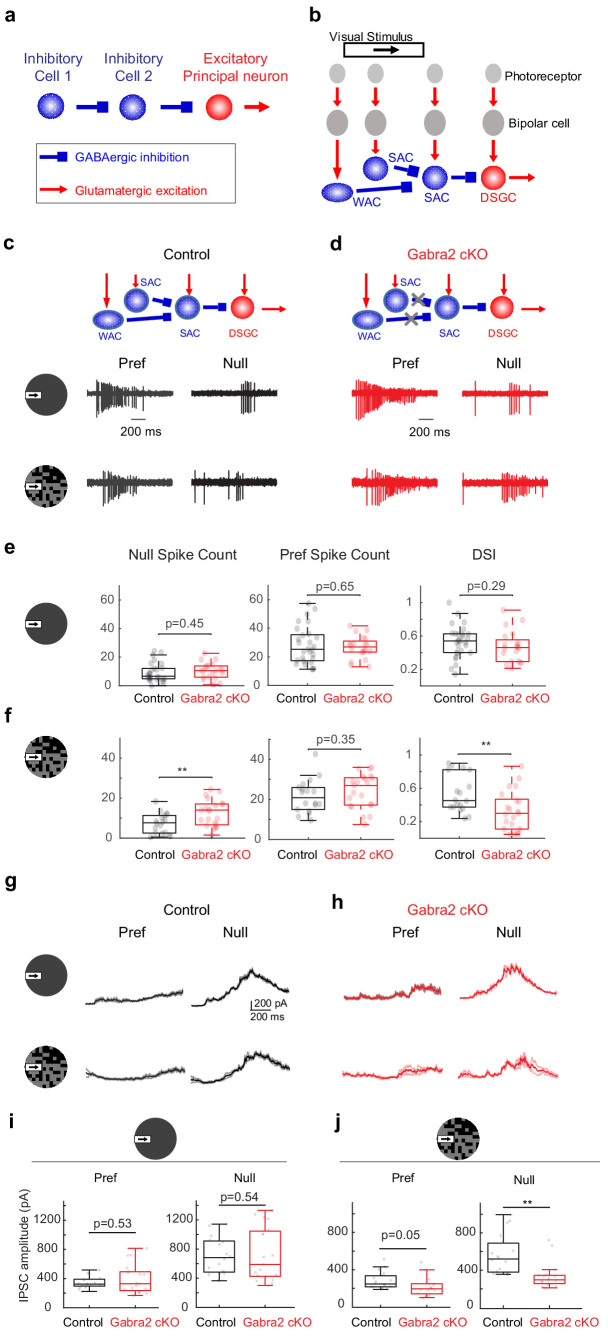
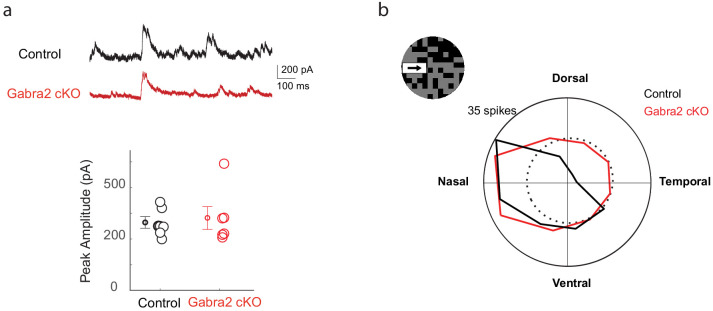
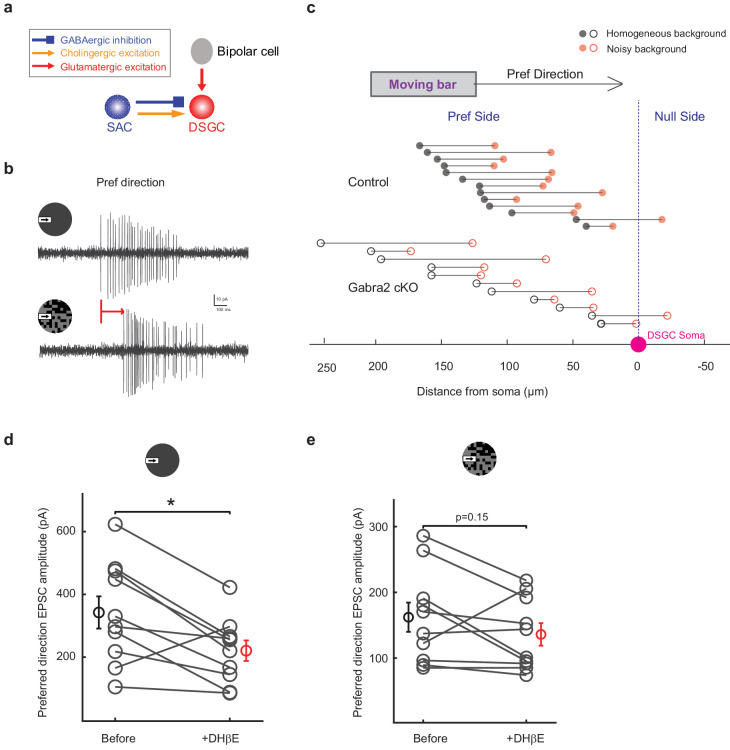
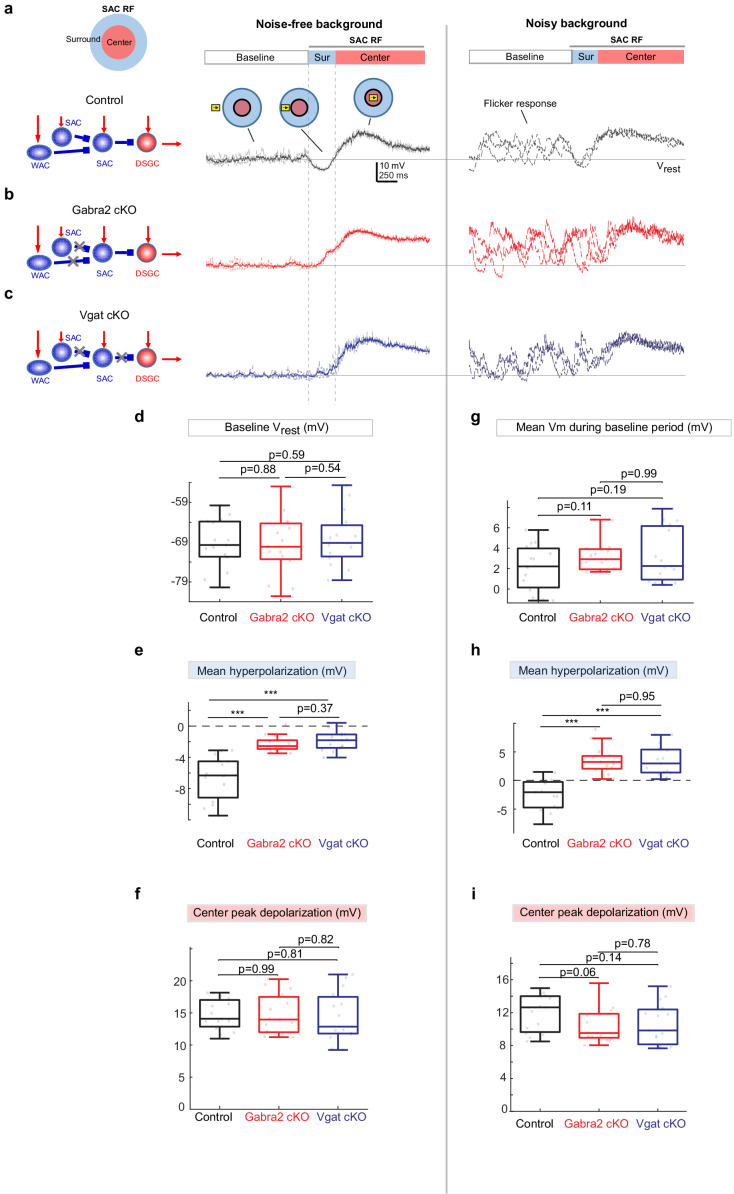
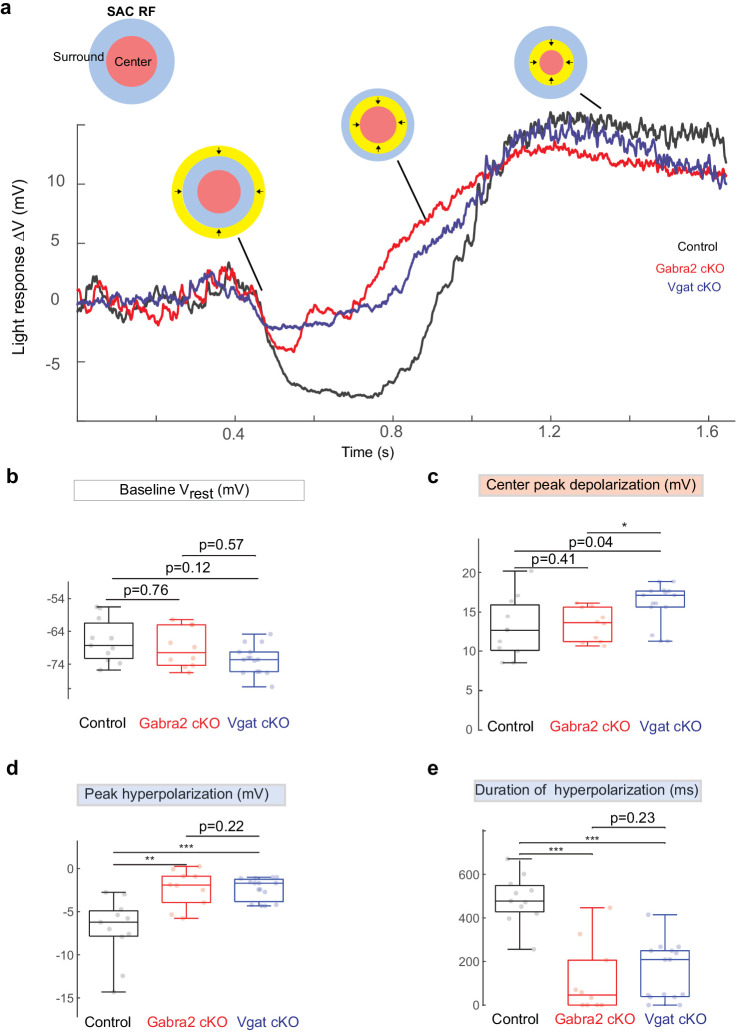
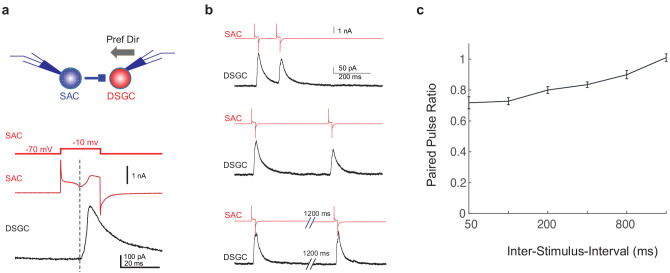
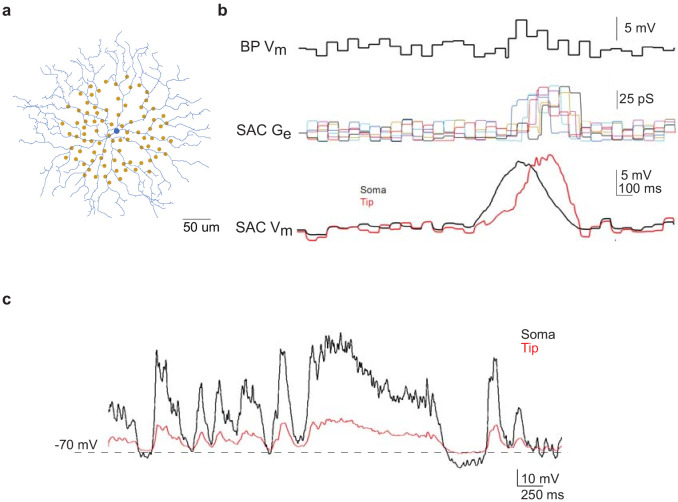
Previously, we found that in the mammalian retina, inhibitory inputs onto starburst amacrine cells (SACs) are required for robust direction selectivity of On-Off direction-selective ganglion cells (On-Off DSGCs) against noisy backgrounds (Chen et al., 2016). However, the source of the inhibitory inputs to SACs and how this inhibition confers noise resilience of DSGCs are unknown. Here, we show that when visual noise is present in the background, the motion-evoked inhibition to an On-Off DSGC is preserved by a disinhibitory motif consisting of a serially connected network of neighboring SACs presynaptic to the DSGC. This preservation of inhibition by a disinhibitory motif arises from the interaction between visually evoked network dynamics and short-term synaptic plasticity at the SAC-DSGC synapse. Although the disinhibitory microcircuit is well studied for its disinhibitory function in brain circuits, our results highlight the algorithmic flexibility of this motif beyond disinhibition due to the mutual influence between network and synaptic plasticity mechanisms.
此前,我们发现哺乳动物视网膜中,星状爆发型无长突细胞(SAC)的抑制性输入对于在噪声背景下产生强的 ON-OFF 方向选择性神经节细胞(On-Off DSGCs)的方向选择性是必需的(Chen 等人,2016)。然而,SAC 的抑制性输入的来源以及这种抑制如何赋予 DSGC 对噪声的弹性尚不清楚。在这里,我们表明,当背景中存在视觉噪声时,由一系列串联的与 DSGC 突触前的相邻 SAC 组成的去抑制性模体,保留了对 ON-OFF DSGC 的运动诱发抑制。这种由去抑制性模体产生的抑制保留是由于视觉诱发的网络动力学和 SAC-DSGC 突触处的短期突触可塑性之间的相互作用。尽管去抑制性微电路因其在脑回路中的去抑制性功能而得到了很好的研究,但我们的结果强调了由于网络和突触可塑性机制之间的相互影响,该模体除了去抑制之外的算法灵活性。