Department of Plastic Surgery, University of Pittsburgh, Pittsburgh, PA 15261, USA.
Int J Mol Sci. 2020 Dec 1;21(23):9171. doi: 10.3390/ijms21239171.
Autologous fat transfer in the form of lipoaspirates for the reconstruction of the breast after breast cancer surgery is a commonly used procedure in plastic surgery. However, concerns regarding the oncologic risk of nutrient-rich fat tissue are widely debated. Previous studies have primarily focused on studying the interaction between adipose-derived stem cells (ASCs) and breast cancer cells.
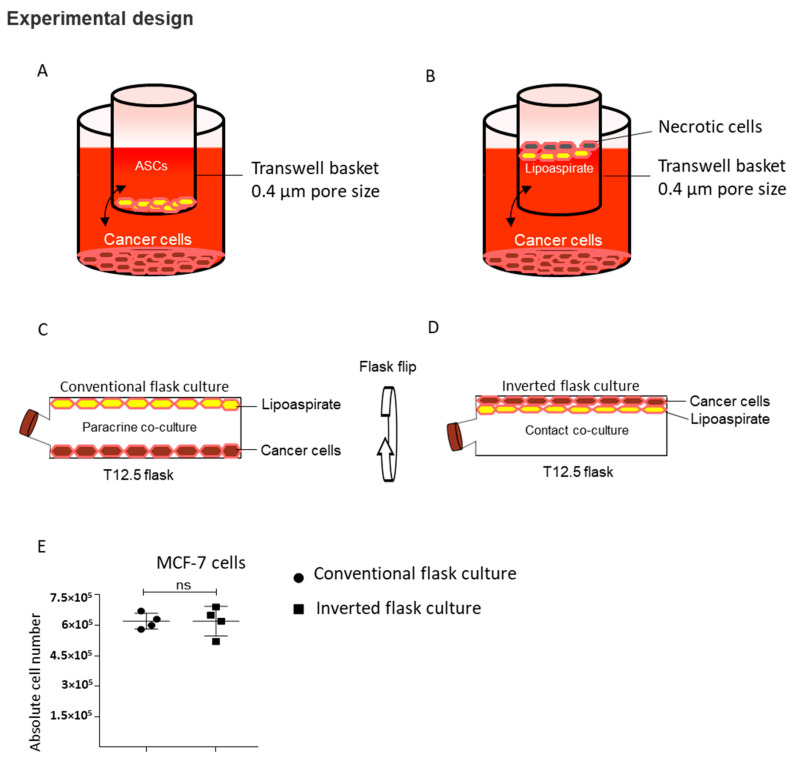
In this study, we performed a comprehensive analysis of the paracrine- and contact-based interactions between lipoaspirates, ASCs and breast cancer cell lines. An inverted flask culture method was used to study the contact-based interaction between lipoaspirates and breast cancer cells, while GFP-expressing breast cancer cell lines were generated to study the cell-cell contact interaction with ASCs. Three different human breast cancer cell lines, MCF-7, MDA-MB-231 and BT-474, were studied. We analyzed the impact of these interactions on the proliferation, cell cycle and epithelial-to-mesenchymal (EMT) transition of the breast cancer cells.
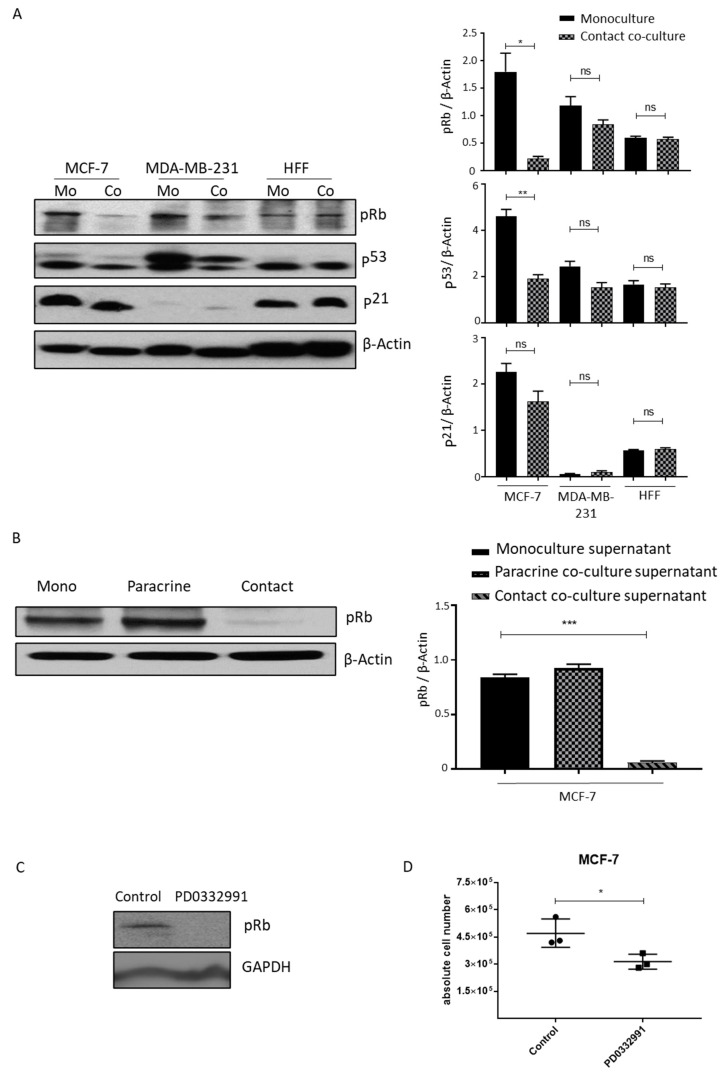
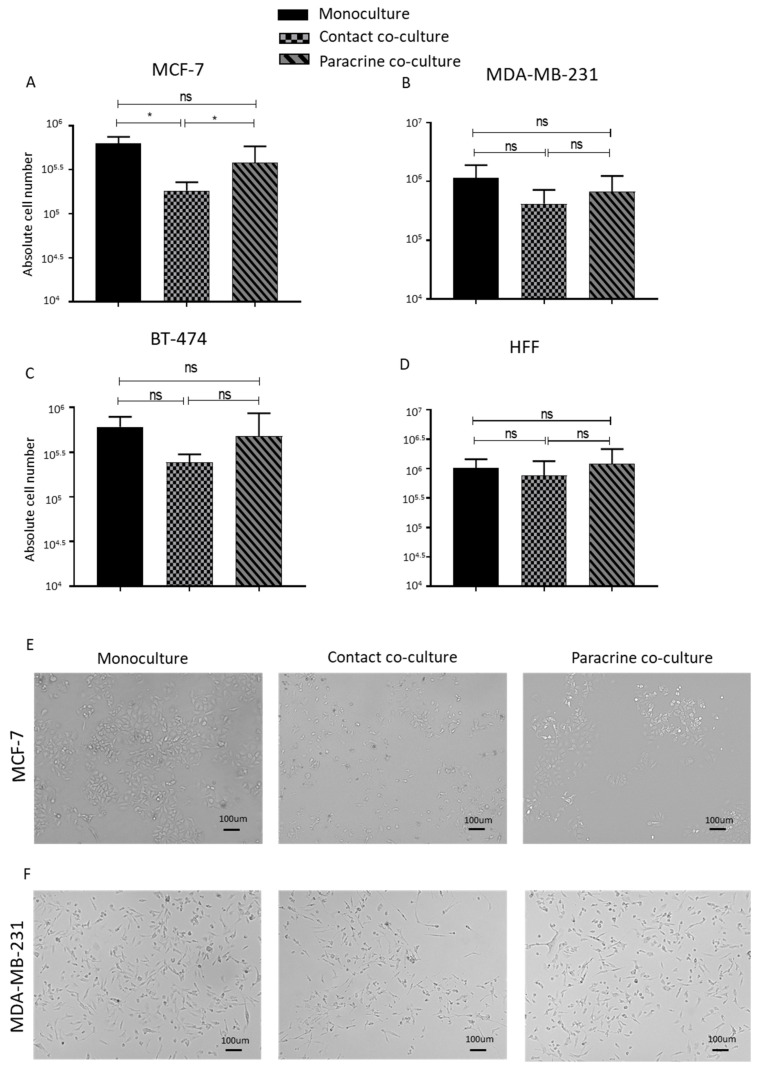
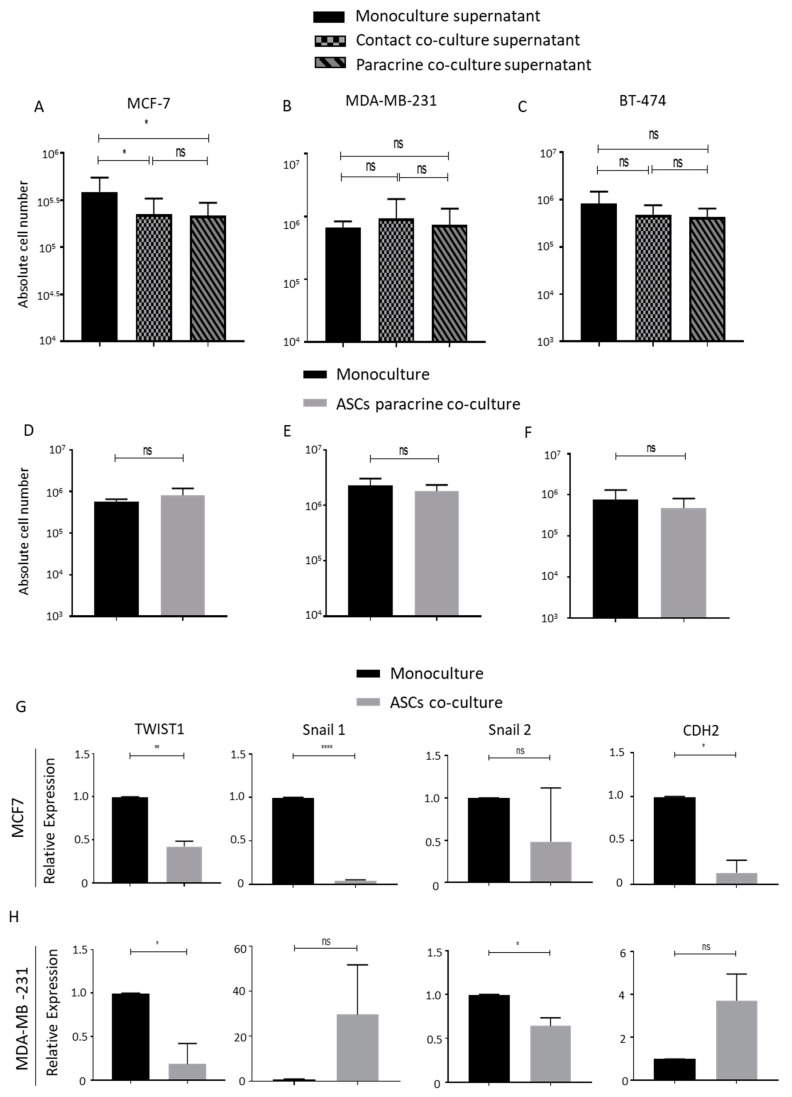
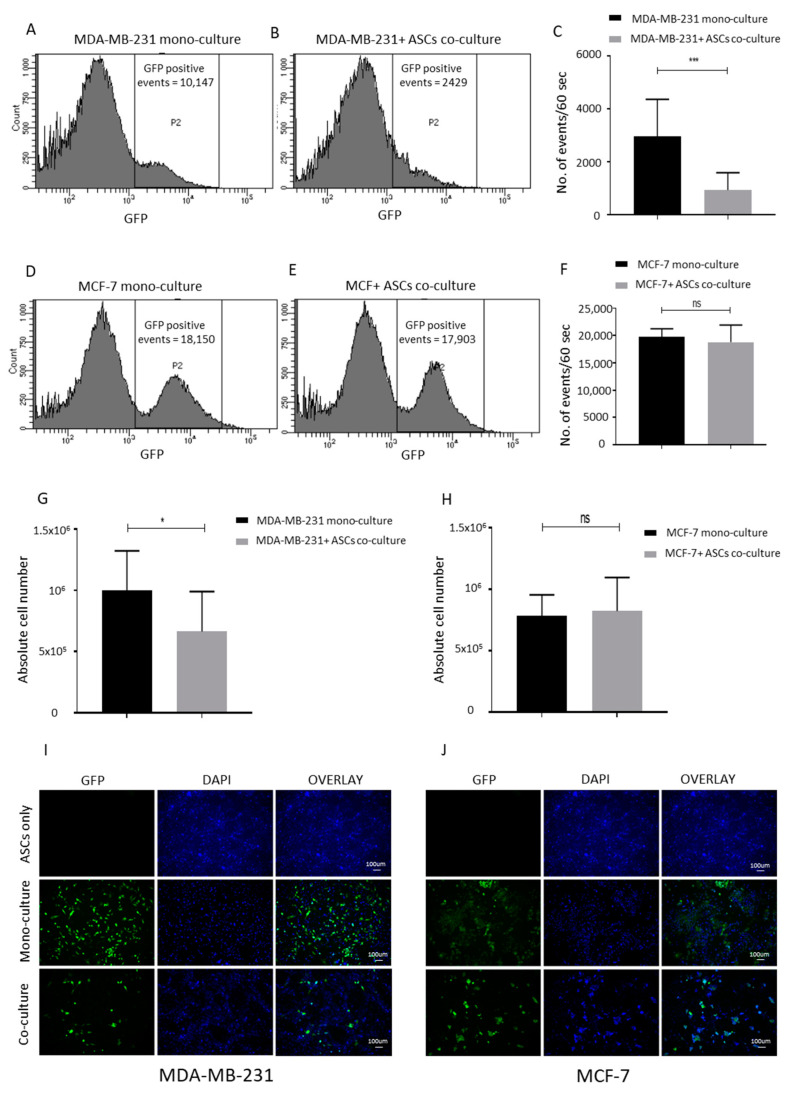
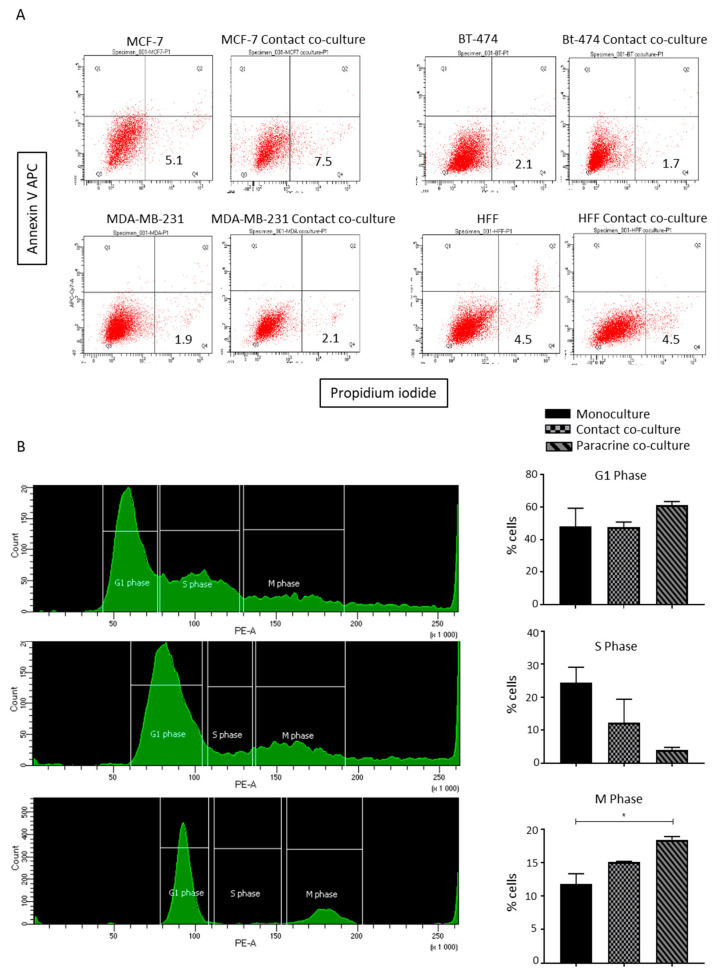
Our results revealed that both lipoaspirates and ASCs do not increase the proliferation rate of the breast cancer cells either through paracrine- or contact-dependent interactions. We observed that lipoaspirates selectively inhibit the proliferation of MCF-7 cells in contact co-culture, driven by the retinoblastoma (Rb) protein activity mediating cell cycle arrest. Additionally, ASCs inhibited MDA-MB-231 breast cancer cell proliferation in cell-cell contact-dependent interactions. Quantitative real-time PCR revealed no significant increase in the EMT-related genes in breast cancer cells upon co-culture with ASCs.
In conclusion, this study provides evidence of the non-oncogenic character of lipoaspirates and supports the safety of clinical fat grafting in breast reconstruction after oncological surgical procedures. In vivo studies in appropriate animal models and long-term post-operative clinical data from patients are essential to reach the final safety recommendations.
自体脂肪移植(即脂肪抽吸物)用于乳腺癌手术后乳房的重建,这是整形手术中常用的一种方法。然而,人们广泛争论富含营养的脂肪组织的肿瘤学风险。先前的研究主要集中在研究脂肪来源的干细胞(ASCs)和乳腺癌细胞之间的相互作用。
在这项研究中,我们对脂肪抽吸物、ASCs 和乳腺癌细胞系之间的旁分泌和接触依赖相互作用进行了全面分析。倒置培养瓶的方法用于研究脂肪抽吸物与乳腺癌细胞之间的接触依赖性相互作用,同时生成 GFP 表达的乳腺癌细胞系以研究与 ASC 的细胞-细胞接触相互作用。研究了三种不同的人乳腺癌细胞系,即 MCF-7、MDA-MB-231 和 BT-474。我们分析了这些相互作用对乳腺癌细胞增殖、细胞周期和上皮间质转化(EMT)的影响。
我们的结果表明,脂肪抽吸物和 ASC 都不会通过旁分泌或接触依赖性相互作用增加乳腺癌细胞的增殖率。我们观察到脂肪抽吸物在接触共培养中选择性地抑制 MCF-7 细胞的增殖,这是由视网膜母细胞瘤(Rb)蛋白活性介导的细胞周期阻滞驱动的。此外,在细胞-细胞接触依赖性相互作用中,ASCs 抑制 MDA-MB-231 乳腺癌细胞的增殖。定量实时 PCR 显示,乳腺癌细胞与 ASC 共培养后,EMT 相关基因没有明显增加。
总之,这项研究为脂肪抽吸物的非致癌特性提供了证据,并支持了在肿瘤手术后的乳房重建中进行临床脂肪移植的安全性。在适当的动物模型中进行体内研究以及从患者中获得长期术后临床数据对于达到最终的安全建议至关重要。