Oregon Institute of Occupational Health Sciences, Oregon Health and Science University, Portland, Oregon, USA.
Department of Cardiology, Shandong Provincial Hospital affiliated to Shandong University, Jinan, Shandong, P.R. China.
Environ Health Perspect. 2020 Dec;128(12):127003. doi: 10.1289/EHP7045. Epub 2020 Dec 4.
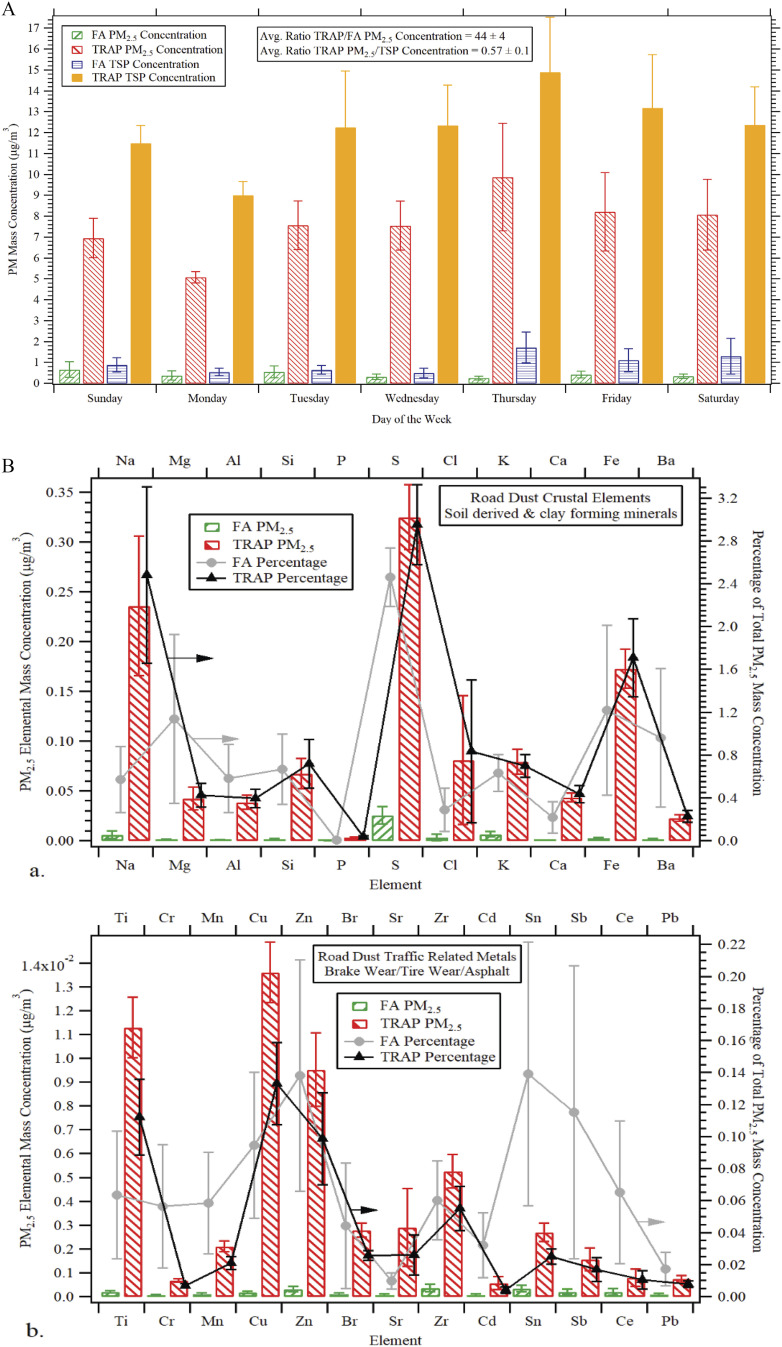
Traffic-related air pollution (TRAP) is made up of complex mixtures of particulate matter, gases and volatile compounds. However, the effects of TRAP on the cardiopulmonary system in most animal studies have been tested using acute exposure to singular pollutants. The cardiopulmonary effects and molecular mechanisms in animals that are chronically exposed to unmodified air pollution as a whole have yet to be studied. Additionally, sex-dependent toxicity of TRAP exposure has rarely been evaluated.
This study sought to assess the cardiopulmonary effect of chronic exposure to unmodified, real-world TRAP in both female and male rats.
Four-week-old male and female rats were exposed to TRAP or filtered air for 14 months in a novel facility drawing air from a major freeway tunnel system in Northern California. Inflammation and oxidative stress markers were examined in the lung, heart, spleen, and plasma, and TRAP deposits were quantified in the lungs of both male and female rats.
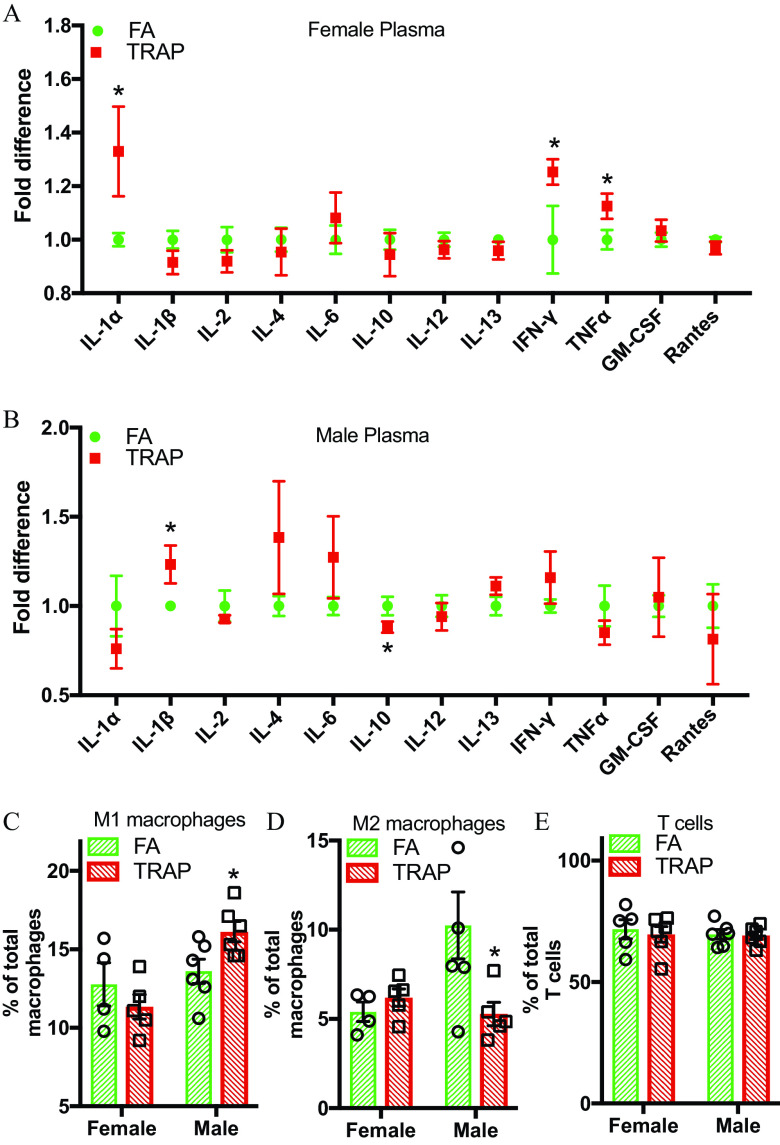
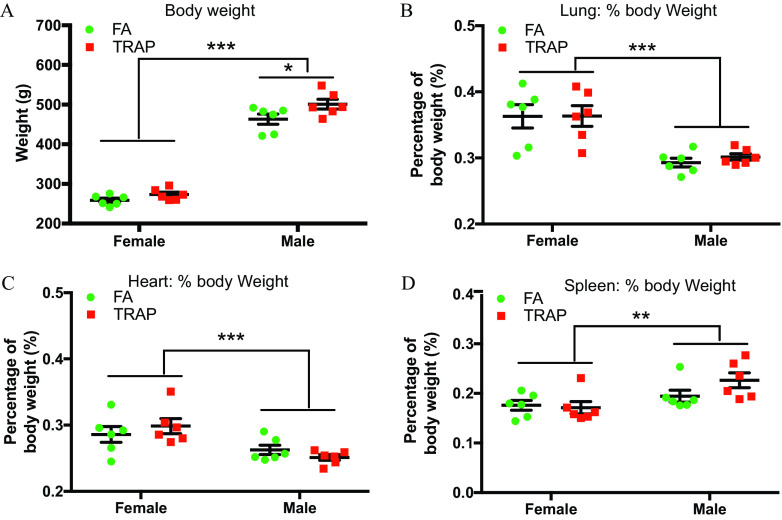
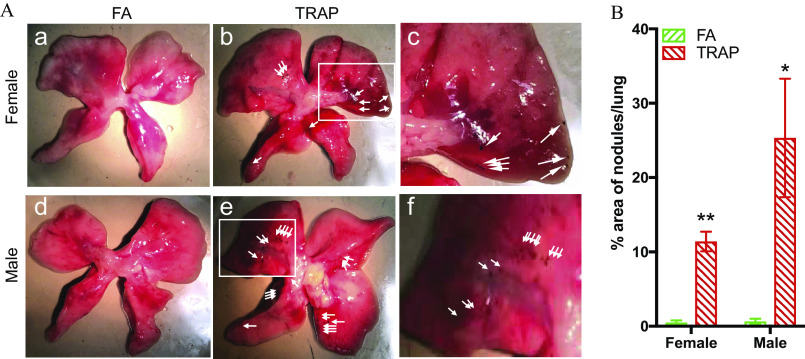
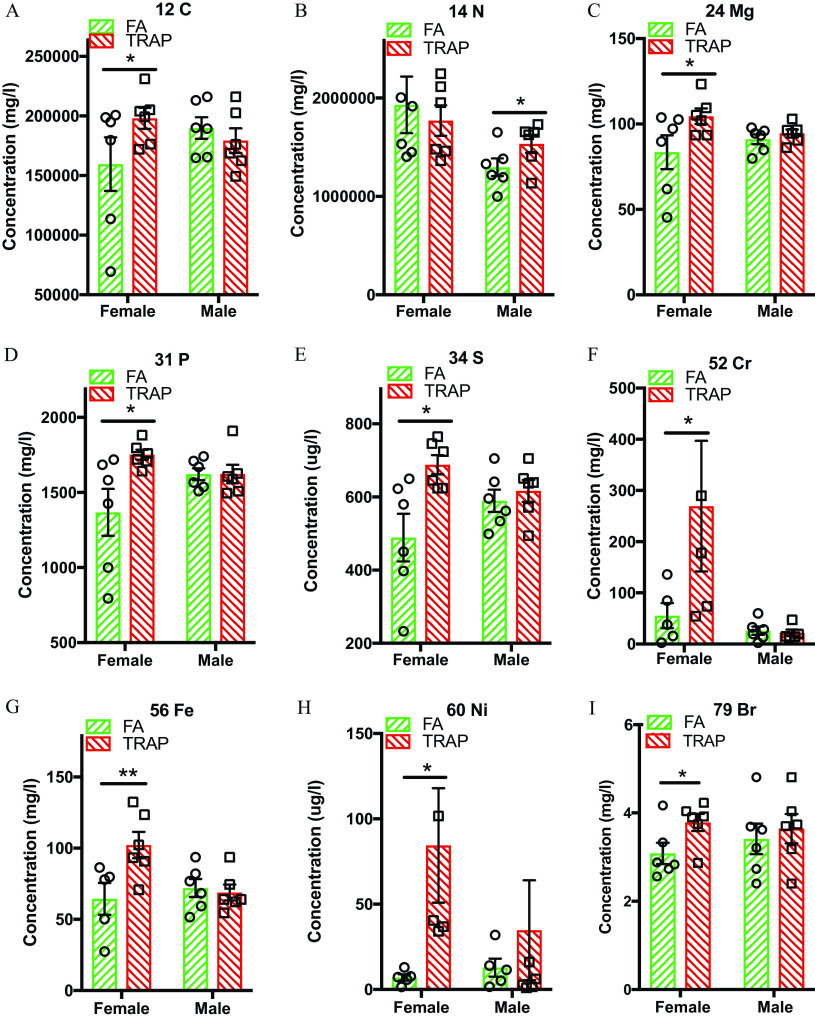
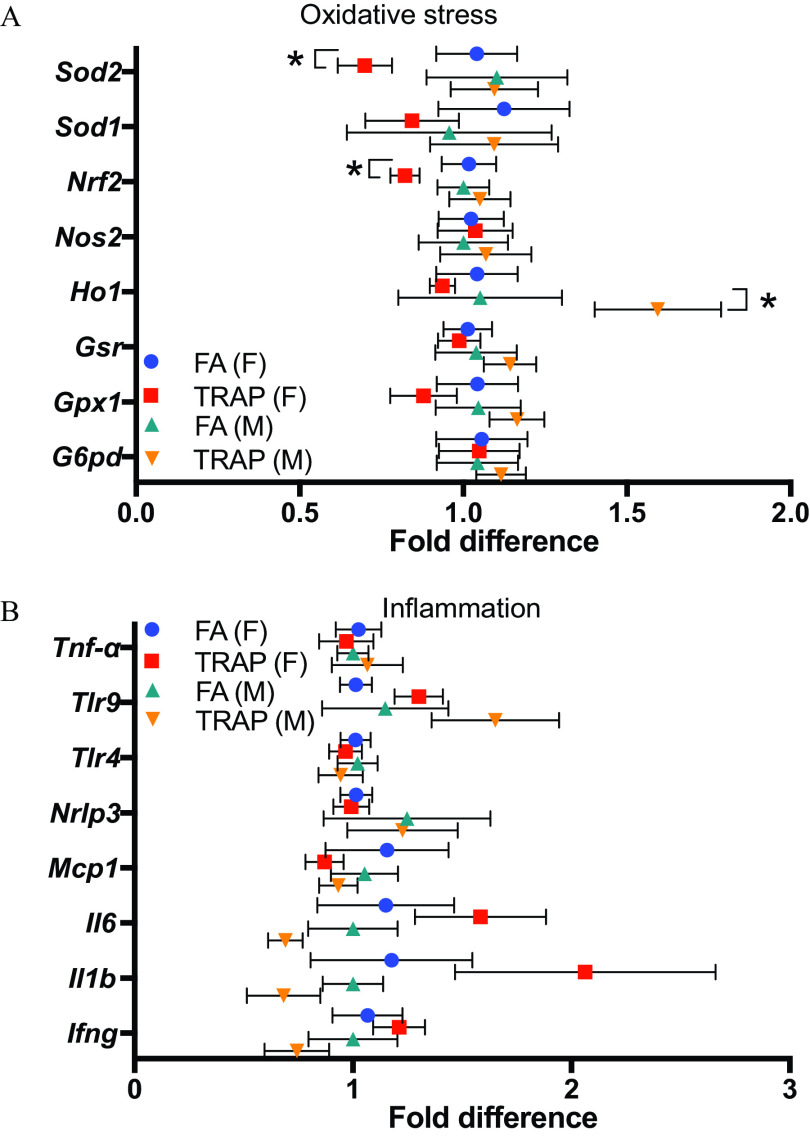
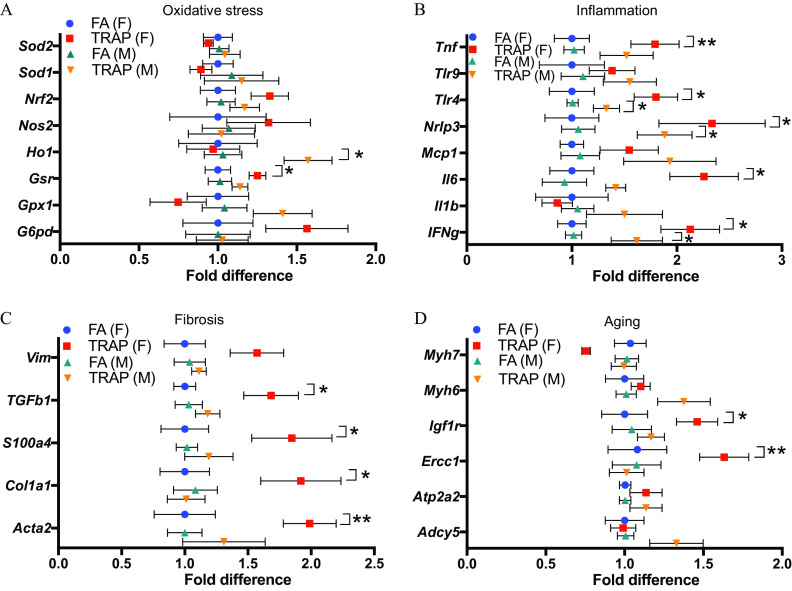
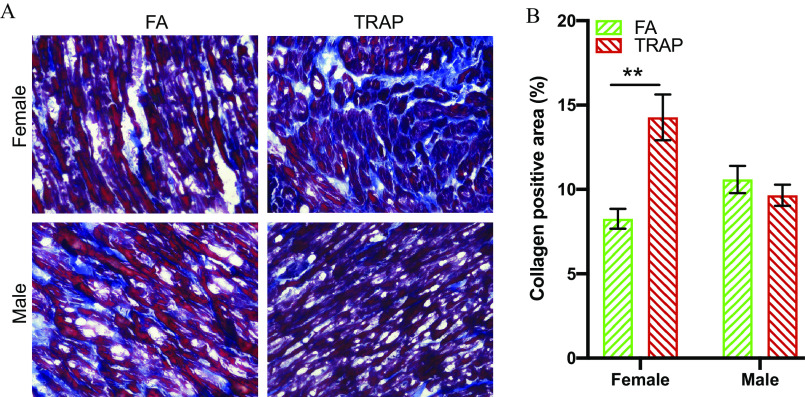
Elemental analysis showed higher levels of eight elements in the female lungs and one element in the male lungs. Expression of genes related to fibrosis, aging, oxidative stress, and inflammation were higher in the rat hearts exposed to TRAP, with female rats being more susceptible than males. Enhanced collagen accumulation was found only in the TRAP-exposed female hearts. Plasma cytokine secretion was higher in both female and male rats, but inflammatory macrophages were higher only in TRAP-exposed male spleens.
Our results in rats suggest pathological consequences from chronic TRAP exposure, including sex differences indicating females may be more susceptible to TRAP-induced cardiac fibrosis. https://doi.org/10.1289/EHP7045.
交通相关空气污染(TRAP)由颗粒物、气体和挥发性化合物等复杂混合物组成。然而,大多数动物研究中 TRAP 对心肺系统的影响都是通过急性暴露于单一污染物来测试的。整体上,慢性暴露于未改性空气污染的动物的心肺影响和分子机制尚未得到研究。此外,TRAP 暴露的性别依赖性毒性很少被评估。
本研究旨在评估慢性暴露于未经改性的真实世界 TRAP 对雄性和雌性大鼠的心肺影响。
4 周龄雄性和雌性大鼠在加利福尼亚州北部一条主要高速公路隧道系统抽取空气的新型设施中分别接受 TRAP 或过滤空气 14 个月。在肺、心脏、脾脏和血浆中检查炎症和氧化应激标志物,并在雄性和雌性大鼠的肺中定量 TRAP 沉积。
元素分析显示,女性肺部有八种元素和男性肺部有一种元素的含量较高。暴露于 TRAP 的大鼠心脏中与纤维化、衰老、氧化应激和炎症相关的基因表达更高,而雌性大鼠比雄性大鼠更易受影响。仅在暴露于 TRAP 的雌性心脏中发现增强的胶原蛋白积累。雄性和雌性大鼠的血浆细胞因子分泌均升高,但仅在暴露于 TRAP 的雄性脾脏中发现炎症性巨噬细胞增多。
我们在大鼠中的结果表明,慢性 TRAP 暴露会导致病理后果,包括表明女性可能更容易受到 TRAP 诱导的心脏纤维化影响的性别差异。https://doi.org/10.1289/EHP7045.