Laboratorio de Sueño y Memoria, Depto. de Ciencias de la Vida, Instituto Tecnológico de Buenos Aires (ITBA), Av. Madero 399, 1106, Capital Federal, Buenos Aires, Argentina.
Consejo Nacional de Investigaciones Científicas y Tecnológicas (CONICET), Godoy Cruz 2290, 1425, Capital Federal, Buenos Aires, Argentina.
Commun Biol. 2020 Dec 4;3(1):733. doi: 10.1038/s42003-020-01457-4.
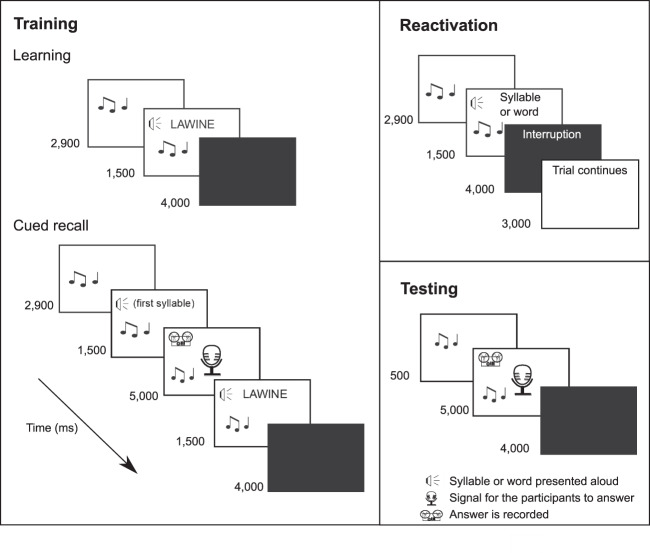
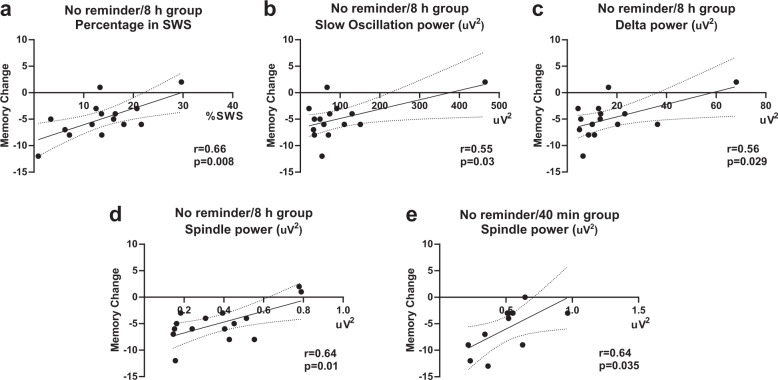
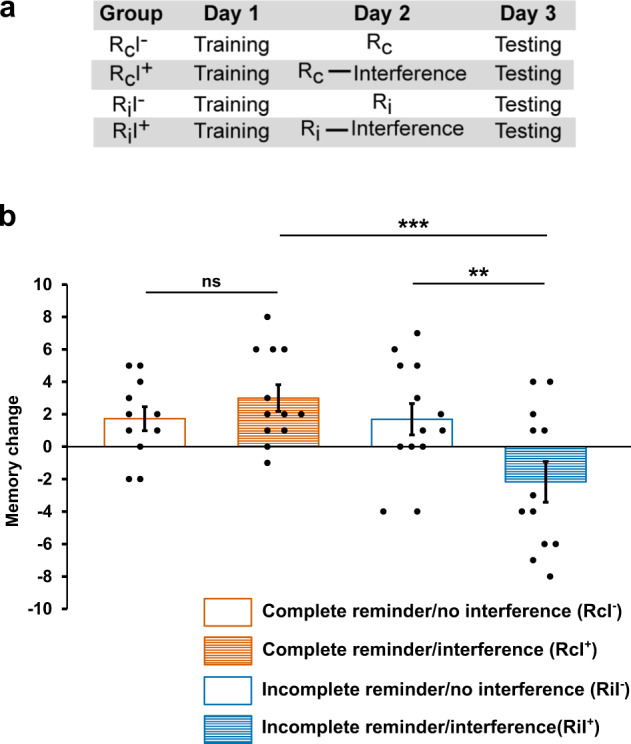
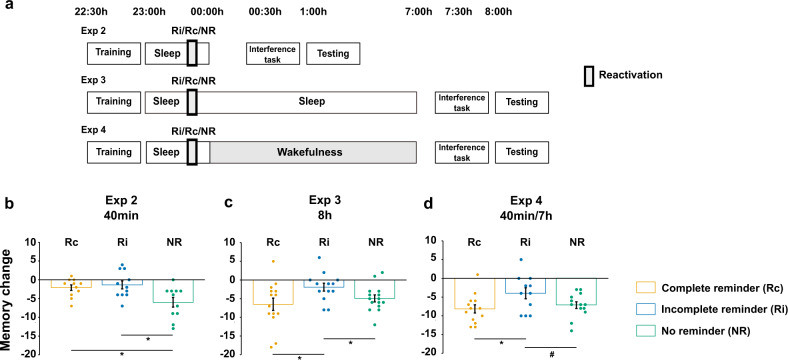
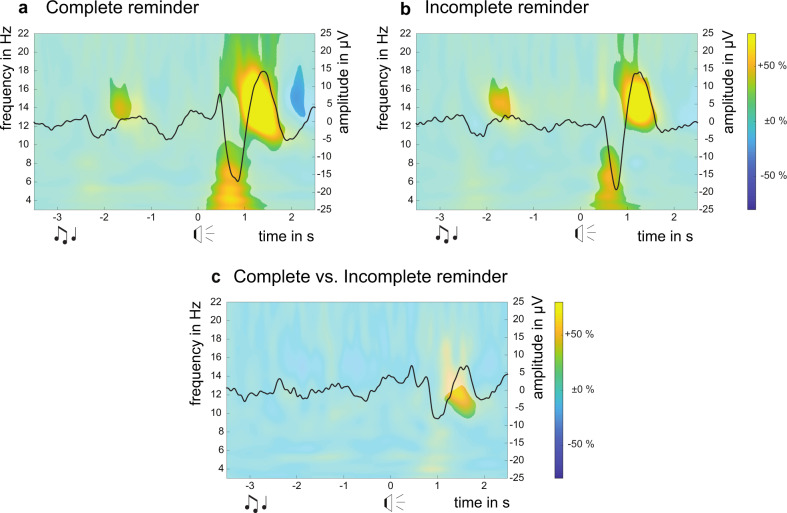
Reactivation by reminder cues labilizes memories during wakefulness, requiring reconsolidation to persist. In contrast, during sleep, cued reactivation seems to directly stabilize memories. In reconsolidation, incomplete reminders are more effective in reactivating memories than complete reminders by inducing a mismatch, i.e. a discrepancy between expected and actual events. Whether mismatch is likewise detected during sleep is unclear. Here we test whether cued reactivation during sleep is more effective for mismatch-inducing incomplete than complete reminders. We first establish that only incomplete but not complete reminders labilize memories during wakefulness. When complete or incomplete reminders are presented during 40-min sleep, both reminders are equally effective in stabilizing memories. However, when extending the retention interval for another 7 hours (following 40-min sleep), only incomplete but not complete reminders stabilize memories, regardless of the extension containing wakefulness or sleep. We propose that, during sleep, only incomplete reminders initiate long-term memory stabilization via mismatch detection.
提示性再激活会使清醒时的记忆不稳定,需要巩固才能持续。相比之下,在睡眠期间,提示性再激活似乎可以直接稳定记忆。在再巩固过程中,不完整的提示比完整的提示更能有效地重新激活记忆,因为它们会产生不匹配,即预期事件和实际事件之间的差异。在睡眠期间是否也能检测到不匹配尚不清楚。在这里,我们测试在睡眠期间提示性再激活对于诱导不匹配的不完整提示是否比完整提示更有效。我们首先确定只有不完整的提示而不是完整的提示会在清醒时使记忆不稳定。当在 40 分钟的睡眠期间呈现完整或不完整的提示时,两种提示都同样有效地稳定记忆。然而,当将保留间隔延长 7 个小时(在 40 分钟的睡眠之后)时,只有不完整的提示而不是完整的提示能稳定记忆,无论延长时间是否包含清醒或睡眠。我们提出,在睡眠期间,只有不完整的提示通过检测不匹配来启动长期记忆的稳定。