Tandon Yasmeen K, Bartholmai Brian J, Koo Chi Wan
Department of Radiology, Mayo Clinic, Rochester, MN, USA.
J Thorac Dis. 2020 Nov;12(11):6954-6965. doi: 10.21037/jtd-2019-cptn-03.
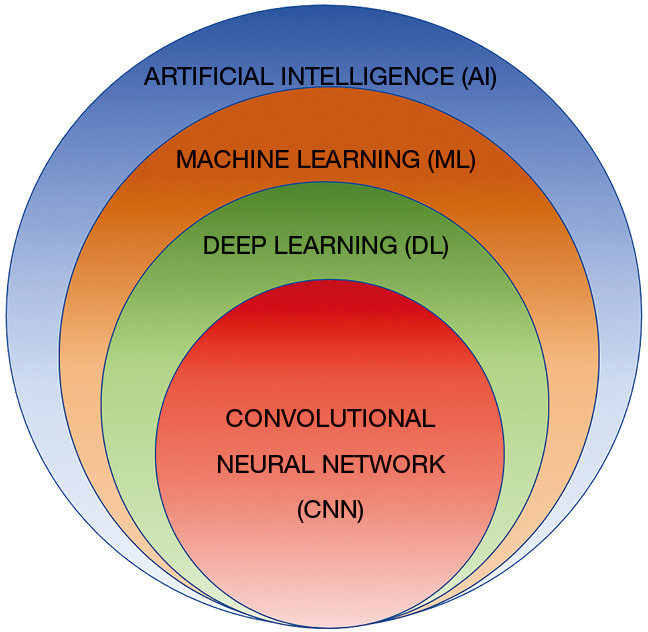
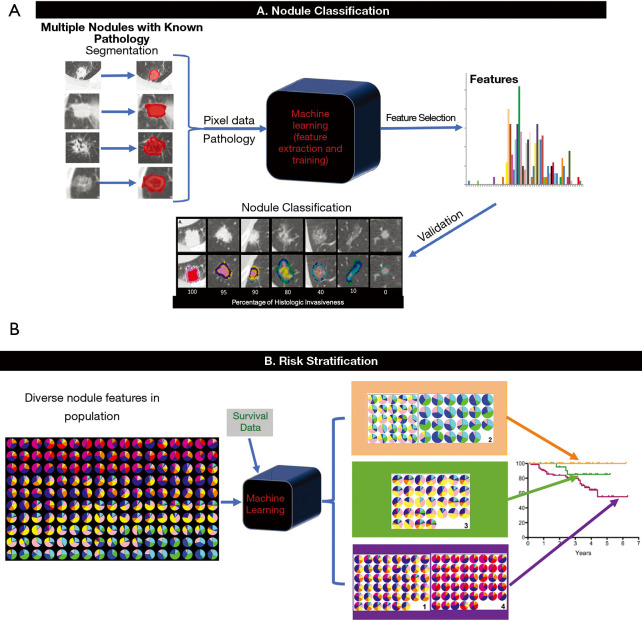
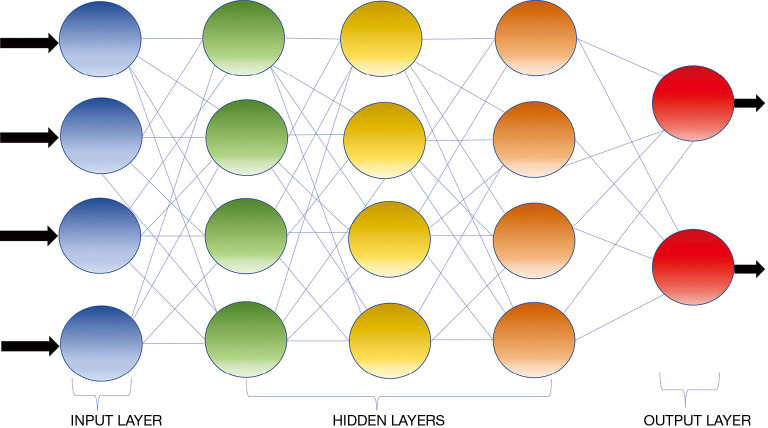
Lung cancer remains the leading cause of cancer related death world-wide despite advances in treatment. This largely relates to the fact that many of these patients already have advanced diseases at the time of initial diagnosis. As most lung cancers present as nodules initially, an accurate classification of pulmonary nodules as early lung cancers is critical to reducing lung cancer morbidity and mortality. There have been significant recent advances in artificial intelligence (AI) for lung nodule evaluation. Deep learning (DL) and convolutional neural networks (CNNs) have shown promising results in pulmonary nodule detection and have also excelled in segmentation and classification of pulmonary nodules. This review aims to provide an overview of progress that has been made in AI recently for pulmonary nodule detection and characterization with the ultimate goal of lung cancer prediction and classification while outlining some of the pitfalls and challenges that remain to bring such advancements to routine clinical use.
尽管治疗方面取得了进展,但肺癌仍然是全球癌症相关死亡的主要原因。这在很大程度上与许多患者在初次诊断时就已经患有晚期疾病这一事实有关。由于大多数肺癌最初表现为结节,将肺结节准确分类为早期肺癌对于降低肺癌的发病率和死亡率至关重要。近年来,人工智能(AI)在肺结节评估方面取得了重大进展。深度学习(DL)和卷积神经网络(CNN)在肺结节检测方面显示出了有前景的结果,并且在肺结节的分割和分类方面也表现出色。本综述旨在概述人工智能最近在肺结节检测和特征描述方面取得的进展,最终目标是实现肺癌的预测和分类,同时概述在将这些进展应用于常规临床使用中仍然存在的一些陷阱和挑战。