Avendaño-Ortiz José, Lozano-Rodríguez Roberto, Martín-Quirós Alejandro, Maroun-Eid Charbel, Terrón Verónica, Valentín Jaime, Montalbán-Hernández Karla, Ruiz de la Bastida Fátima, García-Garrido Miguel A, Cubillos-Zapata Carolina, Del Balzo-Castillo Álvaro, Aguirre Luis A, López-Collazo Eduardo
The Innate Immune Response Group, IdiPAZ, La Paz University Hospital, Paseo de la Castellana 261, Madrid, 28046, Spain.
Tumor Immunology Laboratory, IdiPAZ, La Paz University Hospital, Paseo de la Castellana 261, Madrid, 28046, Spain.
Heliyon. 2020 Dec;6(12):e05635. doi: 10.1016/j.heliyon.2020.e05635. Epub 2020 Nov 30.
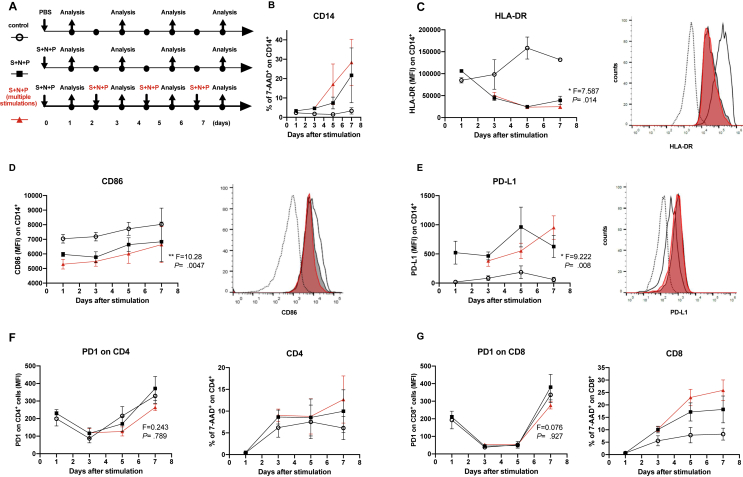
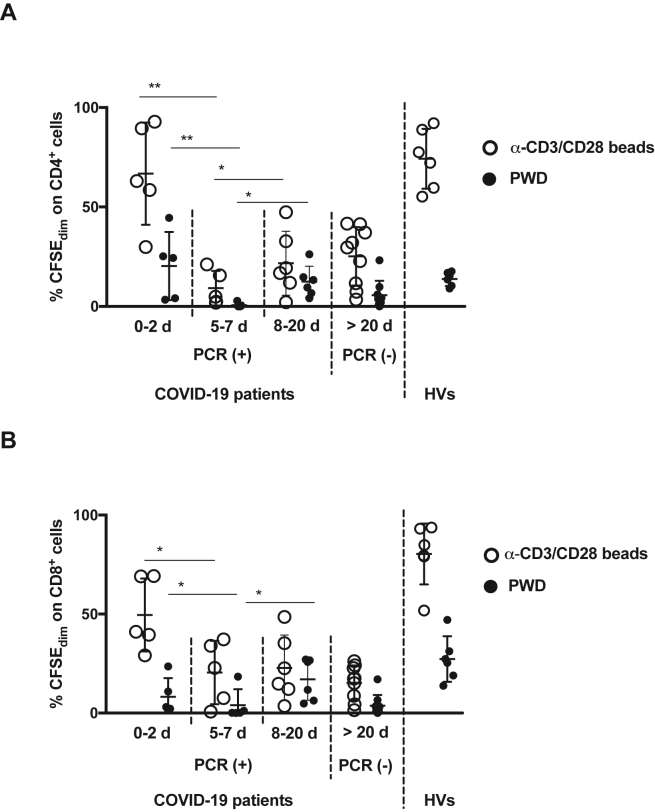
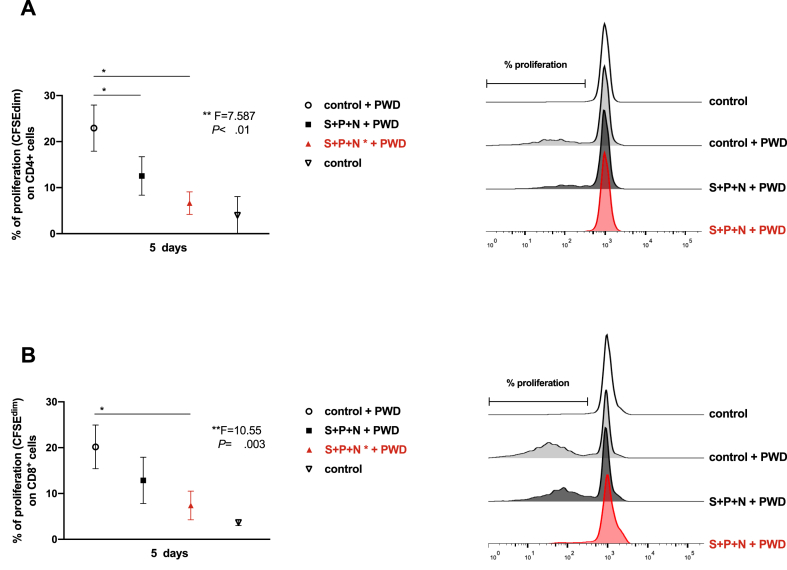
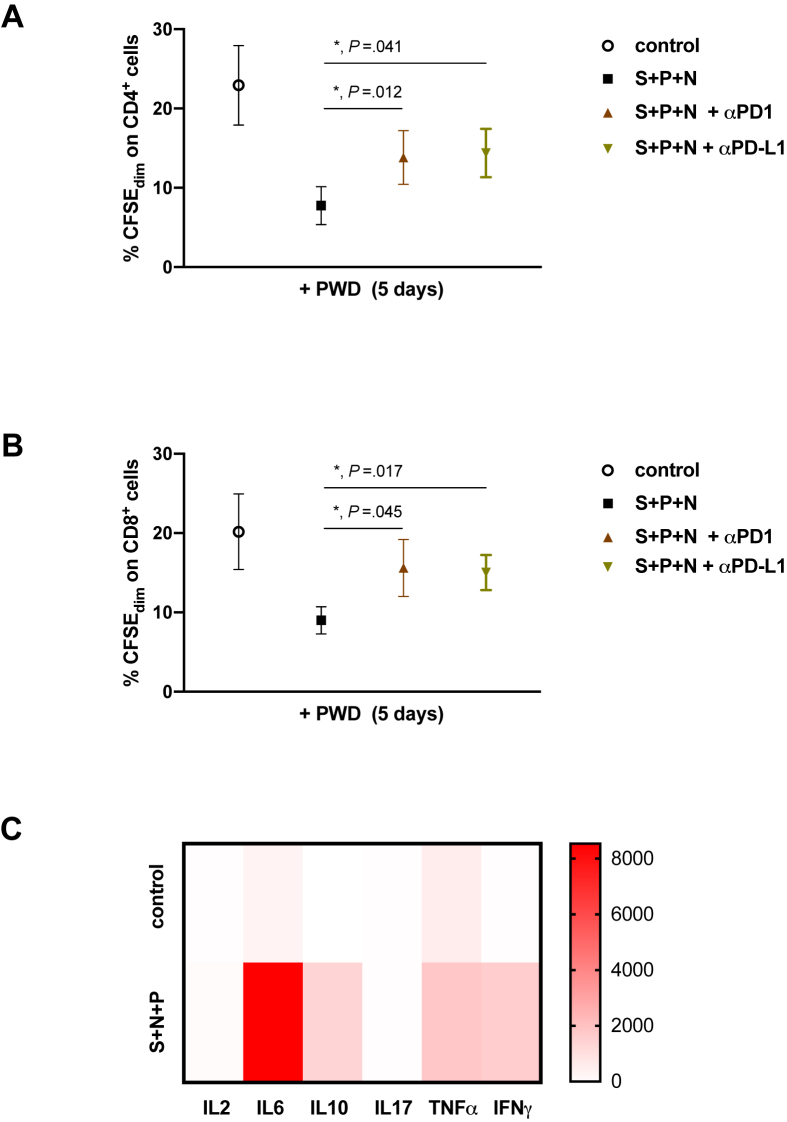
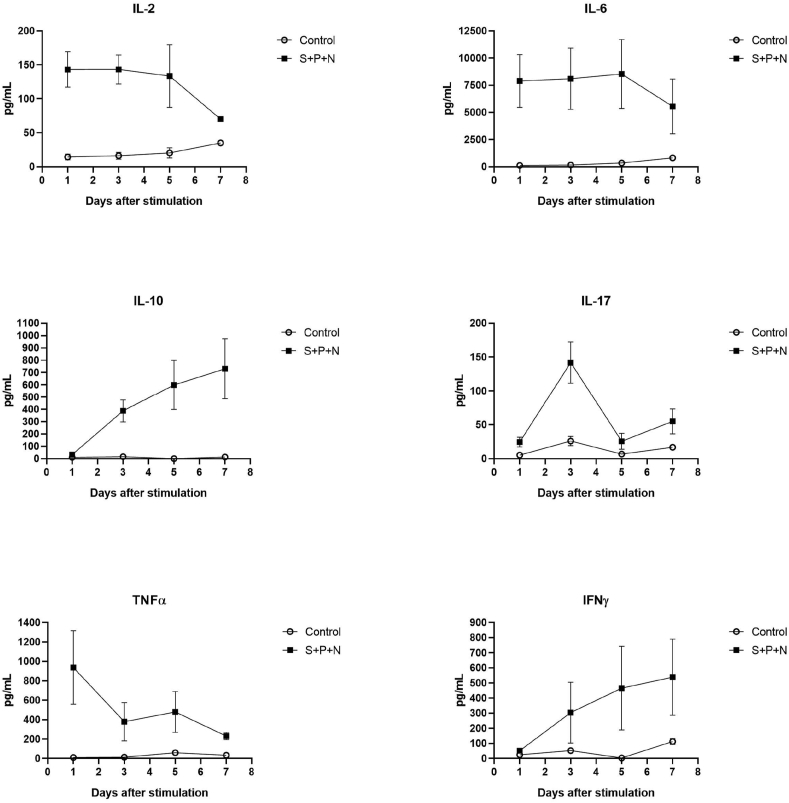
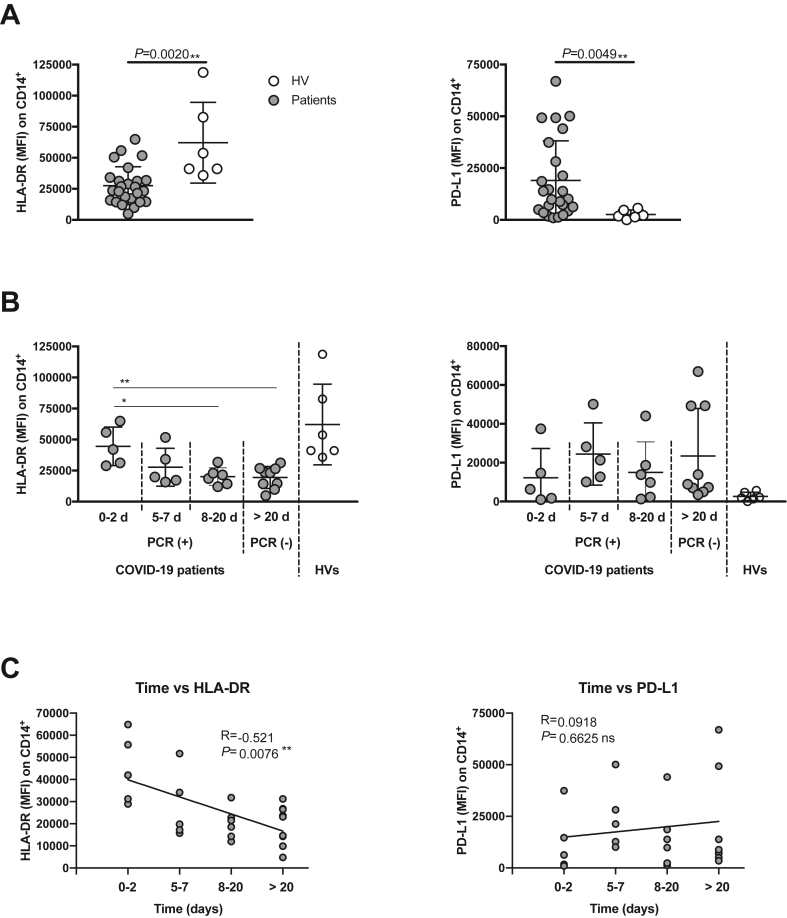
Increased cytokine levels, acute phase reactants and immune checkpoint expression changes have been described in patients with Coronavirus Disease 2019 (COVID-19). Here, we have reported a monocyte polarization towards a low HLA-DR and high PD-L1 expression after long exposure to proteins from SARS-CoV-2. Moreover, CD86 expression was also reduced over SARS-CoV-2 proteins exposure. Additionally, T-cells proliferation was significantly reduced after stimulation with these proteins. Eventually, patients with long-term SARS-CoV-2 infection also exhibited a significant blockade of T-cells proliferation.
2019年冠状病毒病(COVID-19)患者中已发现细胞因子水平升高、急性期反应物和免疫检查点表达变化。在此,我们报告了长时间暴露于严重急性呼吸综合征冠状病毒2(SARS-CoV-2)蛋白后,单核细胞向低人类白细胞抗原-DR(HLA-DR)和高程序性死亡受体配体1(PD-L1)表达的极化。此外,暴露于SARS-CoV-2蛋白后,CD86表达也降低。此外,用这些蛋白刺激后,T细胞增殖显著减少。最终,长期感染SARS-CoV-2的患者也表现出T细胞增殖的显著阻断。