Hasan Ali M, Al-Jawad Mohammed M, Jalab Hamid A, Shaiba Hadil, Ibrahim Rabha W, Al-Shamasneh Ala'a R
College of Medicine, Al-Nahrain University, Baghdad 10001, Iraq.
College of Science, Kerbala University, Kerbala 56001, Iraq.
Entropy (Basel). 2020 May 1;22(5):517. doi: 10.3390/e22050517.
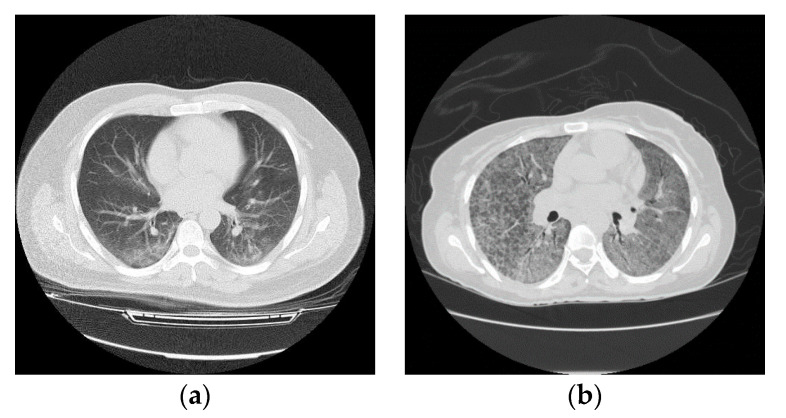
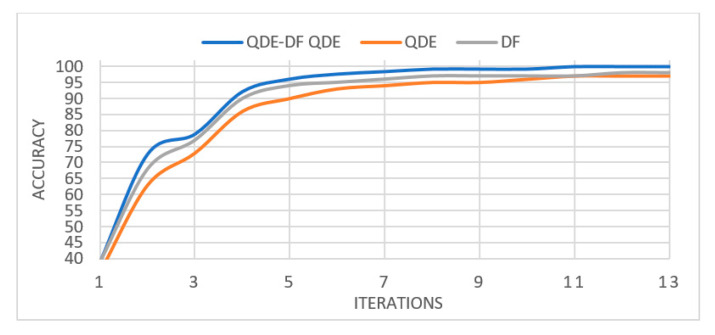
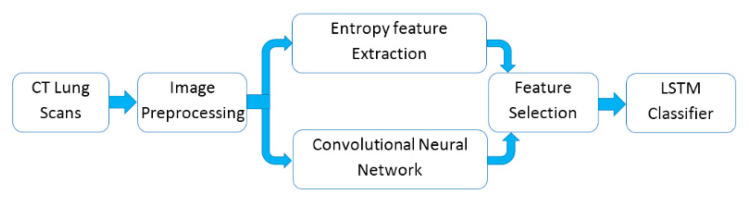
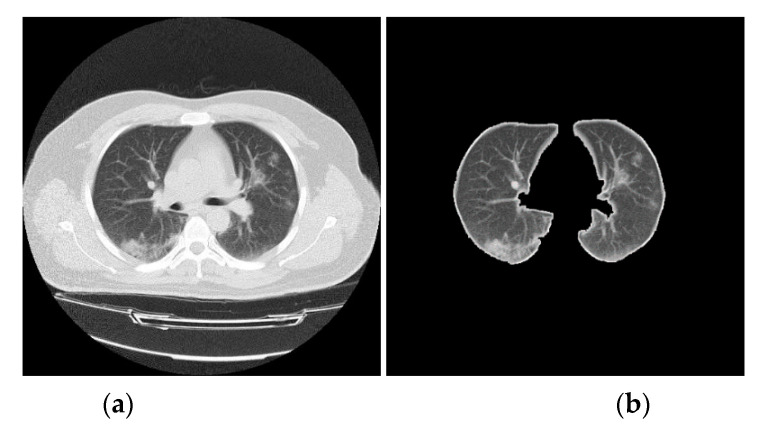
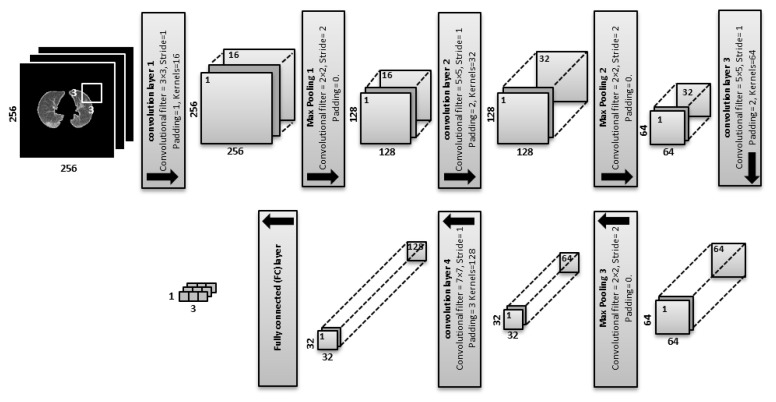
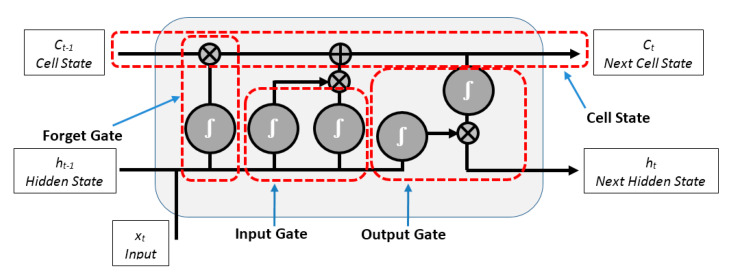
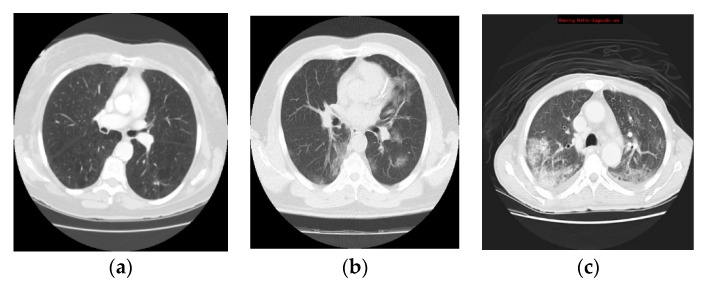
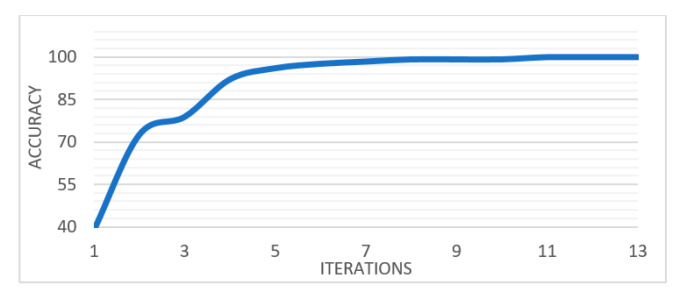
Many health systems over the world have collapsed due to limited capacity and a dramatic increase of suspected COVID-19 cases. What has emerged is the need for finding an efficient, quick and accurate method to mitigate the overloading of radiologists' efforts to diagnose the suspected cases. This study presents the combination of deep learning of extracted features with the Q-deformed entropy handcrafted features for discriminating between COVID-19 coronavirus, pneumonia and healthy computed tomography (CT) lung scans. In this study, pre-processing is used to reduce the effect of intensity variations between CT slices. Then histogram thresholding is used to isolate the background of the CT lung scan. Each CT lung scan undergoes a feature extraction which involves deep learning and a Q-deformed entropy algorithm. The obtained features are classified using a long short-term memory (LSTM) neural network classifier. Subsequently, combining all extracted features significantly improves the performance of the LSTM network to precisely discriminate between COVID-19, pneumonia and healthy cases. The maximum achieved accuracy for classifying the collected dataset comprising 321 patients is 99.68%.
由于能力有限以及疑似新型冠状病毒肺炎(COVID-19)病例的急剧增加,世界上许多医疗系统已经崩溃。因此,需要找到一种高效、快速且准确的方法,以减轻放射科医生诊断疑似病例的工作量。本研究提出将提取特征的深度学习与Q变形熵手工特征相结合,用于区分COVID-19冠状病毒、肺炎和健康的计算机断层扫描(CT)肺部扫描。在本研究中,使用预处理来减少CT切片之间强度变化的影响。然后使用直方图阈值化来分离CT肺部扫描的背景。每个CT肺部扫描都要经过一次特征提取,其中涉及深度学习和Q变形熵算法。使用长短期记忆(LSTM)神经网络分类器对获得的特征进行分类。随后,将所有提取的特征相结合,显著提高了LSTM网络精确区分COVID-19、肺炎和健康病例的性能。对包含321名患者的收集数据集进行分类时,最高准确率达到了99.68%。