Kononikhin Alexey S, Zakharova Natalia V, Sergeeva Viktoria A, Indeykina Maria I, Starodubtseva Natalia L, Bugrova Anna E, Muminova Kamila T, Khodzhaeva Zulfia S, Popov Igor A, Shao Wenguang, Pedrioli Patrik, Shmakov Roman G, Frankevich Vladimir E, Sukhikh Gennady T, Nikolaev Evgeny N
Skolkovo Institute of Science and Technology, 143026 Moscow, Russia.
V.I. Kulakov National Medical Research Center for Obstetrics, Gynecology and Perinatology, Ministry of Healthcare of the Russian Federation, 117198 Moscow, Russia.
Diagnostics (Basel). 2020 Dec 3;10(12):1039. doi: 10.3390/diagnostics10121039.
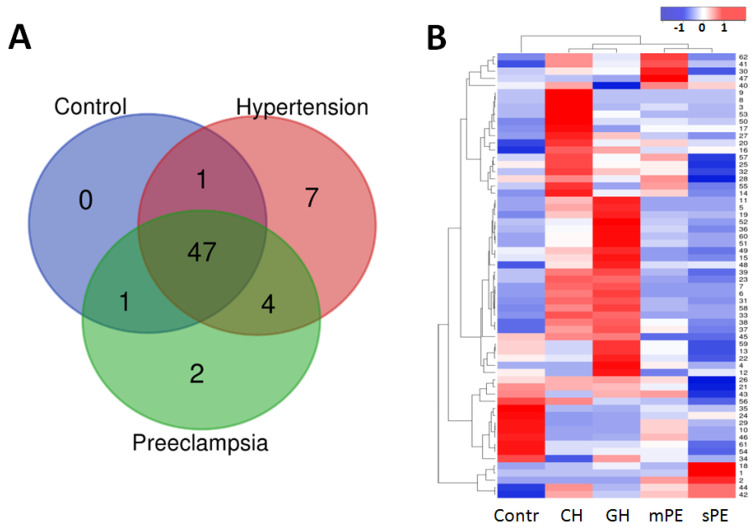
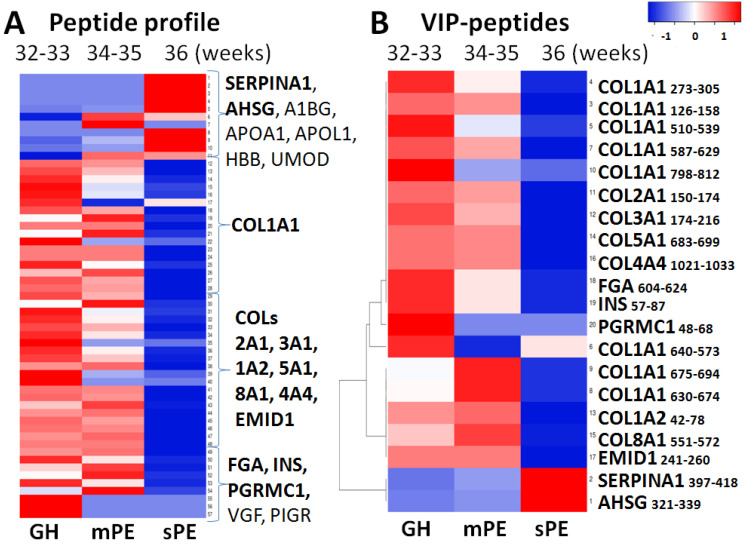
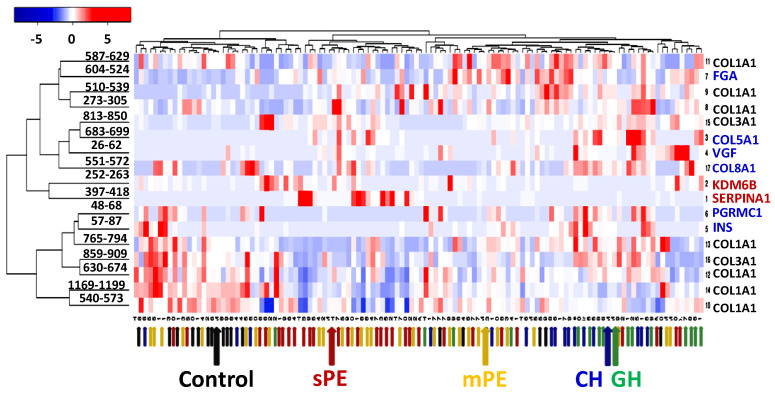
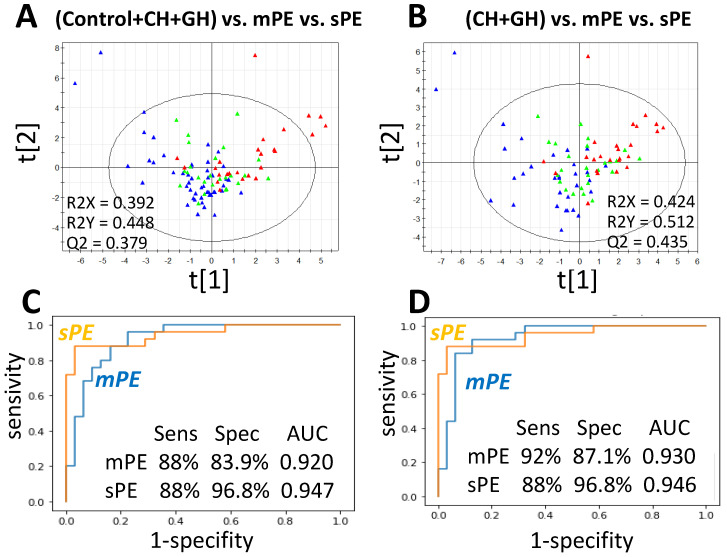
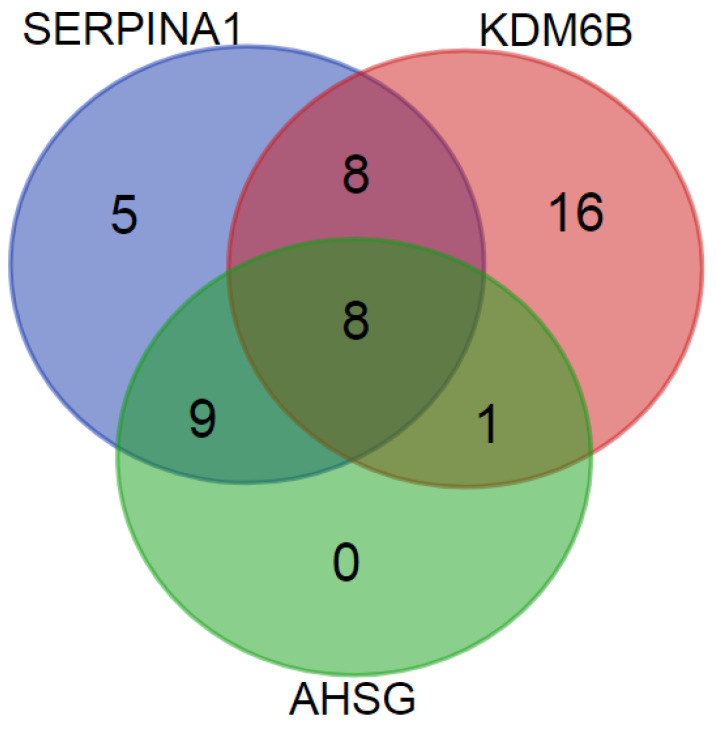
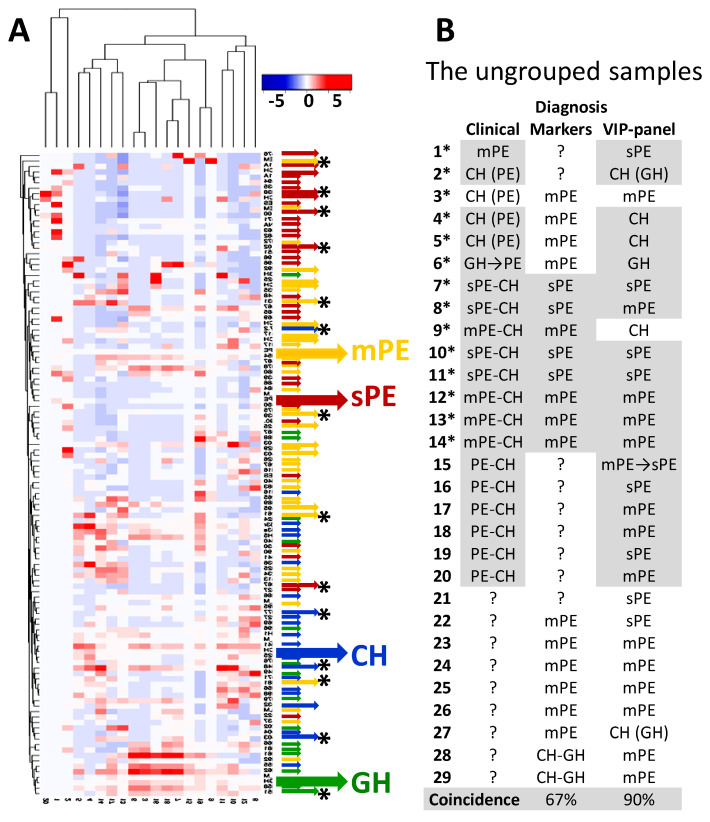
Preeclampsia (PE) is a severe pregnancy complication, which may be considered as a systemic response in the second half of pregnancy to physiological failures in the first trimester, and can lead to very serious consequences for the health of the mother and fetus. Since PE is often associated with proteinuria, urine proteomic assays may represent a powerful tool for timely diagnostics and appropriate management. High resolution mass spectrometry was applied for peptidome analysis of 127 urine samples of pregnant women with various hypertensive complications: normotensive controls ( = 17), chronic hypertension ( = 16), gestational hypertension ( = 15), mild PE ( = 25), severe PE ( = 25), and 29 patients with complicated diagnoses. Analysis revealed 3869 peptides, which mostly belong to 116 groups with overlapping sequences. A panel of 22 marker peptide groups reliably differentiating PE was created by multivariate statistics, and included 15 collagen groups (from COL1A1, COL3A1, COL2A1, COL4A4, COL5A1, and COL8A1), and single loci from alpha-1-antitrypsin, fibrinogen, membrane-associated progesterone receptor component 1, insulin, EMI domain-containing protein 1, lysine-specific demethylase 6B, and alpha-2-HS-glycoprotein each. ROC analysis of the created model resulted in 88% sensitivity, 96.8% specificity, and receiver operating characteristic curve (AUC) = 0.947. Obtained results confirm the high diagnostic potential of urinary peptidome profiling for pregnancy hypertensive disorders diagnostics.
子痫前期(PE)是一种严重的妊娠并发症,可被视为妊娠后半期对孕早期生理功能衰竭的一种全身反应,会对母亲和胎儿的健康造成非常严重的后果。由于PE常与蛋白尿相关,尿液蛋白质组分析可能是及时诊断和适当管理的有力工具。应用高分辨率质谱对127例患有各种高血压并发症的孕妇尿液样本进行肽组分析:血压正常对照组(n = 17)、慢性高血压(n = 16)、妊娠期高血压(n = 15)、轻度PE(n = 25)、重度PE(n = 25)以及29例诊断复杂的患者。分析发现了3869种肽,它们大多属于116个具有重叠序列的组。通过多变量统计创建了一组22个能可靠区分PE的标记肽组,包括15个胶原蛋白组(来自COL1A1、COL3A1、COL2A1、COL4A4、COL5A1和COL8A1),以及分别来自α-1-抗胰蛋白酶、纤维蛋白原、膜相关孕酮受体成分1、胰岛素、含EMI结构域蛋白1、赖氨酸特异性去甲基化酶6B和α-2-HS-糖蛋白的单个位点。对创建模型的ROC分析得出灵敏度为88%,特异性为96.8%,受试者工作特征曲线(AUC)= 0.947。所得结果证实了尿液肽组分析在妊娠高血压疾病诊断方面具有很高的诊断潜力。