Institute of Biology and Ecology, Faculty of Science, Pavol Jozef Safarik University, Manesova 23, SK-04001 Kosice, Slovakia.
Institute of Chemistry, Faculty of Science, Pavol Jozef Safarik University, Moyzesova 11, SK-04001 Kosice, Slovakia.
Molecules. 2020 Dec 3;25(23):5720. doi: 10.3390/molecules25235720.
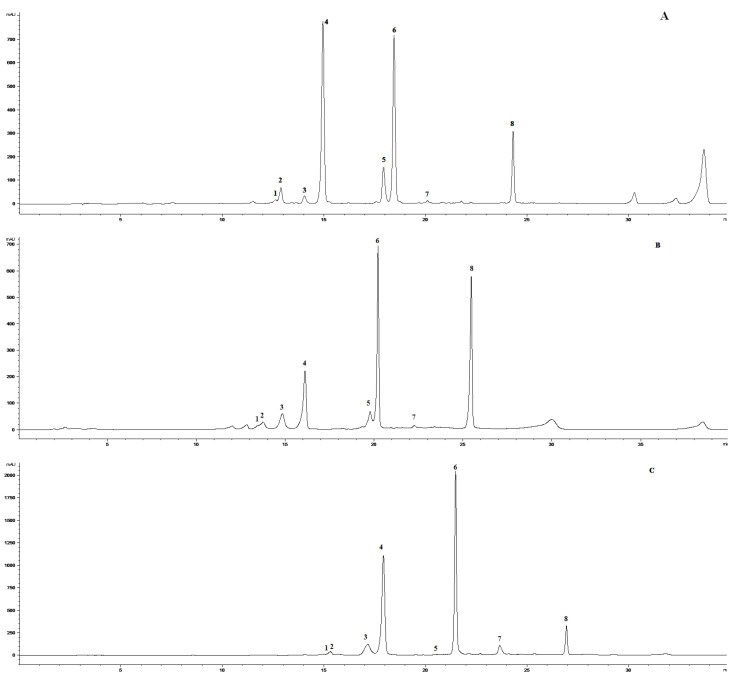
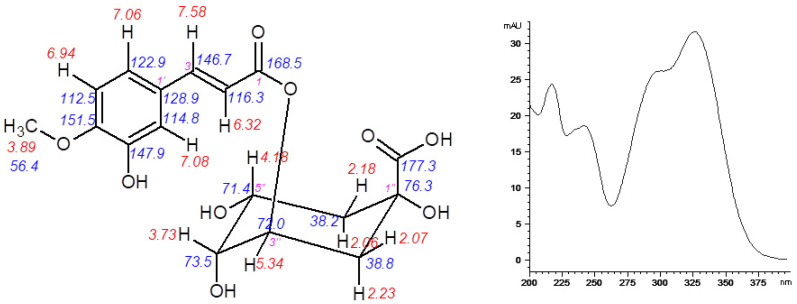
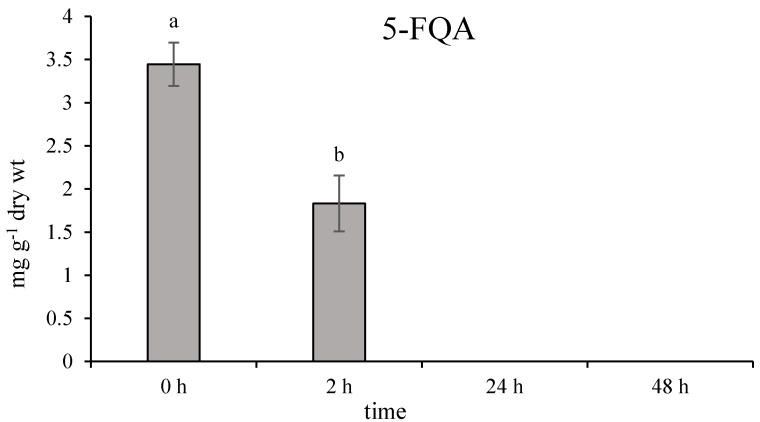
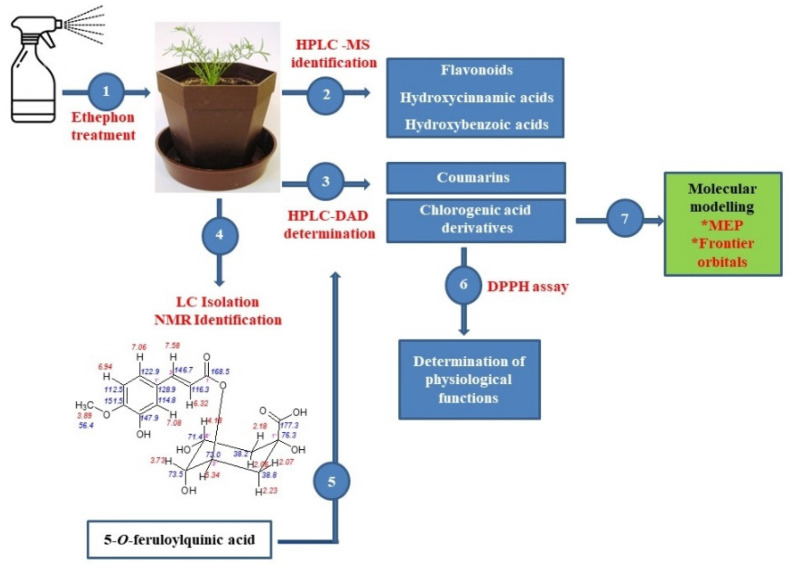
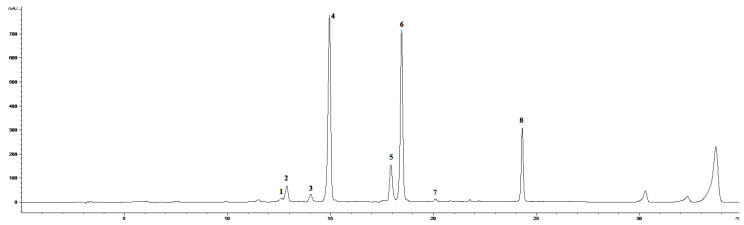
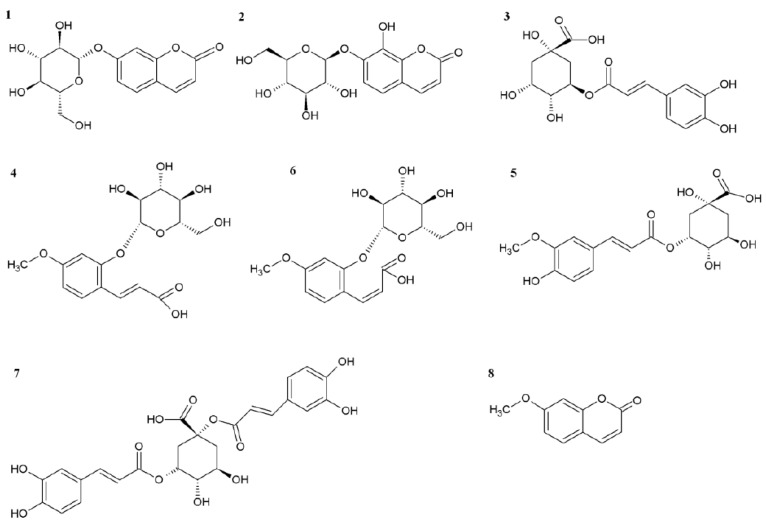
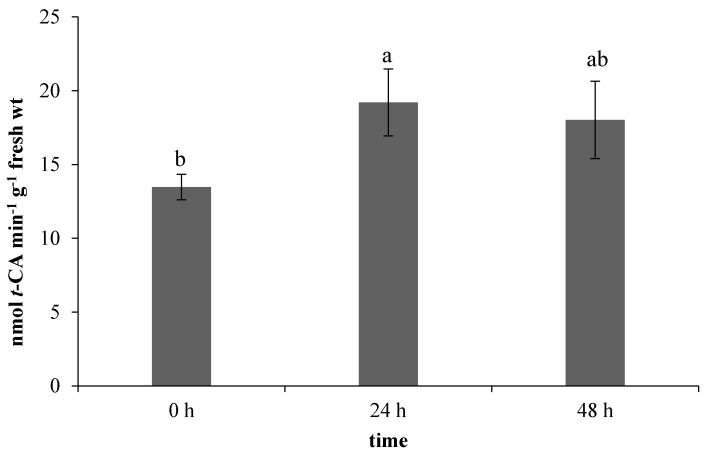
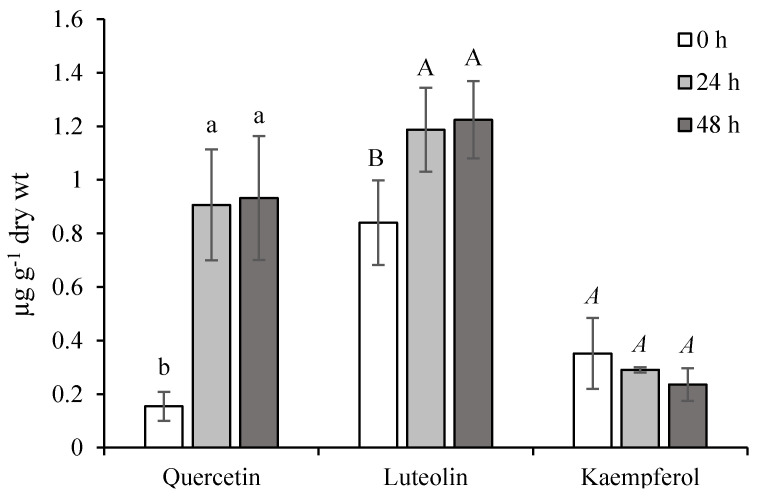
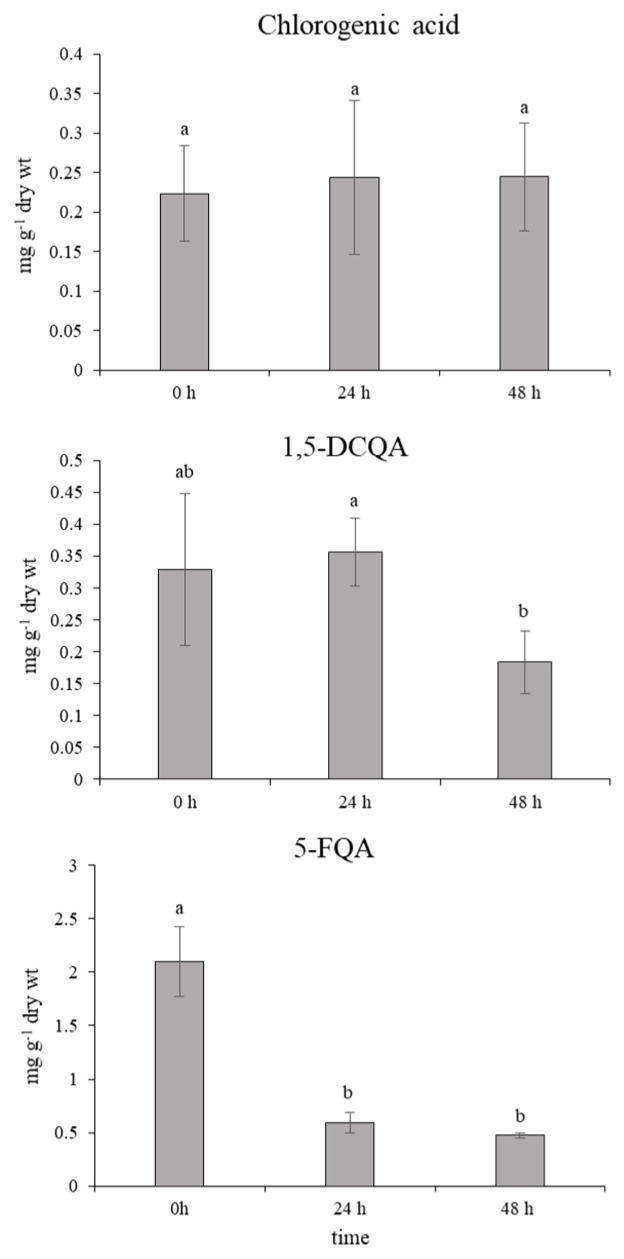
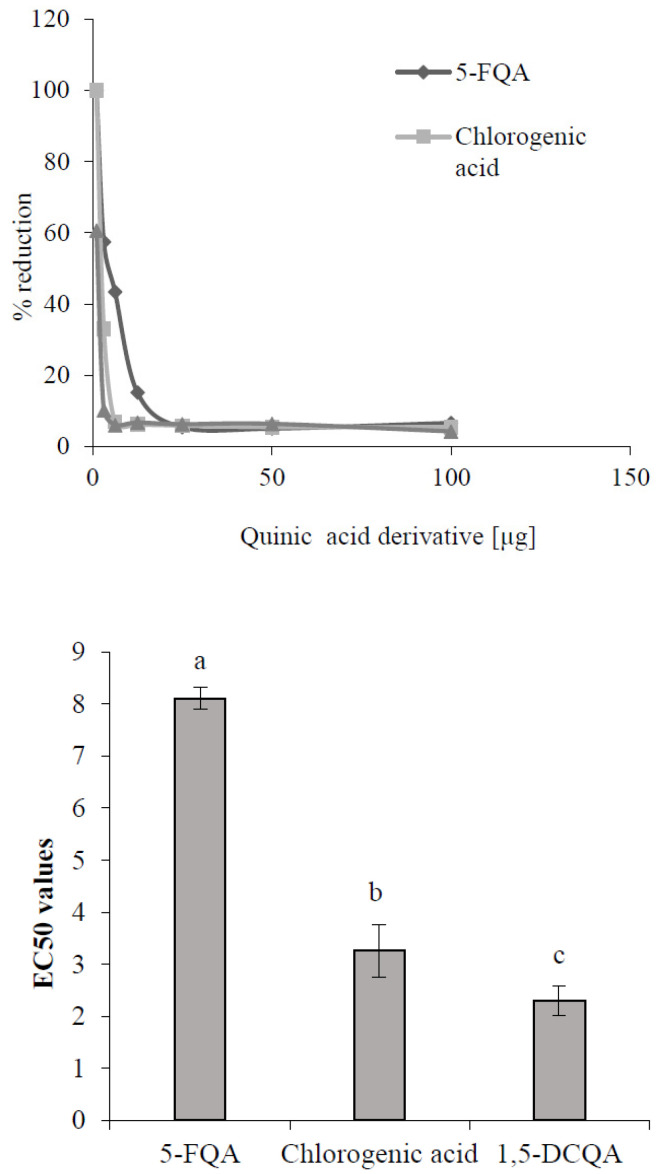
Phytochemical investigations of L. (Asteraceae) stated the presence of several compounds with an established therapeutic and antioxidant potential. The chamomile non-enzymatic antioxidant system includes low molecular mass compounds, mainly polyphenols such as cinnamic, hydroxybenzoic and chlorogenic acids, flavonoids and coumarins. The objective of this work was to evaluate the role of the non-enzymatic antioxidant system after stimulation by ethylene in tetraploid chamomile plants. Seven days of ethylene treatment significantly increased the activity of phenylalanine ammonia-lyase, which influenced the biosynthesis of protective polyphenols in the first step of their biosynthetic pathway. Subsequently, considerable enhanced levels of phenolic metabolites with a substantial antioxidant effect (syringic, vanillic and caffeic acid, 1,5-dicaffeoylquinic acid, quercetin, luteolin, daphnin, and herniarin) were determined by HPLC-DAD-MS. The minimal information on the chlorogenic acids function in chamomile led to the isolation and identification of 5--feruloylquinic acid. It is accumulated during normal conditions, but after the excessive effect of abiotic stress, its level significantly decreases and levels of other caffeoylquinic acids enhance. Our results suggest that ethephon may act as a stimulant of the production of pharmaceutically important non-enzymatic antioxidants in chamomile leaves and thus, lead to an overall change in phytochemical content and therapeutic effects of chamomile plants, as well.
对 (菊科)的植物化学研究表明,存在几种具有既定治疗和抗氧化潜力的化合物。这种甘菊的非酶抗氧化系统包括低分子量化合物,主要是类肉桂酸、羟基苯甲酸和绿原酸、类黄酮和香豆素等多酚。本工作的目的是评估非酶抗氧化系统在四倍体甘菊植物受到乙烯刺激后的作用。乙烯处理 7 天显著增加了苯丙氨酸解氨酶的活性,这影响了它们生物合成途径中第一步保护多酚的生物合成。随后,通过 HPLC-DAD-MS 测定了具有显著抗氧化作用的酚类代谢物(丁香酸、香草酸和咖啡酸、1,5-二咖啡酰奎宁酸、槲皮素、木樨草素、瑞香素和芹菜素)的含量明显增加。关于绿原酸在甘菊中的功能的信息很少,导致了 5--阿魏酰奎宁酸的分离和鉴定。它在正常条件下积累,但在非生物胁迫的过度影响下,其水平显著降低,而其他咖啡酰奎宁酸的水平增加。我们的研究结果表明,乙烯利可能作为甘菊叶片中具有药用重要性的非酶抗氧化剂产生的刺激物,从而导致甘菊植物的整体化学成分和治疗效果发生变化。