
洋甘菊(L.):民族药用、植物化学及药理用途综述
Chamomile ( L.): A Review of Ethnomedicinal Use, Phytochemistry and Pharmacological Uses.
作者信息
El Mihyaoui Amina, Esteves da Silva Joaquim C G, Charfi Saoulajan, Candela Castillo María Emilia, Lamarti Ahmed, Arnao Marino B
机构信息
Department of Plant Biology (Plant Physiology), Faculty of Biology, University of Murcia, 30100 Murcia, Spain.
Laboratory of Plant Biotechnology, Department of Biology, Faculty of Sciences, Abdelmalek Essaadi University, Tetouan 93000, Morocco.
出版信息
Life (Basel). 2022 Mar 25;12(4):479. doi: 10.3390/life12040479.
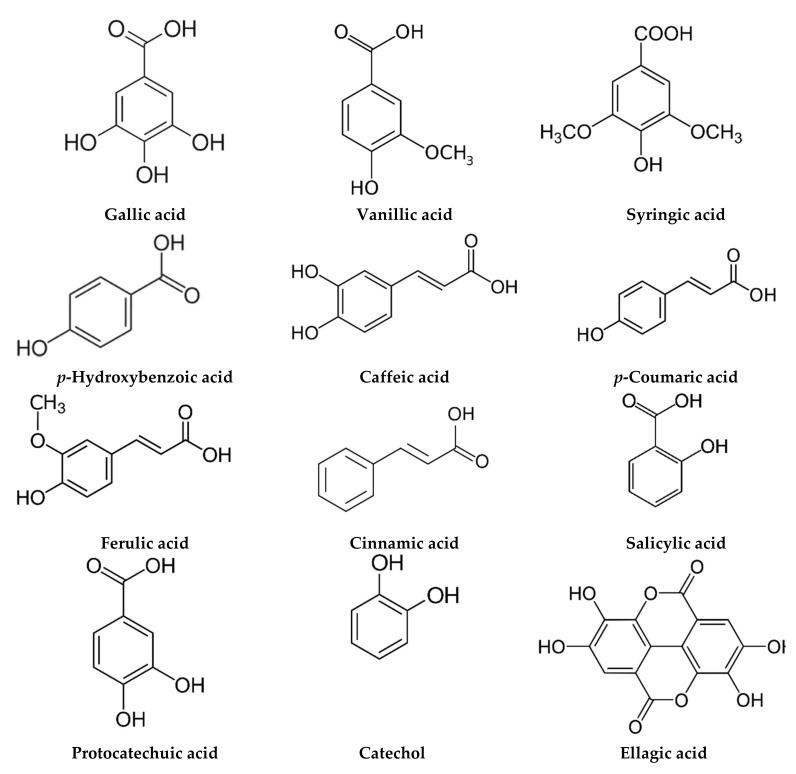
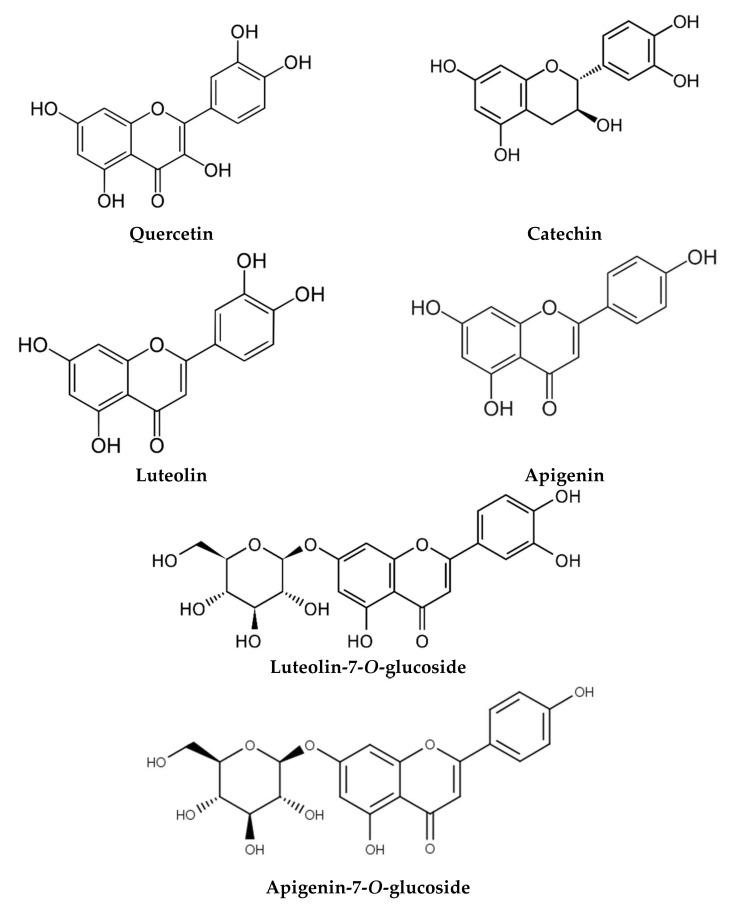
L. is a famous medicinal plant distributed worldwide. It is widely used in traditional medicine to treat all kinds of diseases, including infections, neuropsychiatric, respiratory, gastrointestinal, and liver disorders. It is also used as a sedative, antispasmodic, antiseptic, and antiemetic. In this review, reports on taxonomy, botanical and ecology description, ethnomedicinal uses, phytochemistry, biological and pharmacological properties, possible application in different industries, and encapsulation were critically gathered and summarized. Scientific search engines such as Web of Science, PubMed, Wiley Online, SpringerLink, ScienceDirect, Scopus, and Google Scholar were used to gather data on . The phytochemistry composition of essential oils and extracts of has been widely analyzed, showing that the plant contains over 120 constituents. Essential oils are generally composed of terpenoids, such as α-bisabolol and its oxides A and B, bisabolone oxide A, chamazulene, and β-farnesene, among other compounds. On the other hand, extracts were dominated by phenolic compounds, including phenolic acids, flavonoids, and coumarins. In addition, demonstrated several biological properties such as antioxidant, antibacterial, antifungal, anti-parasitic, insecticidal, anti-diabetic, anti-cancer, and anti-inflammatory effects. These activities allow the application of in the medicinal and veterinary field, food preservation, phytosanitary control, and as a surfactant and anti-corrosive agent. Finally, the encapsulation of essential oils or extracts allows the enhancement of its biological activities and improvement of its applications. According to the findings, the pharmacological activities of confirm its traditional uses. Indeed, essential oils and extracts showed interesting antioxidant, antibacterial, antifungal, anticancer, antidiabetic, antiparasitic, anti-inflammatory, anti-depressant, anti-pyretic, anti-allergic, and analgesic activities. Moreover, the most important application of was in the medicinal field on animals and humans.
L.是一种分布于世界各地的著名药用植物。它在传统医学中被广泛用于治疗各种疾病,包括感染、神经精神疾病、呼吸系统疾病、胃肠道疾病和肝脏疾病。它还用作镇静剂、解痉剂、防腐剂和止吐剂。在本综述中,对有关分类学、植物学和生态学描述、民族药用用途、植物化学、生物学和药理学特性、在不同行业的可能应用以及包封的报告进行了严格收集和总结。使用科学搜索引擎如科学网、PubMed、Wiley Online、SpringerLink、ScienceDirect、Scopus和谷歌学术来收集关于L.的数据。L.精油和提取物的植物化学成分已得到广泛分析,结果表明该植物含有超过120种成分。精油通常由萜类化合物组成,如α-红没药醇及其氧化物A和B、红没药烯氧化物A、蓝桉醇和β-法尼烯等其他化合物。另一方面,L.提取物以酚类化合物为主,包括酚酸、黄酮类化合物和香豆素。此外,L.表现出多种生物学特性,如抗氧化、抗菌、抗真菌、抗寄生虫、杀虫、抗糖尿病、抗癌和抗炎作用。这些活性使得L.能够应用于医药和兽医领域、食品保鲜、植物卫生控制以及用作表面活性剂和防腐剂。最后,L.精油或提取物的包封能够增强其生物学活性并改善其应用。根据研究结果,L.的药理活性证实了其传统用途。事实上,L.精油和提取物表现出有趣的抗氧化、抗菌、抗真菌、抗癌、抗糖尿病、抗寄生虫、抗炎、抗抑郁、解热、抗过敏和镇痛活性。此外,L.最重要的应用是在动物和人类的医药领域。


 Zotero 插件