Abu Nor Nadirah, Zamri-Saad Mohd, Md Yasin Ina-Salwany, Salleh Annas, Mustaffa-Kamal Farina, Matori Mohd Fuad, Azmai Mohd Noor Amal
Aquatic Animal Health and Therapeutics Laboratory, Institute of Bioscience, Universiti Putra Malaysia, UPM Serdang 43400, Malaysia.
Department of Veterinary Laboratory Diagnosis, Faculty of Veterinary Medicine, Universiti Putra Malaysia, UPM Serdang 43400, Malaysia.
Vaccines (Basel). 2020 Dec 4;8(4):734. doi: 10.3390/vaccines8040734.
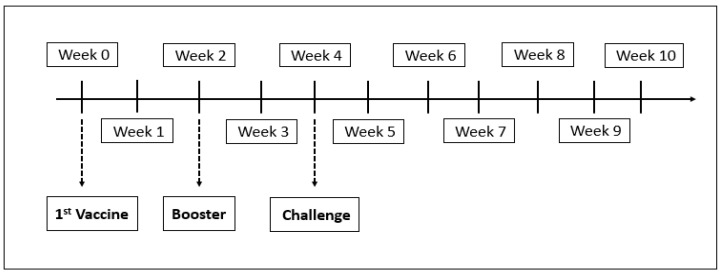
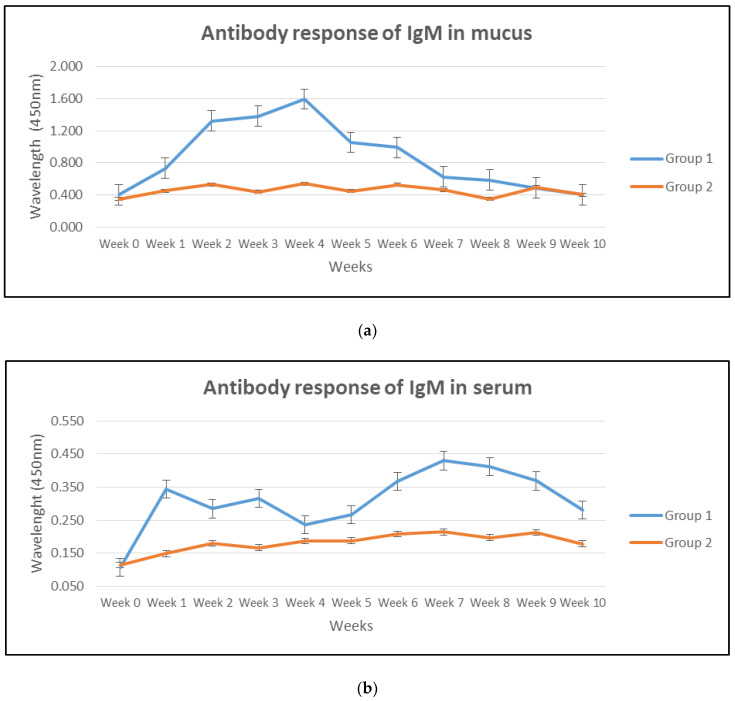
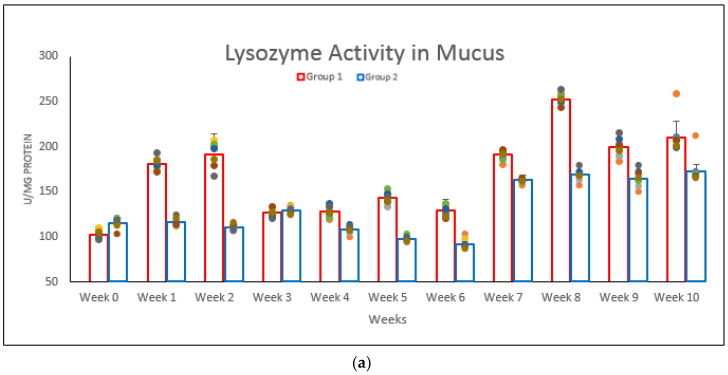
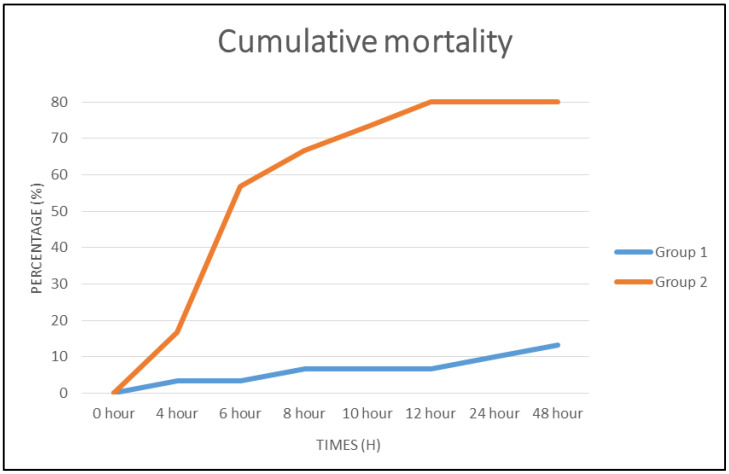
causes vibriosis in various commercial marine fish species. The infection leads to significant economic losses for aquaculture farms, and vaccination is an alternative approach for the prevention and control of fish diseases for aquaculture sustainability. This study describes the use of formalin-killed (FKVh) strain Vh1 as a vaccine candidate to stimulate innate and adaptive immunities against vibriosis in a marine red hybrid tilapia model. Tilapia are fast growing; cheap; resistant to diseases; and tolerant to adverse environmental conditions of fresh water, brackish water, and marine water and because of these advantages, marine red hybrid tilapia is a suitable candidate as a model to study fish diseases and vaccinations against vibriosis. A total of 180 healthy red hybrid tilapias were gradually adapted to the marine environment before being divided into two groups, with 90 fish in each group and were kept in triplicate with 30 fish per tank. Group 1 was vaccinated intraperitoneally with 100 µL of FKVh on week 0, and a booster dose was similarly administered on week 2. Group 2 was similarly injected with PBS. Skin mucus, serum, and gut lavage were collected weekly for enzyme-linked immunosorbent assay (ELISA) and a lysozyme activity assay from a total of 30 fish of each group. On week 4, the remaining 60 fish of Groups 1 and 2 were challenged with 10 cfu/fish of live . The clinical signs were monitored while the survival rate was recorded for 48 h post-challenge. Vaccination with FKVh resulted in a significantly ( < 0.05) higher rate of survival (87%) compared to the control (20%). The IgM antibody titer and lysozyme activities of Group 1 were significantly ( < 0.05) higher than the unvaccinated Groups 2 in most weeks throughout the experiment. Therefore, the intraperitoneal exposure of marine red hybrid tilapia to killed enhanced the resistance and antibody response of the fish against vibriosis.
可导致多种商业海洋鱼类患上弧菌病。这种感染给水产养殖场造成了重大经济损失,而疫苗接种是预防和控制鱼类疾病以实现水产养殖可持续发展的一种替代方法。本研究描述了使用福尔马林灭活(FKVh)菌株Vh1作为候选疫苗,以刺激海洋红杂交罗非鱼模型针对弧菌病的先天免疫和适应性免疫。罗非鱼生长迅速、价格便宜、抗病且耐受淡水、咸水和海水的不利环境条件,由于这些优势,海洋红杂交罗非鱼是研究鱼类疾病和弧菌病疫苗接种的合适候选模型。总共180条健康的红杂交罗非鱼在适应海洋环境后被分成两组,每组90条鱼,每箱30条鱼,一式三份饲养。第1组在第0周腹腔注射100μL FKVh,在第2周同样给予加强剂量。第2组同样注射PBS。每周从每组总共30条鱼中收集皮肤黏液、血清和肠道灌洗液,用于酶联免疫吸附测定(ELISA)和溶菌酶活性测定。在第4周,第1组和第2组剩余的60条鱼用10 cfu/鱼的活……进行攻毒。监测临床症状,同时记录攻毒后48小时的存活率。与对照组(20%)相比,用FKVh疫苗接种导致的存活率显著(<0.05)更高(87%)。在整个实验的大多数周中,第1组的IgM抗体滴度和溶菌酶活性显著(<0.05)高于未接种疫苗的第2组。因此,海洋红杂交罗非鱼腹腔暴露于灭活的……可增强鱼类对弧菌病的抵抗力和抗体反应。 (注:原文中部分内容缺失,已按原样翻译)