Tonry Claire, Finn Stephen, Armstrong John, Pennington Stephen R
UCD Conway Institute, University College Dublin, Dublin, Ireland.
Department of Histopathology and Morbid Anatomy, Trinity Translational Medicine Institute, Trinity College Dublin, Dublin 8, Ireland.
Clin Proteomics. 2020 Nov 20;17(1):41. doi: 10.1186/s12014-020-09305-7.
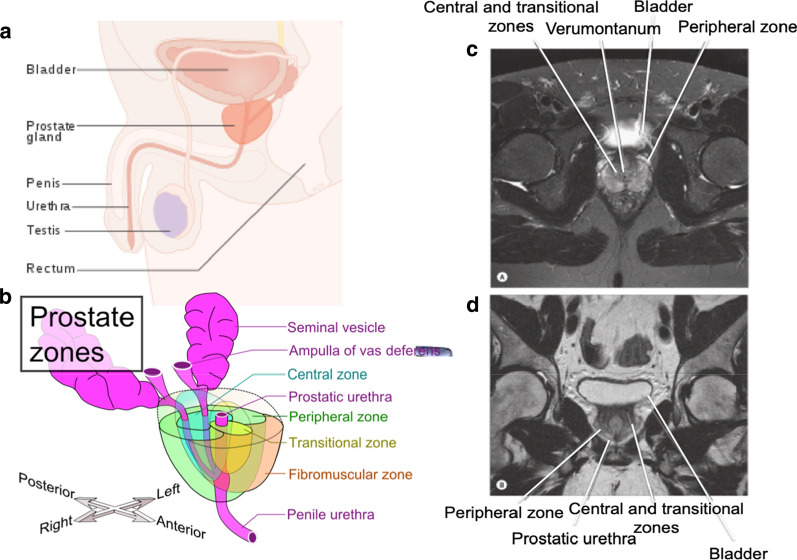
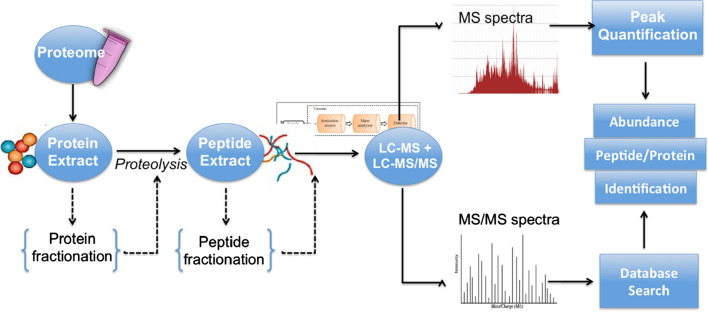
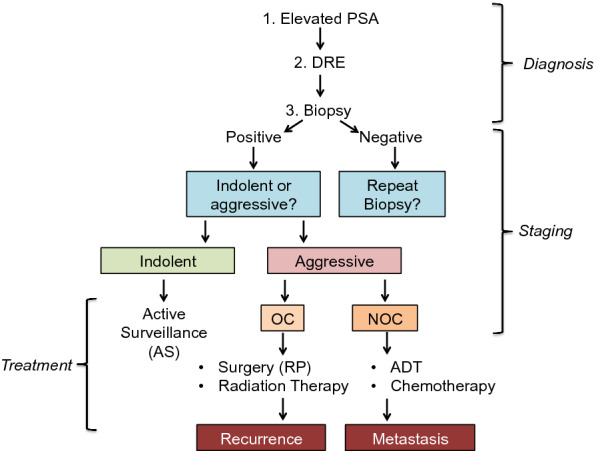
Following the introduction of routine Prostate Specific Antigen (PSA) screening in the early 1990's, Prostate Cancer (PCa) is often detected at an early stage. There are also a growing number of treatment options available and so the associated mortality rate is generally low. However, PCa is an extremely complex and heterogenous disease and many patients suffer disease recurrence following initial therapy. Disease recurrence commonly results in metastasis and metastatic PCa has an average survival rate of just 3-5 years. A significant problem in the clinical management of PCa is being able to differentiate between patients who will respond to standard therapies and those who may benefit from more aggressive intervention at an earlier stage. It is also acknowledged that for many men the disease is not life threatenting. Hence, there is a growing desire to identify patients who can be spared the significant side effects associated with PCa treatment until such time (if ever) their disease progresses to the point where treatment is required. To these important clinical needs, current biomarkers and clinical methods for patient stratification and personlised treatment are insufficient. This review provides a comprehensive overview of the complexities of PCa pathology and disease management. In this context it is possible to review current biomarkers and proteomic technologies that will support development of biomarker-driven decision tools to meet current important clinical needs. With such an in-depth understanding of disease pathology, the development of novel clinical biomarkers can proceed in an efficient and effective manner, such that they have a better chance of improving patient outcomes.
自20世纪90年代初引入常规前列腺特异性抗原(PSA)筛查以来,前列腺癌(PCa)常常在早期被检测出来。同时,可供选择的治疗方案也越来越多,因此相关死亡率总体较低。然而,PCa是一种极其复杂且异质性的疾病,许多患者在初始治疗后会出现疾病复发。疾病复发通常会导致转移,转移性PCa的平均生存率仅为3至5年。PCa临床管理中的一个重大问题是,如何区分那些对标准疗法有反应的患者和那些可能在更早阶段从更积极的干预中获益的患者。人们也认识到,对许多男性来说,这种疾病并不危及生命。因此,越来越多的人希望识别出那些可以避免PCa治疗相关严重副作用的患者,直到他们的疾病发展到需要治疗的程度(如果有那么一天的话)。对于这些重要的临床需求,目前用于患者分层和个性化治疗的生物标志物和临床方法并不充分。本综述全面概述了PCa病理学和疾病管理的复杂性。在此背景下,可以回顾当前的生物标志物和蛋白质组学技术,这些技术将支持开发由生物标志物驱动的决策工具,以满足当前重要的临床需求。有了对疾病病理学的如此深入理解,新型临床生物标志物的开发就能高效且有效地进行,从而更有机会改善患者的治疗结果。