Zhou Shuduo, Han Lu, Liu Peilong, Zheng Zhi-Jie
Department of Global Health, School of Public Health, Peking University, 38 Xueyuan Road, Haidian District, Beijing 100191, China.
Institute for Global Health, Peking University, 38 Xueyuan Road, Haidian District, Beijing 100191, China.
Glob Health J. 2020 Dec;4(4):133-138. doi: 10.1016/j.glohj.2020.11.006. Epub 2020 Dec 2.
The outbreak and global pandemic of coronavirus disease 2019 (COVID-19) attracts a great deal of attentions to the problem of travel health. Cruise tourism is increasingly popular, with an estimated 30 million passengers transported on cruise ships worldwide each year. Safeguarding the health of cruise travelers during the entire travel is of ultimate importance for both the industry and global public health.
This study aimed to explore the challenges and opportunities in travel health from the perspective of global health governance.
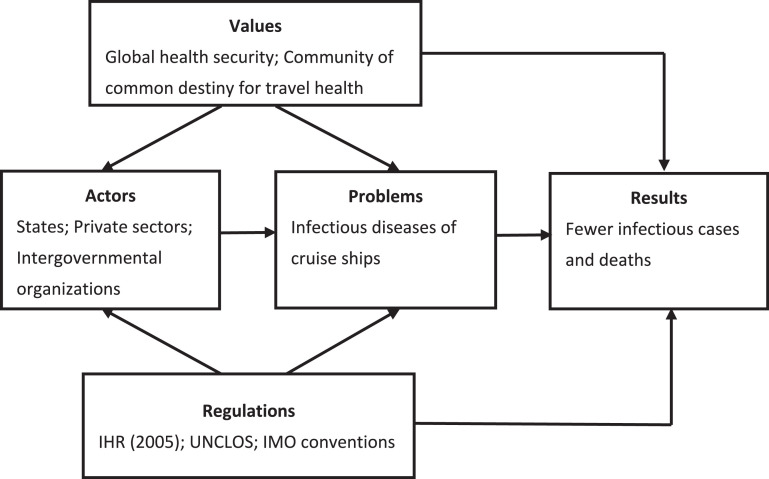
The global governance framework including problems, values, tools or regulations, and actors related to travel health were used to analyze the issues involved.
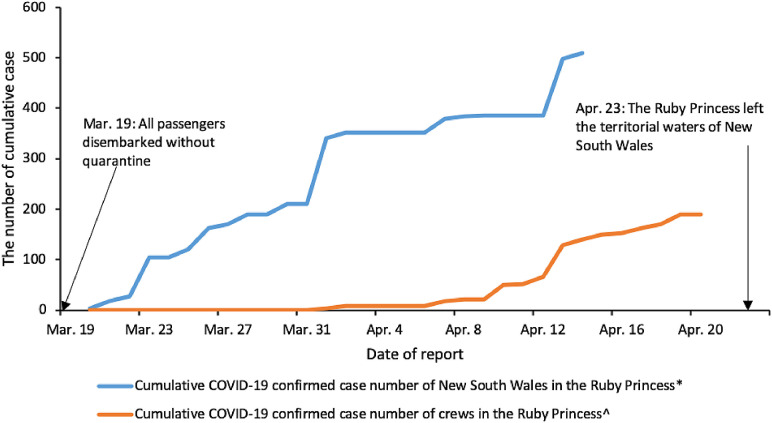
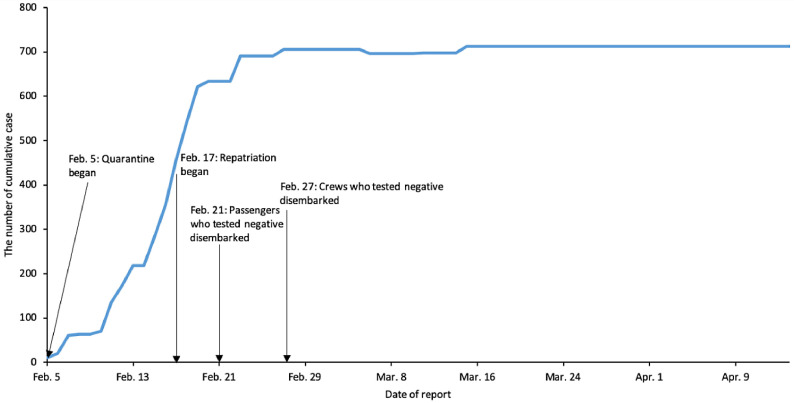
Up to April 2020, nearly thirty cruise ship voyages reported COVID-19 cases. The Diamond Princess, Grand Princess and Ruby Princess cruise ship had over 1,400 total reported COVID-19 cases, and more than 30 deaths. A community with a common future in travel health is the core value of global health governance for travel health. The travel-related international regulations, including the (IHR [2005]), (UNCLOS) and the International Maritime Organization (IMO) conventions should be further updated to deal with the travel health problems. The roles and responsibilities and the cooperation mechanisms of different actors are not clear in relation to the public health emergencies during the travel.
Travel health transcends national borders and involves multilevel actors, thus needs global cooperation and governance. Regulations and legislation at global and country level are required to prevent large-scale humanitarian crisis on travel health. Multilateral coordination, cooperation and collaboration mechanisms between governments, intergovernmental organizations, non-governmental organizations and industry are needed to build a better community of common destiny for travel health.
2019年冠状病毒病(COVID-19)的爆发及全球大流行引发了人们对旅行健康问题的高度关注。邮轮旅游日益普及,据估计每年全球有3000万乘客乘坐邮轮出行。在整个旅行过程中保障邮轮旅行者的健康对该行业和全球公共卫生都至关重要。
本研究旨在从全球卫生治理的角度探讨旅行健康面临的挑战与机遇。
运用包括旅行健康相关问题、价值观、工具或法规以及行为主体在内的全球治理框架来分析所涉及的问题。
截至2020年4月,近30次邮轮航行报告了COVID-19病例。“钻石公主号”“至尊公主号”和“红宝石公主号”邮轮报告的COVID-19病例总数超过1400例,死亡人数超过30人。构建旅行健康命运共同体是全球旅行健康治理的核心价值。包括《国际卫生条例(2005)》、《联合国海洋法公约》(UNCLOS)和国际海事组织(IMO)各项公约在内的与旅行相关的国际法规应进一步更新以应对旅行健康问题。在旅行期间发生公共卫生紧急事件时,不同行为主体的角色和责任以及合作机制尚不明确。
旅行健康超越国界,涉及多层次行为主体,因此需要全球合作与治理。需要全球和国家层面的法规和立法来预防旅行健康方面的大规模人道主义危机。政府、政府间组织、非政府组织和行业之间需要多边协调、合作与协作机制,以构建更美好的旅行健康命运共同体。