Medway School of Pharmacy, Universities of Kent and Greenwich, Chatham Maritime, United Kingdom.
Department of Oncology, Hematology and Bone Marrow Transplantation with Section Pneumology, Hubertus Wald University Cancer Center, University Medical Center Hamburg-Eppendorf, Hamburg, Germany.
Aging (Albany NY). 2020 Dec 8;12(23):23478-23496. doi: 10.18632/aging.202343.
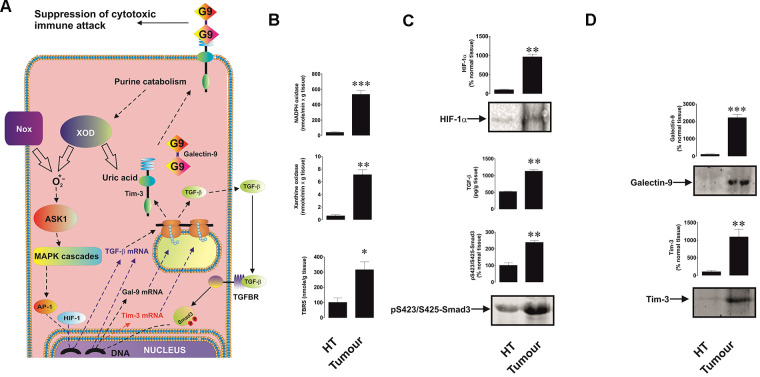
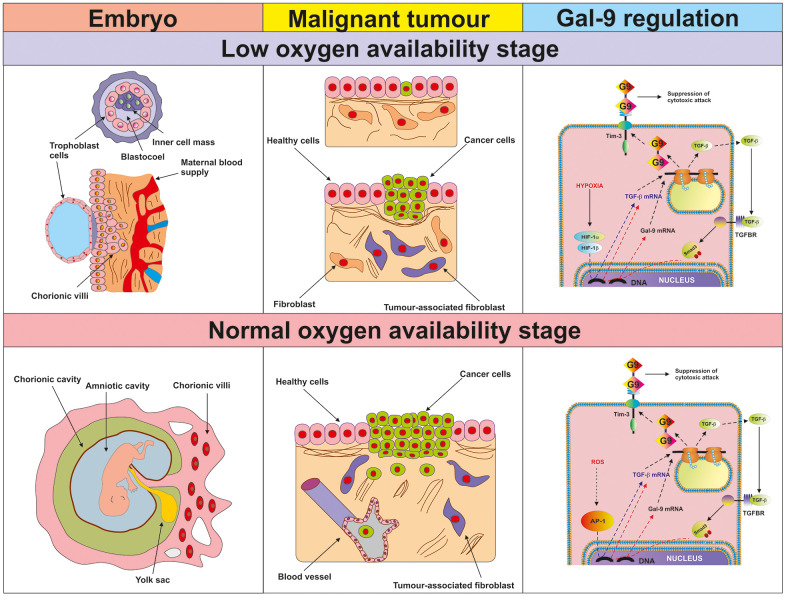
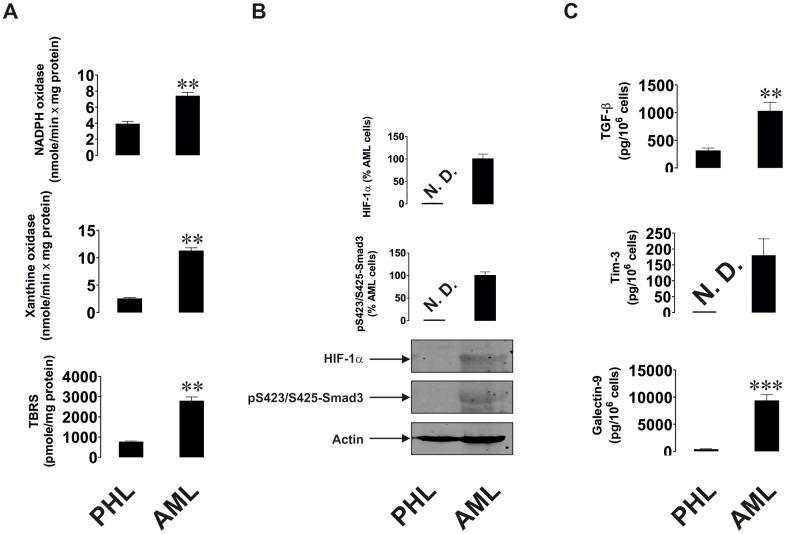
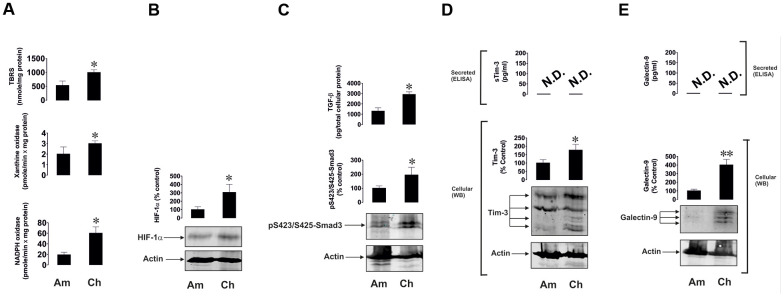
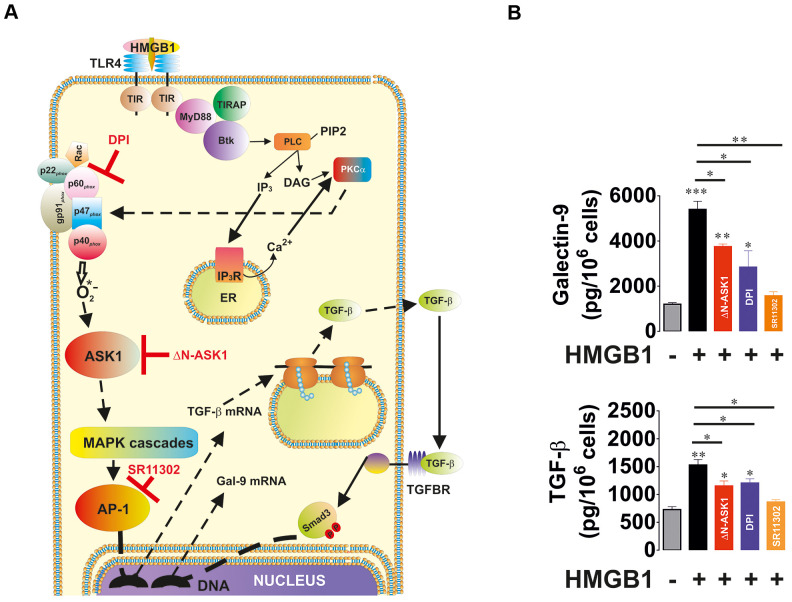
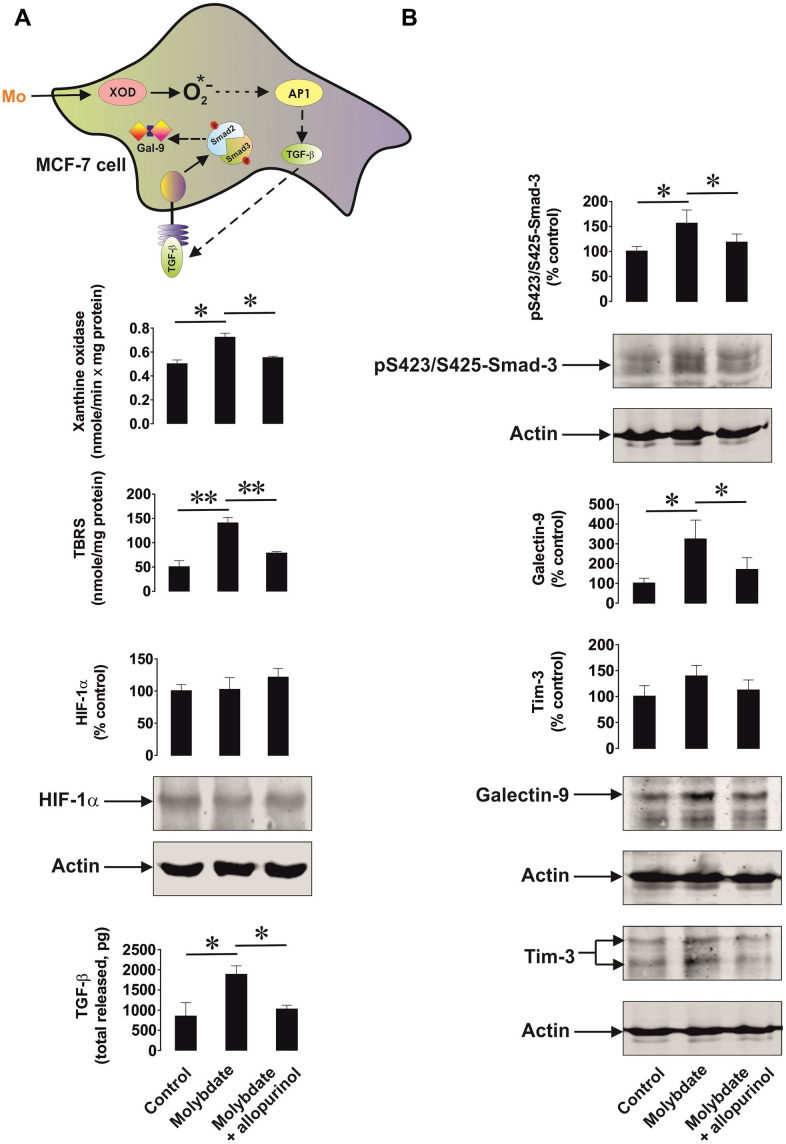
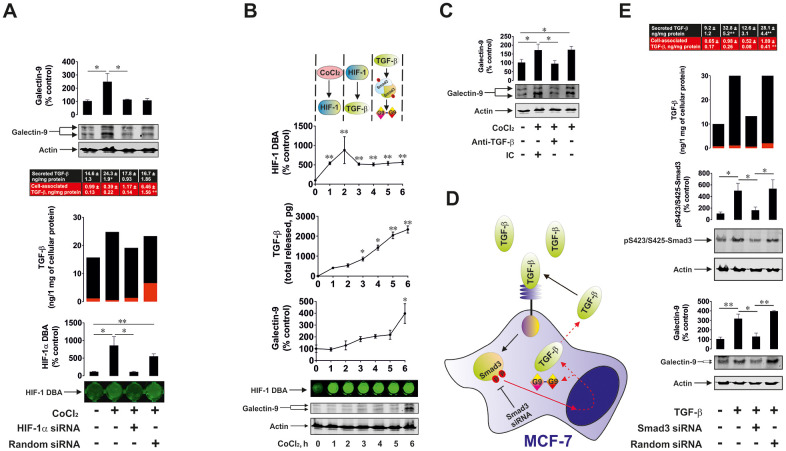
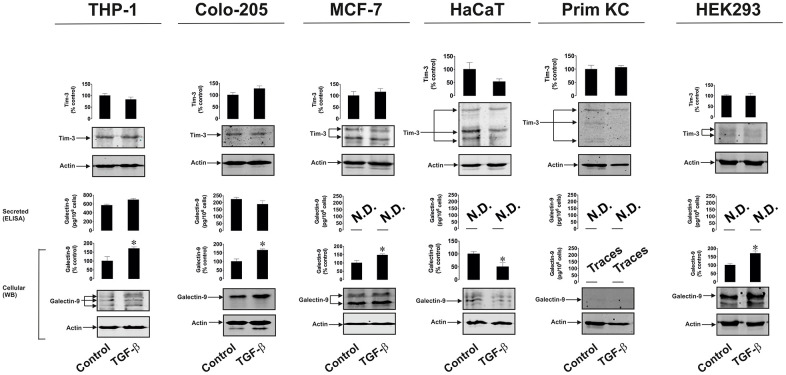
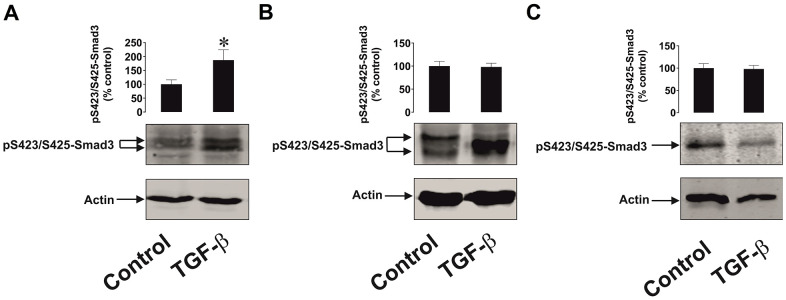
Galectin-9 is one of the key proteins employed by a variety of human malignancies to suppress anti-cancer activities of cytotoxic lymphoid cells and thus escape immune surveillance. Human cancer cells in most cases express higher levels of galectin-9 compared to non-transformed cells. However, the biochemical mechanisms underlying this phenomenon remain unclear. Here we report for the first time that in human cancer as well as embryonic cells, the transcription factors hypoxia-inducible factor 1 (HIF-1) and activator protein 1 (AP-1) are involved in upregulation of transforming growth factor beta 1 (TGF-β1) expression, leading to activation of the transcription factor Smad3 through autocrine action. This process triggers upregulation of galectin-9 expression in both malignant (mainly in breast and colorectal cancer as well as acute myeloid leukaemia (AML)) and embryonic cells. The effect, however, was not observed in mature non-transformed human cells. TGF-β1-activated Smad3 therefore displays differential behaviour in human cancer and embryonic non-malignant cells. This study uncovered a self-supporting biochemical mechanism underlying high levels of galectin-9 expression operated by the human cancer and embryonic cells employed in our investigations. Our results suggest the possibility of using the TGF-β1 signalling pathway as a potential highly efficient target for cancer immunotherapy.
半乳糖凝集素-9 是多种人类恶性肿瘤用来抑制细胞毒性淋巴细胞的抗癌活性,从而逃避免疫监视的关键蛋白之一。与未转化细胞相比,人类癌细胞通常表达更高水平的半乳糖凝集素-9。然而,这一现象背后的生化机制尚不清楚。在这里,我们首次报道在人类癌症和胚胎细胞中,转录因子缺氧诱导因子 1(HIF-1)和激活蛋白 1(AP-1)参与转化生长因子β1(TGF-β1)表达的上调,导致转录因子 Smad3 通过自分泌作用被激活。这一过程触发了恶性细胞(主要是乳腺癌、结直肠癌和急性髓系白血病(AML))和胚胎细胞中半乳糖凝集素-9 的表达上调。然而,在成熟的非转化的人类细胞中未观察到这种效应。因此,TGF-β1 激活的 Smad3 在人类癌症和胚胎非恶性细胞中的表现出不同的行为。本研究揭示了我们研究中所使用的人类癌症和胚胎细胞中高水平半乳糖凝集素-9 表达的自我维持生化机制。我们的研究结果表明,TGF-β1 信号通路可能成为癌症免疫治疗的一个潜在的高效靶点。