Jin Lide, Huang Shengquan, Guan Congjin, Chang Shun
The First People's Hospital of Yunnan Province, The Affiliated Hospital of Kunming University of Science and Technology, No.157 Jinbi Road, Kunming, 650032, Yunnan, China.
Cancer Cell Int. 2020 Dec 9;20(1):589. doi: 10.1186/s12935-020-01649-2.
In past few years, long non-coding RNAs (lncRNAs) have been reported to play regulatory roles during cancer progression. LncRNA SNHG10 has been explored in several sorts of cancers. However, its detailed role and mechanism are still not well understood in glioma.
Expression levels of genes were evaluated by RT-qPCR. EdU, TUNEL, sphere formation, wound healing and transwell assays appraised the effect of SNHG10 on glioma cellular processes. The interaction between molecules was examined by ChIP, RIP, RNA pull down and luciferase reporter assays.
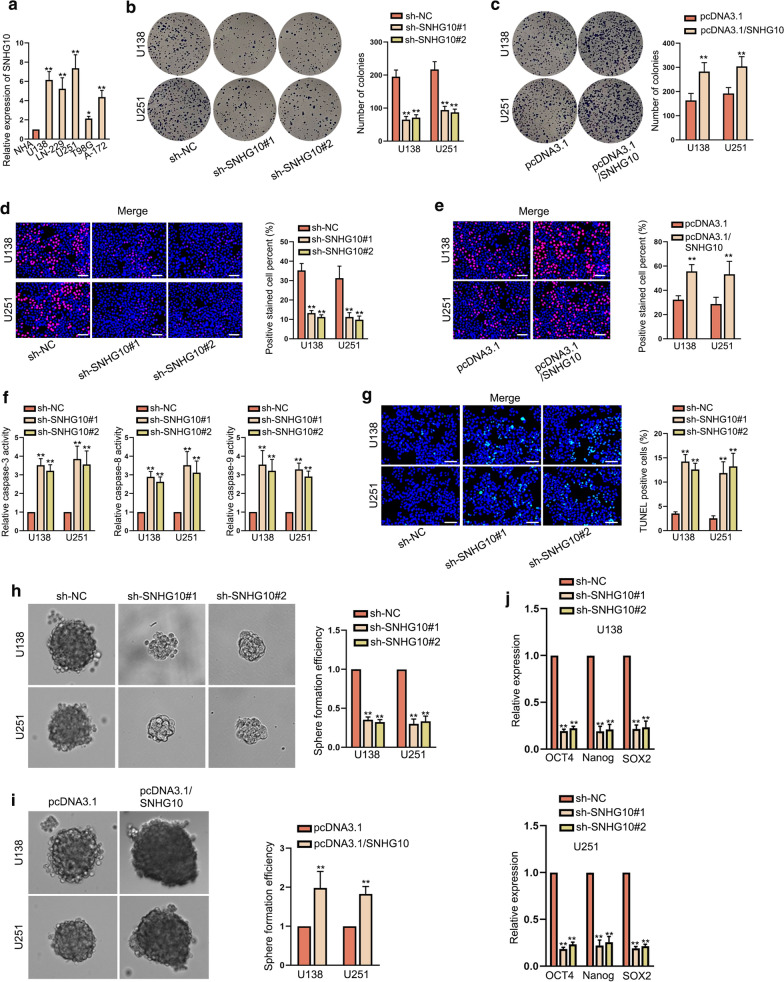
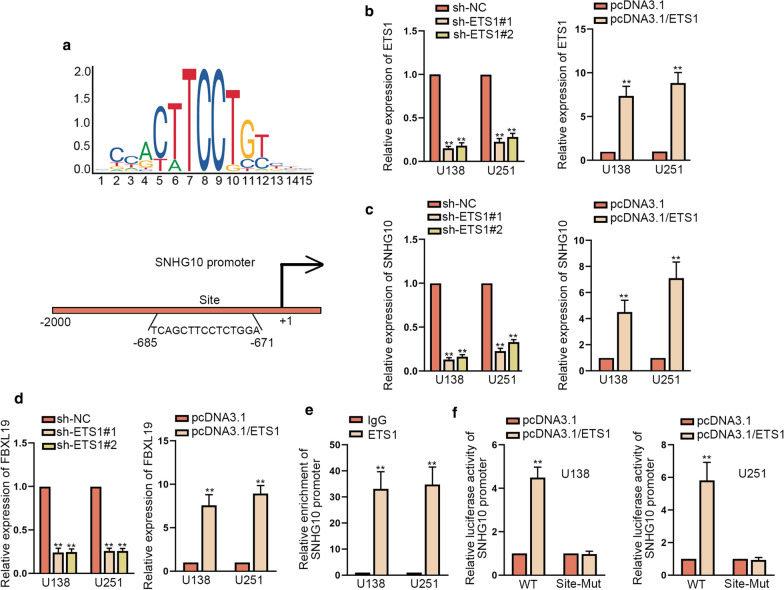
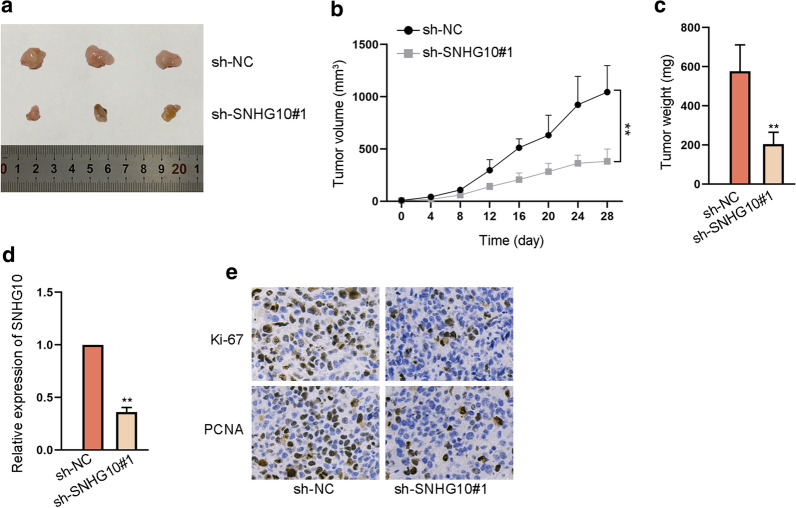
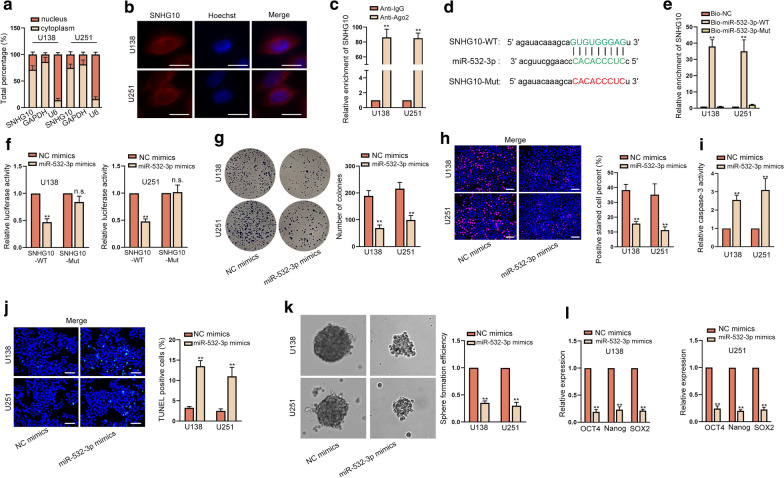
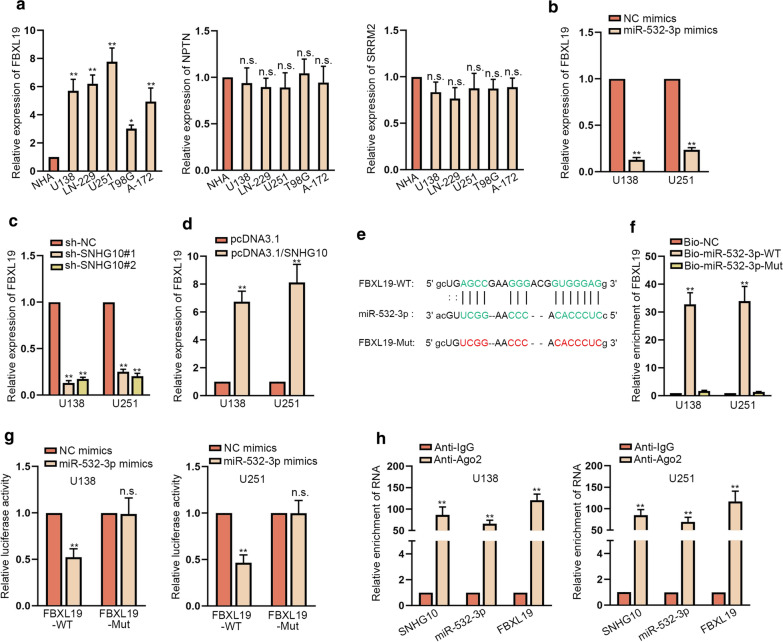
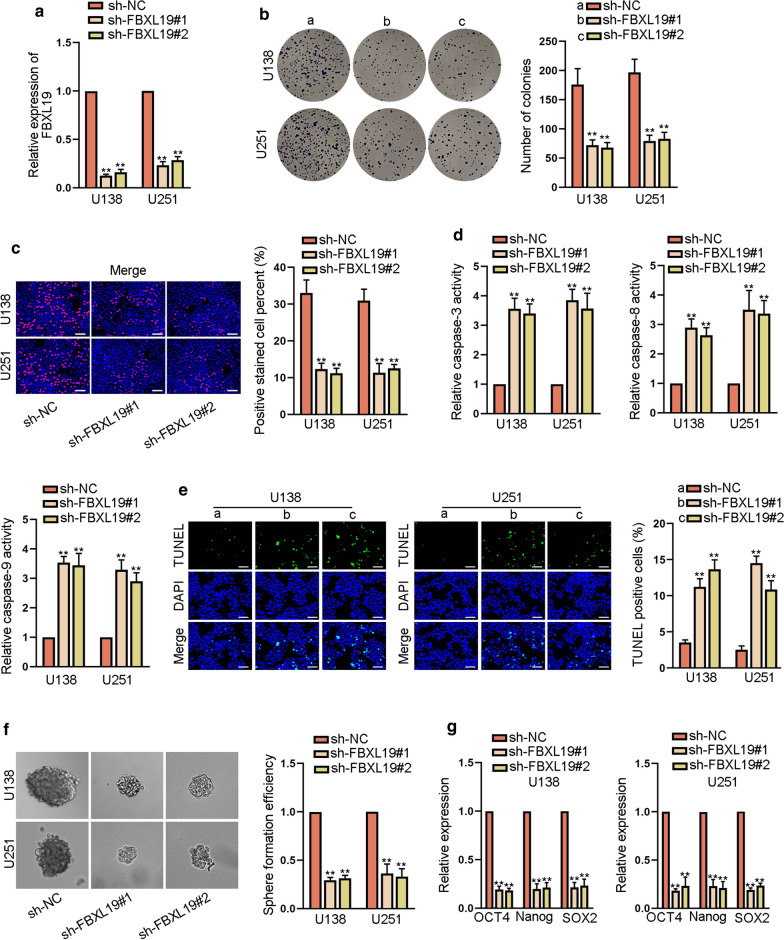
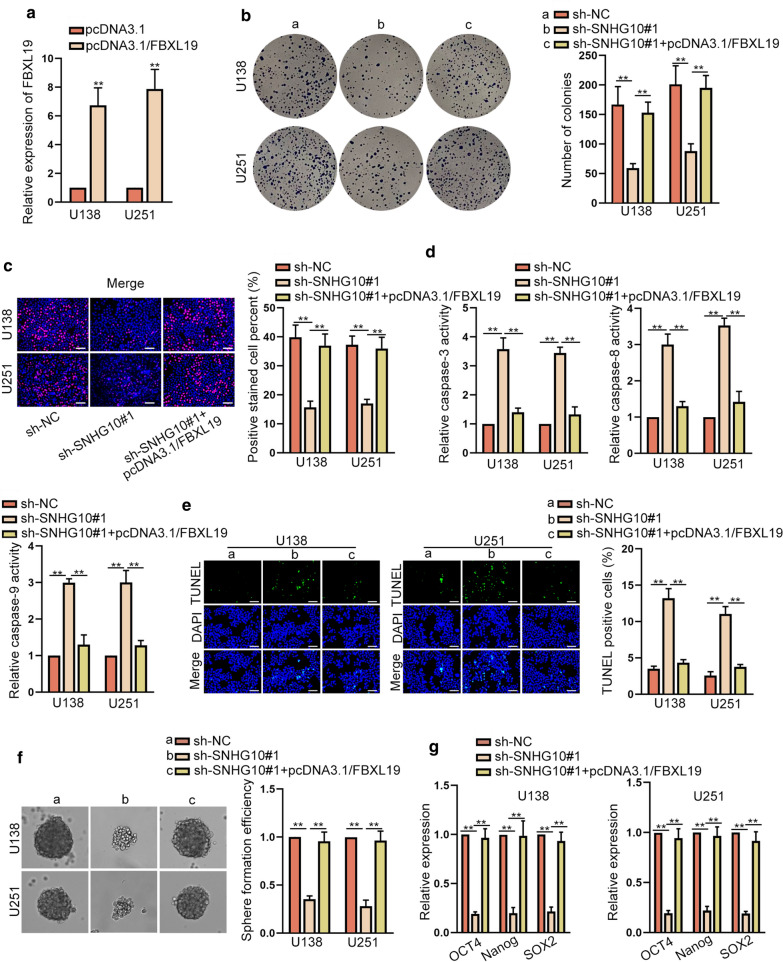
High level of SNHG10 was detected in glioma cells. Functional assay confirmed that SNHG10 promoted the proliferation, migration, invasion and stemness of glioma cells. Moreover, miR-532-3p was validated to bind with SNHG10 and expressed at a low level in glioma cells. Importantly, miR-532-3p exerted inhibitory functions in glioma. Furthermore, it was found that FBXL19 targeted by miR-532-3p facilitated cell growth and stemness in glioma, and that SNHG10 worked in glioma by increasing FBXL19 expression through sequestering miR-532-3p. More importantly, ETS1 promoted the transcription of SNHG10 and it mediated contribution to the malignant behaviors of glioma cells by SNHG10/miR-532-3p/FBXL19 signaling.
SNHG10 was transcriptionally activated by ETS1 and played an oncogenic role in glioma by sponging miR-532-3p and up-regulating FBXL19.
在过去几年中,长链非编码RNA(lncRNAs)已被报道在癌症进展过程中发挥调控作用。lncRNA SNHG10已在多种癌症中得到研究。然而,其在胶质瘤中的具体作用和机制仍不清楚。
通过RT-qPCR评估基因表达水平。EdU、TUNEL、成球、伤口愈合和Transwell实验评估SNHG10对胶质瘤细胞进程的影响。通过ChIP、RIP、RNA下拉和荧光素酶报告基因实验检测分子间的相互作用。
在胶质瘤细胞中检测到高水平的SNHG10。功能实验证实SNHG10促进胶质瘤细胞的增殖、迁移、侵袭和干性。此外,验证miR-532-3p与SNHG10结合且在胶质瘤细胞中低表达。重要的是,miR-532-3p在胶质瘤中发挥抑制作用。此外,发现miR-532-3p靶向的FBXL19促进胶质瘤细胞生长和干性,且SNHG10通过隔离miR-532-3p增加FBXL19表达从而在胶质瘤中发挥作用。更重要的是,ETS1促进SNHG10的转录,其通过SNHG10/miR-532-3p/FBXL19信号介导对胶质瘤细胞恶性行为的影响。
SNHG10被ETS1转录激活,通过吸附miR-532-3p和上调FBXL19在胶质瘤中发挥致癌作用。