Falcón Jack, Torriglia Alicia, Attia Dina, Viénot Françoise, Gronfier Claude, Behar-Cohen Francine, Martinsons Christophe, Hicks David
Laboratoire Biologie des Organismes et Ecosystèmes Aquatiques (BOREA), MNHN, CNRS FRE 2030, SU, IRD 207, UCN, UA, Paris, France.
Centre de Recherche des Cordeliers, INSERM U 1138, Ophtalmopole Hôpital Cochin, Assistance Publique - Hôpitaux de Paris, Université de Paris - SU, Paris, France.
Front Neurosci. 2020 Nov 16;14:602796. doi: 10.3389/fnins.2020.602796. eCollection 2020.
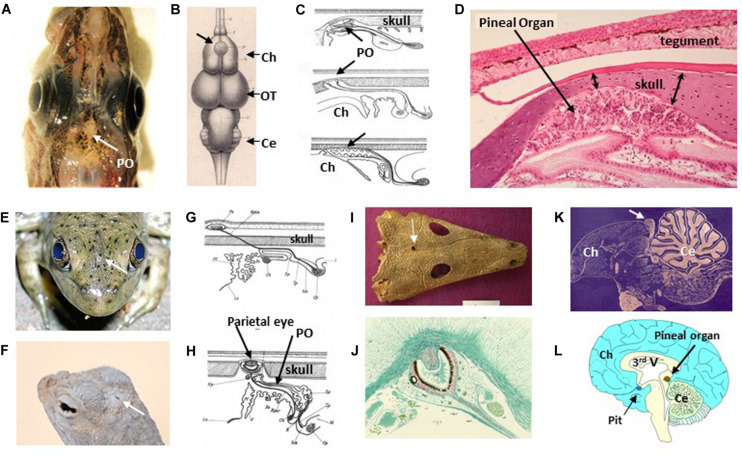
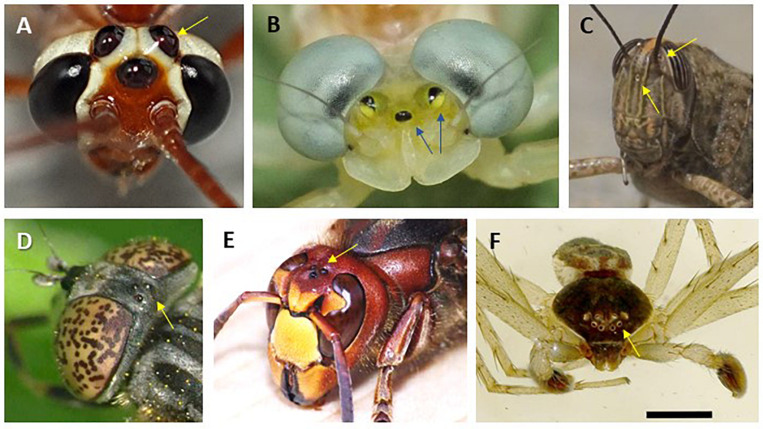
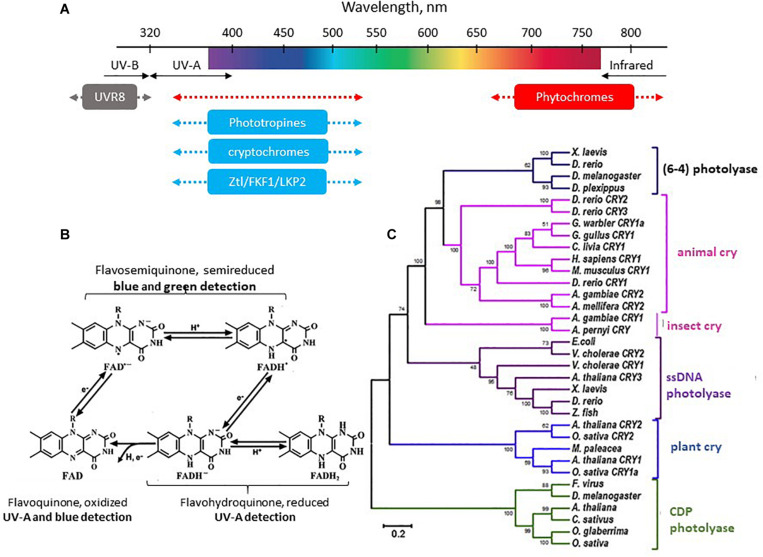
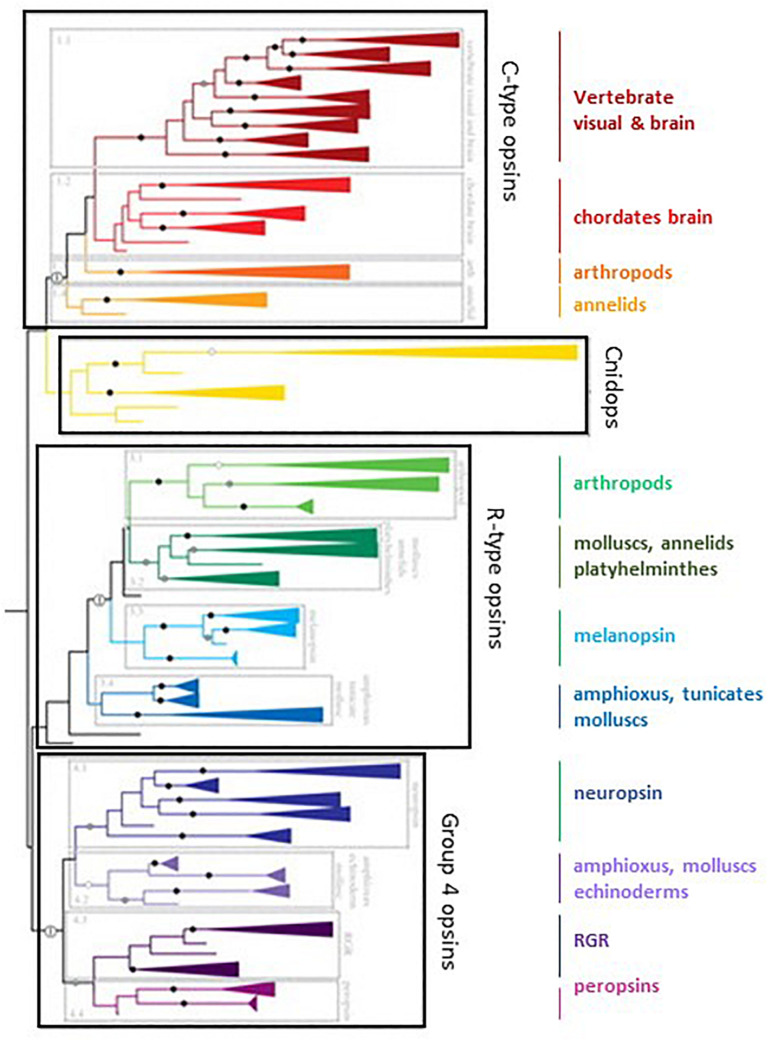
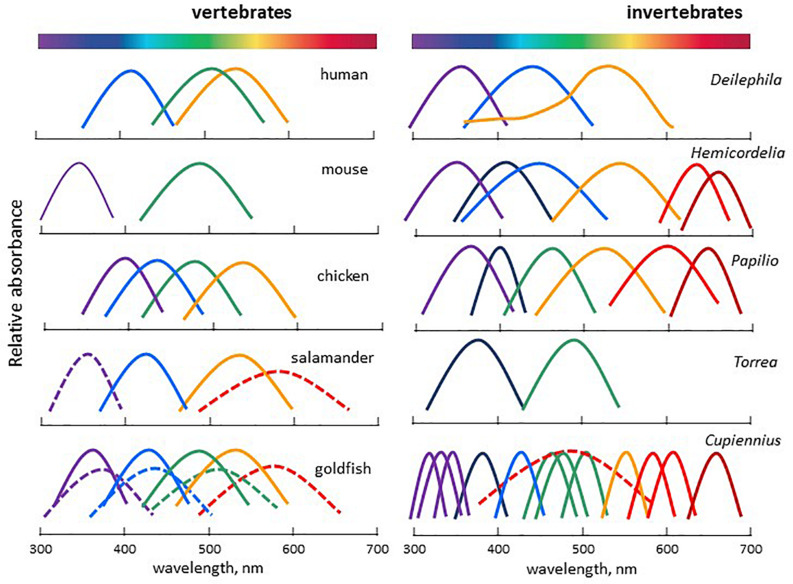
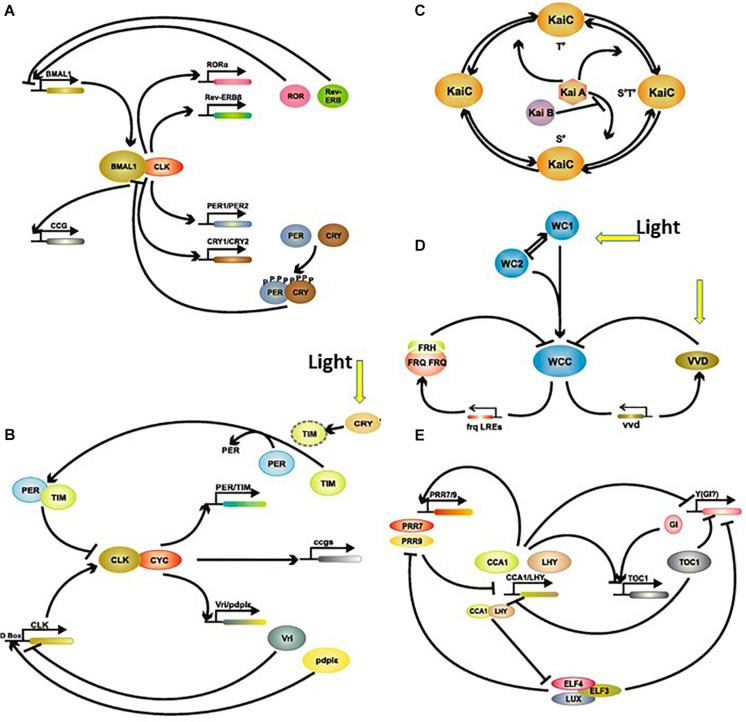
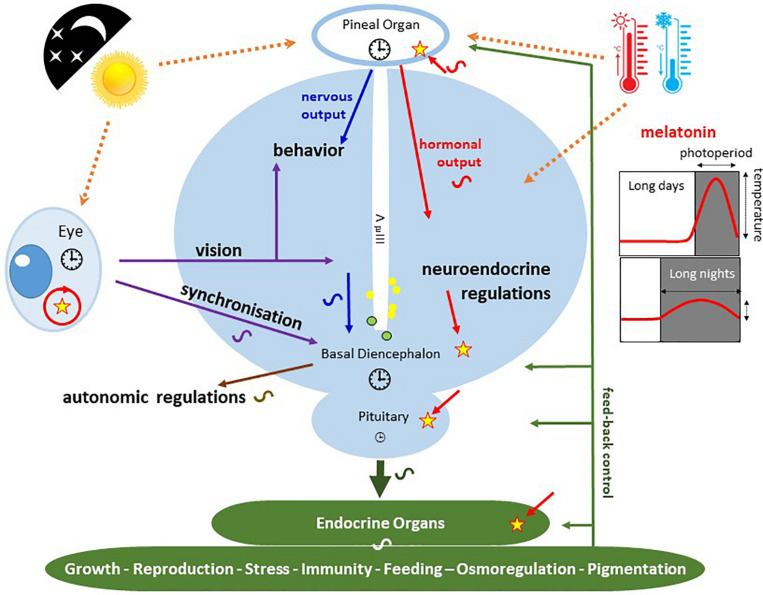
The present review draws together wide-ranging studies performed over the last decades that catalogue the effects of artificial-light-at-night (ALAN) upon living species and their environment. We provide an overview of the tremendous variety of light-detection strategies which have evolved in living organisms - unicellular, plants and animals, covering chloroplasts (plants), and the plethora of ocular and extra-ocular organs (animals). We describe the visual pigments which permit photo-detection, paying attention to their spectral characteristics, which extend from the ultraviolet into infrared. We discuss how organisms use light information in a way crucial for their development, growth and survival: phototropism, phototaxis, photoperiodism, and synchronization of circadian clocks. These aspects are treated in depth, as their perturbation underlies much of the disruptive effects of ALAN. The review goes into detail on circadian networks in living organisms, since these fundamental features are of critical importance in regulating the interface between environment and body. Especially, hormonal synthesis and secretion are often under circadian and circannual control, hence perturbation of the clock will lead to hormonal imbalance. The review addresses how the ubiquitous introduction of light-emitting diode technology may exacerbate, or in some cases reduce, the generalized ever-increasing light pollution. Numerous examples are given of how widespread exposure to ALAN is perturbing many aspects of plant and animal behaviour and survival: foraging, orientation, migration, seasonal reproduction, colonization and more. We examine the potential problems at the level of individual species and populations and extend the debate to the consequences for ecosystems. We stress, through a few examples, the synergistic harmful effects resulting from the impacts of ALAN combined with other anthropogenic pressures, which often impact the neuroendocrine loops in vertebrates. The article concludes by debating how these anthropogenic changes could be mitigated by more reasonable use of available technology - for example by restricting illumination to more essential areas and hours, directing lighting to avoid wasteful radiation and selecting spectral emissions, to reduce impact on circadian clocks. We end by discussing how society should take into account the potentially major consequences that ALAN has on the natural world and the repercussions for ongoing human health and welfare.
本综述汇集了过去几十年进行的广泛研究,这些研究记录了夜间人造光(ALAN)对生物物种及其环境的影响。我们概述了在生物体内——单细胞生物、植物和动物,包括叶绿体(植物)以及大量眼内和眼外器官(动物)中进化出的种类繁多的光检测策略。我们描述了允许光检测的视觉色素,关注它们从紫外线到红外线的光谱特征。我们讨论了生物体如何以对其发育、生长和生存至关重要的方式利用光信息:向光性、趋光性、光周期现象以及生物钟的同步。这些方面将进行深入探讨,因为它们的紊乱是ALAN许多破坏作用的基础。本综述详细阐述了生物体内的昼夜节律网络,因为这些基本特征对于调节环境与身体之间的界面至关重要。特别是,激素的合成和分泌通常受昼夜节律和年节律控制,因此生物钟的紊乱将导致激素失衡。本综述探讨了发光二极管技术的广泛应用如何可能加剧,或在某些情况下减少普遍日益增加的光污染。文中给出了大量例子,说明广泛暴露于ALAN如何扰乱动植物行为和生存的许多方面:觅食、定向、迁徙、季节性繁殖、定殖等等。我们研究了个体物种和种群层面的潜在问题,并将讨论扩展到对生态系统的影响。我们通过几个例子强调了ALAN的影响与其他人为压力相结合所产生的协同有害影响,这些压力往往会影响脊椎动物的神经内分泌循环。文章最后讨论了如何通过更合理地使用现有技术来减轻这些人为变化——例如将照明限制在更必要的区域和时间,引导照明以避免浪费性辐射并选择光谱发射,以减少对生物钟的影响。我们最后讨论了社会应如何考虑ALAN对自然世界可能产生的重大后果以及对人类当前健康和福祉的影响。