Department of Physical Examination Center, China-Japan Union Hospital of Jilin University, Changchun, China.
Department of Breast Surgery, China-Japan Union Hospital of Jilin University, Changchun, China.
Drug Deliv. 2020 Nov 28;27(1):1704-1717. doi: 10.1080/10717544.2020.1856221.
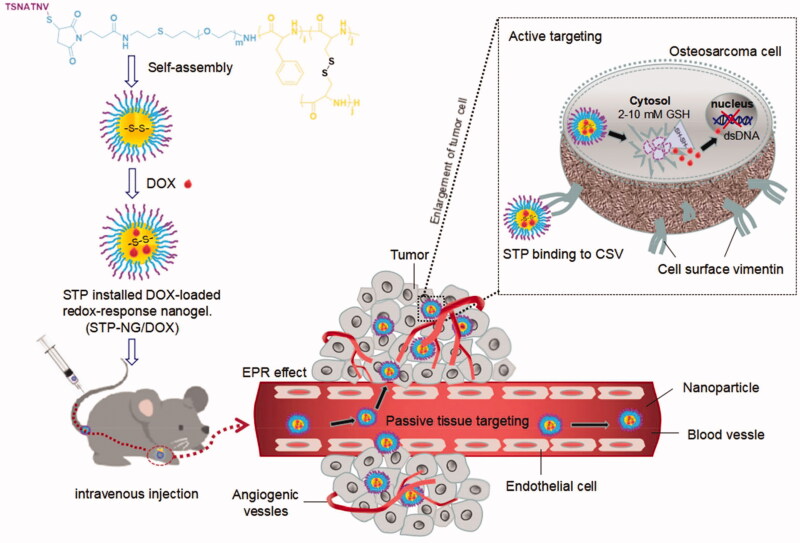
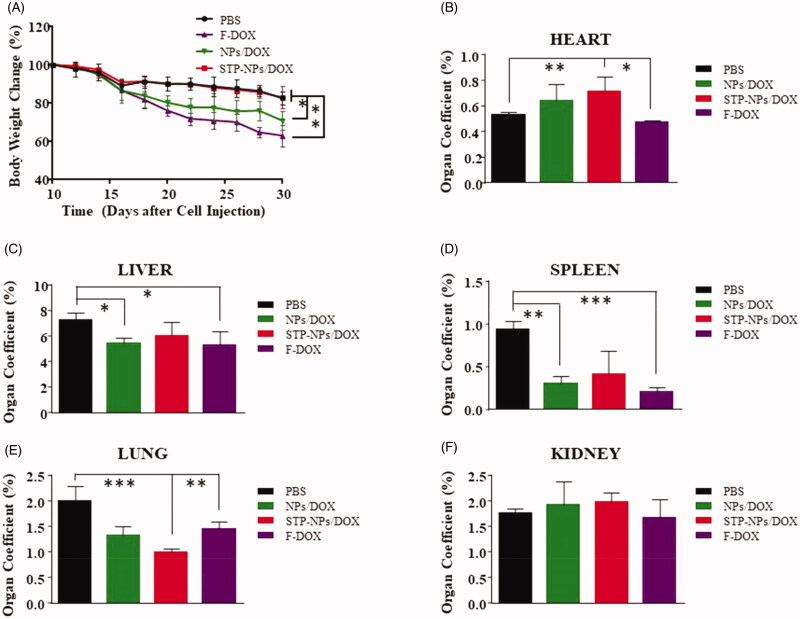
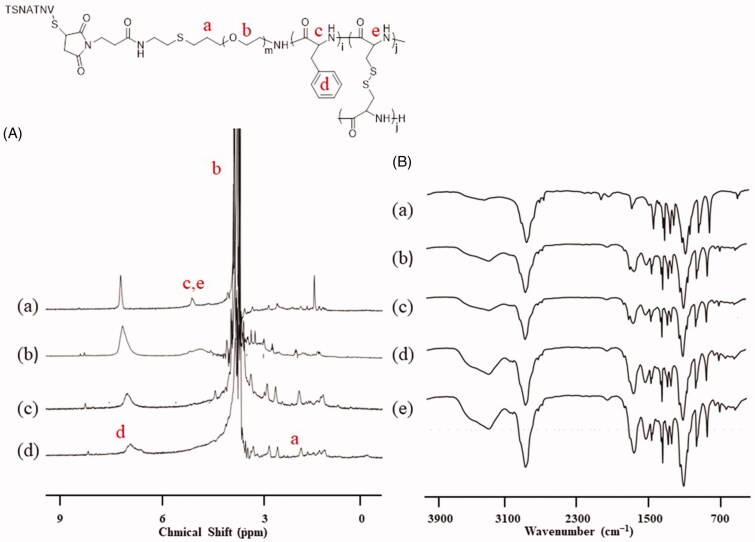
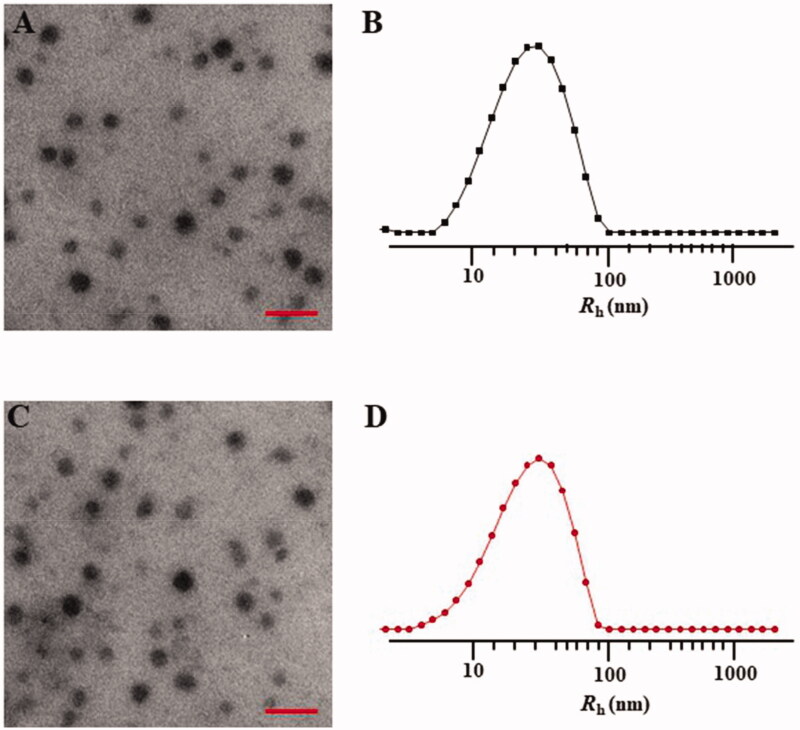
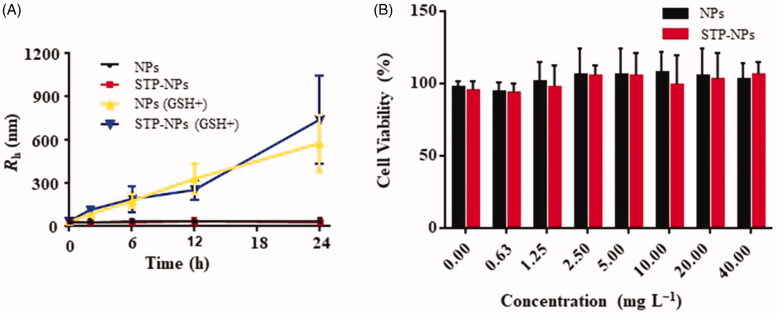
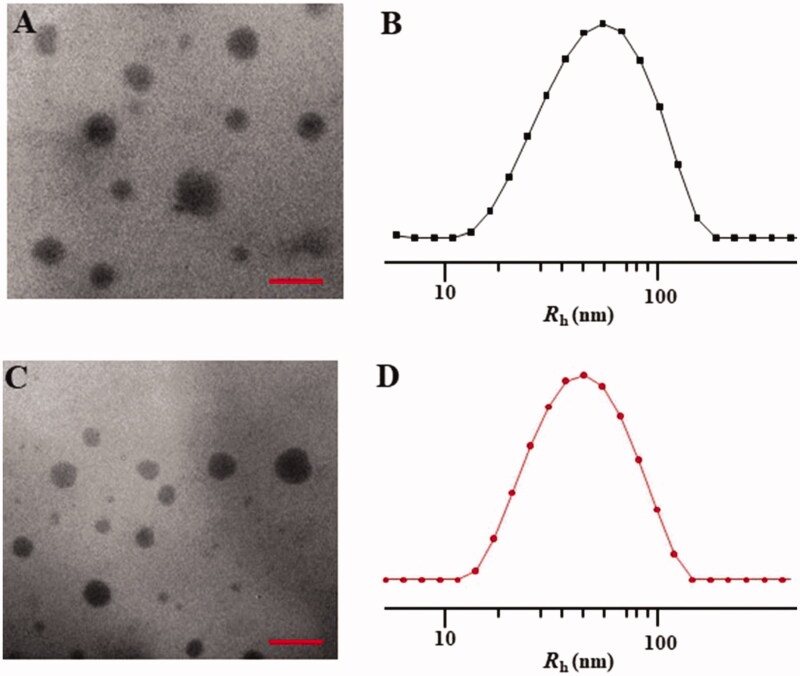
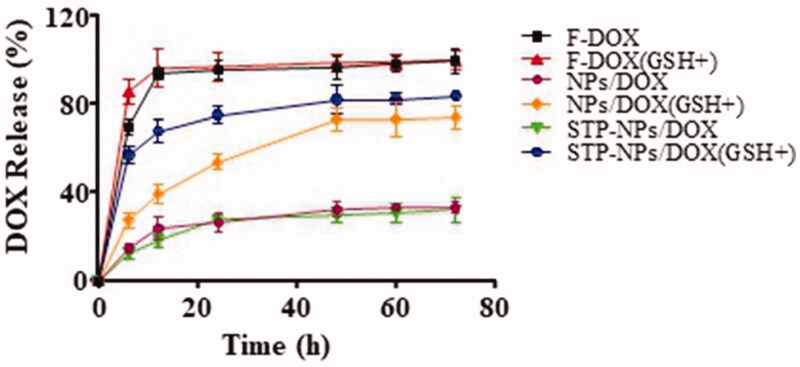
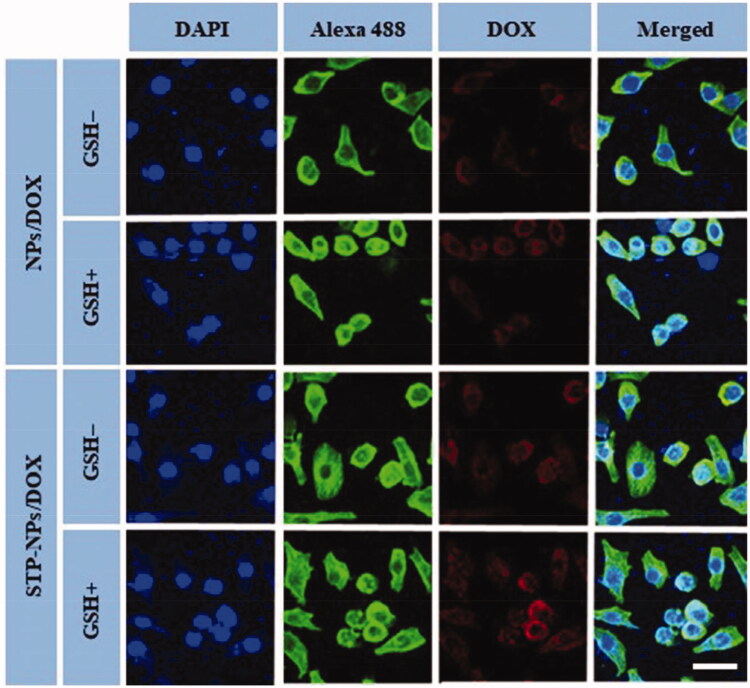
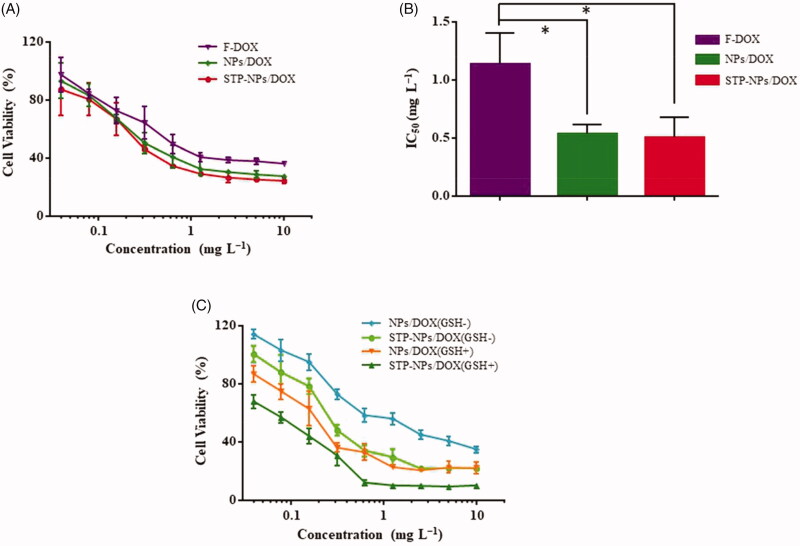
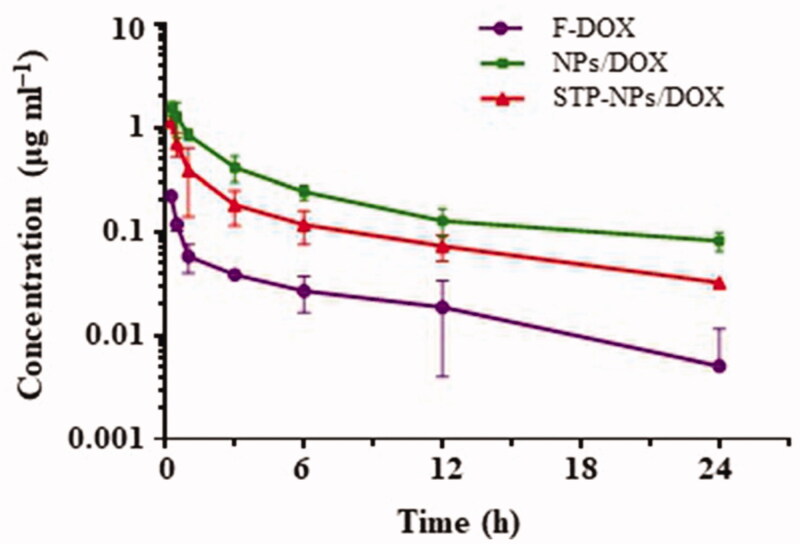
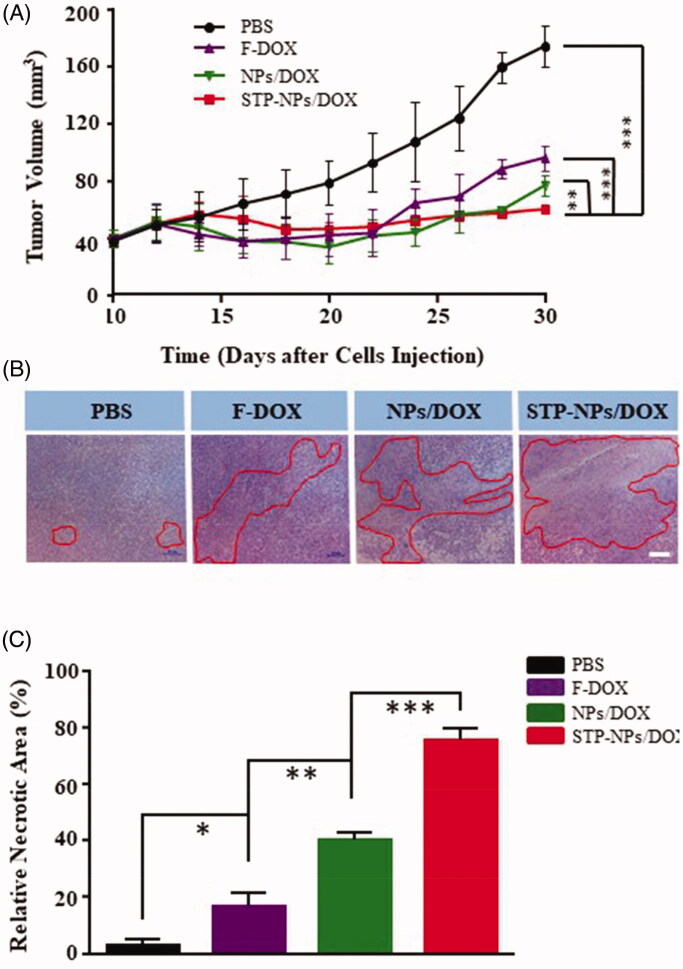
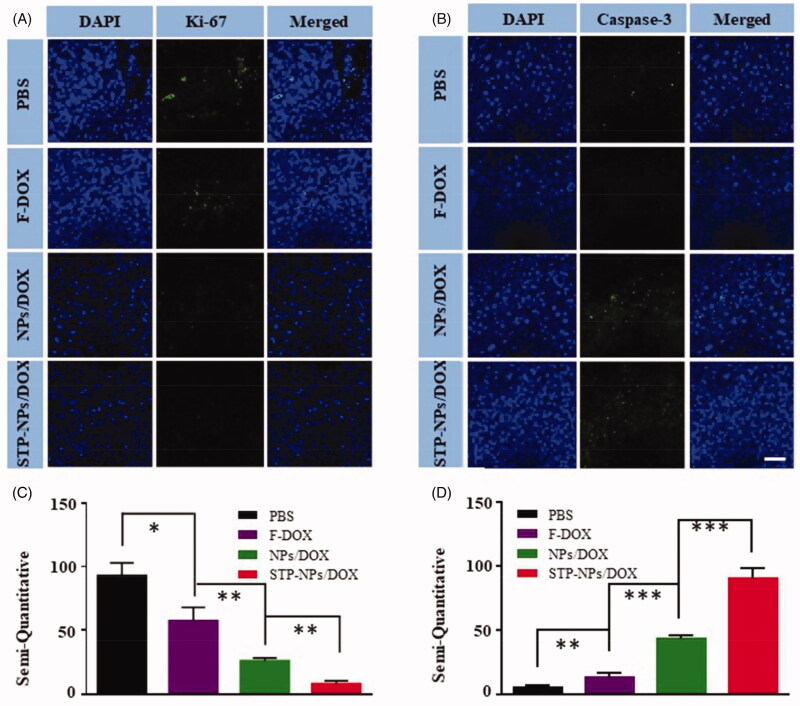
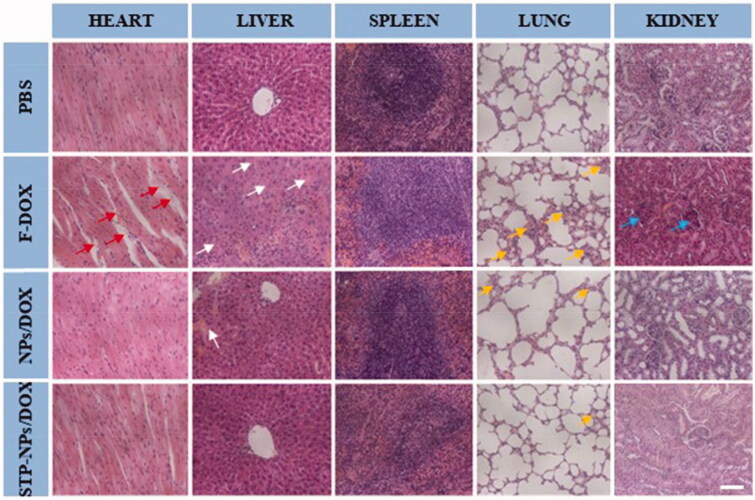
Osteosarcoma is the most common primary malignant bone tumor in childhood and adolescence. Currently, surgery combined with chemotherapy is the main treatment for osteosarcoma. However, the long-term survival of patients with metastatic osteosarcoma is unsatisfactory. Therefore, new treatment methods to improve the prognosis of patients with osteosarcoma are required. The present study aimed to develop nanocarriers with both tumor targeting and reduction responsiveness abilities, and to improve the therapeutic effect and reduce toxicity by loading traditional small molecule antitumor drugs. The tumor targeting peptide-decorated, doxorubicin (DOX)-loaded mPEG-P(Phe-co-Cys) nanoparticles were developed successfully through the ring-opening polymerization of amino acids. The peptide VATANST (STP) can specifically bind with vimentin, which is highly expressed on the osteosarcoma cell surface, resulting in tumor targeting effects. The nanoparticle is core-shell structured to protect the loaded DOX during blood flow. The disulfide bonds within the nanoparticles are sensitive to the osteosarcoma microenvironment, which has high glutathione (GSH) levels. Under the enhanced permeability and retention and active tumor targeting effects, the STP-decorated DOX-loaded nanoparticles accumulated in tumor tissues. High GSH levels can rupture disulfide bonds, resulting in the controlled release of DOX, which will cause necrosis of tumor cells. The characteristics of the synthesized nanoparticles, DOX release profiles and , cytotoxicity analysis, animal study, and safety evaluation were performed. The nanoparticles could increase the tumor inhibition efficiency against osteosarcoma and reduce the side effects of DOX to major organs. The STP-decorated mPEG-P(Phe-co-Cys) nanoparticles might be a suitable drug delivery system for DOX to treat osteosarcoma.
骨肉瘤是儿童和青少年中最常见的原发性恶性骨肿瘤。目前,手术联合化疗是骨肉瘤的主要治疗方法。然而,转移性骨肉瘤患者的长期生存率并不理想。因此,需要新的治疗方法来改善骨肉瘤患者的预后。本研究旨在开发具有肿瘤靶向和还原响应能力的纳米载体,并通过装载传统小分子抗肿瘤药物来提高治疗效果和降低毒性。通过氨基酸开环聚合成功制备了肿瘤靶向肽修饰、阿霉素(DOX)负载的 mPEG-P(Phe-co-Cys)纳米粒子。肽 VATANST(STP)可以特异性结合波形蛋白,波形蛋白在骨肉瘤细胞表面高度表达,从而产生肿瘤靶向作用。纳米粒子为核壳结构,在血流中保护负载的 DOX。纳米粒子内的二硫键对骨肉瘤微环境敏感,该环境中含有高水平的谷胱甘肽(GSH)。在增强的通透性和保留以及主动的肿瘤靶向作用下,STP 修饰的 DOX 负载的纳米颗粒在肿瘤组织中积累。高 GSH 水平可以破坏二硫键,导致 DOX 的控制释放,从而导致肿瘤细胞坏死。对合成纳米粒子的特性、DOX 释放曲线、细胞毒性分析、动物研究和安全性评估进行了研究。纳米粒子可以提高对骨肉瘤的肿瘤抑制效率,并降低 DOX 对主要器官的副作用。STP 修饰的 mPEG-P(Phe-co-Cys)纳米粒子可能是一种适合用于 DOX 治疗骨肉瘤的药物递送系统。