Department of Environmental Health, Section for Toxicology and Risk Assessment, Norwegian Institute of Public Health, Oslo, Norway.
Department of Production Animal Clinical Sciences, Faculty of Veterinary Medicine, Norwegian University of Life Sciences, Oslo, Norway.
Reprod Toxicol. 2021 Mar;100:17-34. doi: 10.1016/j.reprotox.2020.12.013. Epub 2020 Dec 14.
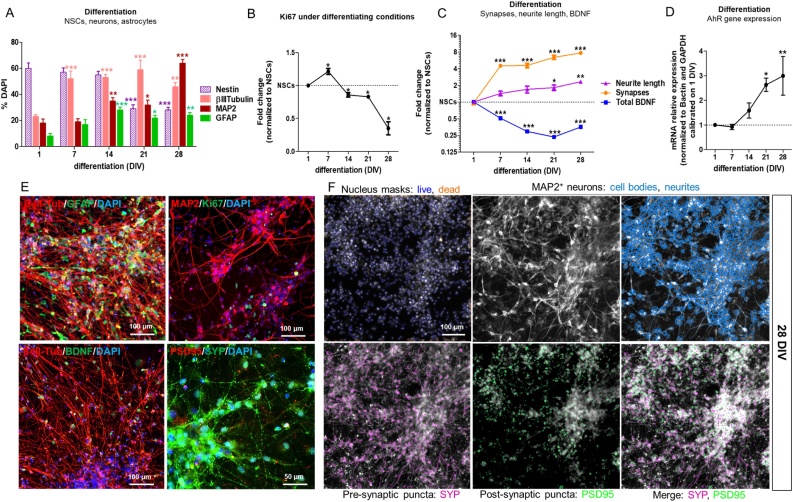
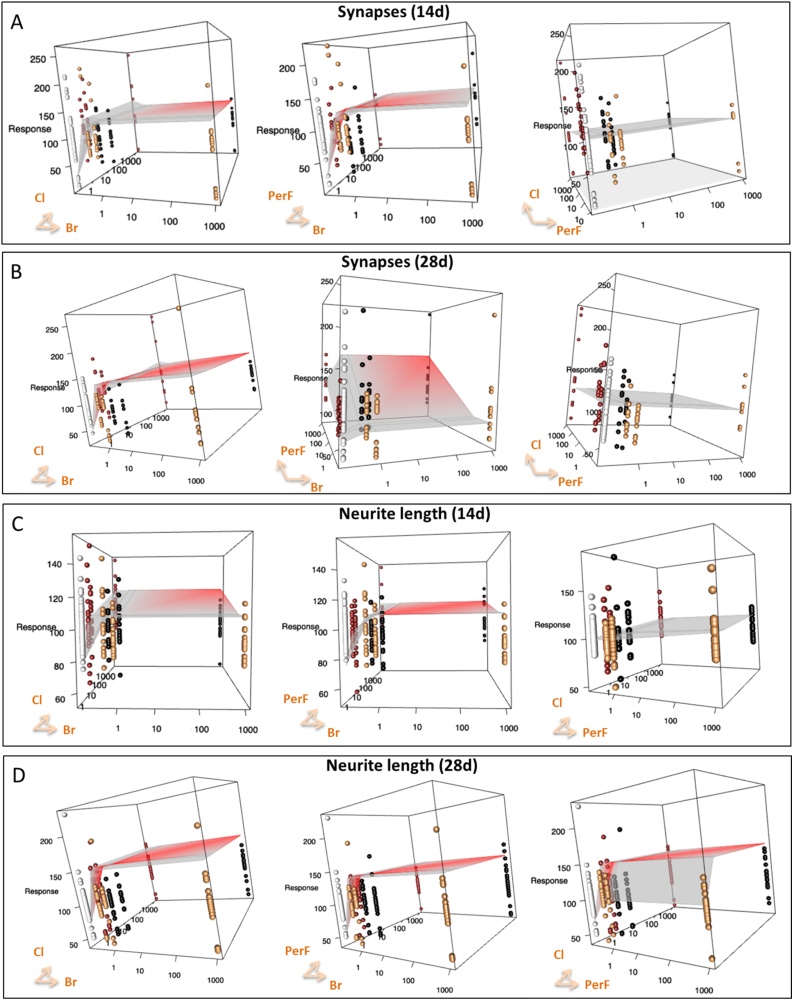
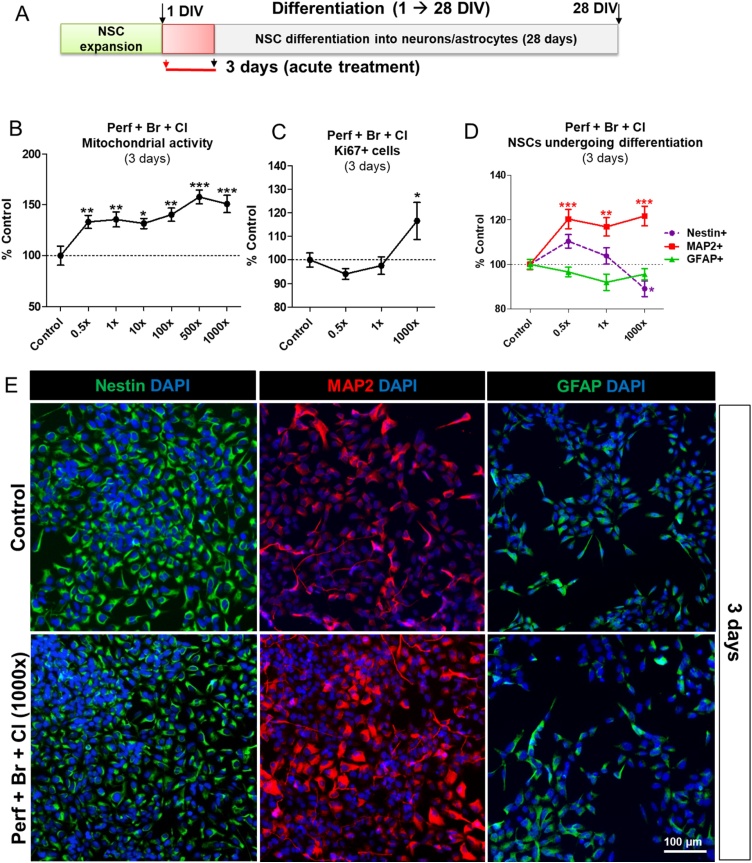
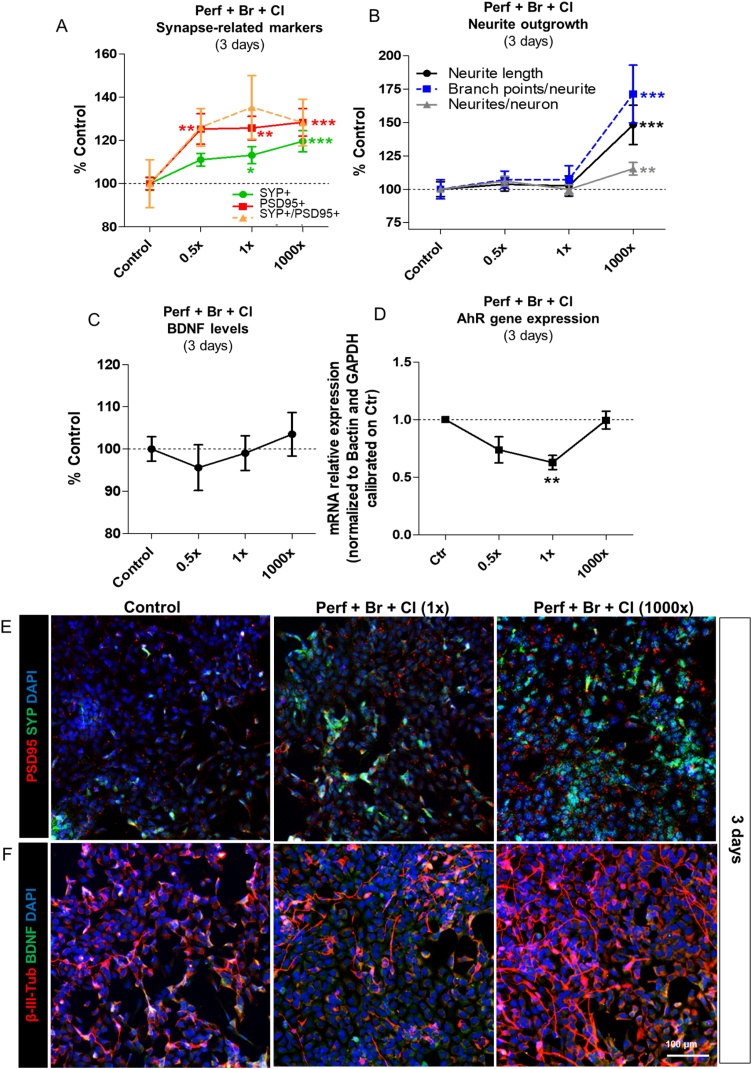
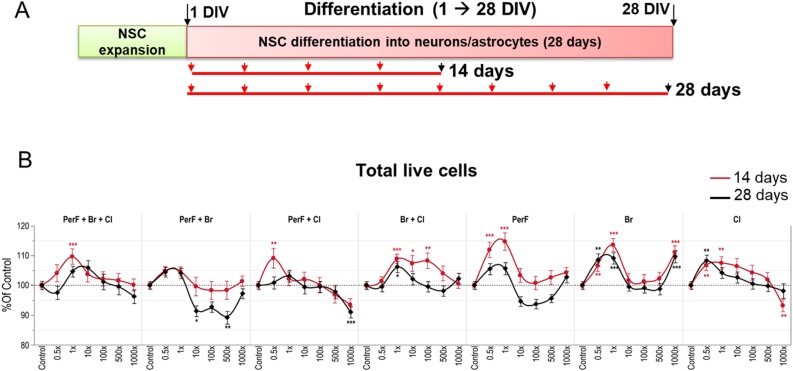
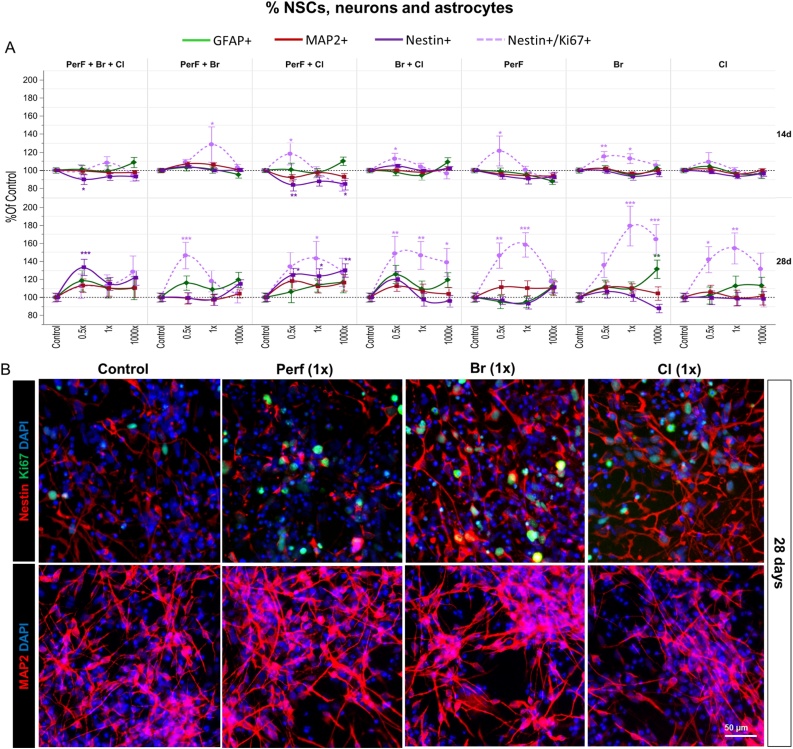
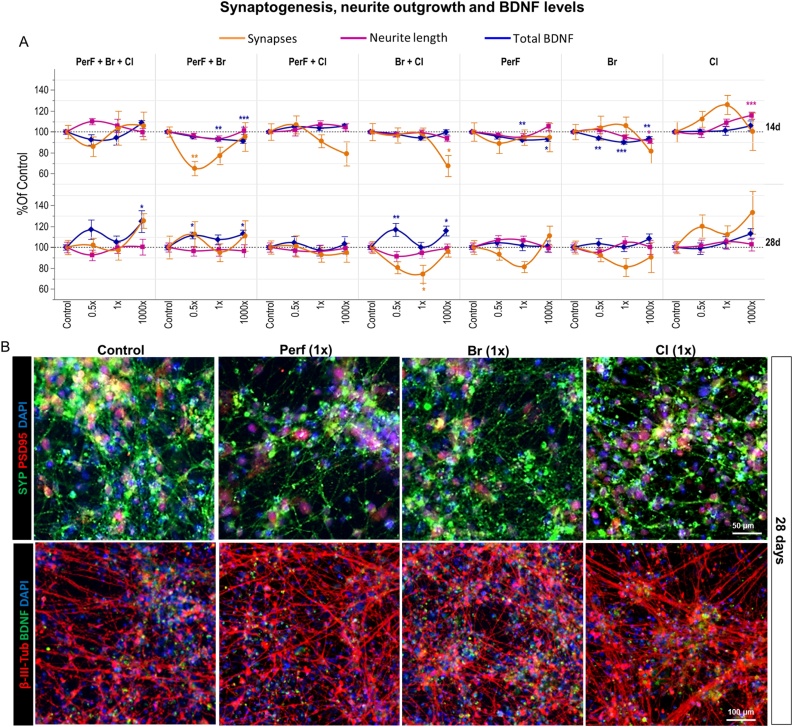
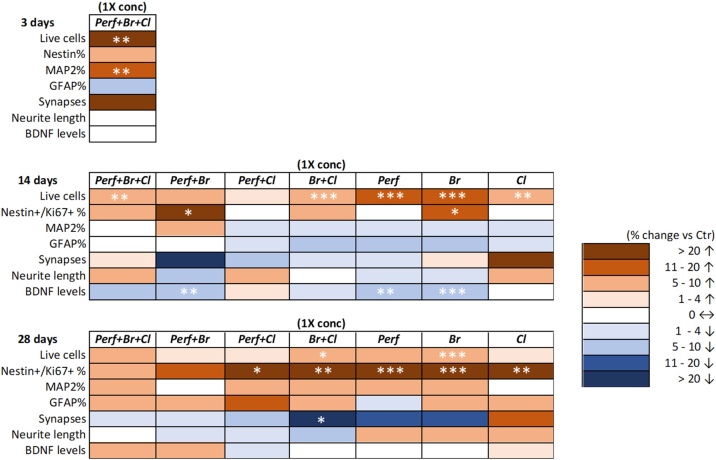
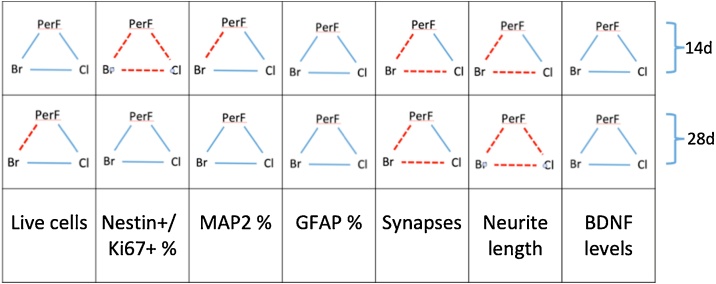
Halogenated persistent organic pollutants (POPs) like perfluorinated alkylated substances (PFASs), brominated flame retardants (BFRs), organochlorine pesticides and polychlorinated biphenyls (PCBs) are known to cause cancer, immunotoxicity, neurotoxicity and interfere with reproduction and development. Concerns have been raised about the impact of POPs upon brain development and possibly neurodevelopmental disorders. The developing brain is a particularly vulnerable organ due to dynamic and complex neurodevelopmental processes occurring early in life. However, very few studies have reported on the effects of POP mixtures at human relevant exposures, and their impact on key neurodevelopmental processes using human in vitro test systems. Aiming to reduce this knowledge gap, we exposed mixed neuronal/glial cultures differentiated from neural stem cells (NSCs) derived from human induced pluripotent stem cells (hiPSCs) to reconstructed mixtures of 29 different POPs using concentrations comparable to Scandinavian human blood levels. Effects of the POP mixtures on neuronal proliferation, differentiation and synaptogenesis were evaluated using in vitro assays anchored to common key events identified in the existing developmental neurotoxicity (DNT) adverse outcome pathways (AOPs). The present study showed that mixtures of POPs (in particular brominated and chlorinated compounds) at human relevant concentrations increased proliferation of NSCs and decreased synapse number. Based on a mathematical modelling, synaptogenesis and neurite outgrowth seem to be the most sensitive DNT in vitro endpoints. Our results indicate that prenatal exposure to POPs may affect human brain development, potentially contributing to recently observed learning and memory deficits in children.
卤代持久性有机污染物(POPs),如全氟烷基物质(PFASs)、溴化阻燃剂(BFRs)、有机氯农药和多氯联苯(PCBs),已知会导致癌症、免疫毒性、神经毒性,并干扰生殖和发育。人们对 POPs 对大脑发育的影响以及可能的神经发育障碍表示担忧。发育中的大脑是一个特别脆弱的器官,因为生命早期会发生动态和复杂的神经发育过程。然而,很少有研究报告在人类相关暴露水平下 POP 混合物的影响,以及它们对使用人类体外测试系统的关键神经发育过程的影响。为了减少这一知识差距,我们用浓度与斯堪的纳维亚人类血液水平相当的方法,将源自人类诱导多能干细胞(hiPSC)的混合神经元/神经胶质培养物暴露于 29 种不同 POP 的重建混合物中。通过与现有发育神经毒性(DNT)不良结局途径(AOP)中确定的常见关键事件相关的体外测定,评估了 POP 混合物对神经元增殖、分化和突触形成的影响。本研究表明,在人类相关浓度下,POP 混合物(特别是溴化和氯化化合物)增加了 NSCs 的增殖,并减少了突触数量。基于数学建模,突触形成和神经突生长似乎是最敏感的 DNT 体外终点。我们的结果表明,产前暴露于 POPs 可能会影响人类大脑发育,从而可能导致最近观察到的儿童学习和记忆缺陷。