Psychological & Brain Sciences, Indiana University, Bloomington, Indiana, USA.
School of Informatics, Indiana University, Bloomington, Indiana, USA.
PLoS Comput Biol. 2020 Dec 21;16(12):e1008418. doi: 10.1371/journal.pcbi.1008418. eCollection 2020 Dec.
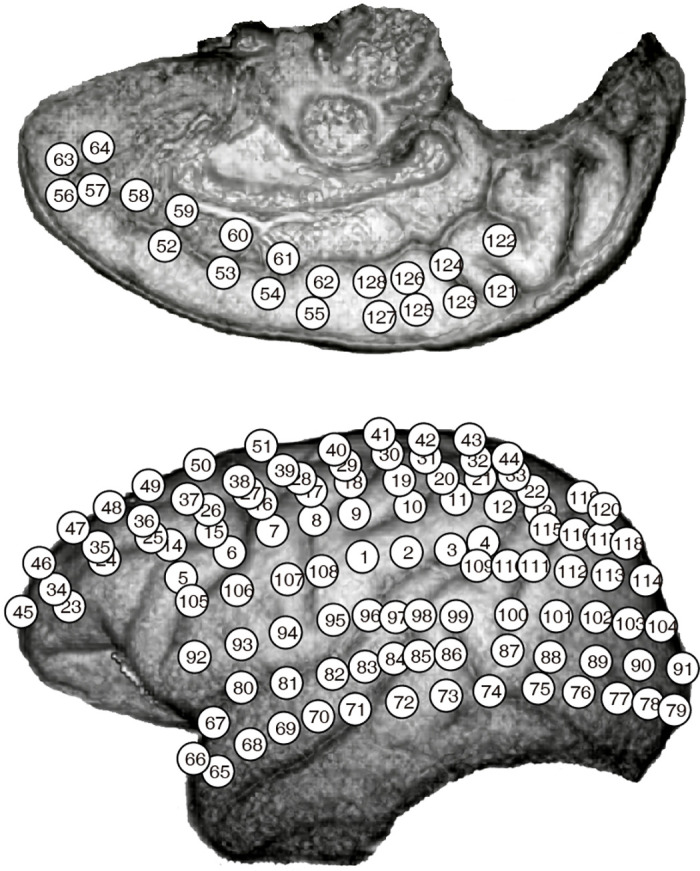
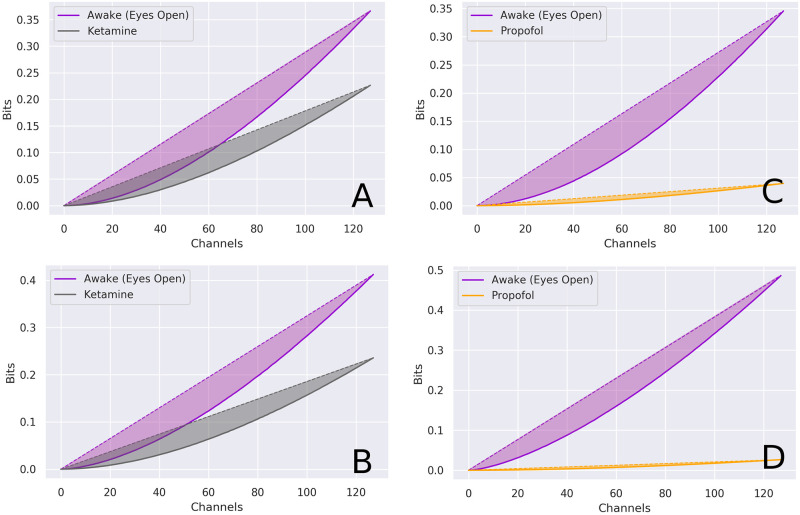
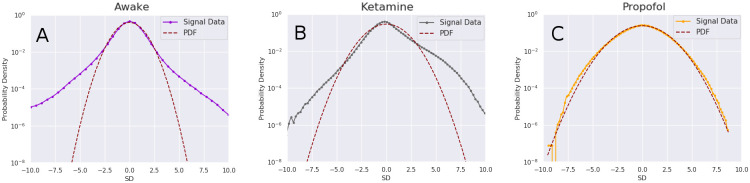
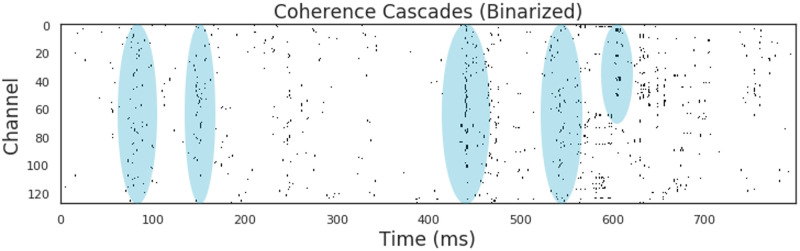
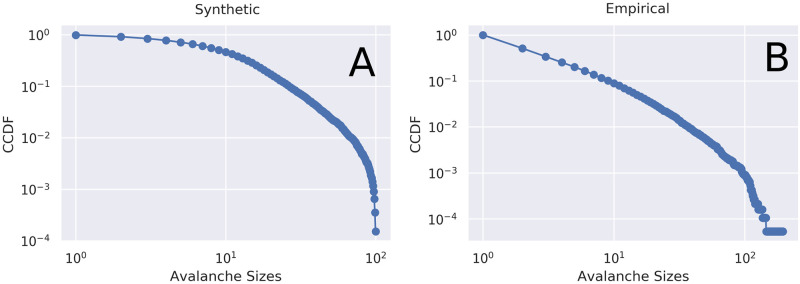
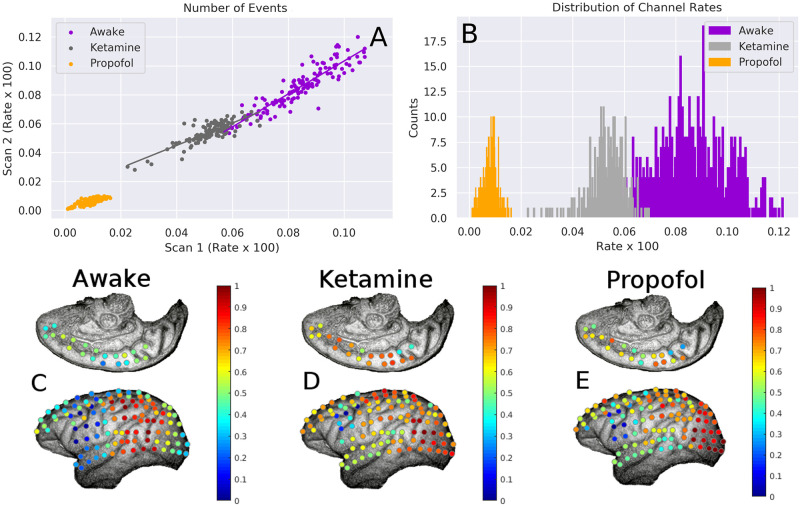
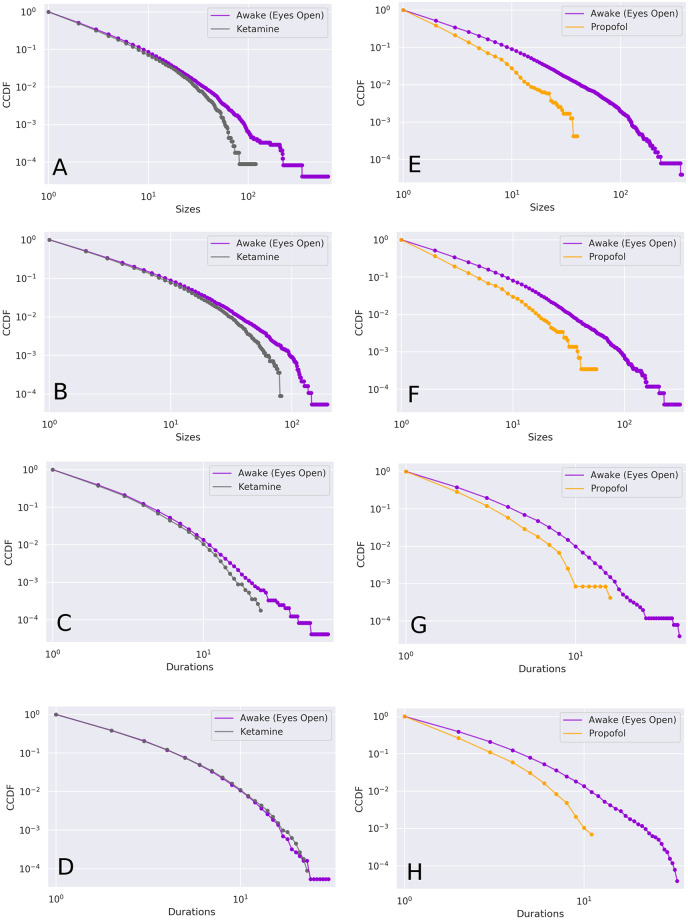
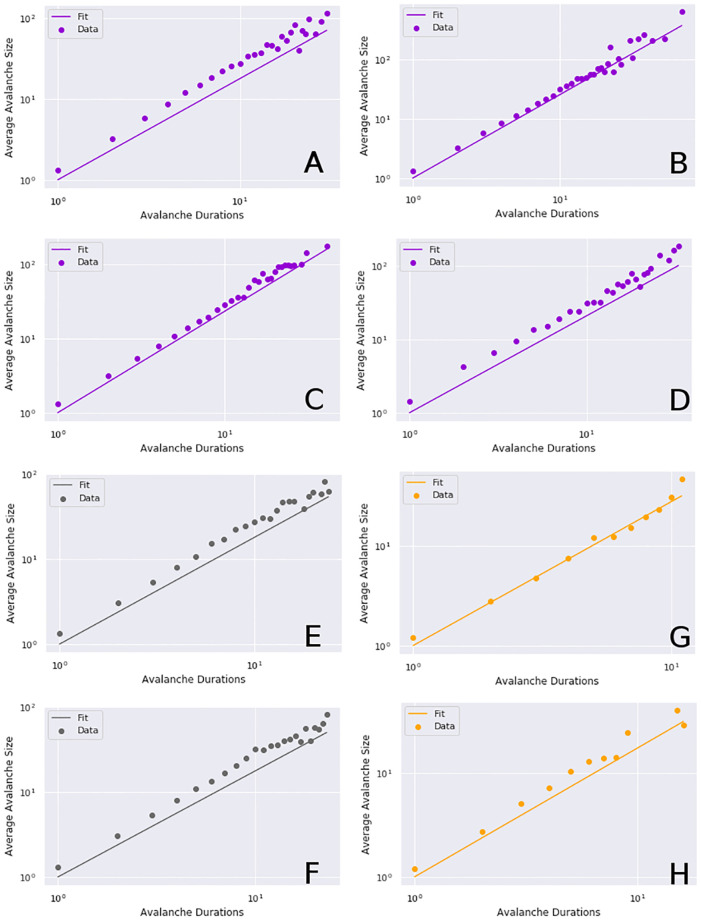
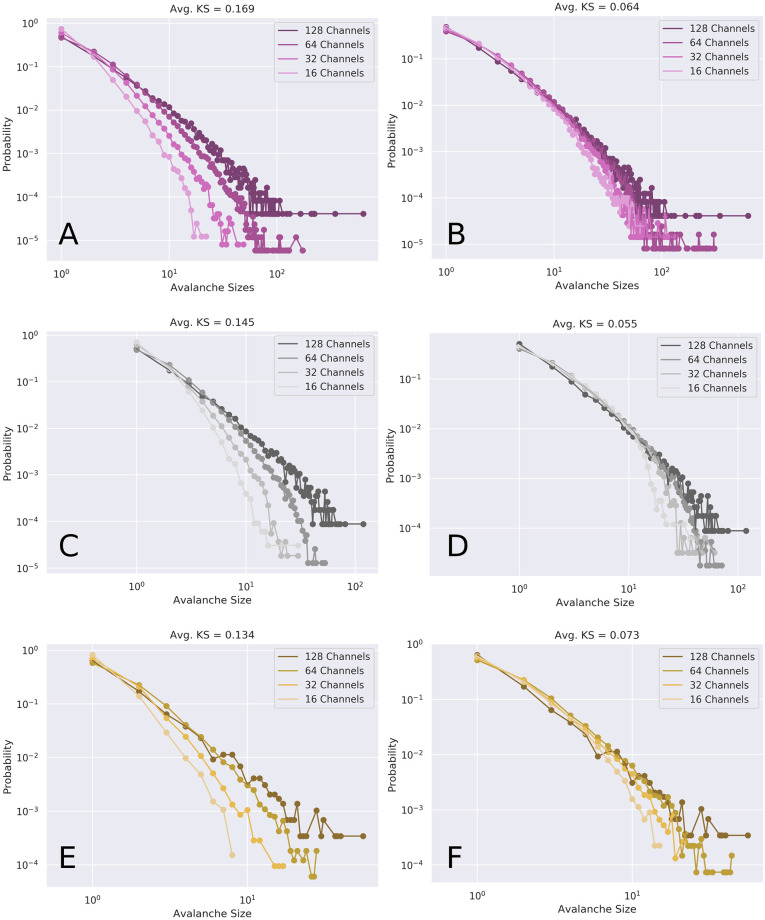
Whether the brain operates at a critical "tipping" point is a long standing scientific question, with evidence from both cellular and systems-scale studies suggesting that the brain does sit in, or near, a critical regime. Neuroimaging studies of humans in altered states of consciousness have prompted the suggestion that maintenance of critical dynamics is necessary for the emergence of consciousness and complex cognition, and that reduced or disorganized consciousness may be associated with deviations from criticality. Unfortunately, many of the cellular-level studies reporting signs of criticality were performed in non-conscious systems (in vitro neuronal cultures) or unconscious animals (e.g. anaesthetized rats). Here we attempted to address this knowledge gap by exploring critical brain dynamics in invasive ECoG recordings from multiple sessions with a single macaque as the animal transitioned from consciousness to unconsciousness under different anaesthetics (ketamine and propofol). We use a previously-validated test of criticality: avalanche dynamics to assess the differences in brain dynamics between normal consciousness and both drug-states. Propofol and ketamine were selected due to their differential effects on consciousness (ketamine, but not propofol, is known to induce an unusual state known as "dissociative anaesthesia"). Our analyses indicate that propofol dramatically restricted the size and duration of avalanches, while ketamine allowed for more awake-like dynamics to persist. In addition, propofol, but not ketamine, triggered a large reduction in the complexity of brain dynamics. All states, however, showed some signs of persistent criticality when testing for exponent relations and universal shape-collapse. Further, maintenance of critical brain dynamics may be important for regulation and control of conscious awareness.
大脑是否处于关键的“临界点”是一个长期存在的科学问题,细胞和系统尺度的研究都表明,大脑确实处于或接近临界状态。对处于改变的意识状态的人类的神经影像学研究提示,维持临界动力学对于意识和复杂认知的出现是必要的,而意识的降低或紊乱可能与偏离临界状态有关。不幸的是,许多报告临界性迹象的细胞水平研究是在非意识系统(体外神经元培养物)或无意识动物(如麻醉大鼠)中进行的。在这里,我们试图通过探索在不同麻醉剂(氯胺酮和异丙酚)下,一只猕猴从意识状态转变为无意识状态的多个侵入性 ECoG 记录中的关键大脑动力学,来解决这一知识空白。我们使用了以前验证过的临界性测试:雪崩动力学,以评估正常意识与两种药物状态之间的大脑动力学差异。选择异丙酚和氯胺酮是因为它们对意识的不同影响(氯胺酮,而不是异丙酚,已知会引起一种称为“分离麻醉”的异常状态)。我们的分析表明,异丙酚显著限制了雪崩的大小和持续时间,而氯胺酮允许更类似于清醒的动力学持续存在。此外,异丙酚而不是氯胺酮,导致大脑动力学的复杂性大幅降低。然而,在测试指数关系和通用形状崩溃时,所有状态都表现出一些持续临界性的迹象。此外,维持关键的大脑动力学可能对意识的调节和控制很重要。